
Last updated November 17, 2026
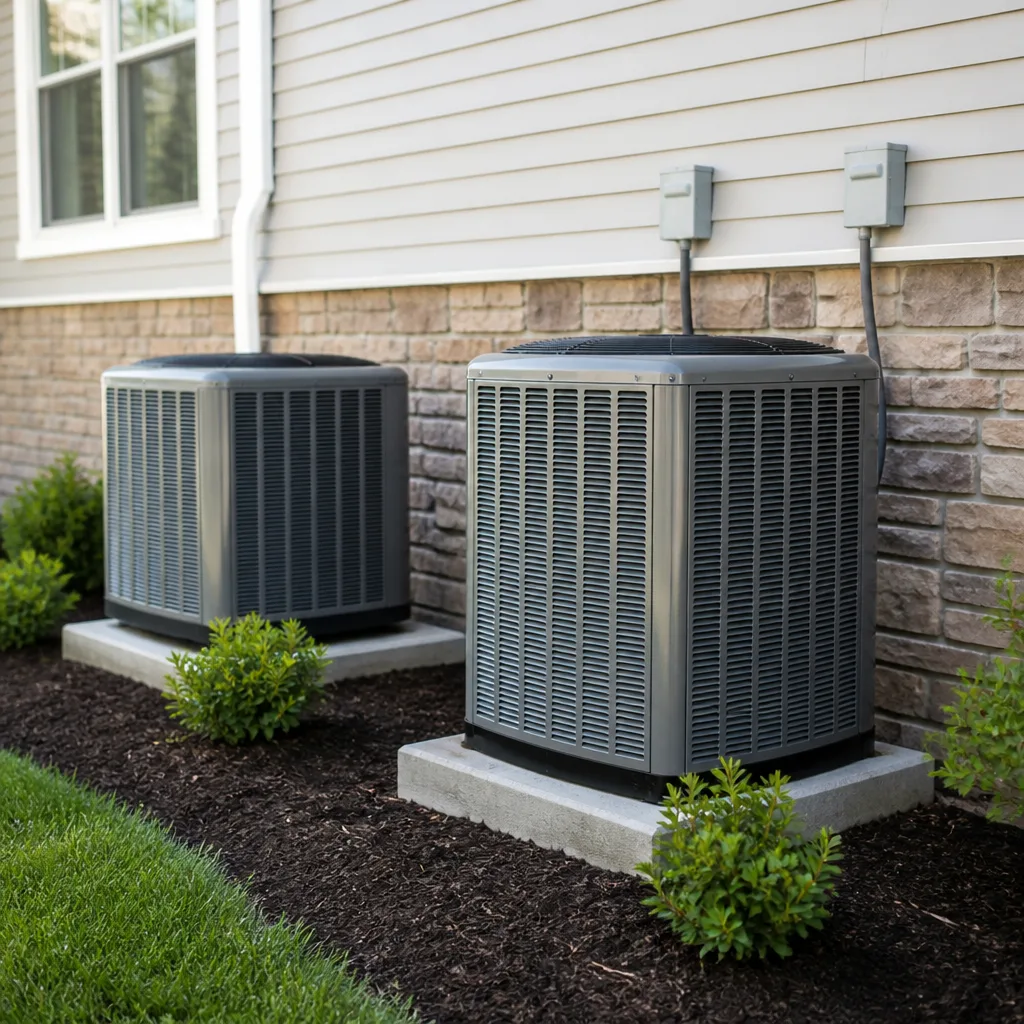 Heat pumps
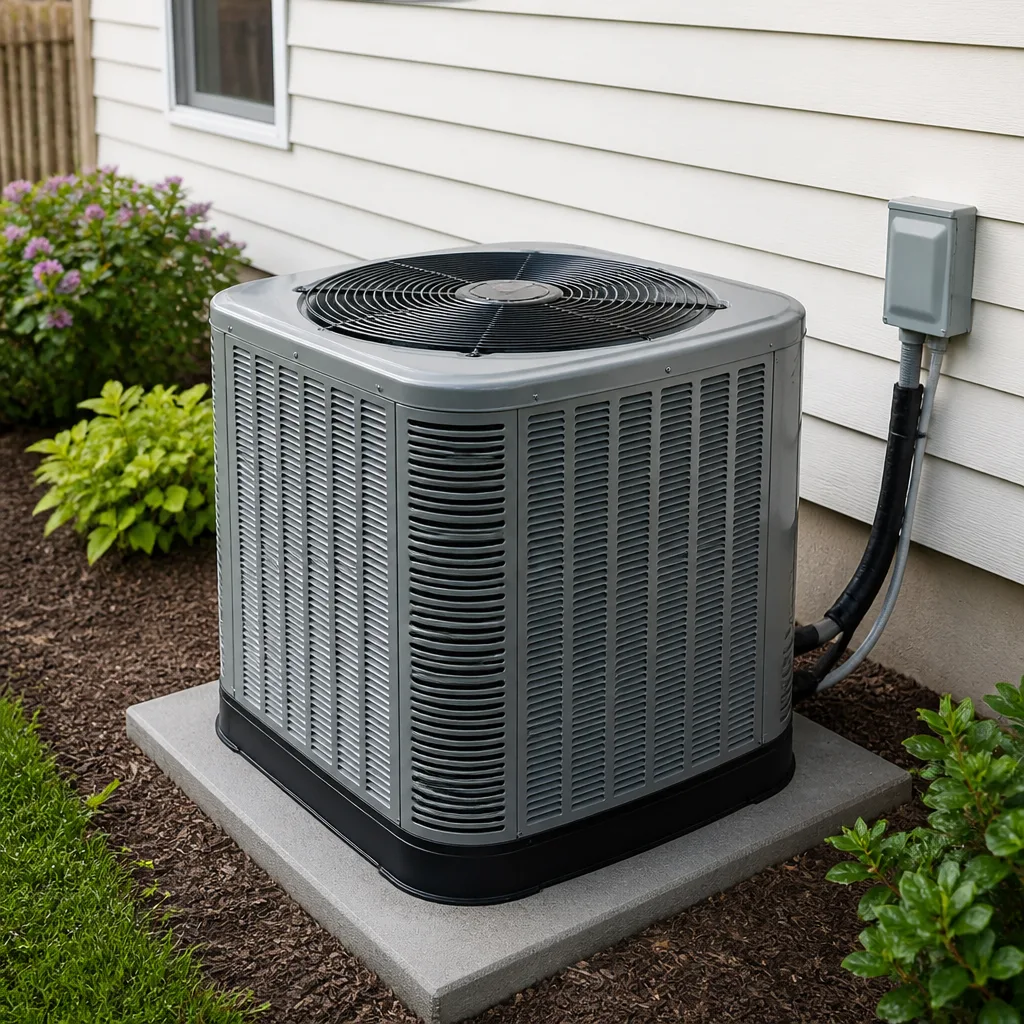 AC repair
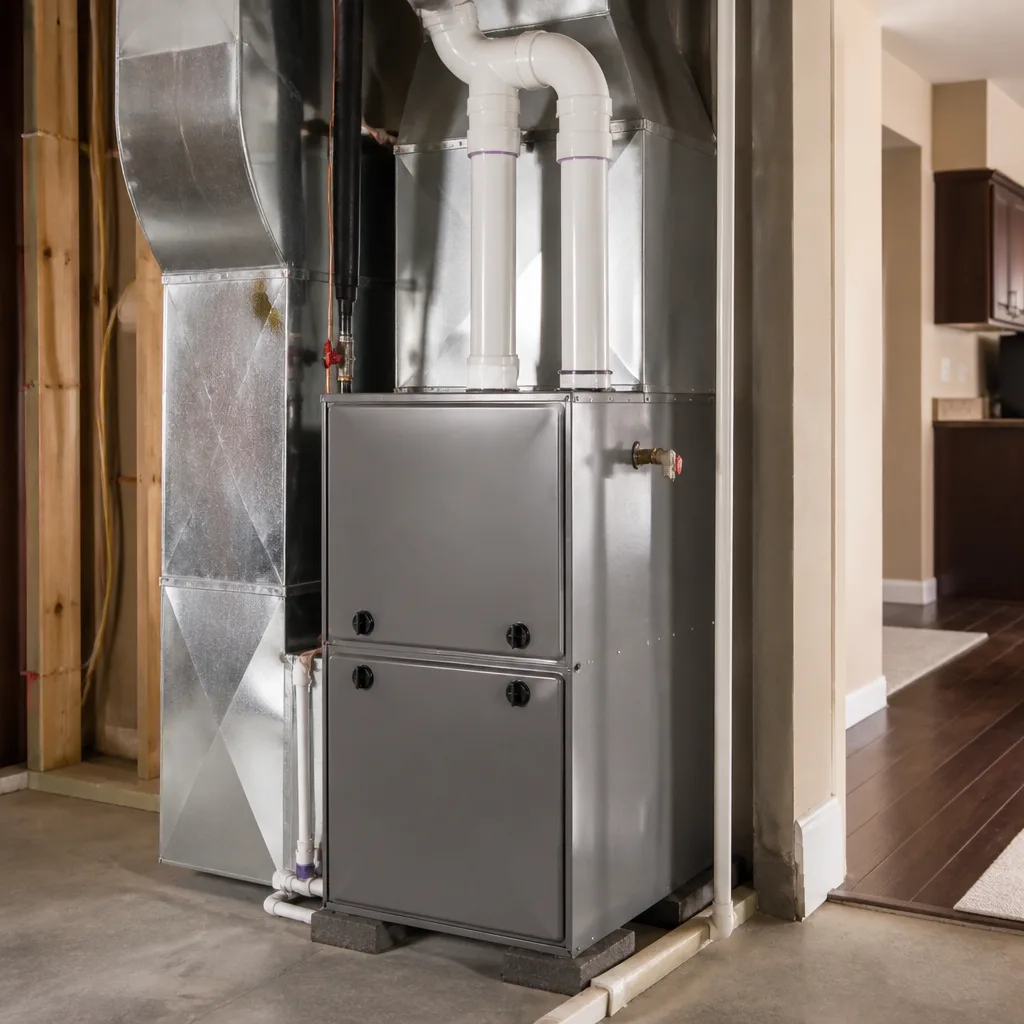 Furnace & heating
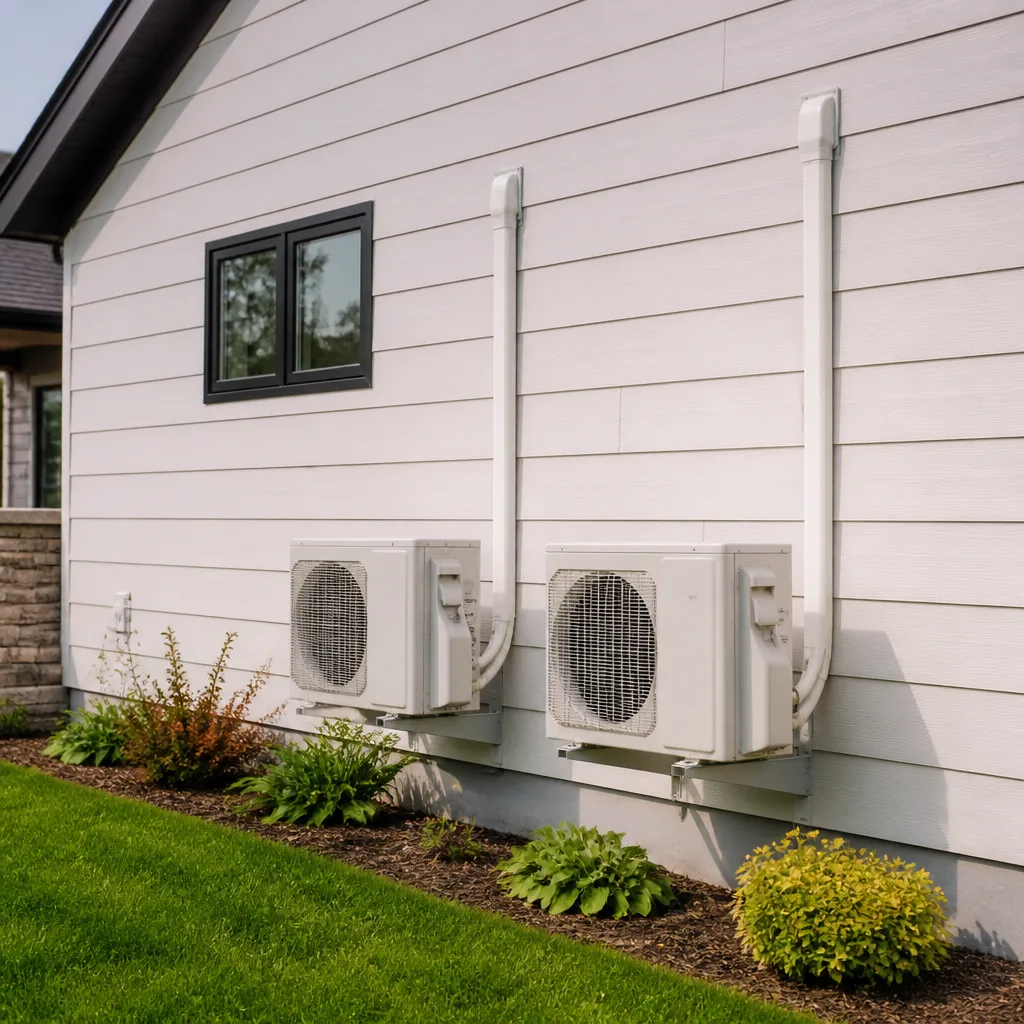 Ductless mini splits
 Carrier
 Trane
 Goodman
Seasonal tune-up and full diagnostic on your Carrier, Trane, or Goodman system - readings shown to you before any repair is proposed
Diagnosis first, numbers second - you approve the repair price before a single part goes in.
Get your free estimateHow Long Does Heat Pump Installation Take? Timelines and What to Expect
The installer quoted “half a day.” It’s now 6 p.m. and you still have no heat. Here’s exactly why that happens and how to prevent it before the crew shows up.
A heat pump install is a sequence of discrete jobs, not one job. Removal, line set routing, electrical, unit placement, refrigerant charge, thermostat commissioning, then inspection. Each phase has a realistic time range, and the ones that blow up a schedule are almost always electrical panel capacity, refrigerant line routing, and permit inspection timing. Most of that comes down to site conditions nobody checked at the quote. In this guide we’ll walk through the full timeline phase by phase, flag the four site conditions that add 1 – 3 hours without warning, and give you the written checklist a thorough technician should fill out before they call the job done. If you’re planning a heat pump installation in Spring Valley, this is the schedule you should actually expect.
Quick Answer
A standard heat pump installation takes 4 to 8 hours of active work for a qualified crew: removal, line set and electrical rough-in, unit placement, refrigerant charge, and thermostat commissioning. Getting from “signed quote” to “system running” usually takes 3 to 10 business days once you factor in equipment lead time and a Clark County permit inspection, which alone can add 1 to 5 business days to the calendar.
Styles & brands we work with
- AC repair
- Furnace & heating
- Heat pumps
- Ductless mini splits
- Carrier
- Trane
- Goodman
Table of Contents
- The Five Phases of a Heat Pump Install, Timed
- Which Site Conditions Add 1 – 3 Hours (And How to Know in Advance)
- Permits and Inspection: The Separate Timeline Nobody Explains
- The Written Checklist a Thorough Technician Should Fill Out
- Rushed Startup vs. Proper Commissioning
- What’s Different About Heat Pump Installs in Spring Valley
- Common Mistakes to Avoid
- Frequently Asked Questions
The Five Phases of a Heat Pump Install, Timed
We’ve watched a lot of installs run long because one phase got skipped or underestimated. Here’s the breakdown, with honest time ranges for each. These are for a straight swap of an existing system. New construction or a first-time install in a home that never had a heat pump runs longer.
Phase 1 – Disconnect and removal (30 to 60 minutes). Shutting off the electrical disconnect, recovering existing refrigerant (a legal requirement, not optional), and pulling the old unit. If the old system used R-22 refrigerant, recovery takes longer and you should expect a small charge for disposal.
Phase 2 – Line set and electrical rough-in (1.5 to 3 hours). The line set is the pair of copper tubes that carry refrigerant between the indoor air handler and the outdoor unit. Routing them through a wall or attic takes 1 to 2 hours on an easy run. A run that has to go through finished ceilings, around a structural beam, or across more than 30 feet is where an afternoon disappears.
Phase 3 – Outdoor unit placement (45 minutes to 2 hours). Setting the pad or wall brackets, setting the unit level, and clearing the required clearance around it. A pre-poured concrete pad is fast. Leveling on an uneven grade or bolting brackets into stucco takes longer.
Phase 4 – Refrigerant charge (45 to 90 minutes). Pulling a vacuum on the line set, holding it to confirm no leaks, then weighing in the factory charge. This is the phase that gets rushed and shouldn’t be.
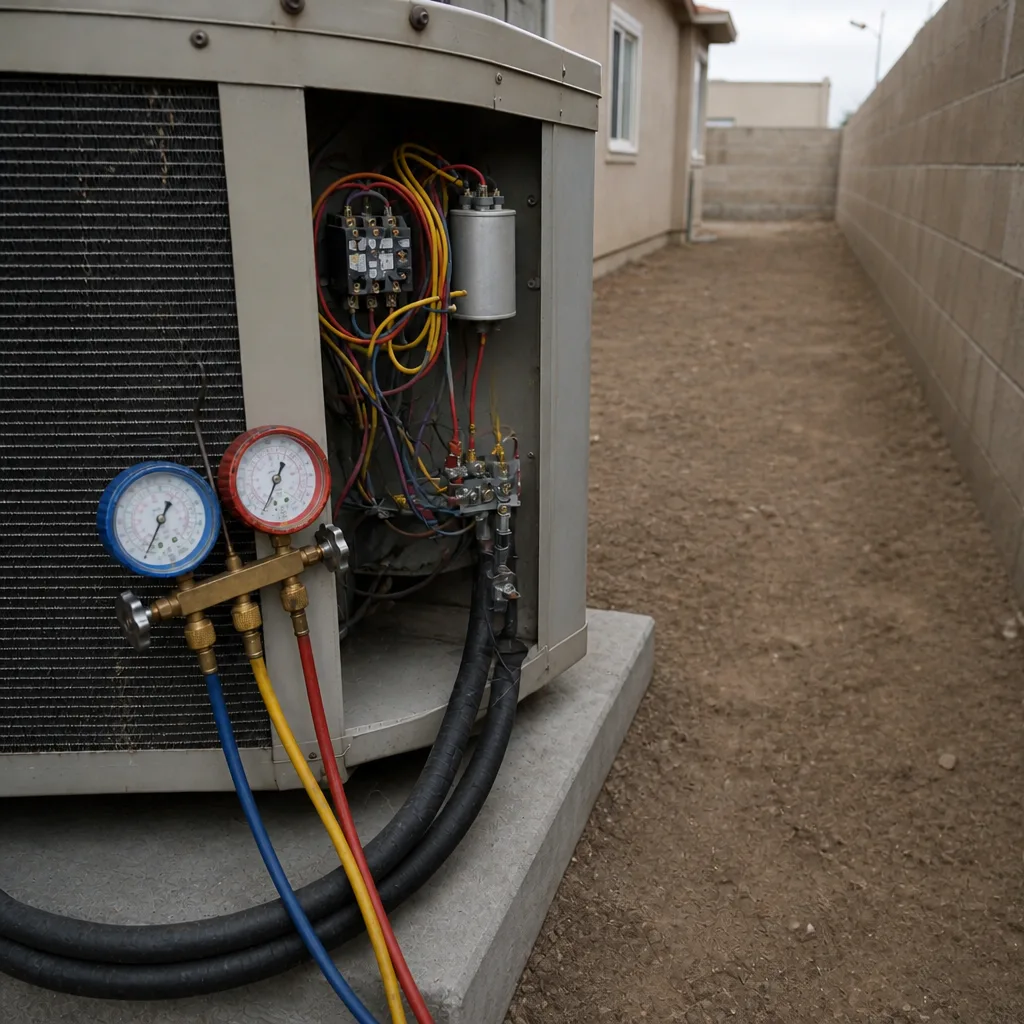
Phase 5 – Thermostat and commissioning (1 to 2 hours). Wiring the thermostat, configuring staging and defrost settings, then running the system through heating and cooling modes and recording superheat and subcooling at the outdoor unit.
Which Site Conditions Add 1 – 3 Hours (And How to Know in Advance)
This is the part that gets glossed over at the quote. The four conditions below are the ones that push a 5-hour job into an 8-hour one. Two of them can be checked by anyone with a flashlight. Two require a technician to open a panel.
- Electrical sub-panel capacity. A heat pump draws more amperage than a gas furnace. If your electrical panel is full or the service is undersized, an electrician has to be brought in before the heat pump can be energized. On panel capacity, you can look at the breaker panel yourself and count open slots, but the load calculation is a licensed electrician’s call. This is the single biggest time-gobbler we see in older Spring Valley neighborhoods. Installs in 1990s-era houses around the Spring Valley – Paradise border regularly need a panel upgrade or a dedicated circuit added, and that adds half a day on its own.
- Existing ductwork condition. A heat pump pushes roughly 10 – 15% more air than an older furnace. Ducts that are sized for furnace airflow can be undersized for the new system, and crushed or disconnected flex duct can drop static pressure to the point that the air handler doesn’t perform. A contractor should inspect the duct trunk before quoting. If they didn’t look up there, ask why.
- Pad vs. brackets. An outdoor unit set on a pre-poured pad is quick. Brackets bolted into a wall or a rooftop setup on a single-story home adds time and requires carful flashing so the bracket mount doesn’t leak.
- Line set routing distance. The factory charge on most residential heat pumps covers about 15 feet of line set. Anything past 25 feet means adding refrigerant at a specific rate. Long runs through an attic or around a garage bump the job by 1 to 2 hours and change the final price.
Ask the contractor at the quote which of these they checked. If they can’t tell you the panel amperage and the approximate line set length, the “half a day” estimate is a guess.
Permits and Inspection: The Separate Timeline Nobody Explains
The install day and the inspection day are different days. In Clark County, a mechanical permit is required for a heat pump replacement, and the work has to be inspected after the system is energized. That inspection cannot happen the same afternoon as the install. Permit applications receive a review window, and inspection scheduling runs on its own calendar, so the permit-and-inspection piece alone adds 1 to 5 business days to the total job. Some weeks it’s faster. Some weeks the county is slammed and it isn’t.
What a compliant contractor handles: pulling the permit before the work starts, scheduling the inspection, meeting the inspector on site, and closing the permit once it passes. What falls on you: making sure the inspector can access the outdoor unit and the indoor air handler and the thermostat, which means nothing stacked against the equipment and someone home if the contractor needs to let the inspector in.
One thing that surprises homeowners: an unpermitted heat pump install can be flagged at resale, and in Clark County it can hold up a home sale appraisal. If a contractor offers to “skip the permit to save you time,” that’s not saving you time. It’s moving a delay onto your future.
The Written Checklist a Thorough Technician Should Fill Out
One of the terms in The Garrison Standard is that the price is in writing before any work starts. The same principle applies to the finish of the job. A thorough technician should hand you a written record of what they tested and what they found. If a contractor finishes the install and hands you nothing but a bill, ask for the checklist.
Here’s what a real commissioning checklist covers, in the order a technician works through it:
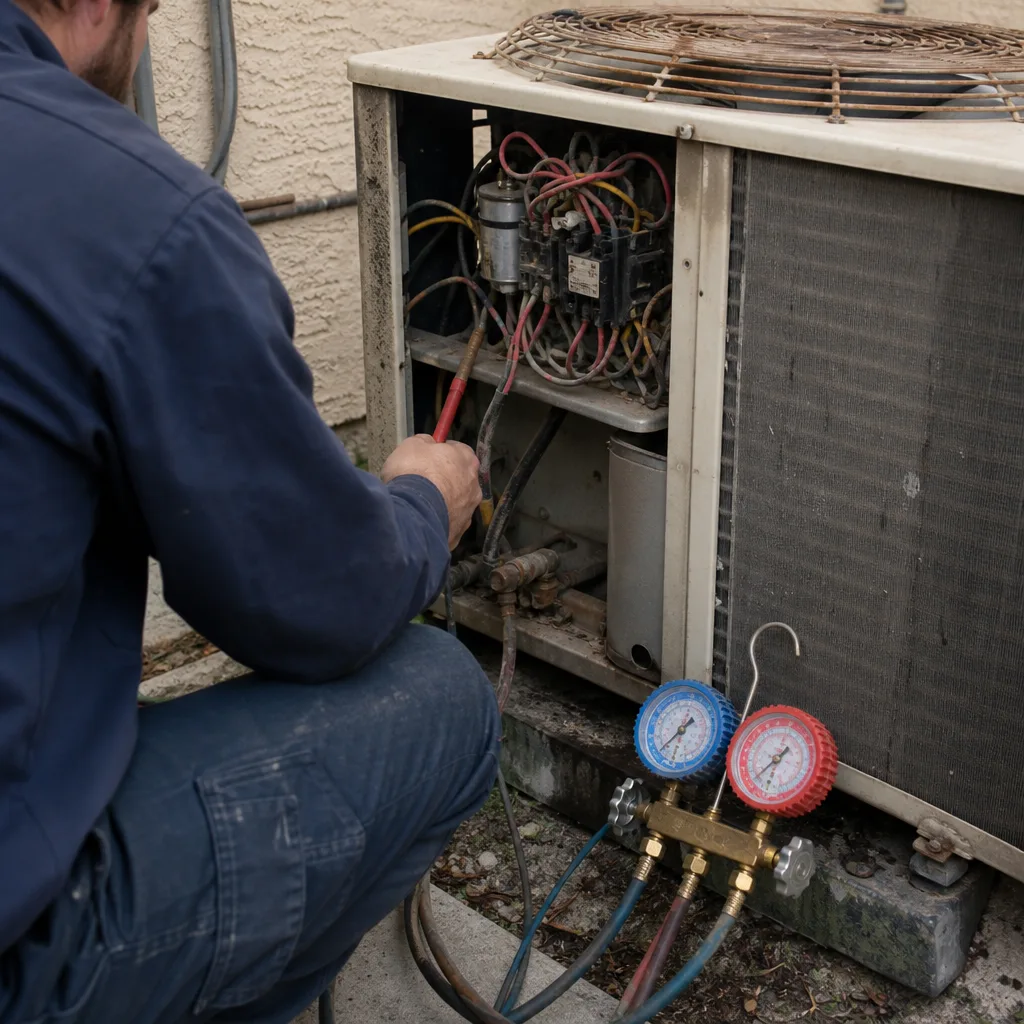
- Refrigerant charge verified against the nameplate by weighing in or checking pressures, with superheat and subcooling recorded at the outdoor unit.
- Temperature split at the return and supply measured before and after (a functional check that airflow and charge are both correct).
- Static pressure measured at the return drop and the supply plenum to confirm the blower is moving the airflow the new system requires.
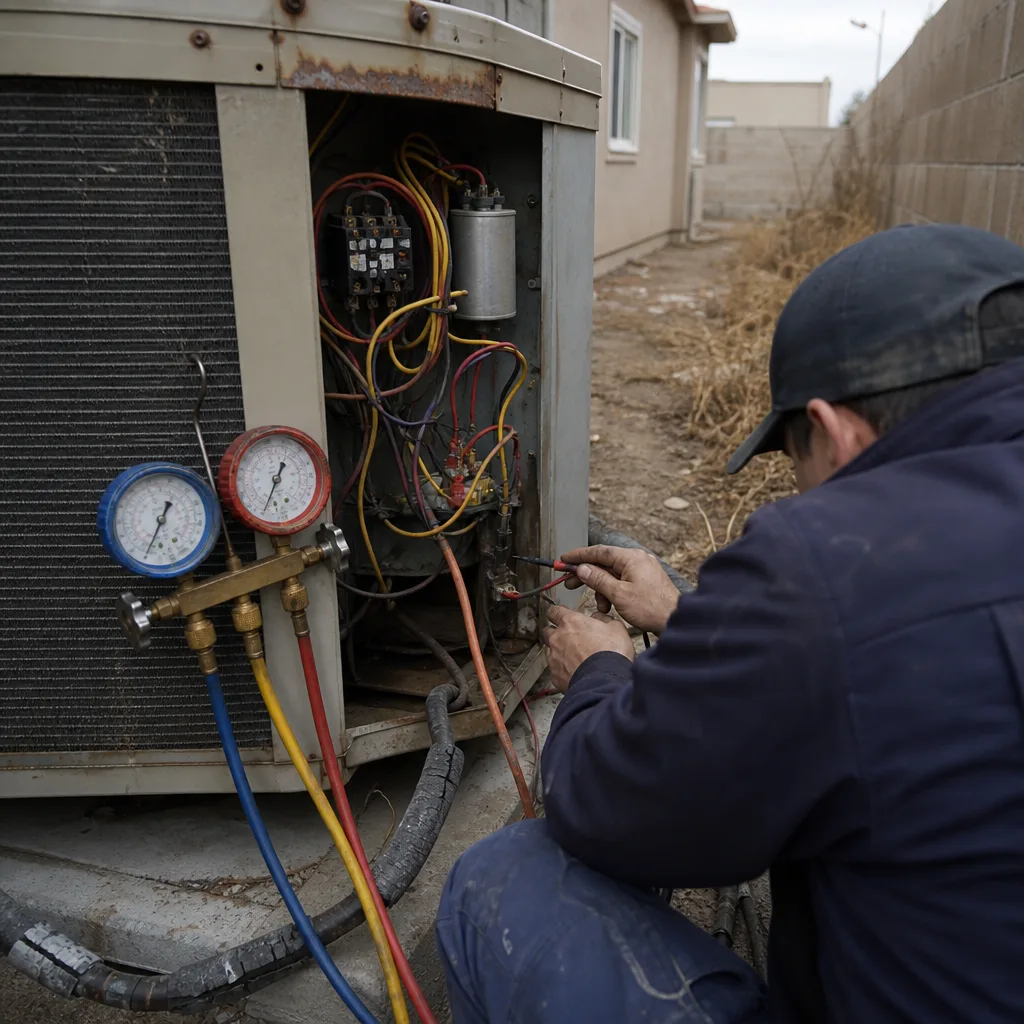
- Electrical readings: compressor amps compared to nameplate rated load amps, and capacitor microfarad readings checked against rating.
- Heating mode tested, including defrost cycle behavior (heat pumps run a defrost cycle to clear frost from the outdoor coil, and it needs to be configured correctly for the climate).
- Thermostat staging and setback schedule configured, and Wi-Fi pairing tested if the thermostat is smart.
- Drain line flushed and inspected, with a float switch test if one is installed.
- Outdoor disconnect labeled, breaker labeled, and the line set and pad cleaned and secured.
- Filter installed and the homeowner shown where it lives and what size to buy.
Documentation is also where the 365-Day Done Right Promise gets its teeth. If it’s not done right, we come back and make it right. That promise only means something when the technician has written down what “right” looked like at the start.
Rushed Startup vs. Proper Commissioning
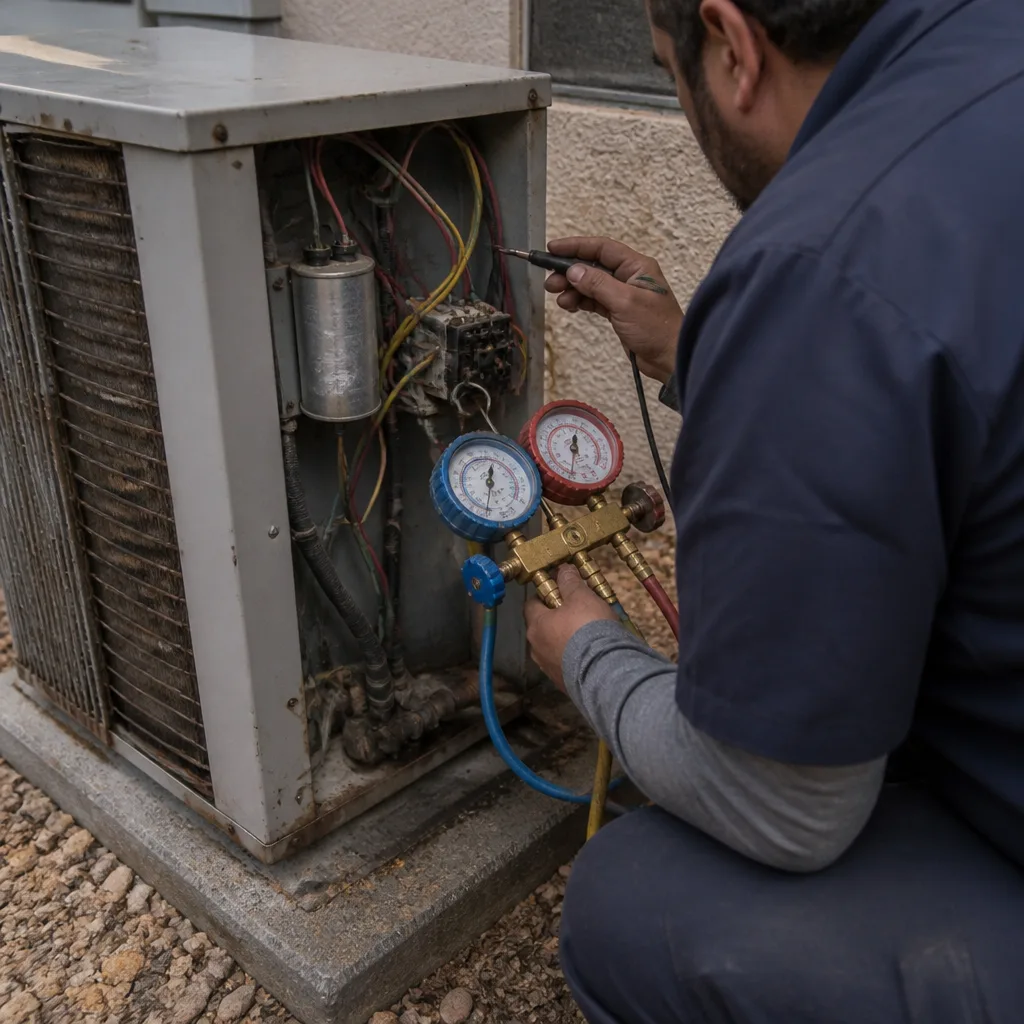
The difference between a rushed startup and a properly commissioned heat pump lives in two numbers: superheat and subcooling. Those are measurements of how much refrigerant is in the system relative to the temperature of the refrigerant line. If the technician doesn’t measure them, the charge is a guess. And a guess is what shortens the compressor’s life.
An undercharged or overcharged compressor runs hotter, pulls higher amps, and produces less heat or cooling than it should. Over months, that’s a compressor failure. Compressors are not a cheap part. A proper commissioning adds 30 to 60 minutes to the job and saves you a return visit in the middle of the first summer.
Ask directly at the end of the install: “Can I see the superheat and subcooling readings?” A contractor who did the work will hand you the readings. A contractor who rushed it will change the subject. In the Las Vegas Valley summer heat, a heat pump that is off on charge will show it fast, and it almost always shows up first on a 110-degree afternoon in July.
What’s Different About Heat Pump Installs in Spring Valley
Spring Valley’s climate matters here. The Las Vegas Valley sees design temperatures around 110°F in summer and lows that dip to the high 20s a few nights a year. That’s actually a good environment for a heat pump: cooling-dominant, mild winter, no long stretches of below-freezing weather. The system runs in cooling mode for most of the year, which puts the compressor and outdoor fan through a heavier cooling-season workload than a heat pump install in a colder market. That’s why equipment sizing matters so much in Spring Valley, and why a contractor who skips a manual J load calculation is setting you up for a short-lived compressor.
Two site-specific things come up in Spring Valley more than most areas:
- Landscaping and hardscape. Many Spring Valley backyards are walled, landscaped, or have a covered patio over the outdoor unit. Clearing enough airflow around a new heat pump in those yards can mean relocating block walls or ripping out pavers. Worth knowing before the crew arrives.
- Rooftop and attic-mounted line sets. A lot of Spring Valley homes have the air handler in the attic or in a closet on the second floor. That routing adds 45 to 90 minutes and changes the line set length, which changes the refrigerant charge.
If you want to see how a Spring Valley install is quoted, that’s a different conversation than an overview like this, and it starts with us looking at your house. More on that in a moment.
Common Mistakes to Avoid
- Quoting “half a day” without checking the panel. The estimate is only as good as the site check. A quote that skipped the panel amperage check is a number, not a promise. Ask what the panel rating is before signing.
- Skipping the manual J load calculation. Oversizing a heat pump in Spring Valley is the mistake we fix most. Oversized systems short-cycle, don’t dehumidify, and wear out the compressor early. A load calc takes 30 minutes and should be part of every quote.
- Assuming the old line set can be reused. If the existing line set is over 15 years old, or was sized for R-22, it should be replaced. Reusing a mismatched line set to save $200 shortens the system’s life. Cheap now, expensive later.
- Not verifying the permit was pulled. In Clark County, an unpermitted install can surface at resale and cost you more to fix than the permit itself. Ask for the permit number in writing, and don’t accept a “it’s not required for a replacement” answer, because a heat pump install is not a straight swap the way a furnace is.
- Accepting a verbal price that changes at the door. A written price before any work starts exists for a reason. If the quote you sign is a range and the invoice is a final number, ask why they’re different.
- Letting the crew leave without the commissioning sheet. If they hand you a bill and no readings, the job isn’t done. Ask for the superheat and subcooling numbers.
- Not asking about the inspection day. Someone has to be available for the inspector to see the equipment, and if the contractor doesn’t tell you which day that is, you’ll find out the morning it happens.
See the difference
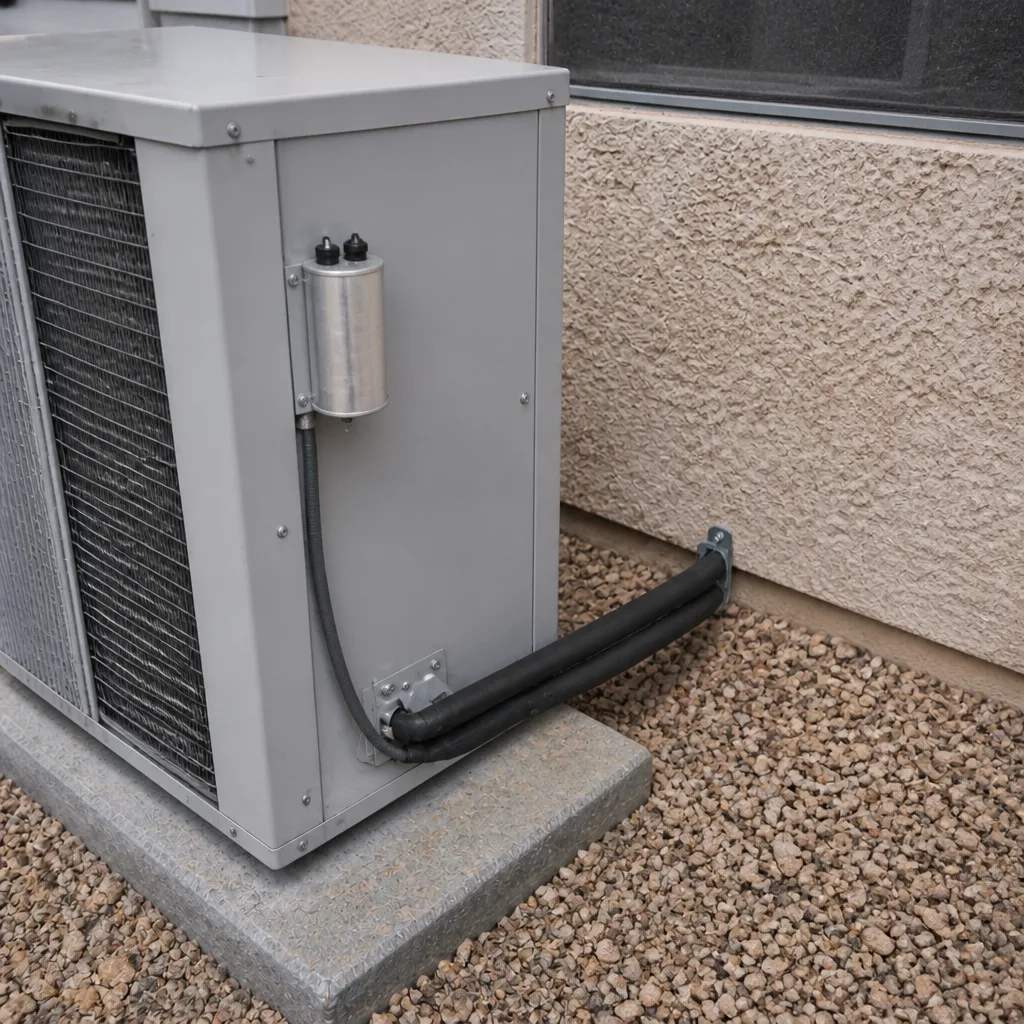
 Before
 After
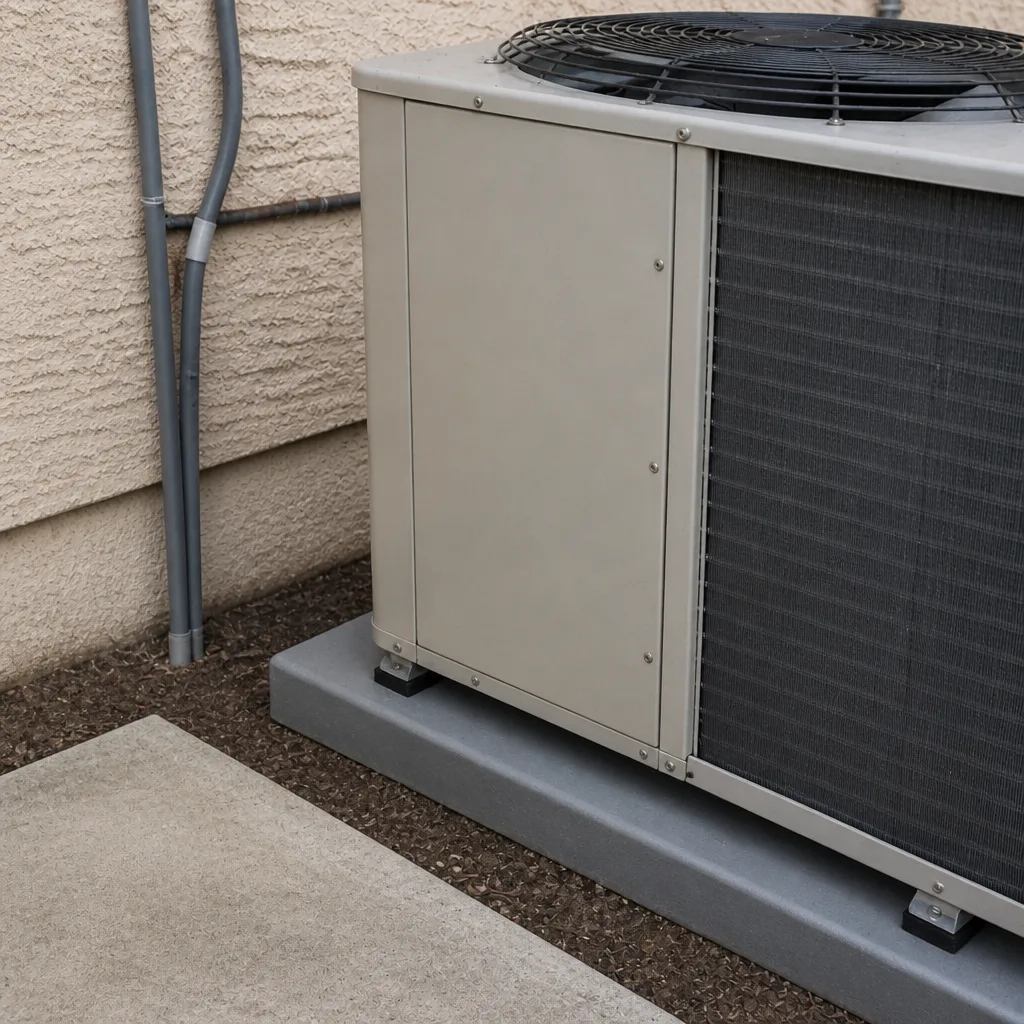
 Before
 After
 Before
 After
When to Call a Professional
If you’re considering a heat pump for a Spring Valley home, this is not a job for a weekend project. Refrigerant handling requires EPA certification, the electrical work requires a licensed electrician, the mechanical permit requires a licensed contractor to pull it, and the charge and commissioning require instruments and training that a toolbox doesn’t cover. A heat pump installed without a permit and a load calculation is a heat pump that will fail a compressor within a few years. Beyond installation, call a professional if you notice your current system icing over the outdoor coil in cooling mode, running with a compressor that won’t stay on, or tripping the breaker when it starts. Those are signs something upstream is failing, and diagnosing them safely requires the instruments a technician carries.
Dalton Heating & Air Spring Valley offers free estimates in Spring Valley. Call (888) 268-6106 for a written price and a real timeline before the crew shows up, not after. You can also learn more about Heat Pump Installation in Spring Valley before you book.
Frequently Asked Questions
Yes, the active installation usually happens in one day, but “installed” and “inspectable and running” are two different states. The install itself takes 4 – 8 hours. The Clark County permit inspection, which has to happen after the system is energized, usually adds 1 – 5 business days to the calendar. Plan for the install day plus an inspection day, and don’t schedule a house full of guests the morning after. Call (888) 268-6106 for a scheduling window that matches your house.
Yes. A heat pump install requires a mechanical permit and inspection in Clark County, and there’s no honest workaround for it. The permit protects you at resale, protects the equipment warranty, and catches electrical deficiencies that a same-day install would miss. A compliant contractor pulls the permit, meets the inspector, and closes it. A contractor who offers to skip it is shifting a delay onto your future. Call us for a permit-included written quote.
Typical furnace-to-heat-pump conversions in the Spring Valley market run $7,500 to $14,000 for the equipment and labor, with most single-family homes landing around $9,000 to $11,500 for a properly sized system. Electrical panel work runs an additional $800 to $2,500 if the existing panel is undersized, and long line set runs add $200 to $600. Have a written price in hand before any work starts, and get the load calculation with the quote. Call (888) 268-6106 for a free estimate.
The difference is almost always electrical capacity, line set routing, or ductwork condition, and it should be identified at the quote, not the install day. A quote that didn’t check the panel amperage and the approximate line set length is a guess. Ask your contractor which of those they verified and what the price does if the panel turns out undersized. Free second visit if the repair fails and a full year of guarantee are what a proper warranty should look like, not a this-month-only offer. Call (888) 268-6106 with questions before you sign anything.
Schedule it now. A heat pump in Las Vegas is your cooling system, so a waiting period puts you in line for a compressor failure in July on the schedule of your old unit, not on yours. Planned installs let you choose a date, let the permit move through review without pressure, and let the crew do the commissioning properly instead of rushing. Emergency replacements are faster to book but usually cost more because you have no negotiating leverage. Call for a free estimate and get the date you want.
The brand matters less than the sizing and the commissioning, but the major residential brands are all serviceable. Bryant, American Standard, Carrier, and Trane all build heat pumps compatible with the sizing and line set routing common in Spring Valley homes. What matters more is that your contractor can service the equipment they install and carries the parts. Dalton Heating & Air is factory-trained to service nine major HVAC brands, and we’ll tell you plainly which one fits your house and budget. Call (888) 268-6106 for a written quote.
The Bottom Line
Heat pump installation takes 4 to 8 hours of active work. The variables that push a job past that window are the ones a contractor should have checked before the crew showed up: electrical panel capacity, line set routing, ductwork condition, and whether the outdoor unit goes on a pad or brackets. Then there’s the calendar side, a Clark County permit inspection that adds 1 to 5 business days and has nothing to do with how fast the crew works. The right way to plan is to get a written price, a written load calculation, and a clear schedule that names the inspection day. If your contractor can’t answer those three, they’re guessing. For the whole-home picture, you can also see how we handle Dalton Heating & Air Spring Valley home, AC Repair in Spring Valley, and Furnace Repair in Spring Valley. If you’re comparing a heat pump install against staying with what you have, that’s a good starting point.
Talk to Us Before You Sign Anything
If you’re weighing a heat pump install in Spring Valley, call Dalton Heating & Air at (888) 268-6106. We’ll get a written price in your hands before any work starts, confirm the panel capacity, walk through the load calculation, and hand you a real schedule that includes the inspection day. Our technicians have up to 23 years of experience, we’re factory-trained on nine major HVAC brands, and we answer the phone with a live person 24/7. Every job gets the 365-Day Done Right Promise in writing. If it’s not done right, we come back and make it right. That’s The Garrison Standard, and it applies to a heat pump install the same way it does to a furnace repair. Call (888) 268-6106 for a free estimate.
Written by the team at Dalton Heating & Air Spring Valley.