
Last updated November 17, 2026
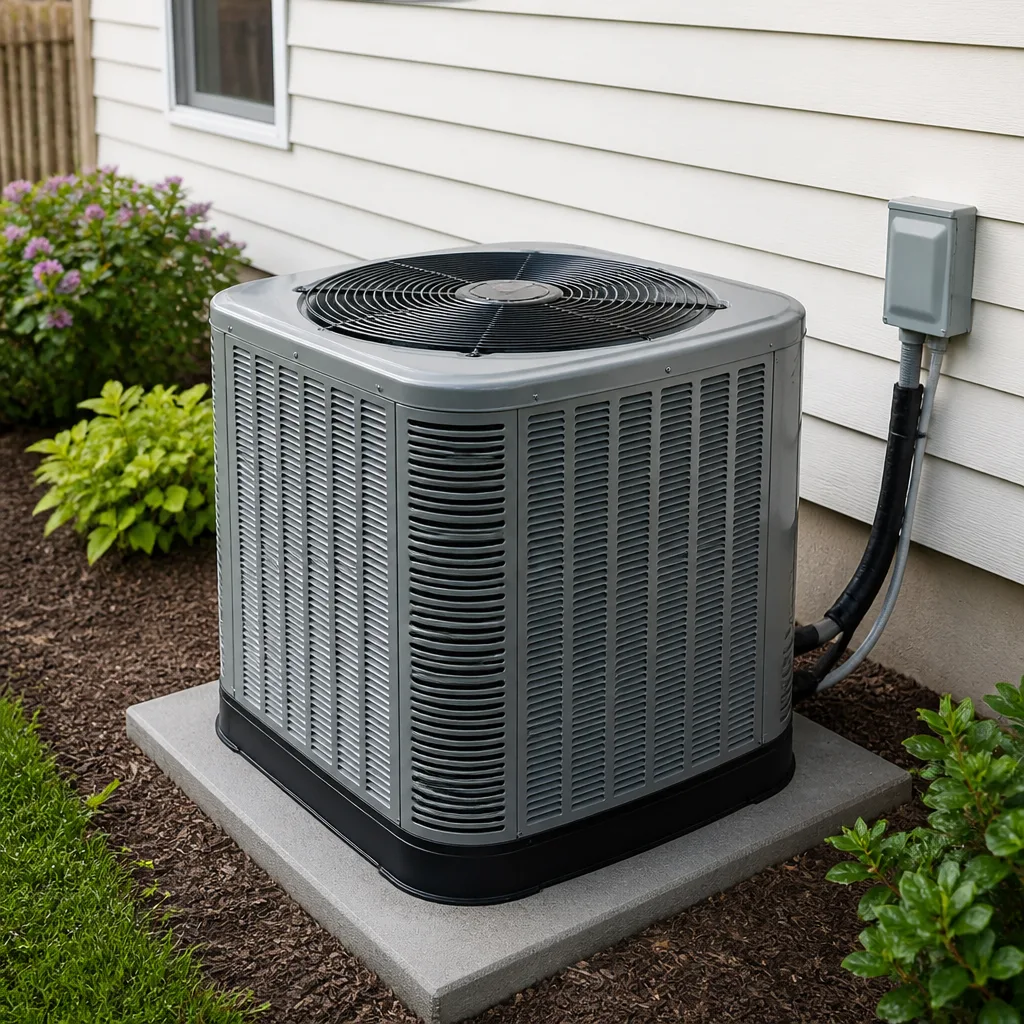 AC repair
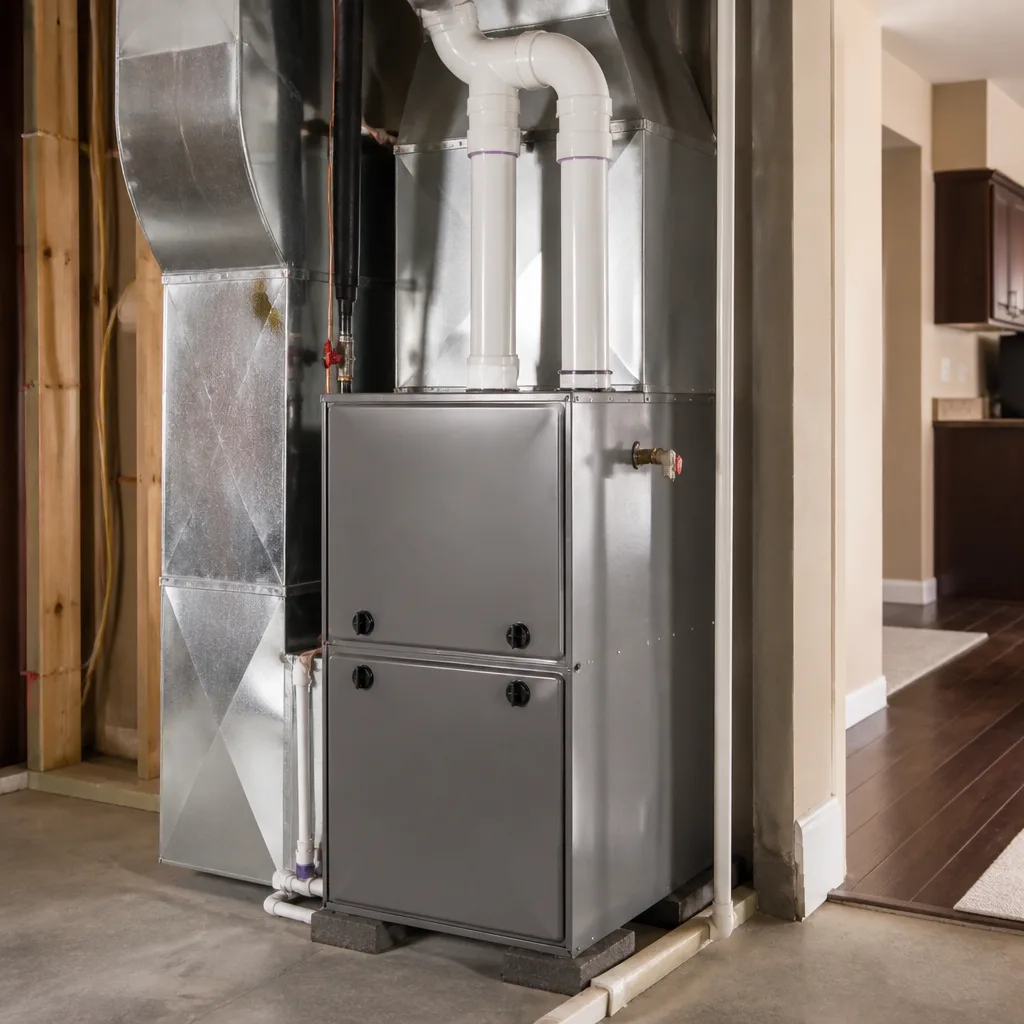 Furnace & heating
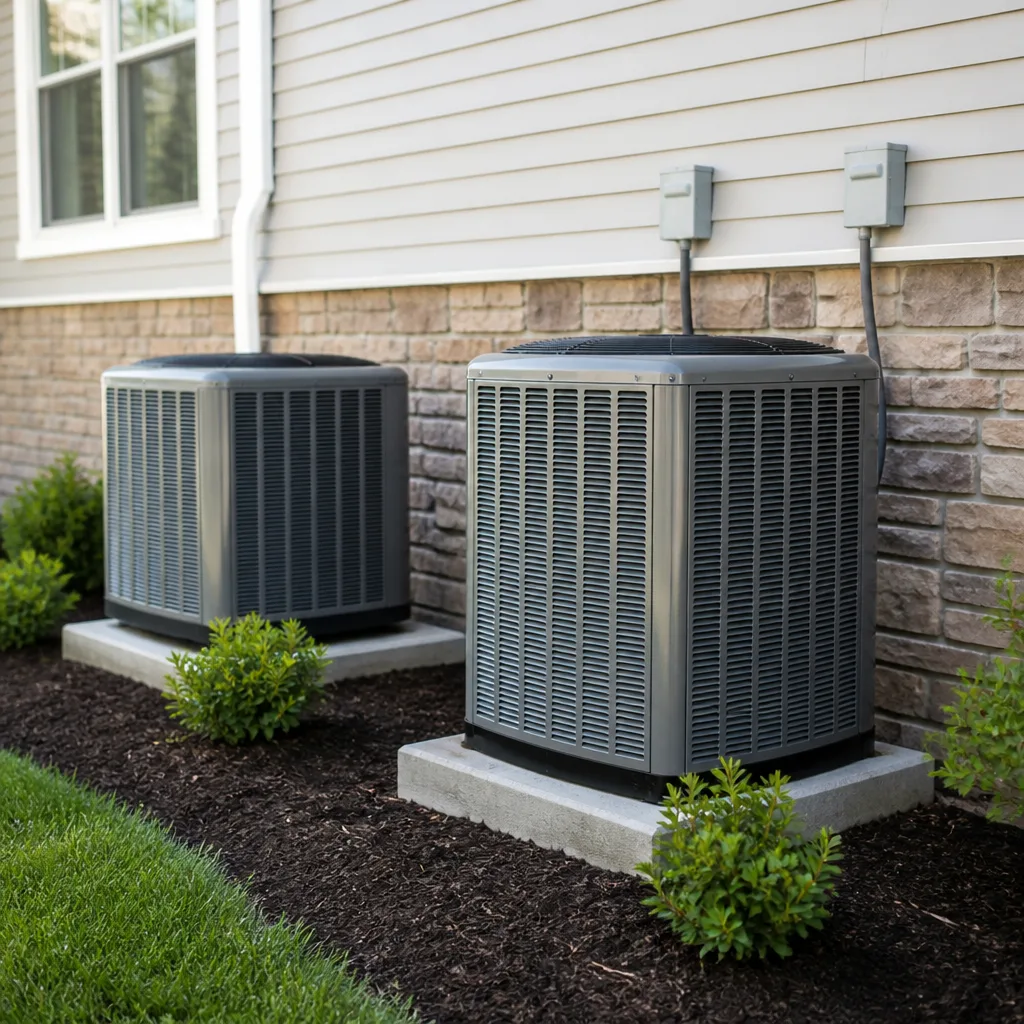 Heat pumps
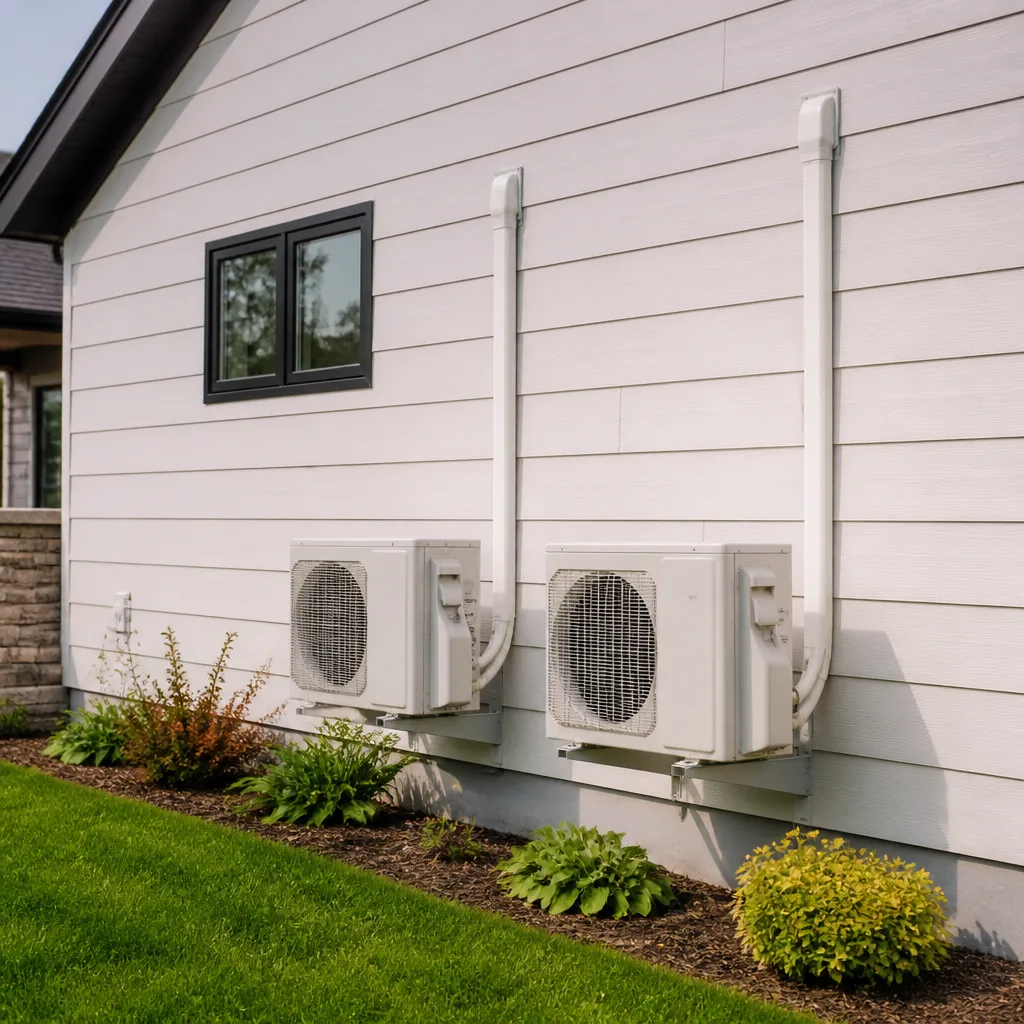 Ductless mini splits
 Carrier
 Trane
 Goodman
Seasonal tune-up and full diagnostic on your Carrier, Trane, or Goodman system - readings shown to you before any repair is proposed
Diagnosis first, numbers second - you approve the repair price before a single part goes in.
Get your free estimateHow to Hire an HVAC Contractor in Spring Valley: A Step-by-Step Guide
Nevada’s Contractors Board lets any homeowner look up an HVAC contractor’s license, bond status, and complaint history in about 90 seconds. Most homeowners have never done it. The ones who get burned by no-shows and bait-and-switch pricing almost always skipped that step. Spring Valley sits in one of the harshest cooling climates in the country, and a system that fails in July is not a small problem – it’s a health problem. This guide walks you through the exact vetting checkpoints: the state license lookup, Clark County permit history, phone questions that separate prepared contractors from dispatch mills, and the written price-lock you should never start work without. We’ll show you what to ask, what to demand in writing, and how to read a quote for signs it will cost you later.
Quick Answer
To hire an HVAC contractor in Spring Valley, verify the contractor’s C-21 license and bond status through the Nevada State Contractors Board before booking, confirm a Clark County permit was pulled for any installation or major repair, and insist on a written price confirmation that lists scope of work, parts with model numbers, and labor rate before any technician touches your equipment. If a contractor won’t give you those three things before work starts, walk away – there’s no legal leverage afterward. Dalton Heating & Air Spring Valley provides all three on every job, backed by a full-year written guarantee.
Styles & brands we work with
- AC repair
- Furnace & heating
- Heat pumps
- Ductless mini splits
- Carrier
- Trane
- Goodman
Table of Contents
- Step 1: Run the Nevada License Lookup Before You Call Anyone
- Step 2: Check Clark County Permit Pull History
- Step 3: The Phone Questions That Separate Prepared Contractors from Dispatch Mills
- Step 4: What a Written Price Confirmation Must Contain
- Red Flags Specific to Las Vegas Valley HVAC Contractors
- Why the Cheapest Bid in a Desert Climate Usually Costs More
- Step 5: Read the Guarantee Terms Before You Sign
- When to Call a Professional
Step 1: Run the Nevada License Lookup Before You Call Anyone
Every legitimate HVAC contractor working in Spring Valley holds a license from the Nevada State Contractors Board. Air conditioning and refrigeration work falls under the C-21 classification – that’s the specific license type for refrigeration and air conditioning. A general contractor’s license, a handyman exemption, or an out-of-state license number doesn’t cover it. If a company can’t tell you their C-21 license number on the phone, that’s your first disqualifier.
Here’s how to verify it. Go to the Nevada State Contractors Board website (nscb.nv.gov) and use the “License Lookup” tool. You’ll enter either the license number or the business name. The result page shows you field by field:
- License status – active, expired, suspended, or revoked. An expired license means they can’t legally contract work in Nevada right now.
- Classification – confirm C-21 appears. A C-2 (general building) or C-3 (general engineering) classification doesn’t authorize HVAC work on its own.
- Bond status – Nevada requires licensed contractors to carry a surety bond. If the bond shows as lapsed or the amount is below the requirement for their license monetary limit, that’s a red flag.
- Complaint history – the board publishes disciplinary actions. Multiple complaints in a short window, especially for workmanship or abandonment, tell you something the company’s website won’t.
- Monetary limit – this is the maximum contract value the contractor can legally take. If your job is a full system replacement and their limit is low, they may be operating outside their permitted scope.
In our experience, most Spring Valley homeowners have never run this lookup once. It takes a minute and a half. We’ve seen the same pattern repeatedly: the homeowners who end up with shifted prices and half-finished jobs are the ones who hired on a handshake and a phone quote. The lookup doesn’t cost anything, and it’s the single highest-value step in this entire guide.
Step 2: Check Clark County Permit Pull History
HVAC installations and major replacements in Spring Valley require a permit through Clark County. A permit isn’t just paperwork – it means the work gets inspected, and the inspection catches undersized equipment, improper refrigerant handling, and electrical connections that don’t meet code. Contractors who skip permits are cutting corners you’ll pay for later, and you’ll have no inspection record to fall back on if something fails.
How do you check? Ask the contractor directly for their permit history on similar jobs, then verify through Clark County’s online permit portal (search by contractor name or license number). What you’re looking for:
- Permits pulled for HVAC work in the last 12 months, not just one permit from three years ago.
- Permits for jobs in your neighborhood’s size and scope – a contractor who’s only pulled permits for single-room mini-splits may not have handled a full central system replacement.
- Permits that show “finaled” or “closed” status, meaning the work was inspected and passed. Open, expired permits mean the work was either incomplete or never inspected.
Spring Valley has a mix of older tract homes built in the 1980s and 1990s alongside newer construction, and both present different permit needs. Older homes often need electrical upgrades to support a modern system; newer homes may have code requirements around refrigerant handling that changed after the original build. A contractor who knows to ask about your home’s age before quoting is a contractor who’s pulled permits here before.
If you’re weighing a full system replacement against a repair, our guide to Heat Pump Installation in Spring Valley walks through what a permitted install actually involves in this market.
Step 3: The Phone Questions That Separate Prepared Contractors from Dispatch Mills
The phone call is where you learn whether the company is a prepared contractor or a dispatch mill. A dispatch mill routes your call to a call center, sends whatever technician is available, and often uses a separate billing entity. A prepared contractor answers your questions directly and can tell you what their technician will do before he arrives. Ask these questions before you book:
- “What’s your C-21 license number, and who answers the phone when I call back?” – You want the license number off the top of their head, and you want a live person on the line, not a voicemail tree.
- “Will you confirm the price in writing before the technician starts work?” – The answer should be yes, without qualifiers. No “usually” and no “for most jobs.”
- “Who will show up – an employee or a subcontractor?” – A prepared contractor knows their technicians. Background-checked employees are standard on a legitimate operation.
- “What brand equipment do you service?” – A trained technician can name the systems they work on. We’re factory-trained across nine major brands including Carrier, Trane, Lennox, and Goodman, and we can talk through each of them.
- “Is the repair guarantee in writing, and how long does it run?” – A verbal guarantee with no written term isn’t a guarantee. You want a specific length in a document you keep.
- “What happens if the repair fails while still under the guarantee?” – The answer should be a free return visit. If they hesitate, that tells you how they handle callbacks.
A dispatch mill stumbles on the first question and gets defensive on the second. A prepared contractor answers all six in under three minutes and offers to email the written terms before you commit. That difference is the entire hiring decision, and you’ll know it from one call.
Step 4: What a Written Price Confirmation Must Contain
The written price confirmation is the document that protects you. Nevada doesn’t mandate a specific format, so contractors set their own terms – which means a vague confirmation leaves you with no legal footing when the final bill arrives higher. A proper price confirmation for any HVAC job in Spring Valley should contain four mandatory elements:
- Scope of work in plain terms – what’s being repaired or installed, where, and what’s excluded. “Replace compressor” is not a scope. “Recover refrigerant, replace compressor assembly (model number listed), evacuate system, recharge to manufacturer spec, verify operation” is a scope.
- Parts with model numbers – every part gets a make and model listed. This protects you from a contractor who quotes one compressor and installs a cheaper unit. It also makes future warranty claims possible.
- Labor rate and total – the labor component itemized separately from parts, and the total you’ll pay stated in dollars. If the price can change, the document must say what triggers a change and who approves it before additional work begins.
- Change order terms – if the technician opens the system and finds something additional, the process should be: technician stops, explains the new finding, gets your written approval for the additional work and the additional price, then continues. No surprise costs at the door.
In our experience, the shift happens at the door when the confirmation was verbal. We operate under The Garrison Standard, which means the written price is in your hands before any work starts – not an estimate, not a range, a written price. That’s a standard we hold on every job because a verbal quote and a written quote are two different things, and only one of them protects you when the math at the end doesn’t match the math at the start.
For a job that’s heavy on repair rather than replacement, our AC Repair in Spring Valley page walks through exactly what gets diagnosed and priced before any work begins.
Red Flags Specific to Las Vegas Valley HVAC Contractors
The Las Vegas Valley has a specific pattern of contractor behavior around heat waves that Spring Valley homeowners see every year. After a sustained 110-degree week, the volume of emergency calls spikes, and companies that don’t normally operate here show up offering “emergency service.” Some of them are legitimate. Many aren’t. Here’s what to look for:
- Out-of-state LLCs registered recently – check the Nevada Secretary of State business search. A company whose LLC was registered in the last few months, especially in June or July, may not have a physical presence here and may be routing your work to whoever’s available. A C-21 license and a local registration aren’t the same thing.
- No Clark County permit pull history – a contractor who’s never pulled a permit in the county has never been inspected here. During a heat wave, out-of-state crews often skip permits to move faster. You end up with an unpermitted install and a system that may not pass inspection if you sell the home.
- Verbal “guarantees” with no written term – “We stand behind our work” is not a guarantee. A guarantee has a length, a scope, and a remedy. If they can’t put it in writing, it doesn’t exist legally.
- Quotes given without seeing the equipment – a price quoted over the phone without a site visit on a repair job is usually a starting number that grows. Oversized and undersized equipment both get quoted off a guess from a phone call, and both cause problems in a desert climate.
- Payment demanded upfront in full – a deposit on a special-order part is normal. Full payment before the work starts, especially from a company you’ve never verified, is not.
- No physical address or a PO box – a contractor who won’t tell you where they’re located, or who gives a mail drop, gives you no recourse if the job goes wrong.
None of these individually is proof of a bad actor. Two or three together, though, and you should slow down. In a Spring Valley summer, the urgency is real, and the pressure to book the first available crew is real. Slow down anyway. The 90-second lookup is still the best protection you have.
Why the Cheapest Bid in a Desert Climate Usually Costs More
The cheapest bid in a Las Vegas Valley climate is usually cheap because something was left out. Spring Valley’s design temperatures – the outdoor conditions a system is sized for – push equipment harder than most of the country. Undersized equipment runs longer, fails sooner, and costs more to operate. Here’s how undersizing shows up on a quote before you sign:
- No load calculation – proper sizing requires a Manual J load calculation based on your home’s square footage, insulation, window area, orientation, and occupant count. A quote that arrives with a tonnage number and no load calculation attached is a guess. In Spring Valley’s climate, that guess is frequently wrong on the high side or the low side, and both cause problems.
- Suspiciously low tonnage – an undersized system runs constantly to meet set temperature in peak summer, burning more electricity and wearing out the compressor early. It also never quite reaches set temperature in a 112-degree afternoon, which is how you end up with a system that “never worked right” from day one.
- Skipped refrigerant recovery – proper service involves recovering the refrigerant, not venting it. Venting is illegal under federal EPA rules, and it’s a shortcut that signals other shortcuts. If a quote doesn’t mention recovery in the service description, ask.
- No equipment model numbers on the quote – a quote that says “3-ton condenser” without a model number may be specifying a builder-grade unit and charging a premium price for it. Model numbers turn the quote into a verifiable document.
Our technical team is factory-trained across Carrier, Trane, Lennox, and other major brands, and the load calculation sits inside the written quote before you commit. The cheap bid is only cheap until it fails. A correctly sized system installed with a written price and a written guarantee is cheaper over its life, and that’s the only comparison that matters.
Step 5: Read the Guarantee Terms Before You Sign
A guarantee is a written document with a term, a scope, and a remedy. Read all three before you sign anything. The term tells you how long you’re covered – a 30-day labor window is not the same as a full year. The scope tells you what’s covered – labor only, parts only, or both? The remedy tells you what happens when the repair fails – a free return visit, a refund, or a shrug.
What a proper guarantee looks like in Spring Valley:
- The term in writing – a specific number of days or a full year. If the document doesn’t state it in days or months, it’s not enforceable.
- The remedy is a return visit at no charge – if the repair fails within the guarantee period, the contractor comes back and makes it right. Not a discounted visit, not a “we’ll look at it” – a free return trip.
- The guarantee travels with the document – you keep a copy. If a company won’t hand you a written guarantee, that’s the moment to ask why.
Furnace work in particular gets misrepresented in guarantee terms. If you’re comparing options on the heating side, our Furnace Repair in Spring Valley page breaks down what’s typically covered and for how long. A full-year written guarantee on every repair is standard under The Garrison Standard, and it’s included with every service call rather than offered as an upgrade. The difference between a 30-day window and a 365-day promise is the difference between a company that expects the repair to hold and a company that hopes it doesn’t come back to them.
When to Call a Professional
Some HVAC problems are homeowner-fixable: a tripped breaker, a clogged filter, a thermostat set to the wrong mode. Most aren’t. Call a licensed professional when the system isn’t cooling after a filter change and a thermostat check, when you hear grinding or clicking from the outdoor unit, when the system trips the breaker repeatedly, when you smell gas near a furnace, or when refrigerant lines show ice buildup. Call immediately if a furnace is producing any combustion smell – that’s a safety issue, not a maintenance issue, and a trained technician should handle it. In Spring Valley, a failed system in peak summer or a failed furnace in a cold snap is a health risk for anyone elderly, very young, or with breathing conditions. Dalton Heating & Air Spring Valley offers free estimates in Spring Valley – call (888) 268-6106 and we’ll get a written price in your hands before any work starts.
See the difference
 Before
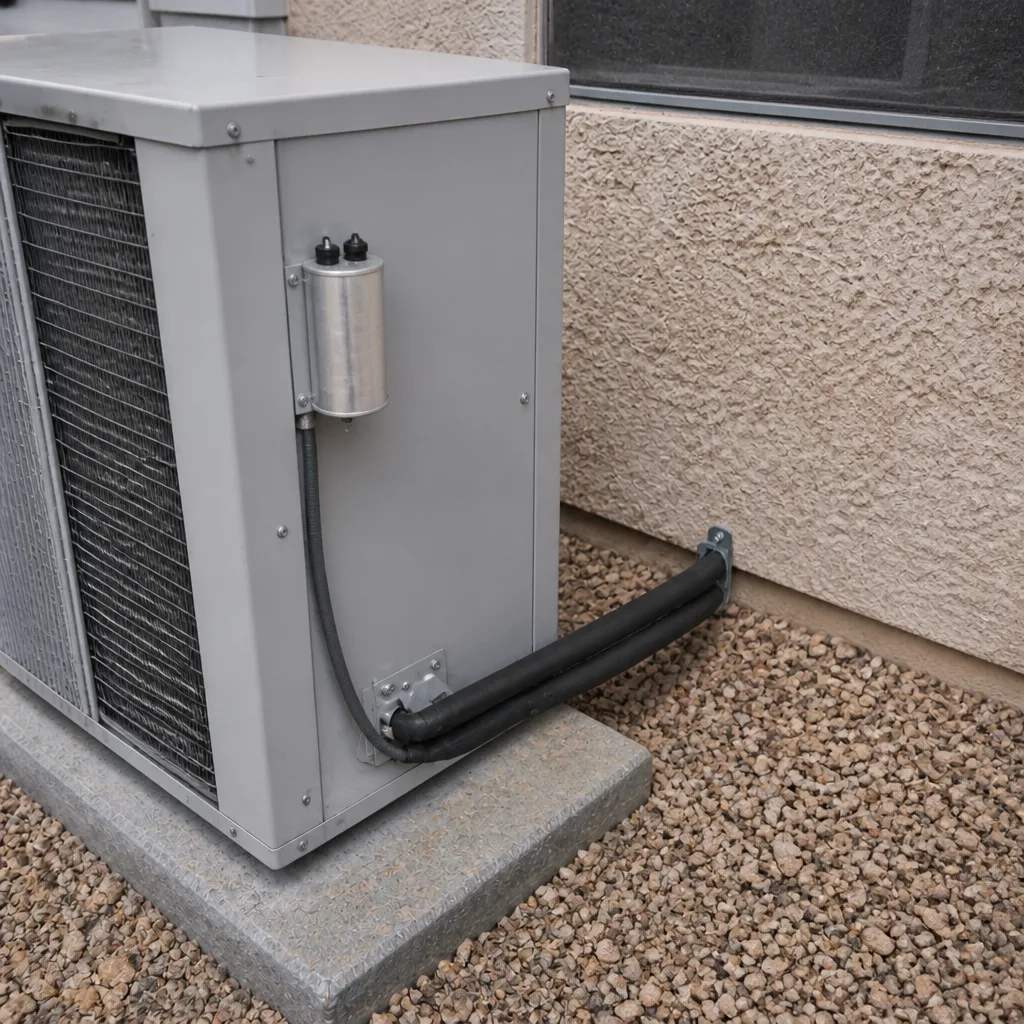 After
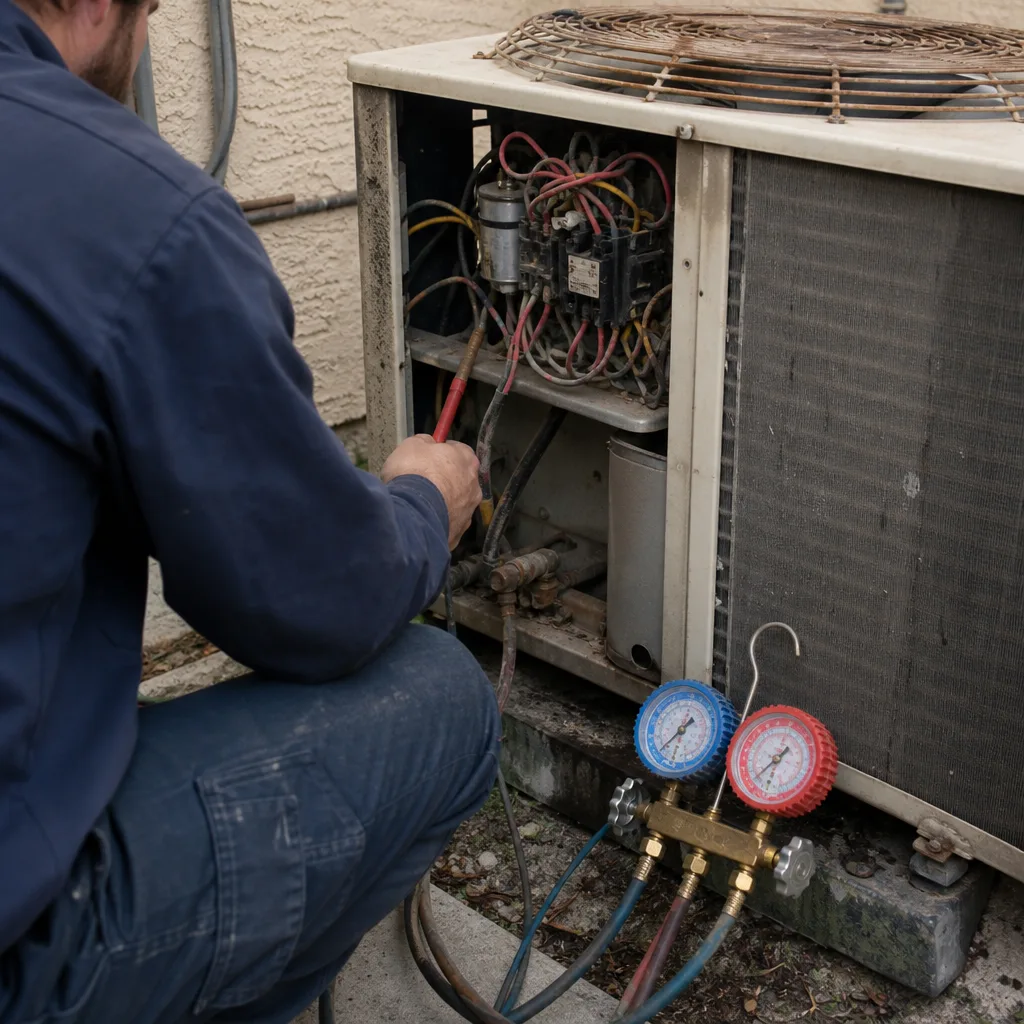 Before
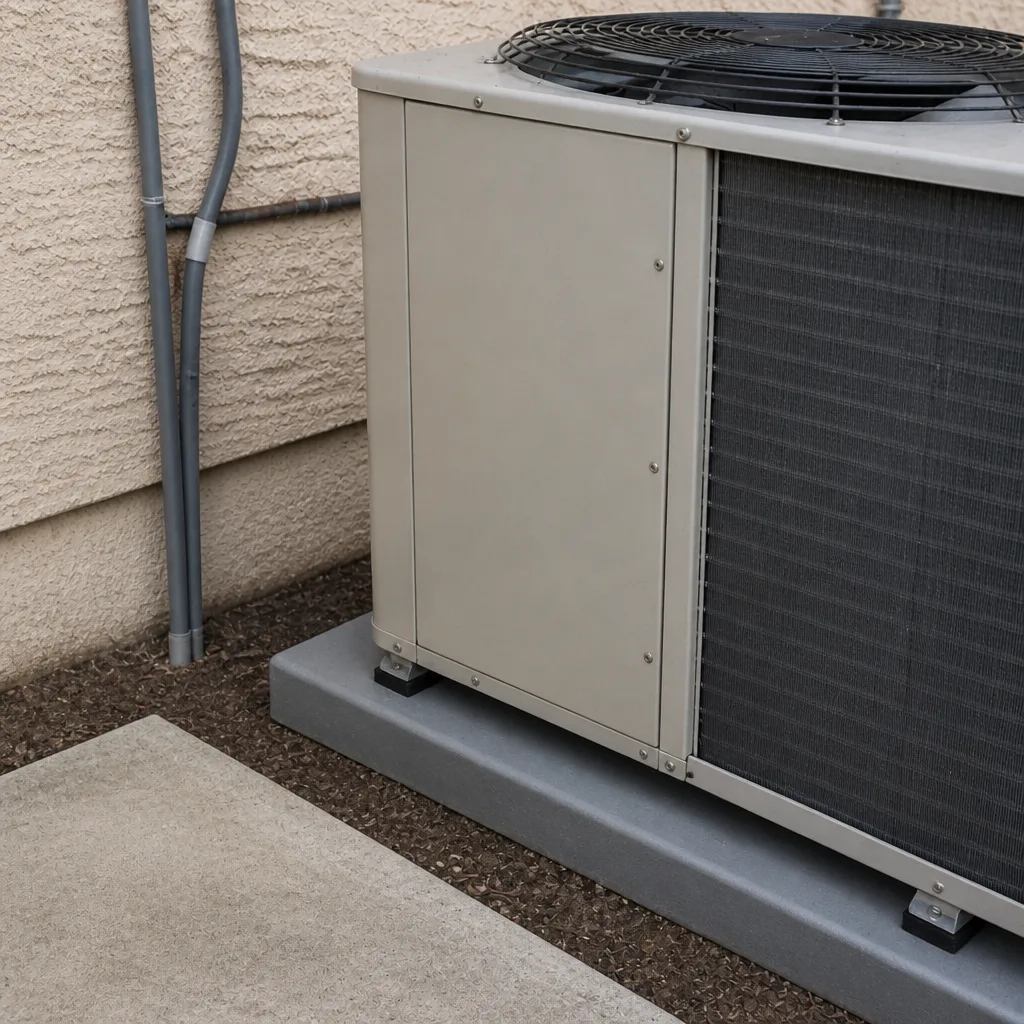 After
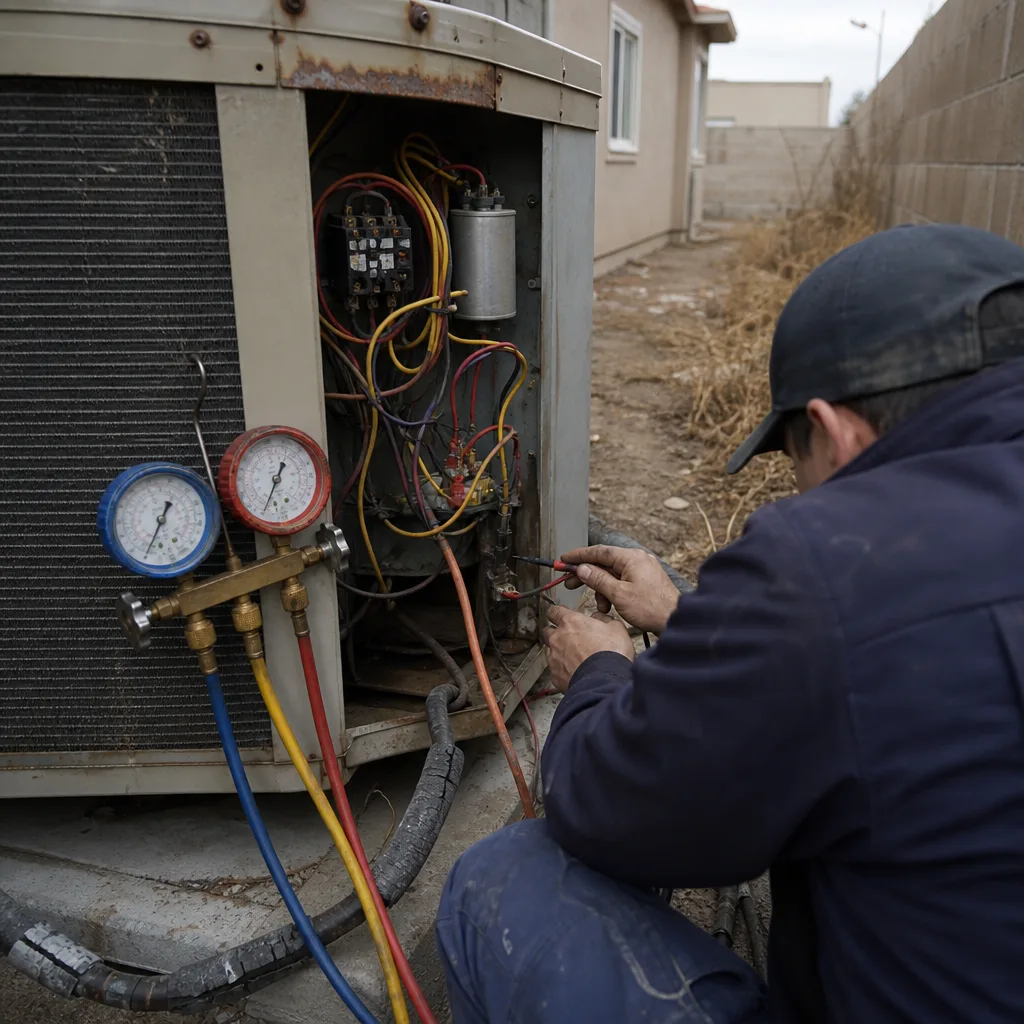 Before
 After
Frequently Asked Questions
Go to the Nevada State Contractors Board website, use the License Lookup tool, and enter the contractor’s license number or business name. Confirm the license is active, the classification is C-21 (refrigeration and air conditioning), the bond status is current, and the complaint history is clean. The lookup takes about 90 seconds and it’s free. Any legitimate HVAC contractor in Spring Valley should be able to give you their license number on the phone before you book. Call (888) 268-6106 for a free estimate once you’ve verified.
A proper written estimate lists the scope of work in plain terms, every part with a make and model number, the labor rate and labor total, the final dollar price, and the change order procedure if the technician finds something additional. In our experience, the price shift at the door happens when the estimate was verbal. Insist on all four elements in writing before any work starts. Call (888) 268-6106 with questions about our written pricing – estimates are free.
Quotes differ because the scope, equipment models, and included labor vary widely – and because some contractors quote low and add costs at the door. A quote without a load calculation, without equipment model numbers, and without refrigerant recovery listed is a quote that will likely change. Compare quotes by scope, not by bottom-line number. Call (888) 268-6106 for an upfront price in writing.
Repair if the system is under 10 years old and the repair cost is under a third of replacement cost. Replace if the system is over 15 years old, uses R-22 refrigerant, or has needed two or more major repairs in the last three years. In Spring Valley’s climate, systems run harder and often age faster than the national average. Our team can walk you through the numbers on a service call. Call (888) 268-6106 for a free estimate.
Yes. AC replacement and major installations in Spring Valley require a permit through Clark County. The permit triggers an inspection, which catches undersized equipment, improper electrical connections, and refrigerant handling issues. A contractor who won’t pull a permit is a contractor whose work you can’t verify. Ask for their permit history before you book. Call (888) 268-6106 with questions about permitting on a replacement job.
Repair calls can often be handled same-day when you call early, and emergency service is available around the clock – a live person answers the phone, not a voicemail queue. System replacements are load-calculated, ordered, and scheduled, so they don’t happen same-day. If your system has failed in peak summer or your furnace has failed in a cold snap, call (888) 268-6106 and we’ll confirm the soonest available visit. Estimates are free.
The Bottom Line
Hiring an HVAC contractor in Spring Valley comes down to three checkpoints: verify the C-21 license through the Nevada State Contractors Board before you book, confirm the Clark County permit history on installation and major repair work, and insist on a written price confirmation with scope, model numbers, labor rate, and change order terms before any technician starts. Skip any one of those steps and you’re left with no legal leverage if the job goes sideways. The contractors who pass all three are the ones who show up on time, price it in writing, and stand behind the work for a full year. That’s the standard we hold, and it’s the standard worth demanding from anyone you hire in Spring Valley.
If you’d rather skip the vetting process and work with a contractor that puts all three checkpoints in writing on every job, call us. Dalton Heating & Air Spring Valley answers the phone with a live person 24/7, offers free estimates across Spring Valley and the surrounding valley, and backs every repair with a full-year written guarantee plus a free return visit if the work doesn’t hold. Call (888) 268-6106 for your free estimate – we’ll put the price in writing before any work begins. Start with Dalton Heating & Air Spring Valley home if you’d like to see what else we handle.
Written by the team at Dalton Heating & Air Spring Valley.