
Last updated November 17, 2026
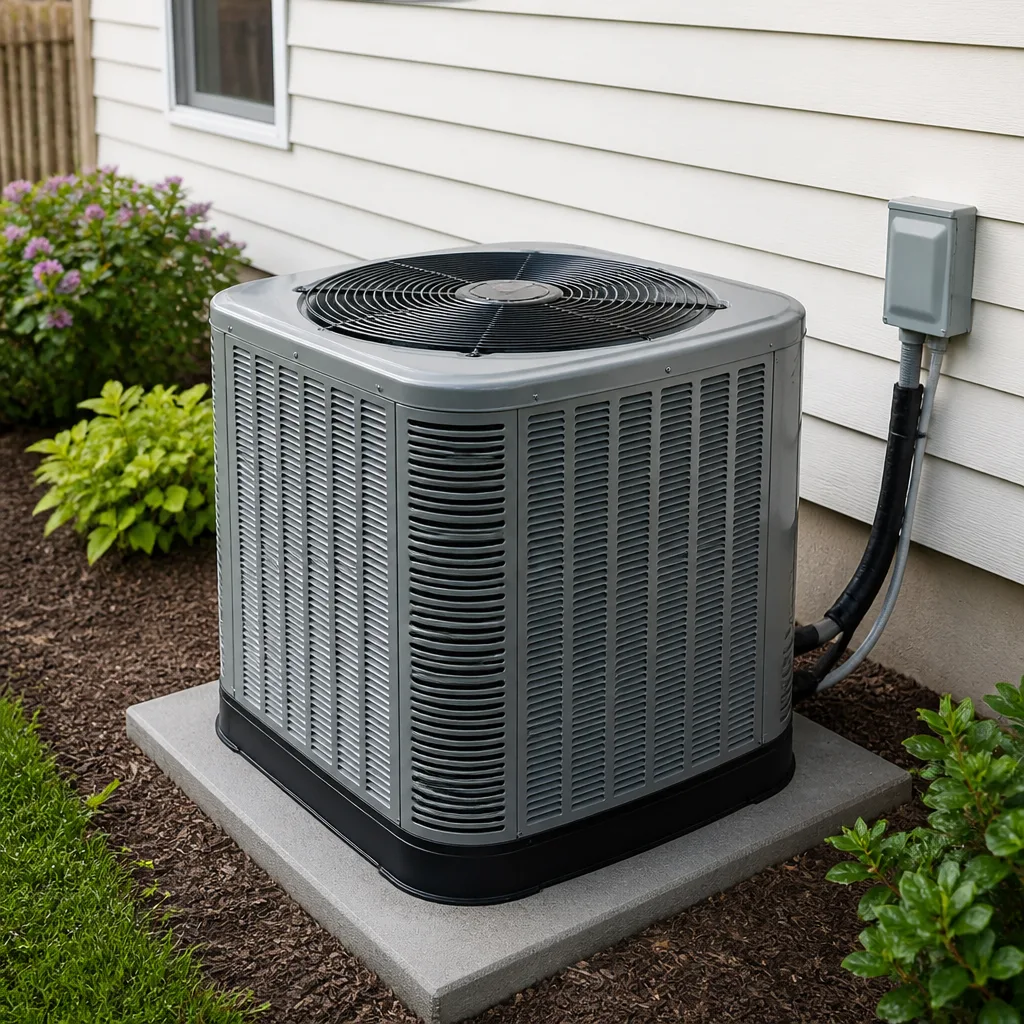 AC repair
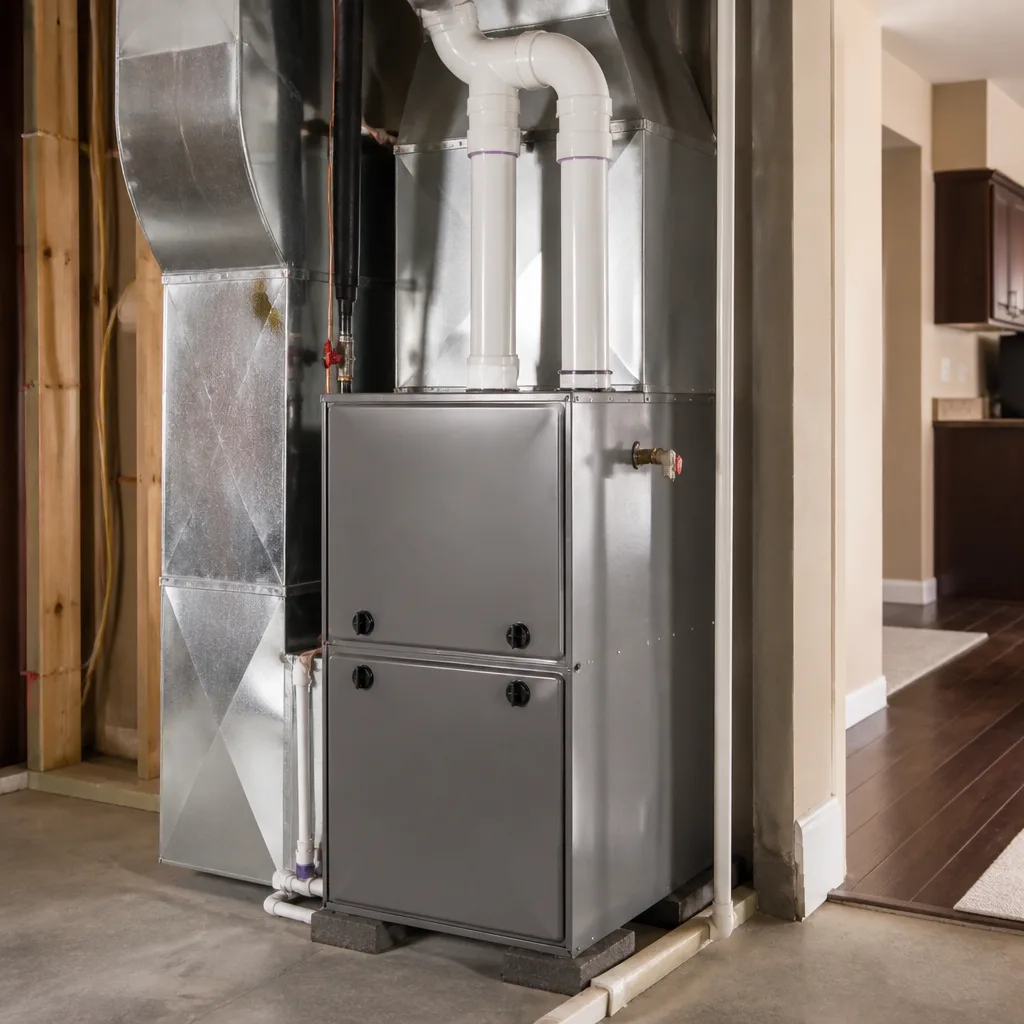 Furnace & heating
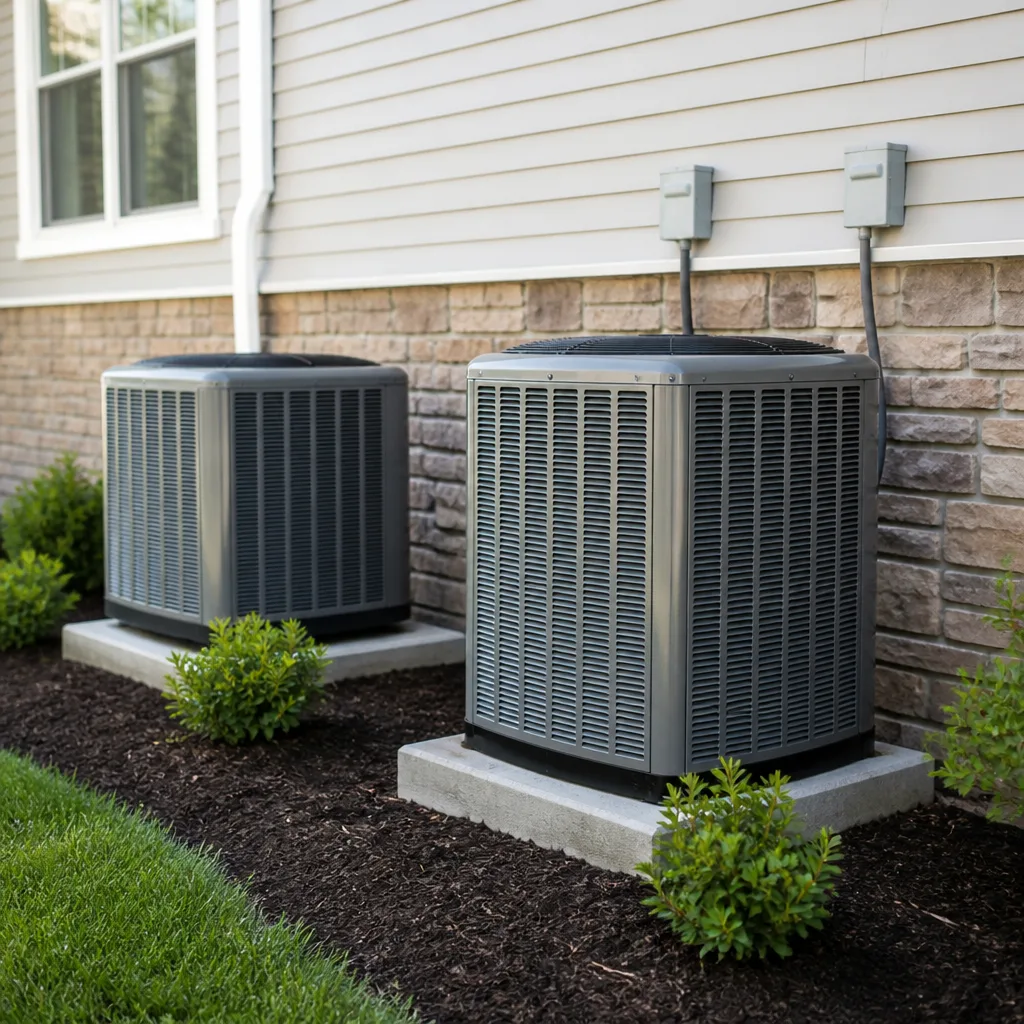 Heat pumps
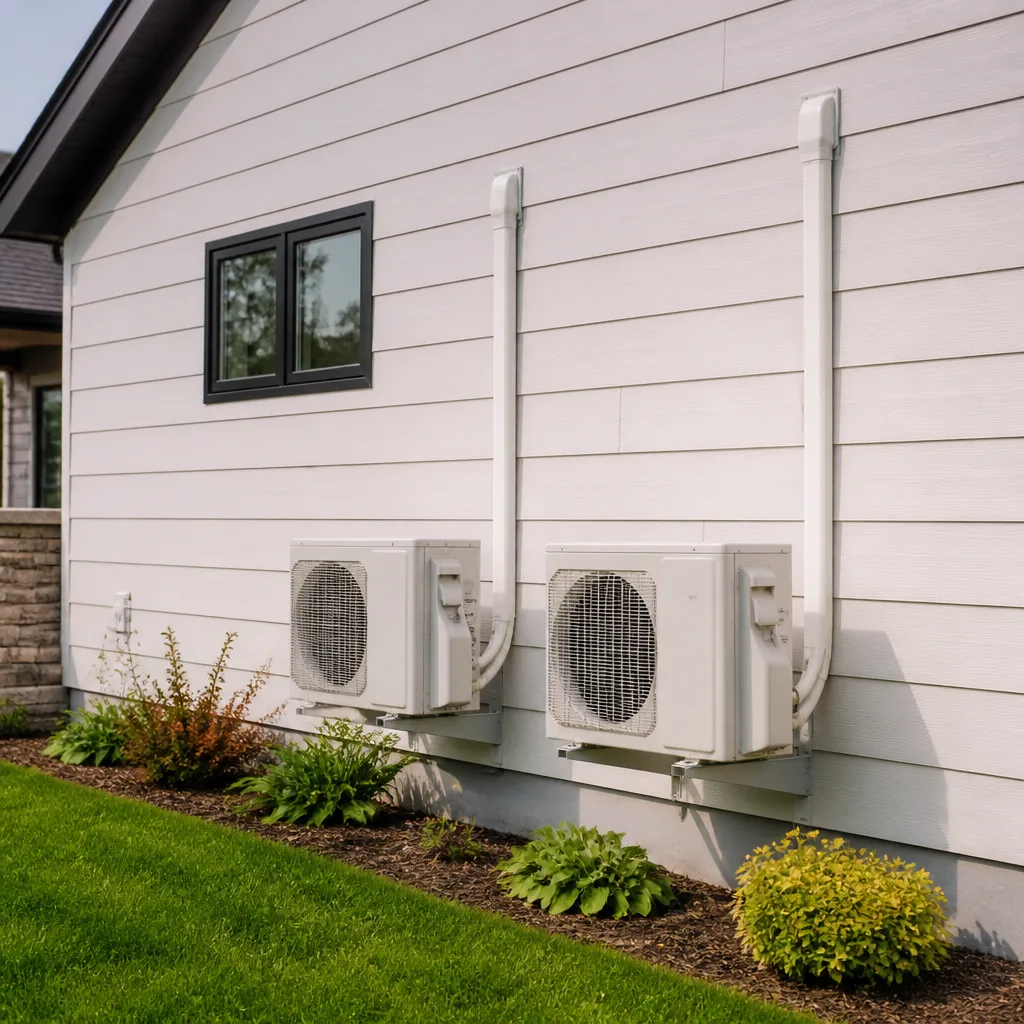 Ductless mini splits
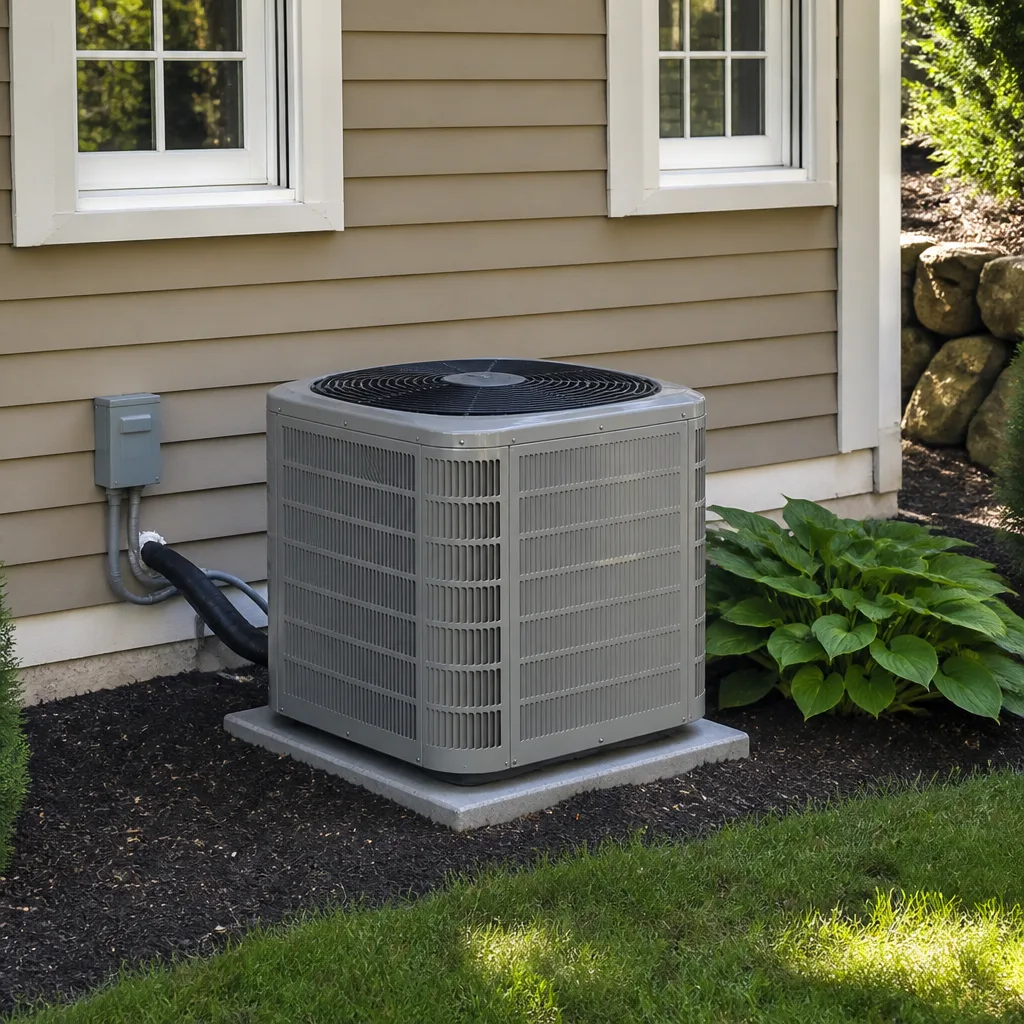 Carrier
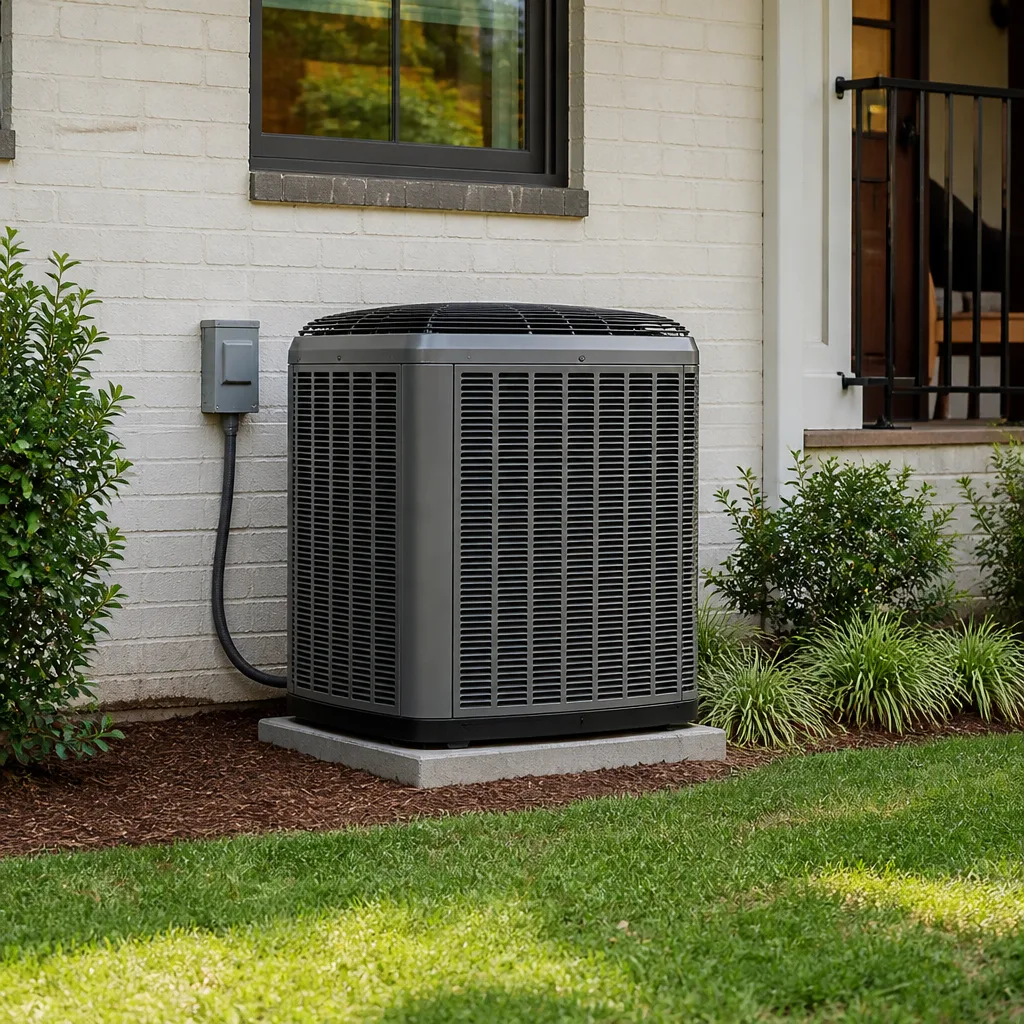 Trane
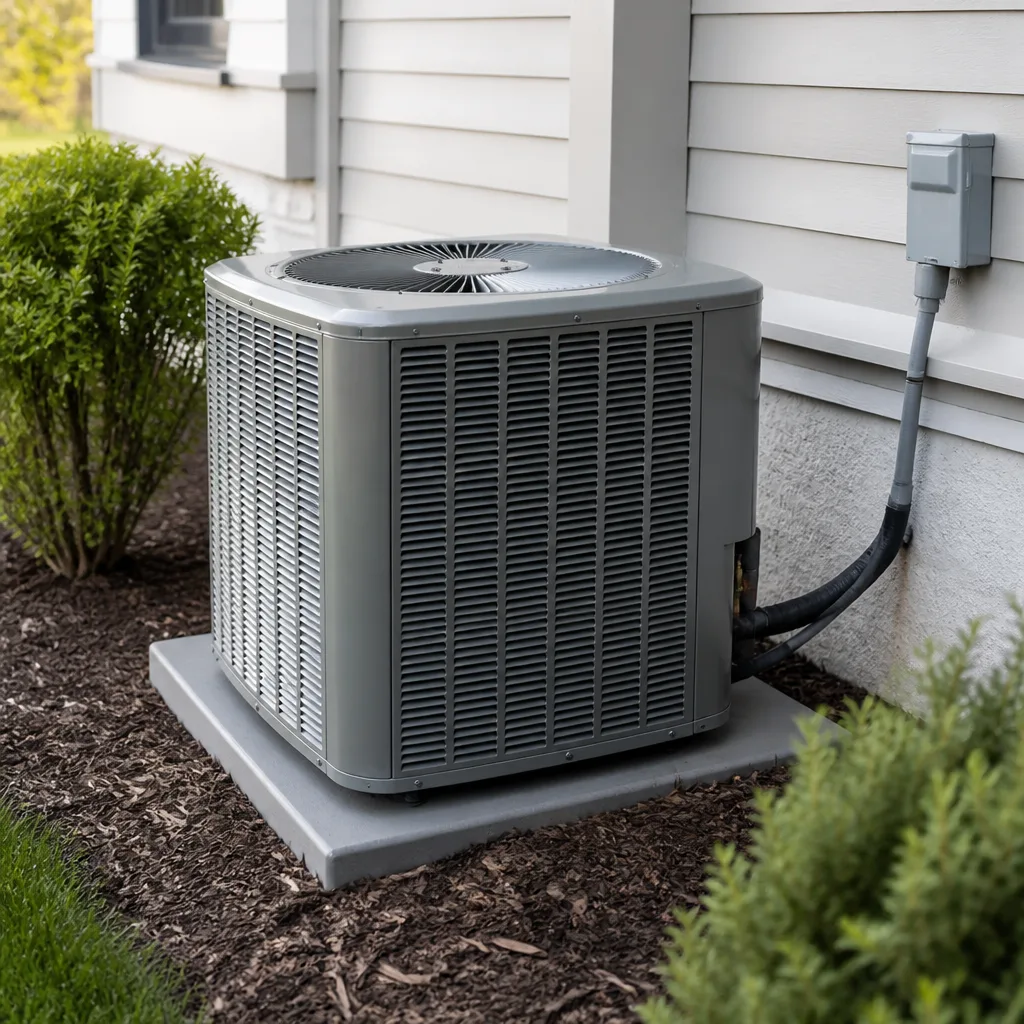 Goodman
Seasonal tune-up and full diagnostic on your Carrier, Trane, or Goodman system - readings shown to you before any repair is proposed
Diagnosis first, numbers second - you approve the repair price before a single part goes in.
Get your free estimateDIY vs Professional AC Repair: What’s Safe to Do Yourself
Replacing a dual-run capacitor is a 15-minute job that costs $8 – $25 in parts. Do it without documenting the microfarad rating printed on the old part, install the wrong value, and you can destroy a new compressor within one cooling season. That compressor is a $3,000 component on many systems. The task itself is easy. The gotcha lives in one number on a label most homeowners never think to read. That single example is why the real DIY-versus-pro line isn’t about whether you’re handy. It’s about liability and warranty: what voids your coverage, what puts an insurance claim at risk, and what federal law flatly forbids you from touching. This guide draws that line task by task, with the Spring Valley climate and Nevada rules in mind.
Quick Answer
The only AC repairs generally safe to DIY are low-voltage, no-refrigerant jobs done with the breaker off: swapping the air filter, clearing the condensate drain line, cleaning the outdoor condenser coil, and resetting a tripped breaker. Replacing a capacitor is a gray zone – legal for a homeowner, but easy to get wrong in ways that void equipment warranties. Anything involving refrigerant, the compressor, control boards, or gas is a licensed-pro job, and refrigerant handling is illegal without EPA Section 608 certification. When in doubt, call a pro before you touch it.
Styles & brands we work with
- AC repair
- Furnace & heating
- Heat pumps
- Ductless mini splits
- Carrier
- Trane
- Goodman
Table of Contents
- The Definitive Safe/Unsafe Task List
- Why Refrigerant Is a Hard Legal Line (EPA Section 608)
- Capacitor Replacement: The Exact Steps Most Videos Skip
- How DIY Electrical Work Affects Your Insurance Claim
- Which Manufacturer Warranties Get Voided, and How
- Jobs Where a Pro’s Time Costs Less Than Your Risk
- What Spring Valley Homeowners Specifically Face
The Definitive Safe/Unsafe Task List
Most “can I DIY this?” questions have a clean answer once you sort tasks by two factors: whether refrigerant is involved, and whether the work is high-voltage. If a job touches neither, it’s usually within reach. If it touches either, it’s a licensed job. Here’s the split as we apply it on Spring Valley service calls.
Safe to do yourself (breaker off, no refrigerant)
- Replacing the air filter every 1 – 3 months – the single biggest cheap win in a desert climate.
- Clearing a clogged condensate drain line with a wet/dry vacuum or a short flush.
- Cleaning the outdoor condenser coil with a garden hose and coil cleaner.
- Straightening bent condenser fins with a fin comb.
- Resetting a tripped breaker once (and only once – repeated trips mean a real fault).
- Checking and re-sealing duct connections you can safely reach.
Gray zone – legal for a homeowner, but easy to get wrong
- Capacitor replacement (see the step-by-step below – the risk is real).
- Replacing a contactor or a simple relay.
- Swapping a thermostat (low-voltage, but wiring mistakes are common).
Not safe to do yourself – licensed pro only
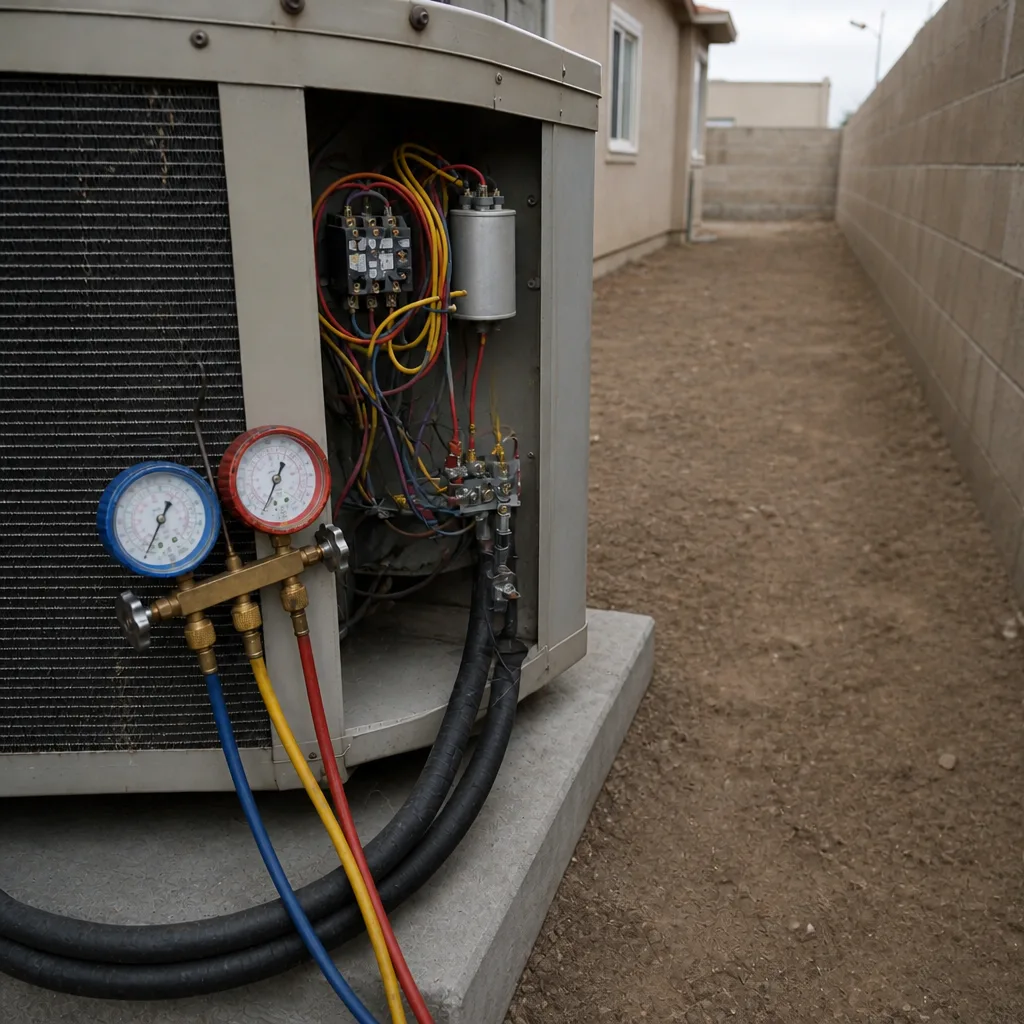
- Any refrigerant recharge, recovery, or leak repair (federal law, covered below).
- Compressor replacement.
- TXV (thermostatic expansion valve) replacement.
- Control board swaps on modern variable-speed equipment.
- Anything involving the gas furnace or the electrical panel’s high-voltage feed.
Notice the pattern: as soon as you cross into sealed refrigerant or line-voltage control equipment, the math flips. That’s the backbone of our AC Repair in Spring Valley approach – we tell people plainly which side of the line their problem sits on before anyone books a visit.
Why Refrigerant Is a Hard Legal Line (EPA Section 608)
There is no gray area on refrigerant. Under EPA Section 608 of the Clean Air Act, anyone who maintains, services, repairs, or disposes of equipment that could release ozone-depleting refrigerants into the atmosphere must be certified. That includes topping off the refrigerant in a home AC. Buying a can of R-410A or R-22 and adding it yourself is not a shortcut – it’s a violation, and it’s also the fastest way to kill a system.
Why the law exists isn’t just environmental. It’s that “topping off” refrigerant – called a recharge – almost always masks a leak. Refrigerant doesn’t get used up like fuel; if it’s low, it escaped somewhere. A certified technician recovers the old charge, pressure-tests to find the leak, repairs it, evacuates the lines with a vacuum pump to remove moisture, and only then recharges to the weight listed on the unit’s data plate. Skipping the evacuation step traps moisture and acid in the system, which eats the compressor from the inside. We’ve seen Spring Valley homeowners chase a $40 “recharge kit” down to a $1,800 compressor replacement in a single summer.
The practical rules for a homeowner:
- You cannot legally buy or handle regulated refrigerants without certification.
- You cannot legally recover refrigerant from a system – that requires recovery equipment and certification.
- If your system is low, the only correct fix starts with finding and repairing the leak.
If you suspect low refrigerant – the symptom is warm air from the vents with the system running hard – the honest move is a diagnostic, not a can from a big-box store. A proper AC repair call handles the leak test and the recharge together. Our Dalton Heating & Air Spring Valley home page lays out what the initial diagnostic covers.
Capacitor Replacement: The Exact Steps Most Videos Skip
A run capacitor is the small cylindrical part that gives the compressor and fan motor their starting kick. When it fails – and in Spring Valley’s triple-digit summer heat, they fail often – the outdoor fan won’t spin and the compressor hums and trips. The parts cost $8 – $25. The job takes about 15 minutes. It is also the repair where confident DIYers most often cause expensive damage, because the one step that matters is the one most videos glide past: discharging the capacitor.
A capacitor stores a charge even after the power is off. Touching the terminals with a bare hand can shock you, and the charge can hold for a while after the breaker is cut. Here is the process, in order, with the safety step included:
- Kill power at the breaker, not just the thermostat. Confirm the outdoor unit is dead.
- Take a photo and read the old part’s label – the microfarad (µF) rating and the voltage rating. Both must match the replacement exactly. A wrong µF value strains the compressor and motor.
- Discharge the capacitor by bridging its terminals with an insulated screwdriver (grip the insulated handle, not the metal). This drains the stored charge safely.
- Label and remove the wires – note which terminal each wire lands on before you pull them.
- Install the new capacitor with the same µF and same or higher voltage, reconnect the wires to the matching terminals, and secure the mount.
- Restore power and watch the fan spin up. If it doesn’t, stop and call a pro.
That step-three discharge is where DIYers get hurt or, worse, get it wrong and turn a $20 fix into a compressor failure. The microfarad number on the old part is the whole game – buy a capacitor with a different µF and you’ve made the system worse while it looks like it’s running. Doing this correctly, with the right part and the discharge step, is genuinely within reach for a careful homeowner. We’re not going to pretend otherwise. But if any part of that sequence feels like guesswork, the honest call is a technician. Our team handles these on Spring Valley calls regularly, and the part-and-labor price is written down before anything starts.
How DIY Electrical Work Affects Your Insurance Claim
This is the consequence homeowners rarely think about until it’s too late. If you do your own electrical work on the AC and a fire results, your homeowner’s insurance may reduce or deny the claim – because the insurer can argue the damage came from non-permitted, non-professional work. Nevada homeowner policies commonly contain clauses requiring that work on systems be done by licensed professionals, and unpermitted electrical work can become a coverage fight.
Here’s the plain version of how that plays out. A capacitor or contactor you installed yourself fails and starts a fire. The adjuster investigates, finds the work wasn’t done by a licensed tech, and the claim gets contested on the grounds that the loss stemmed from non-compliant work. You’re now arguing with your own insurer over damage to your home – while the original repair would have cost a couple hundred dollars done professionally. The risk-to-savings ratio is upside down.
Some homeowners ask whether a permit is needed for AC repair in Nevada. Minor like-for-like part swaps generally don’t trigger a permit, but new circuits, panel work, and anything requiring inspection do. A licensed pro knows which side of that line a job sits on. If you’re unsure whether your repair needs a permit, that uncertainty alone is a reason to have a licensed technician look at it. The written price and written guarantee we provide mean the liability sits with us, not with your insurance policy.
Which Manufacturer Warranties Get Voided, and How
This is the thesis of this whole guide: the repair you do yourself can void a warranty worth far more than the repair. Most residential equipment carries a parts warranty – often 5 to 10 years on the compressor and other components – and those warranties commonly require that installation and repairs be performed by a licensed contractor. Do the work yourself, or have an unlicensed handyman do it, and the manufacturer can deny a future claim on the grounds of improper service.
It’s manufacturer-specific in the details, but the pattern is consistent across the major brands we service:
- Carrier and Bryant equipment warranties typically require licensed professional installation and service; DIY repairs can void parts coverage on the affected components.
- Trane warranties generally hinge on professional installation and proper service records.
- Lennox equipment follows the same licensed-service requirement on registered warranties.
- Rheem and Goodman warranties also commonly require licensed installation and repair.
The catch is subtle. A DIY capacitor swap that “works” may still void the warranty on the compressor it touches – so when that compressor fails two summers later, you’re paying for a $3,000 part that warranty would have covered. We service all of these brands and can tell you, based on your specific model and registration, exactly what a given repair does to your coverage before you decide. If you’re weighing a heat pump upgrade, our Heat Pump Installation in Spring Valley page covers how warranties and rebates interact on new equipment.
Jobs Where a Pro’s Time Costs Less Than Your Risk
Some jobs look approachable and aren’t. The parts are cheap, the videos are confident, and the downside is a four-figure mistake. These are the ones where hiring a pro is the cheaper choice, even before you count the risk.
- TXV replacement. The thermostatic expansion valve meters refrigerant into the evaporator coil. Replacing it means recovering the refrigerant, cutting into the sealed system, brazing, evacuating, and recharging. That’s a certified-technician job end to end, and one wrong braze ruins the charge.
- Refrigerant recharge. Illegal to DIY, as covered above, and the “top-off” most people picture is the wrong fix anyway. A proper recharge finds and repairs the leak first.
- Control board swaps. Modern variable-speed systems use boards that talk to each other over low-voltage communication. Swap the wrong board or misconnect a terminal and you can fry the new board and the motor driver with it. The board itself can run several hundred dollars.
The general rule: if the repair touches the sealed refrigerant circuit or the system’s control electronics, the pro’s labor is a small fraction of what a mistake costs. A failed furnace repair in the same house follows identical logic – that’s why we handle both. Our Furnace Repair in Spring Valley page walks through which furnace jobs carry the same “not worth the risk” label.
What Spring Valley Homeowners Specifically Face
Spring Valley summers push 110°F, and that heat is hard on capacitors, contactors, and compressors. We see capacitor failures spike in June and July, and we see condensate lines clog more here than in cooler climates because the system runs flat out and pulls more moisture out of the air. Those two realities shape which DIY tasks are worth attempting: filter changes and drain-line clearing go a long way in a Spring Valley home, because both prevent the failures that heat accelerates. The flip side is that the equipment runs near its limit for months, so a small DIY misstep has less margin before it becomes a breakdown. When your system is working hard for weeks on end, the cheapest insurance is a correctly sized filter and a clear drain – and a pro on the phone the moment the fan stops spinning or the breaker keeps tripping. That’s where our 24/7 live phone line matters; a failed AC in a Spring Valley July isn’t a wait-until-Monday problem.
Common Mistakes to Avoid
- Skipping the capacitor discharge. Most videos go straight from “turn off the breaker” to “remove the part” – the stored charge can still shock you. Bridge the terminals with an insulated screwdriver first.
- Buying a capacitor with the wrong microfarad rating. Match the µF printed on the old part exactly; a mismatch strains the compressor and motor.
- Topping off refrigerant yourself. It’s illegal without certification and it hides the leak that actually needs fixing.
- Replacing a capacitor on a system under warranty without documenting it. Undocumented DIY work on a covered component gives the manufacturer grounds to deny a future claim.
- Resetting a tripped breaker more than once. A breaker that keeps tripping is telling you there’s a real electrical fault – stop and get it diagnosed.
- Cleaning the condenser coil with a pressure washer. High pressure bends the fins and can damage the coil; a garden hose and coil cleaner are enough.
- Ignoring a clogged condensate line in summer. In Spring Valley heat, a backed-up drain can trip the float switch and shut the system down mid-heatwave.
See the difference
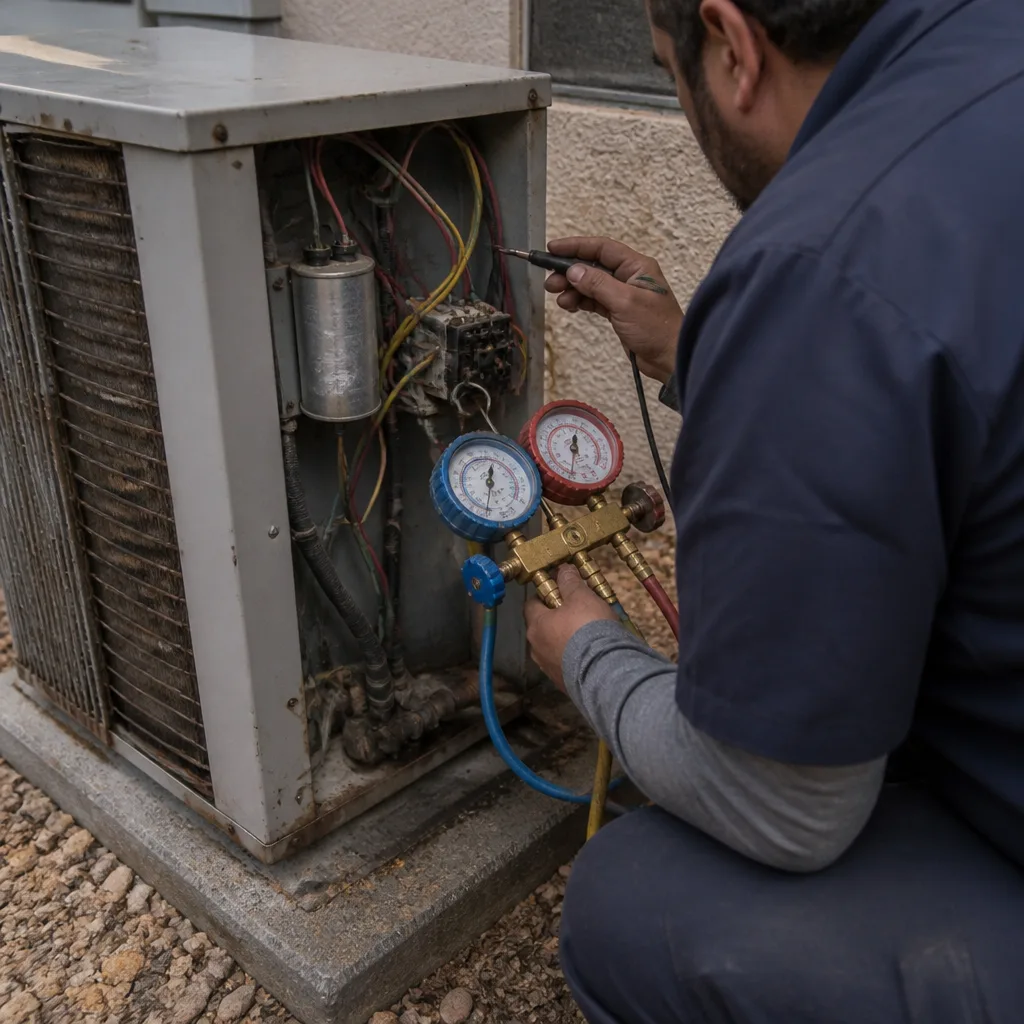 Before
 After
 Before
 After
 Before
 After
When to Call a Professional
Call a licensed technician when the job involves refrigerant, the compressor, control boards, or the gas furnace – and when a breaker trips repeatedly, the outdoor fan won’t spin after a filter change, or you smell burning at the disconnect. Those are the moments where a professional’s time is cheaper than the downside of guessing. Dalton Heating & Air Spring Valley offers free estimates in Spring Valley – call (888) 268-6106. Every job comes with the price in writing before any work starts and a written guarantee on the repair, and if the work fails within the guarantee period we return at no charge. Our technicians are background-checked and factory-trained across the major brands, including Trane, Lennox, Rheem, and Goodman.
Frequently Asked Questions
No. Under EPA Section 608, anyone who services equipment that could release regulated refrigerant must be certified, and that applies in Nevada just as everywhere else. Adding refrigerant yourself is a violation, and it usually hides a leak that a technician needs to find and repair before recharging.
It can be, if you kill the breaker, discharge the capacitor across its terminals with an insulated screwdriver, and match the exact microfarad rating on the old part. Get the discharge or the µF value wrong and you risk a shock or compressor damage – which is why many homeowners hand it to a pro.
Often, yes. Most major-brand parts warranties – including on Carrier, Trane, Lennox, and Rheem equipment – require licensed professional service. A DIY repair on a covered component can give the manufacturer grounds to deny a later claim, which can cost far more than the repair saved. Call (888) 268-6106 to confirm what your specific model’s warranty allows.
Filter changes, clearing the condensate drain line, cleaning the outdoor condenser coil with a garden hose, straightening fins, and a single breaker reset. Anything touching refrigerant or the sealed system is a licensed job. In Spring Valley’s heat, filters and drains are the two DIY tasks that prevent the most breakdowns.
It can. If a fire follows non-professional electrical work, the insurer may contest or reduce the claim, and Nevada policies commonly require licensed work on systems. The savings from a DIY repair rarely outweigh a contested claim on your home.
As a rule of thumb, if the repair costs more than a third of a new system’s price, or the unit is past 12 – 15 years old, replacement usually wins on total cost. A written quote comparing both paths makes the decision concrete. Call (888) 268-6106 for a free estimate, and we’ll put both numbers in writing.
The Bottom Line
The DIY-versus-pro decision isn’t really about skill. It’s about liability and warranty. Filters, drain lines, and coil cleaning are safely in your lane, and a capacitor is a careful gray-zone job if you discharge it and match the microfarad rating. Everything touching refrigerant is a legal line, and everything touching the compressor or control boards risks a warranty that’s worth far more than the repair. When a job sits near that line, the written price and written guarantee of a licensed technician is the cheaper bet – and in Spring Valley heat, a fast, correct fix beats an expensive lesson every time.
Call Dalton Heating & Air Spring Valley at (888) 268-6106 for a free estimate. We answer the phone with a real person, 24/7, put the price in writing before any work begins, and stand behind every repair with a full-year written guarantee.
Written by the team at Dalton Heating & Air Spring Valley.