
Last updated November 17, 2026
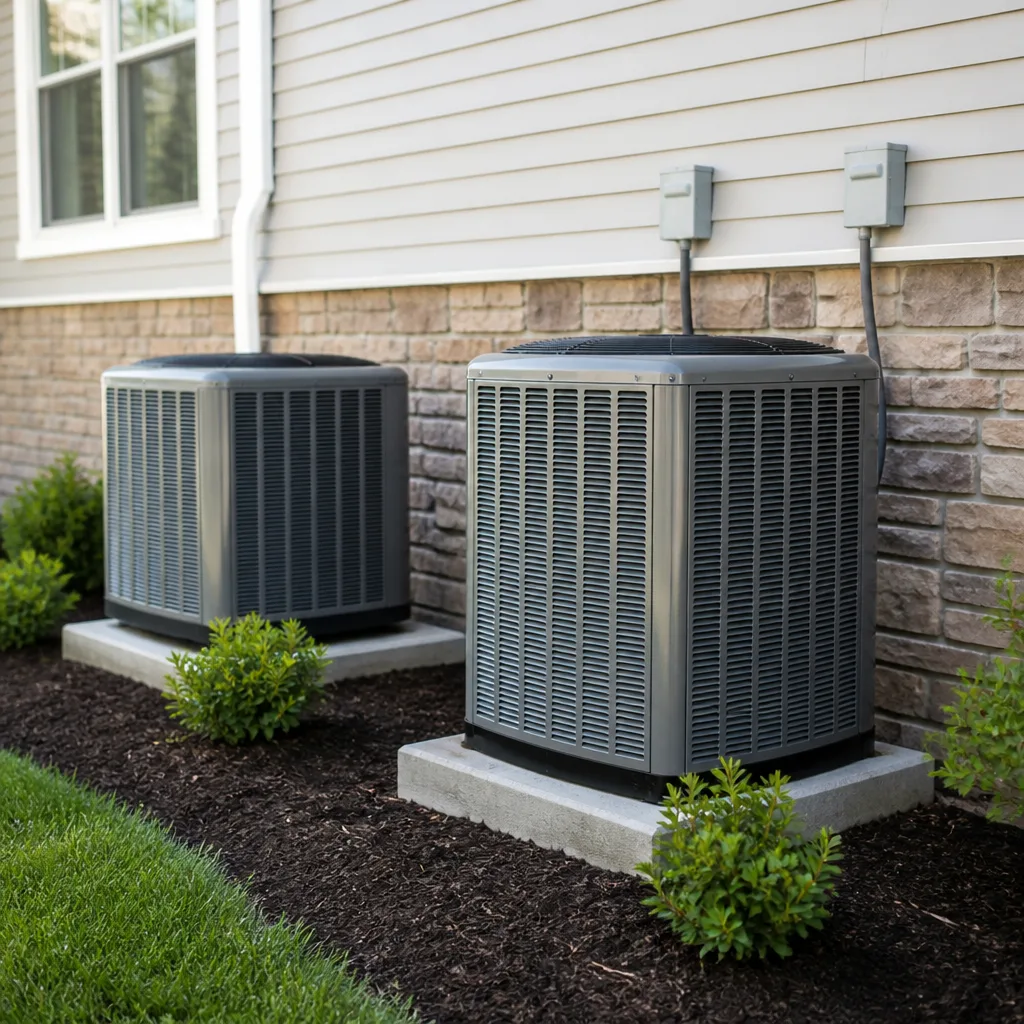 Heat pumps
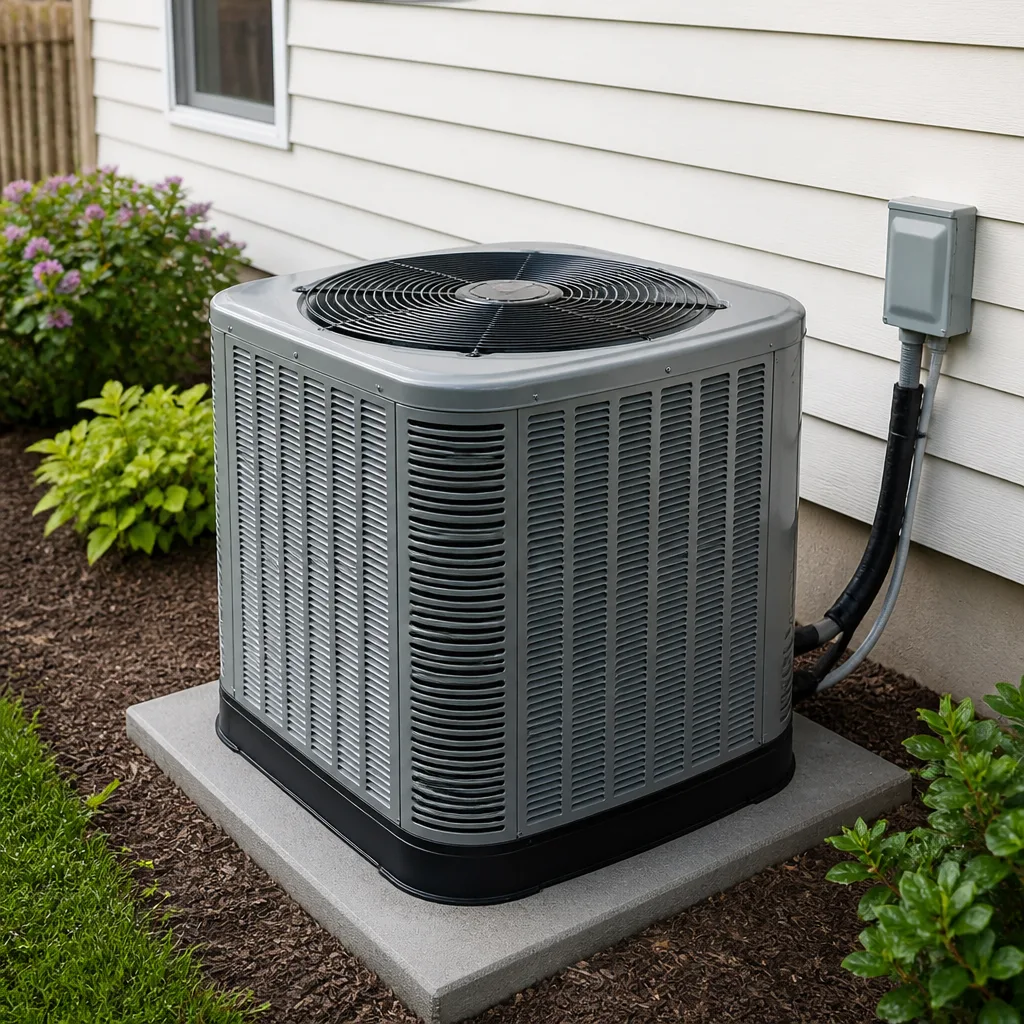 AC repair
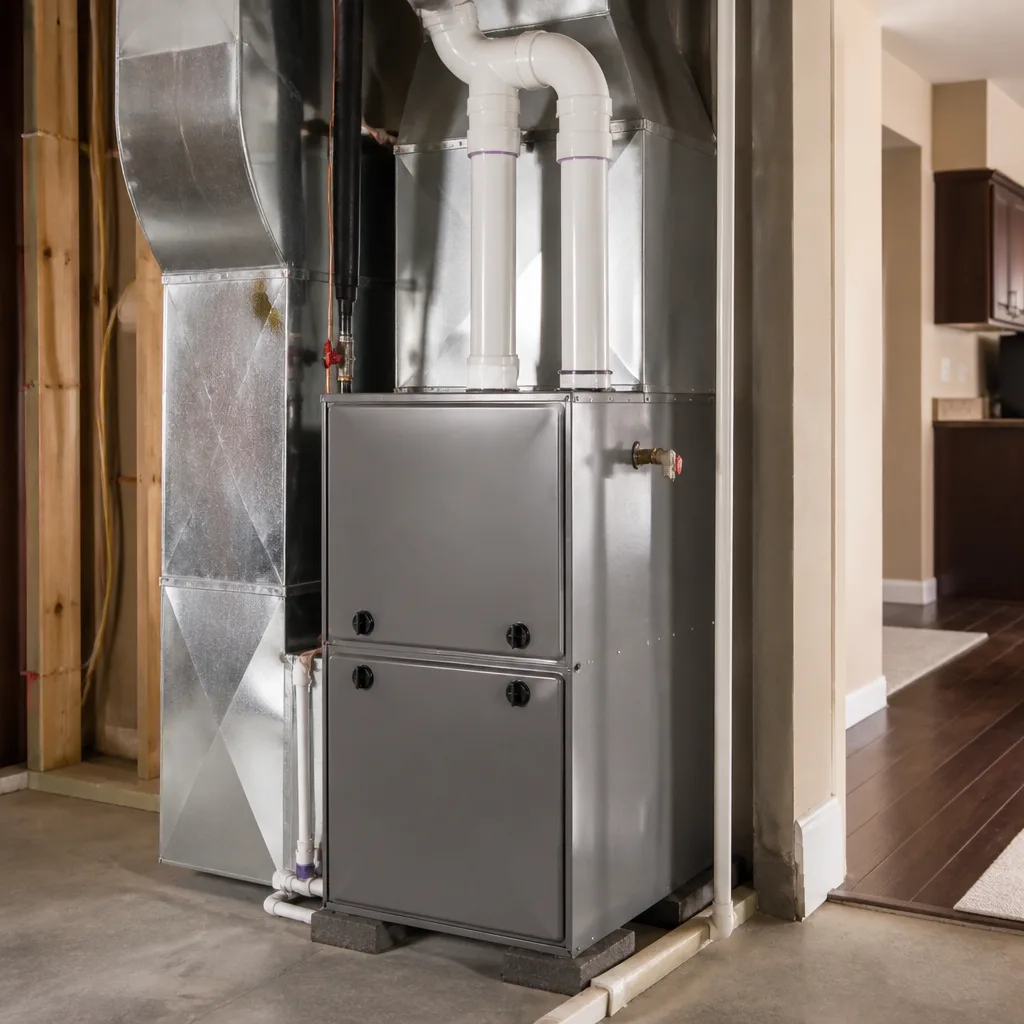 Furnace & heating
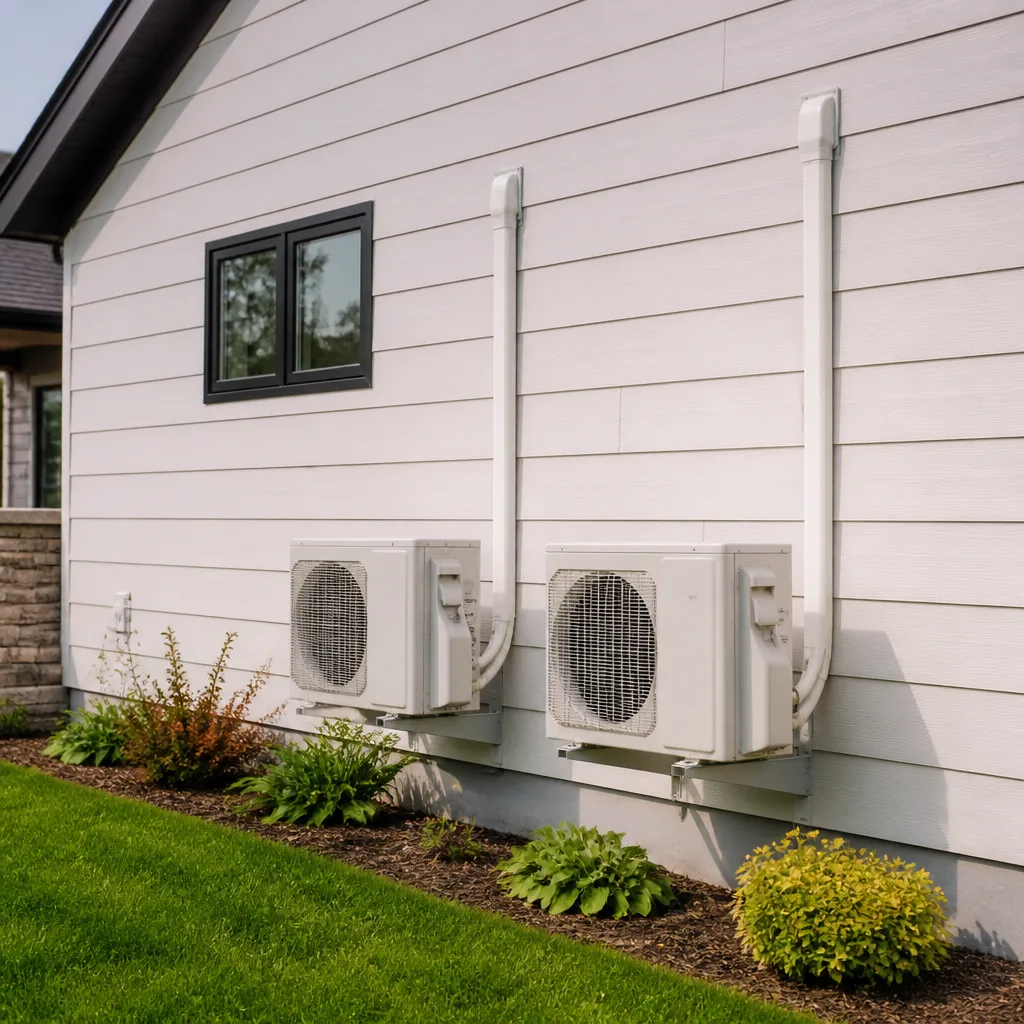 Ductless mini splits
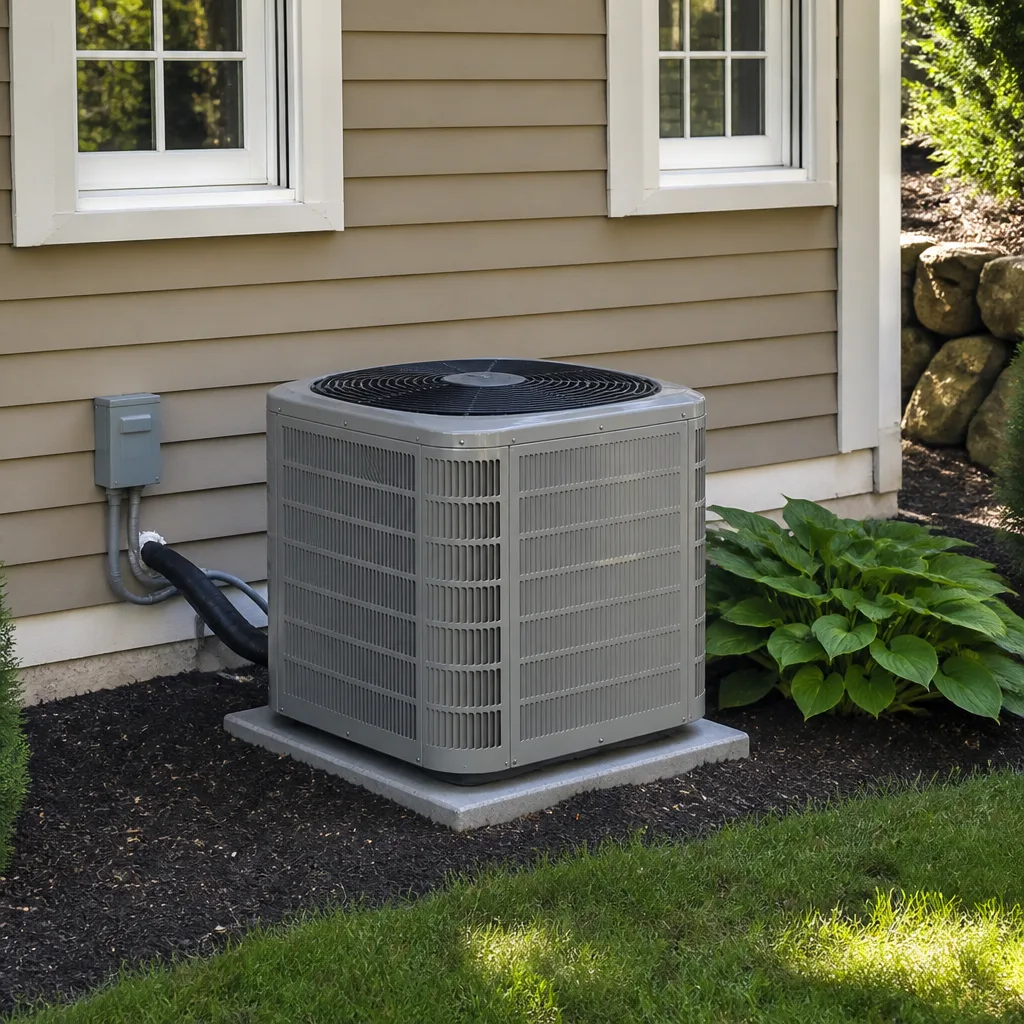 Carrier
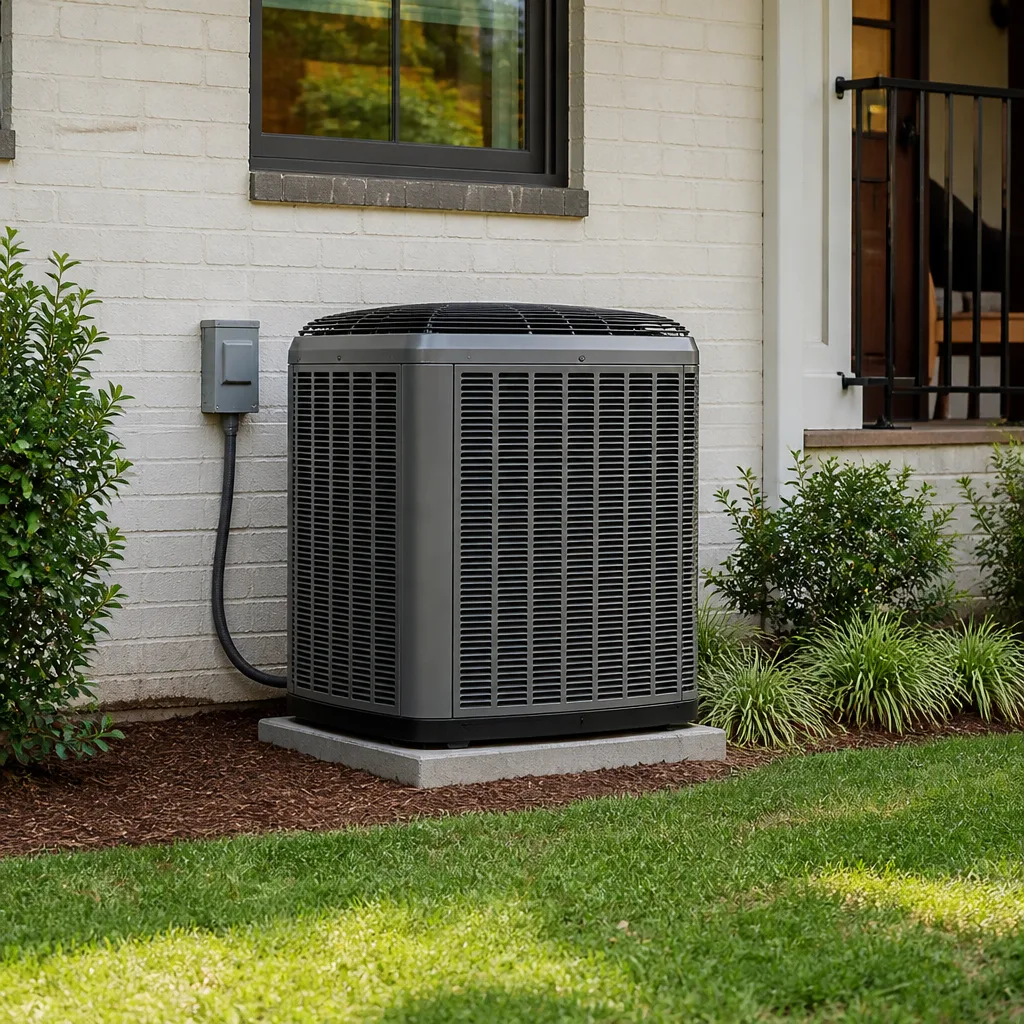 Trane
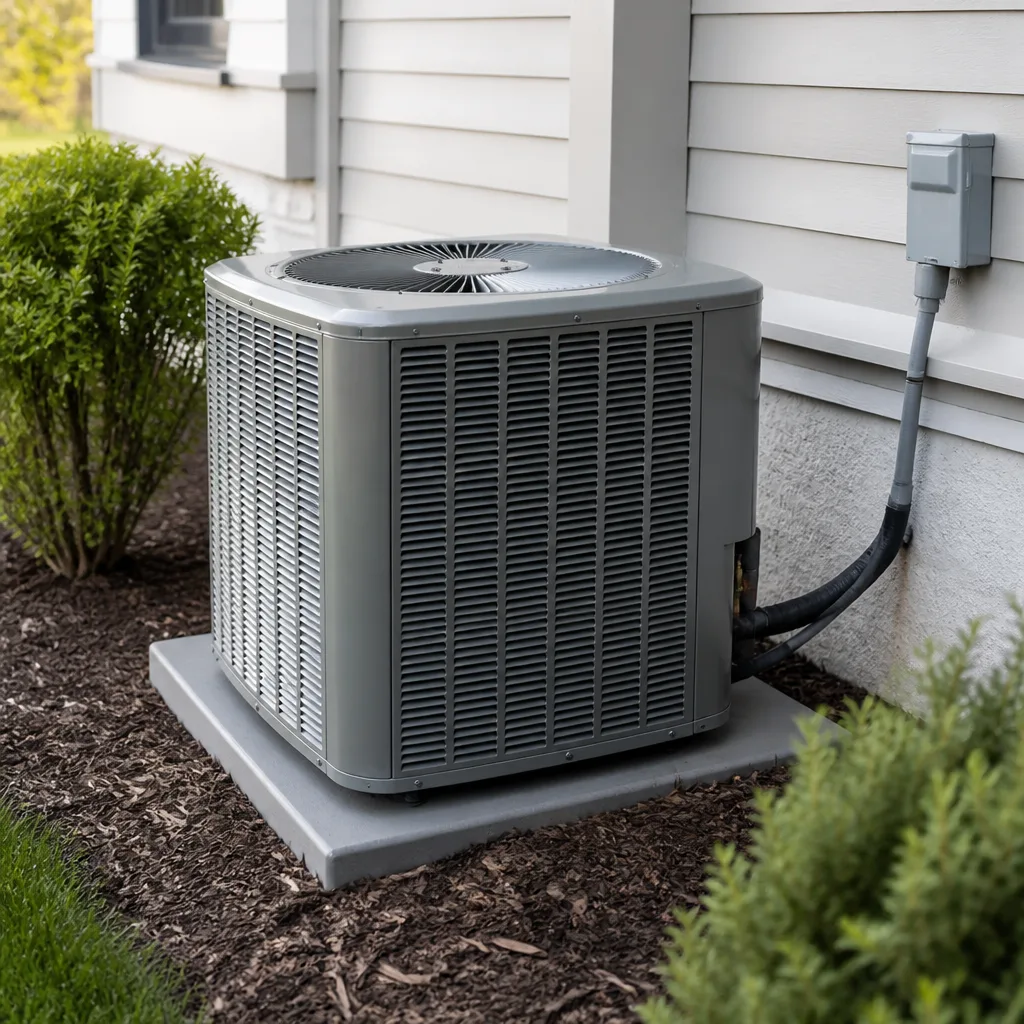 Goodman
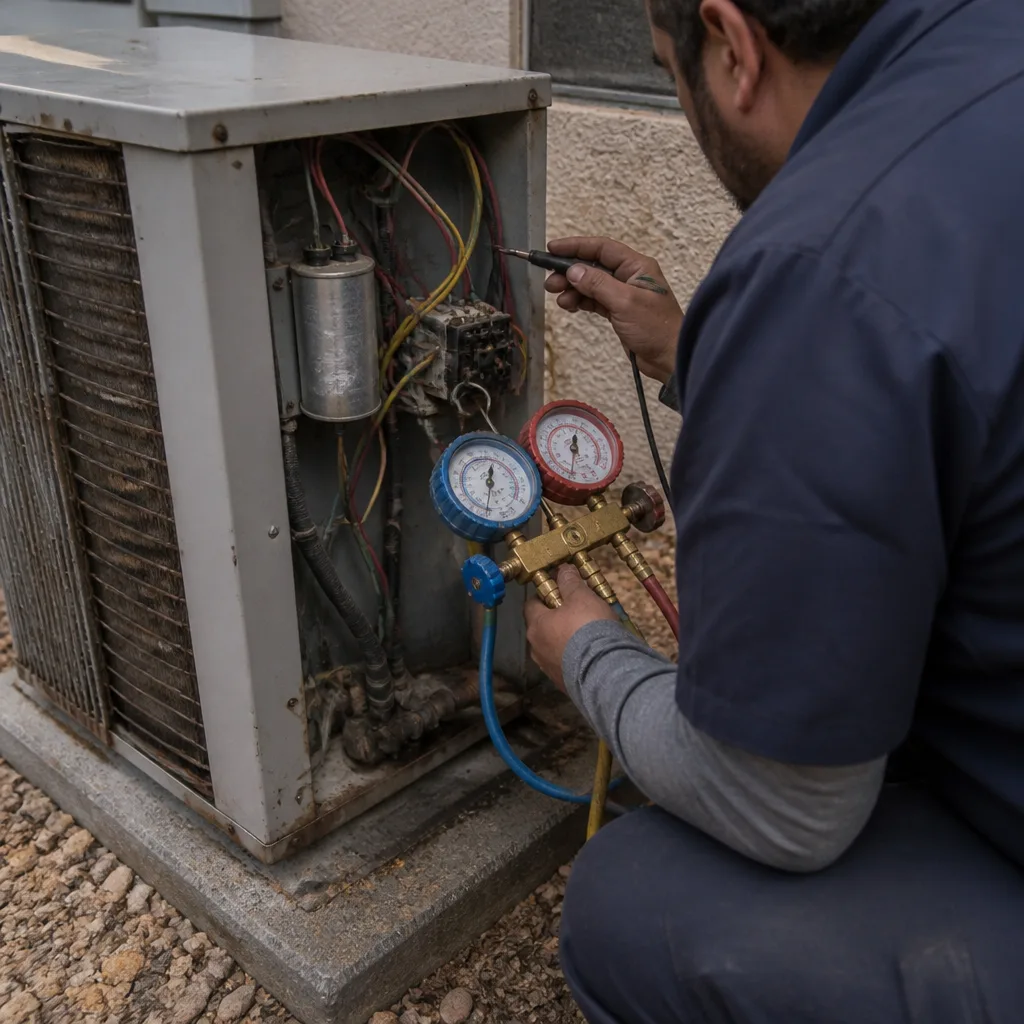
Seasonal tune-up and full diagnostic on your Carrier, Trane, or Goodman system - readings shown to you before any repair is proposed
Diagnosis first, numbers second - you approve the repair price before a single part goes in.
Get your free estimateDIY vs Professional Heat Pump Installation: What’s Safe to Do Yourself
A heat pump install guided by a YouTube video voids the manufacturer warranty the moment an uncertified person touches the refrigerant circuit. In Nevada that goes further than a policy violation: handling refrigerant without the proper certification is a Class B misdemeanor under NRS 445B. We’re not telling you this to scare you off a project. We’re telling you because most of the “save $3,000 by installing it yourself” content online quietly leaves out the legal and financial tail that follows. This guide breaks down the real division of labor: what a homeowner can genuinely do to save money on a heat pump project in Spring Valley, and the work that should never leave a licensed contractor’s hands.
Quick Answer
Almost none of a heat pump installation is safely DIY. You can and should handle equipment selection, confirm the load calculation was actually run, verify permits were pulled, and clear the install path. The refrigerant brazing, charge adjustment, electrical connections, and commissioning belong to a licensed contractor working under a Nevada C-21 license, because uncertified refrigerant work is a misdemeanor, voids your warranty, and typically causes efficiency losses you won’t notice for years.
Styles & brands we work with
- AC repair
- Furnace & heating
- Heat pumps
- Ductless mini splits
- Carrier
- Trane
- Goodman
Table of Contents
- What Nevada law actually requires for heat pump installation
- The real legal exposure when you work outside a C-21 license
- What a homeowner can legitimately do (and how it saves money)
- Why a refrigerant charge that’s off by 10% costs you down the road
- The electrical scope most homeowners underestimate
- How to vet an installation bid with three documents
- Common mistakes to avoid
- When to call a professional
What Nevada law actually requires for heat pump installation
Nevada regulates HVAC work at the state level through the Nevada State Contractors Board, and refrigeration and air conditioning work falls under the C-21 classification. To hold a C-21 license, a contractor has to demonstrate experience, carry a surety bond, maintain general liability and workers’ comp coverage, and pass both trade and business exams. The license number is public and searchable on the Board’s website. Anyone installing a heat pump for compensation in Spring Valley needs to be working under that license.
Here’s the part that catches homeowners off guard: the license requirement isn’t just a rule the contractor has to satisfy. When an unlicensed person installs a heat pump, the permit can’t legally be pulled, which means the work isn’t inspected, which means the installation may have to be torn out and redone if you ever sell the home or file an insurance claim. Clark County Building Department will not issue a mechanical permit to a homeowner for refrigerant work. The permit is unavailable, full stop.
We’ve seen Spring Valley homeowners try to structure around this by hiring a “helper” for the physical install and doing the paperwork themselves. That doesn’t work either. The moment refrigerant is recovered, brazed, or charged by an uncertified person, the violation occurs regardless of who signed what.
The real legal exposure when you work outside a C-21 license
The warranty loss is the risk most people hear about first. Every major manufacturer (Carrier, Trane, Lennox, American Standard, and the rest) has an explicit clause requiring installation by a licensed professional following published specs. An uncertified install voids the equipment warranty immediately, and that’s a $4,000 to $9,000 piece of equipment going uncovered on day one.
The exposure that gets less attention is personal liability. If a self-installed heat pump causes a refrigerant leak into a garage or a fire from an electrical connection, your homeowner’s insurance carrier can deny the claim on the grounds that unpermitted, unlicensed work caused the loss. That denial isn’t theoretical; it happens when the adjuster sees no permit on record.
Add the Nevada misdemeanor under NRS 445B for refrigerant handling by an uncertified person. Under the Clean Air Act Section 608 framework the state enforces, the person doing the work has to hold EPA Section 608 certification, and violations can carry per-day penalties. A homeowner saving $2,500 on a Spring Valley install is taking on a much larger downside than the up-front savings suggest.
What a homeowner can legitimately do (and how it saves money)
None of this means you’re a passive participant in the project. Several parts of a heat pump install are homeowner territory, and doing them well saves real money. Here’s what we’d tell any Spring Valley homeowner to own:
- Select the equipment yourself. Decide on single-stage vs variable-speed, cold-climate vs standard, and the brand. Read the specs. Push back if a contractor quotes a unit that doesn’t match Spring Valley’s summer peak loads (100°F-plus in July and August) or its occasional hard winter mornings. Equipment choice is yours, not the installer’s.
- Demand the Manual J and read the summary. Manual J is the room-by-room load calculation (how much heating and cooling your home actually needs, expressed in BTUs). Ask for the summary page. A 2,000 square foot Spring Valley home can land anywhere from 2.5 to 4 tons depending on orientation, window area, and attic insulation; if a contractor quotes the same tonnage for every house on the block, walk.
- Verify the permit before work starts. Clark County issues mechanical and electrical permits online with a search-by-address tool. Look up your address the day before install. If a permit isn’t showing, the work is illegal and your inspection is already at risk.
- Clear the install path. Move furniture, clear the side yard or pad area, trim shrubs near the outdoor unit, and make sure the attic access is openable. Installers billing hourly can’t do this for you without charging for it.
- Confirm the electrical service size. Check the main panel’s service rating (typically 100A or 200A) and photograph the label. If it’s a 100A panel and you’re installing a heat pump with electric backup strips, a panel upgrade is coming, and knowing that before bids arrive keeps you from sticker shock.
Doing those five things well makes the project faster and, on more than one Spring Valley job we’ve seen, cut hundreds of dollars off the install cost just by not needing scope changes mid-job.
Why a refrigerant charge that’s off by 10% costs you down the road
Here’s the hidden cost nobody puts in the YouTube tutorial. A heat pump’s refrigerant charge has to match a specific weight, determined by the line-set length the manufacturer specifies. Off by 10% in either direction, and the compressor works harder to hit setpoint every time the system runs. Over ten years, that extra load is estimated to shorten compressor life by roughly 30% and quietly shave efficiency off the SEER2 rating you paid for.
You won’t notice on day one. The house cools. The bill seems fine. Two summers later, on the first real 108°F afternoon in Spring Valley, the compressor fails. Replacement is a $1,800 to $3,200 repair on a system that should have run 15 years.
The reason this is nearly impossible to do correctly without training: weighing in the correct charge requires recovering what’s in the lines, using a scale accurate to the ounce, pulling a deep vacuum (below 500 microns) and verifying it holds, then adding charge to the manufacturer’s spec for the actual line length. Skipping the vacuum step leaves moisture in the circuit, which forms acid, which eats the compressor from the inside. That’s not a thing a homeowner buys a $200 gauge set and gets right the first time.
The electrical scope most homeowners underestimate
Heat pump installations in Spring Valley often trigger electrical work well beyond a disconnect. A 3-ton heat pump with electric backup heat strips can pull 40 to 60 amps, and homes built in the 1980s and 1990s (much of the housing stock in Spring Valley) frequently top out on a 100-amp service that’s already loaded by an electric range, dryer, and EV charger.
When a panel upgrade is required, it’s not optional and it’s not a small line item. A 200-amp service upgrade in Spring Valley typically runs $2,500 to $4,500 depending on the meter configuration and distance to the panel. It requires its own electrical permit from Clark County, an inspection by the county, and a licensed electrician. Even if a homeowner could do the mechanical portion (they can’t), the electrical work has to be pulled under a permit by a licensed electrical contractor. There is no version of the project where the panel work goes unpermitted, because the utility connection gets re-inspected at the meter.
Budgeting for a possible panel upgrade, and confirming it during the bid phase, is one of the most useful things a homeowner can do on a heat pump project in Spring Valley. It’s also the line item most often missing from lowball quotes.
How to vet an installation bid with three documents
You don’t need to be an HVAC expert to tell a serious bid from a sketchy one. Ask every contractor for three documents. Any one of them missing is disqualifying.
1. A written scope of work. This lists exactly what’s happening: equipment model numbers and capacities, electric heat strip size, line set length and routing, pad or bracket placement, thermostat model, permit responsibility, disposal of the old unit, and any electrical panel work. If the bid is three paragraphs and a model number, it isn’t a scope, it’s an estimate.
2. The Manual J load calculation summary. One page, shows BTUs by room, the total heating and cooling load, and the assumptions (insulation R-value, window area, orientation). It’s the document that proves the tonnage wasn’t pulled out of thin air. Without it, the contractor is guessing, and so are you.
3. The Nevada State Contractors Board license number. Look it up. It should show an active C-21 with bonding and insurance current. If the bid has no license number, it’s an unlicensed bid regardless of what the truck says.
Every proposal from Dalton Heating & Air Spring Valley includes all three, plus a written price before any work begins. That’s part of The Garrison Standard, and it isn’t an upgrade: it’s the baseline. Our technicians have up to 23 years of experience and are factory-trained on nine major brands, including Carrier, Trane, Lennox, and American Standard, so the scope line items reflect what the equipment actually needs in Spring Valley’s climate, not a generic template.
If you’re comparing bids and something doesn’t add up, our team is happy to translate. Our Heat Pump Installation in Spring Valley page covers the process end to end, and reviewing a competitor’s bid side-by-side with a homeowner is a normal part of what we do.
Common Mistakes to Avoid
- Believing the “it’s basically like installing an AC” framing. Heat pumps run in both directions and have a defrost cycle, reversing valve, and low-ambient controls that AC installs never touch. A unit sized and charged for cooling alone will short-cycle through Spring Valley’s December mornings.
- Letting anyone install without pulling a permit. Clark County inspections exist for a reason, and a missing permit shows up when you sell the home or file a claim. Check the permit record before the crew arrives, not after.
- Skipping the Manual J because “the old unit was a 3-ton.” The old unit may have been wrong. Duct changes, added insulation, and window replacements all move the number. Re-run the load calculation on every install.
- Quoting the panel upgrade out of the budget. Many Spring Valley homes need a 200-amp service to support a heat pump with backup strips. A quote that leaves this out is a quote that will grow.
- Assuming the manufacturer warranty covers self-install. It doesn’t. Every major brand requires licensed installation, and the moment a claim is filed, the installer credentials are the first thing the manufacturer asks for.
- Paying a deposit before the scope is in writing. If the bid doesn’t have model numbers, line set specs, and a set install date, don’t sign. A handshake and a verbal “we’ll figure it out” has cost more Spring Valley homeowners money than any other mistake on this list.
- Letting refrigerant work happen in a garage with no EPA Section 608 certification on site. Ask for the certification card. A contractor who handles refrigerant legally will have it, and won’t be embarrassed you asked.
When to Call a Professional
Call a licensed contractor the moment the project crosses any of these lines: refrigerant handling (recovery, vacuum, brazing, charge), electrical work beyond a receptacle swap, panel upgrades, permit pulling, or commissioning with performance verification. If a contractor won’t give you a written scope, a Manual J summary, and a license number, call us instead. Our AC Repair in Spring Valley team also handles heat pump service calls if you’re not sure whether the system you have needs replacement or a repair, and if you’re weighing systems, our Furnace Repair in Spring Valley page covers the winter side of the same decision.
Dalton Heating & Air Spring Valley offers free estimates in Spring Valley. Call (888) 268-6106 and a live person answers, day or night. Written price before any work starts. A full-year written guarantee on the install. If something isn’t right, we come back at no charge under the 365-Day Done Right Promise.
If you’re earlier in the process and just want to understand your home’s options, our Dalton Heating & Air Spring Valley home page has the full service overview. And if you’re comparing a repair against an install on an aging system, read our thoughts on Heat Pump Installation in Spring Valley before you commit either way.
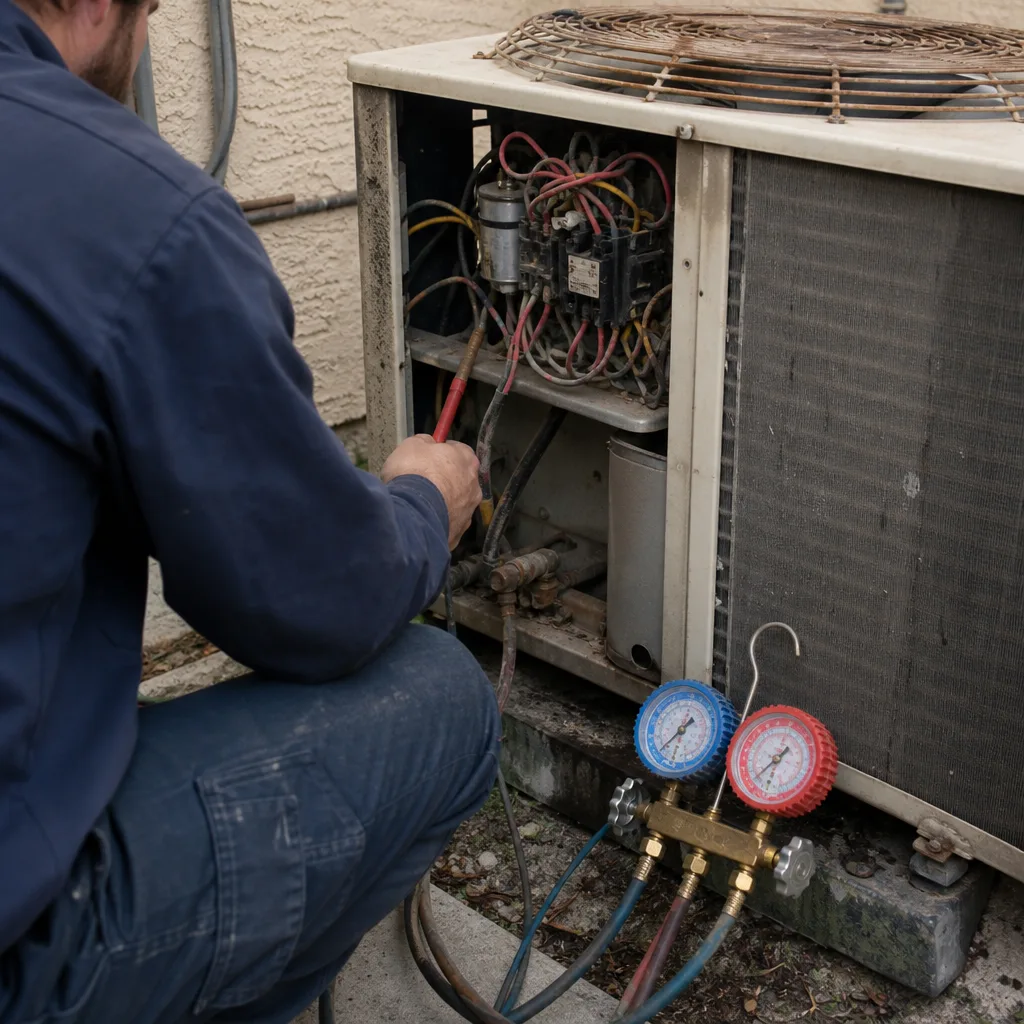
See the difference
 Before
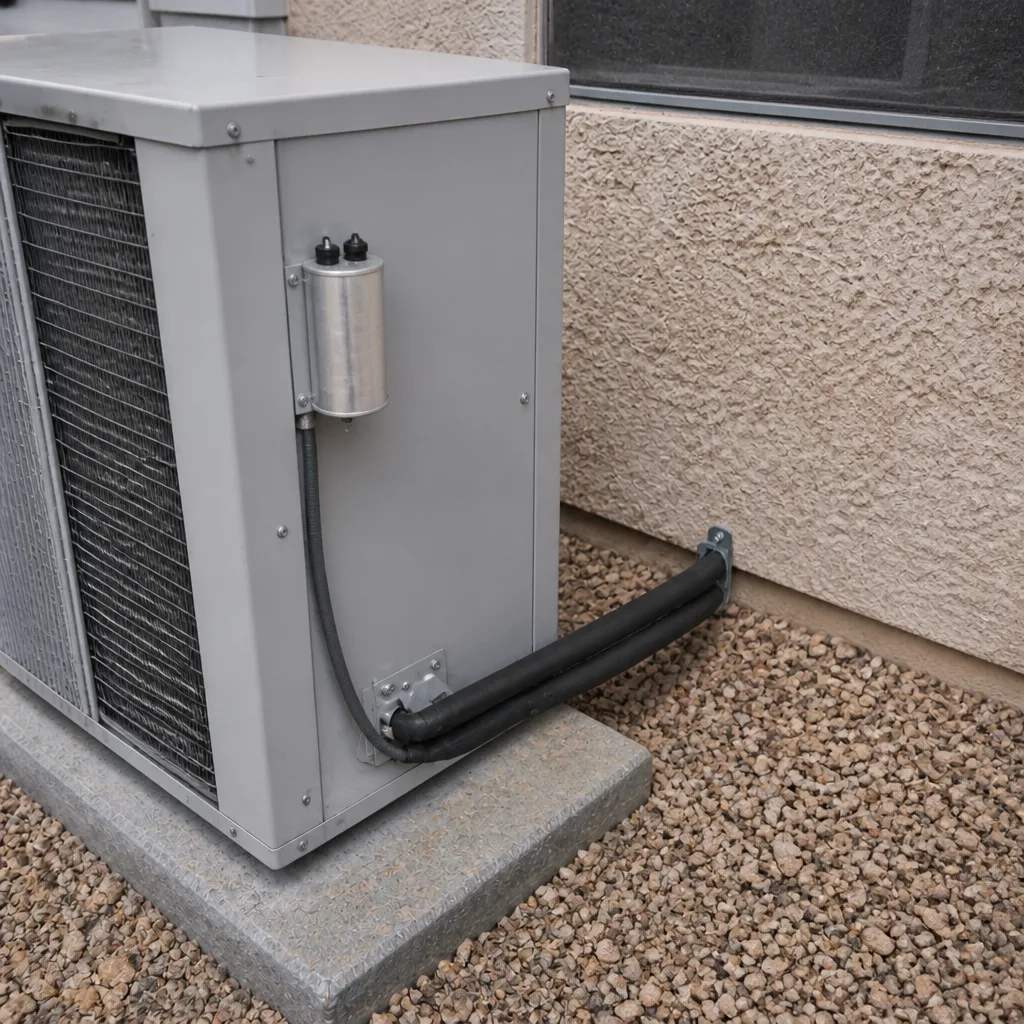 After
 Before
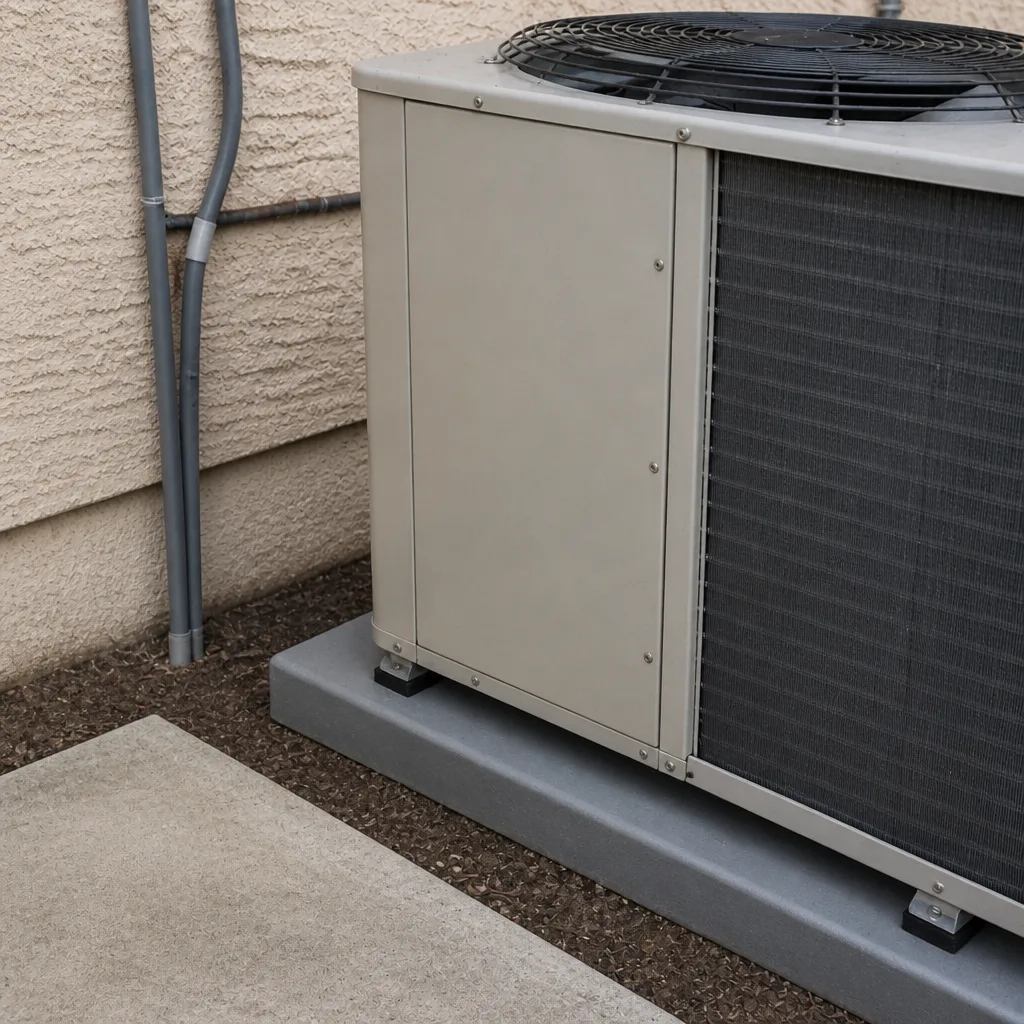 After
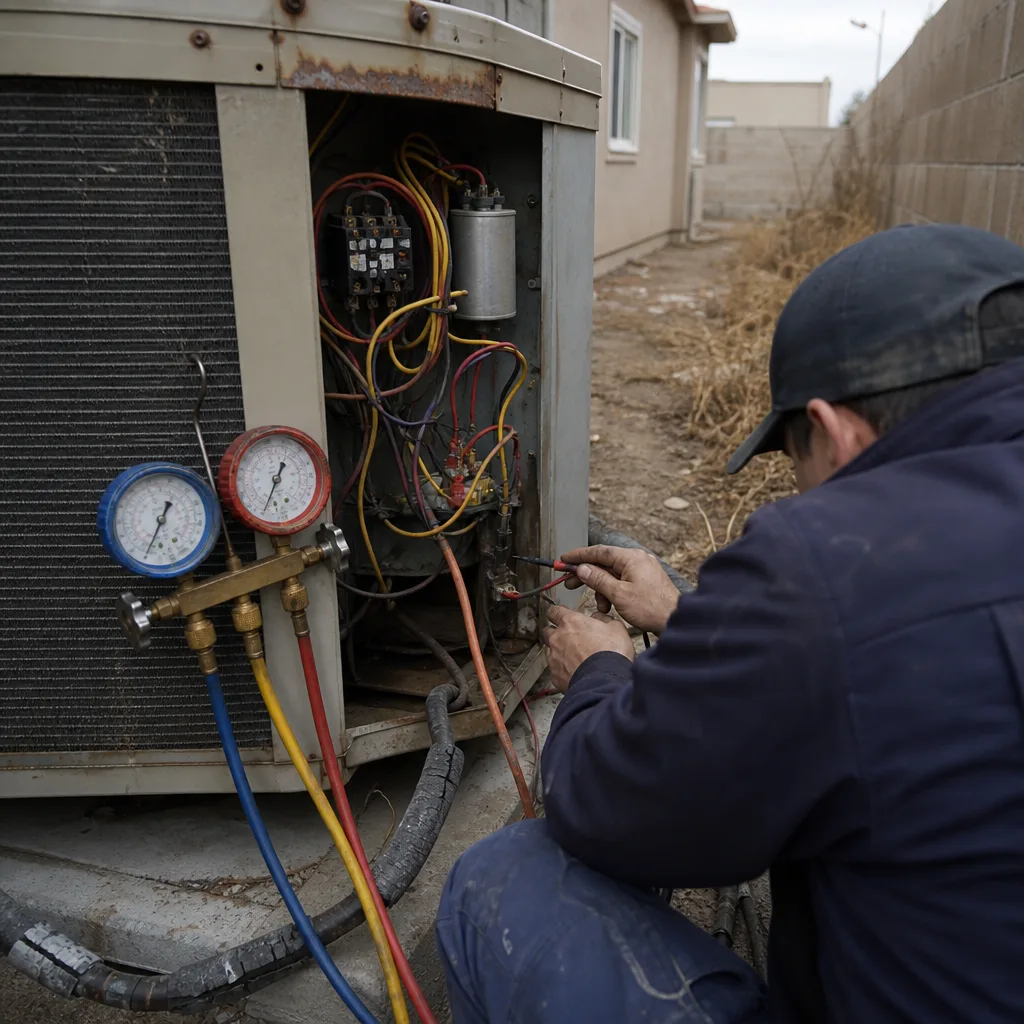 Before
 After
Frequently Asked Questions
No. Heat pump installation in Nevada requires a licensed C-21 contractor because the work involves refrigerant handling, electrical connections, and permitting through Clark County. Uncertified refrigerant work is a Class B misdemeanor under NRS 445B and voids the manufacturer warranty immediately.
You can select the equipment, review the Manual J load calculation summary, verify permits were pulled, clear the install path, and confirm your electrical panel’s capacity. Those five tasks save real money and don’t require any trade license, and they’re the highest-leverage parts of the project for a homeowner to own.
Yes. Clark County Building Department requires a mechanical permit for the heat pump and any electrical panel work, and both get inspected. The permit is pulled by the licensed contractor, not the homeowner, so any installer who suggests skipping it is telling you they’re not licensed for the job.
The compressor runs harder to hit setpoint, which is estimated to shorten its life by about 30% over ten years and quietly reduces the efficiency you paid for. The failure usually shows up two or three summers in, right when Spring Valley hits its first long heat wave, and it’s the kind of problem that requires pulling the charge and starting over to correct.
Most residential heat pump installations in Spring Valley land in the $6,500 to $14,000 range depending on system size, SEER2 rating, duct condition, and whether a 200-amp panel upgrade is needed ($2,500 to $4,500 more). A written scope and load calculation are the only way to get a real number for your home. Call (888) 268-6106 for a free estimate; the price comes in writing before any work starts.
No. Carrier, Trane, Lennox, American Standard, and every other major manufacturer require installation by a licensed professional following published specifications. The warranty is voided the moment an uncertified person handles refrigerant or makes the electrical connections, and the first thing the manufacturer asks for on a claim is the installer’s credentials.
The Bottom Line
Heat pump installation has almost no legitimate DIY scope, and that’s not a knock on homeowner competence. It’s a legal fact in Nevada: refrigerant work requires certification, permits require a C-21 license, and both the manufacturer warranty and your insurance coverage depend on those rules being followed. What you can do is substantial, though: choose the equipment, demand the Manual J, verify the permit, clear the path, and check the panel. Do those well and you’ll save money without touching the parts of the job that carry the real risk. When you’re ready to compare a real bid against a DIY plan, call Dalton Heating & Air Spring Valley at (888) 268-6106 for a free estimate. We’ll show you the written scope, the load calculation, and the license number before you decide anything.
Written by the team at Dalton Heating & Air Spring Valley.