
Last updated November 17, 2026
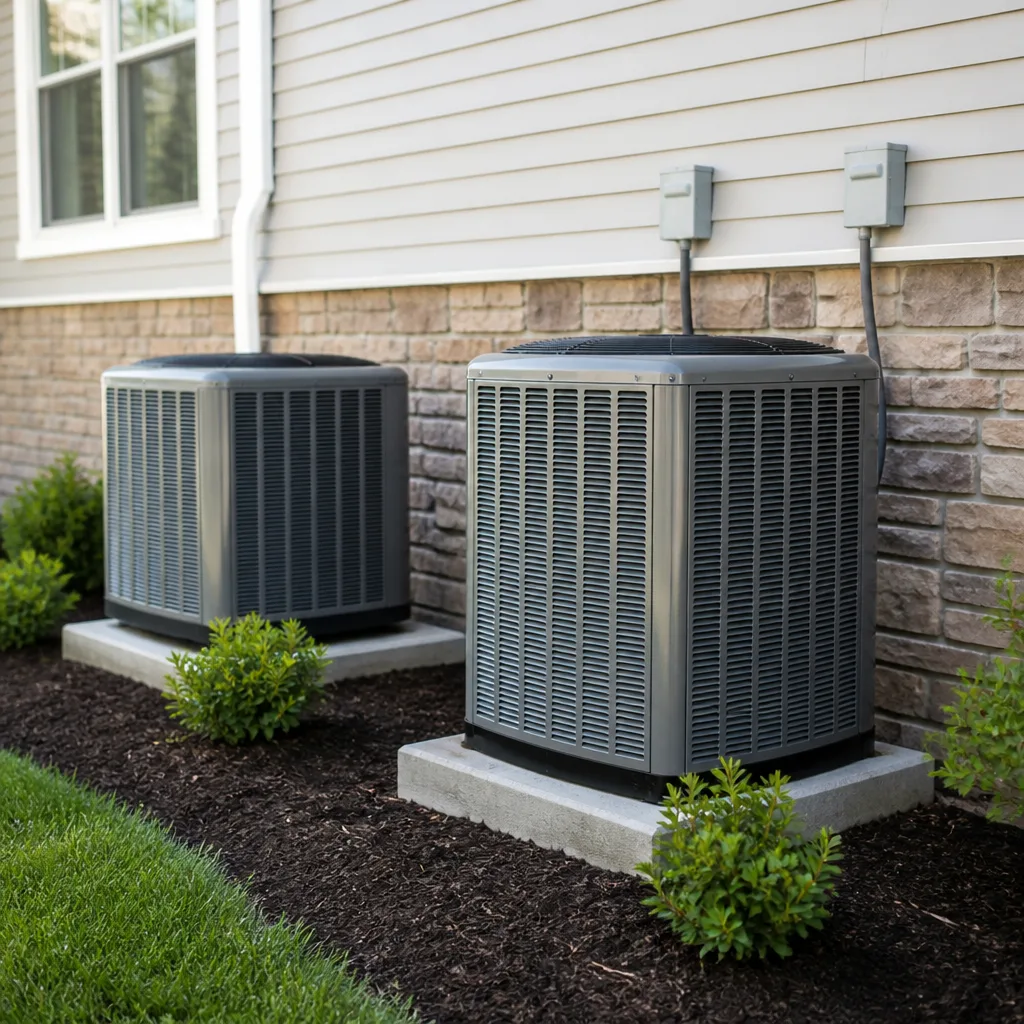 Heat pumps
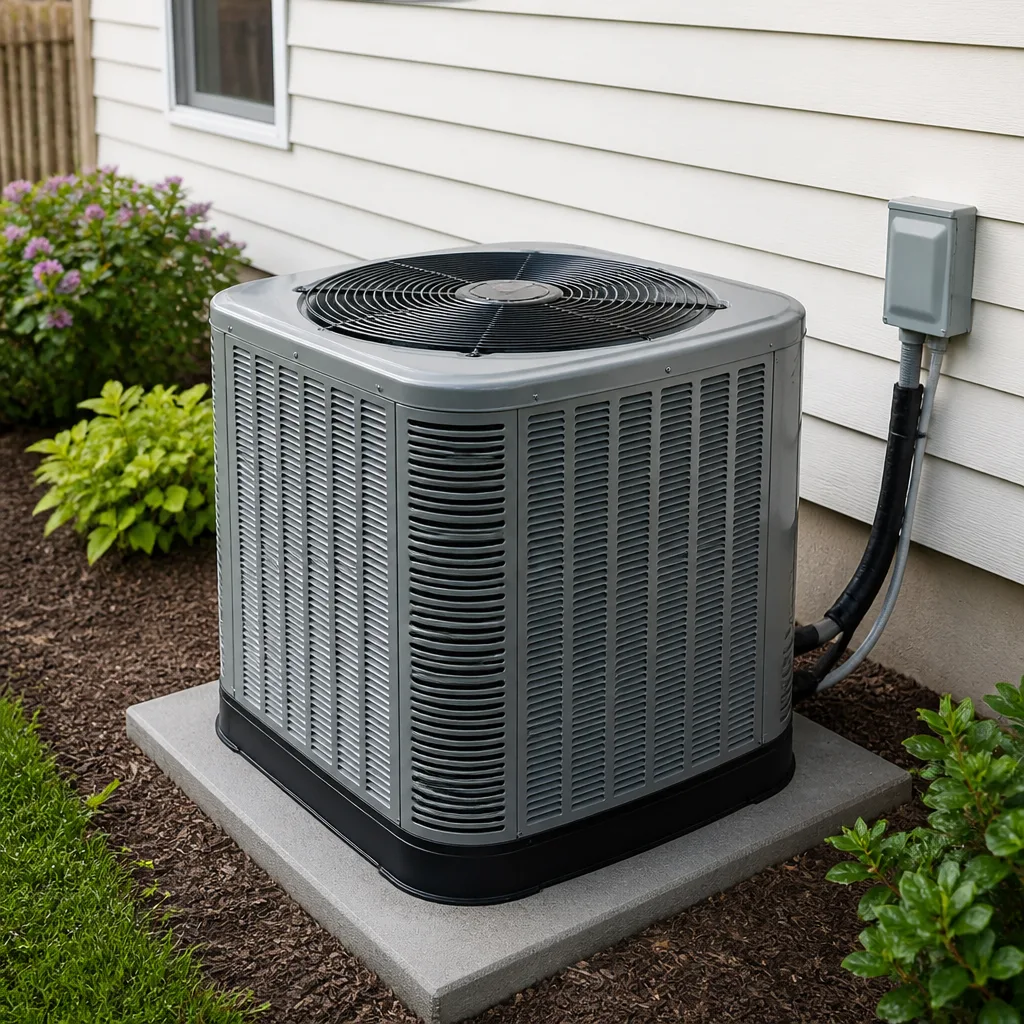 AC repair
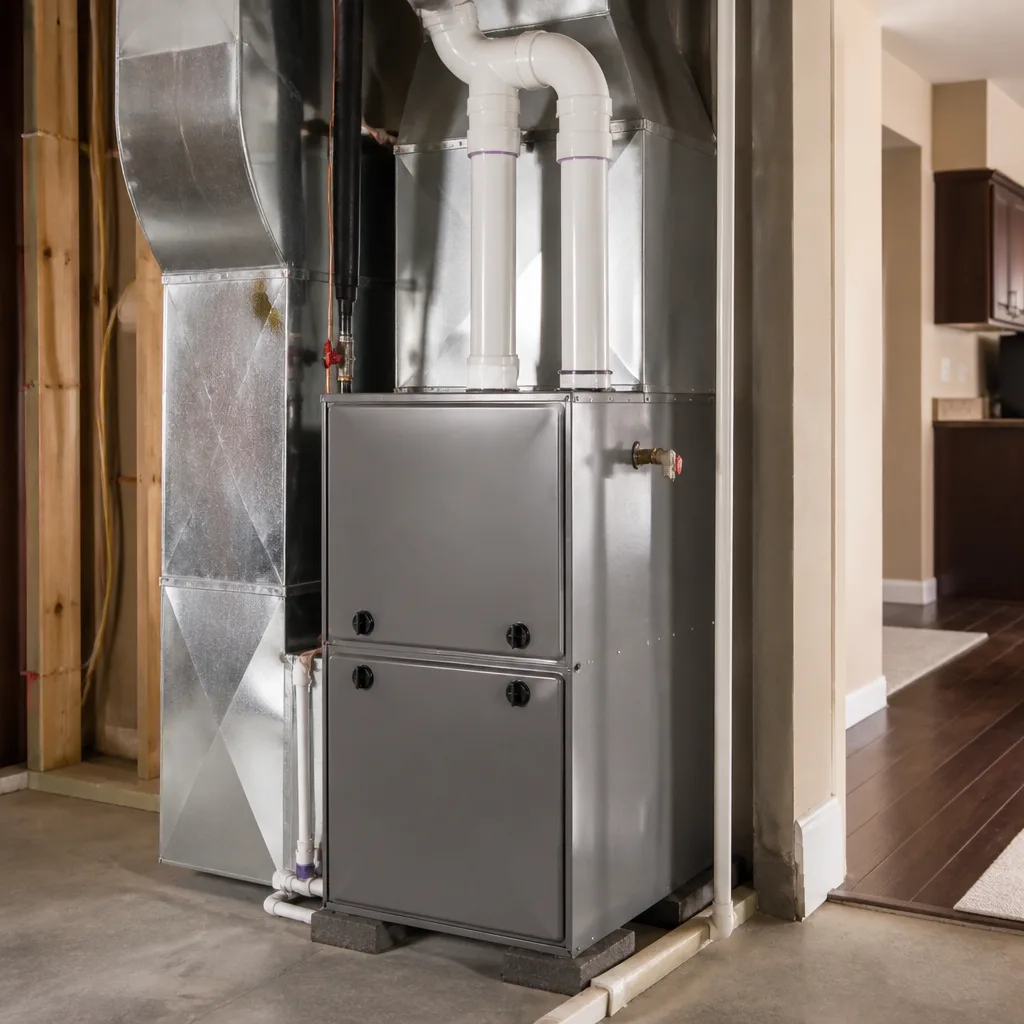 Furnace & heating
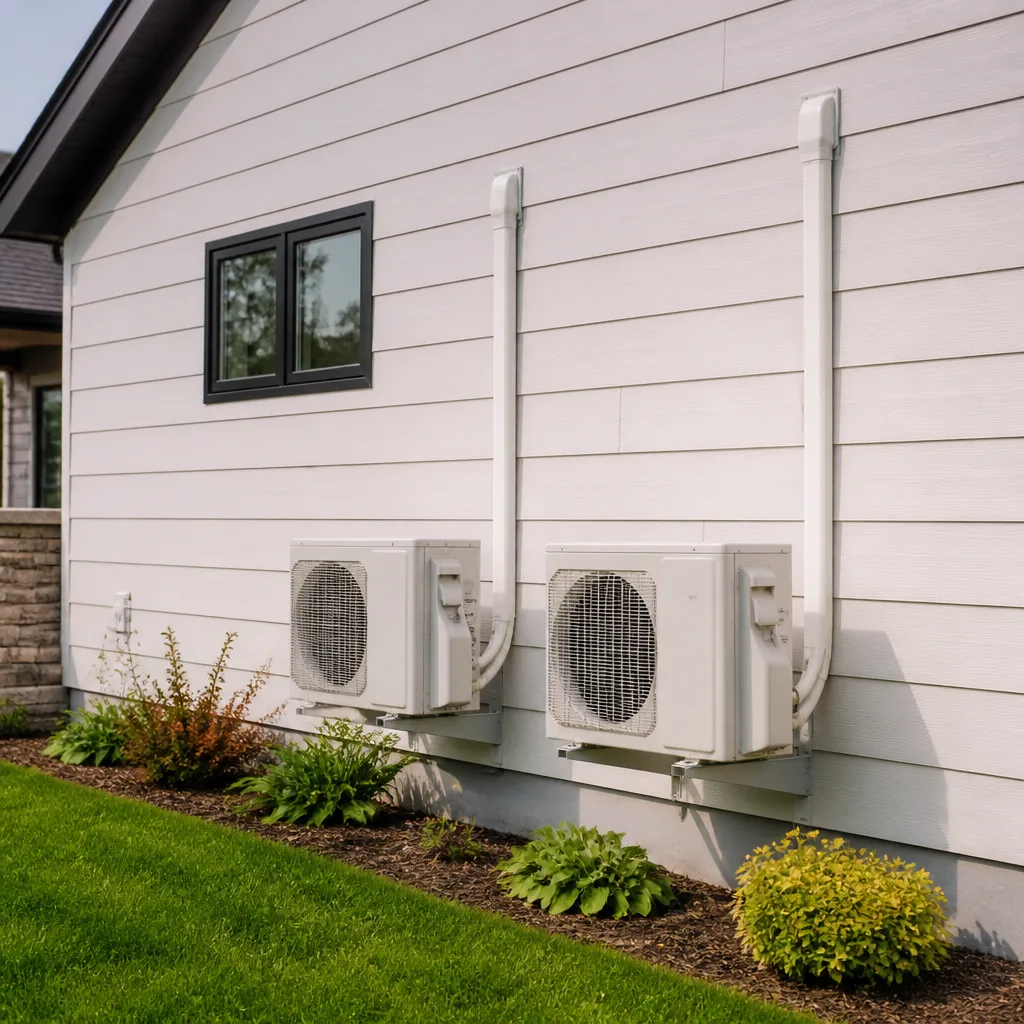 Ductless mini splits
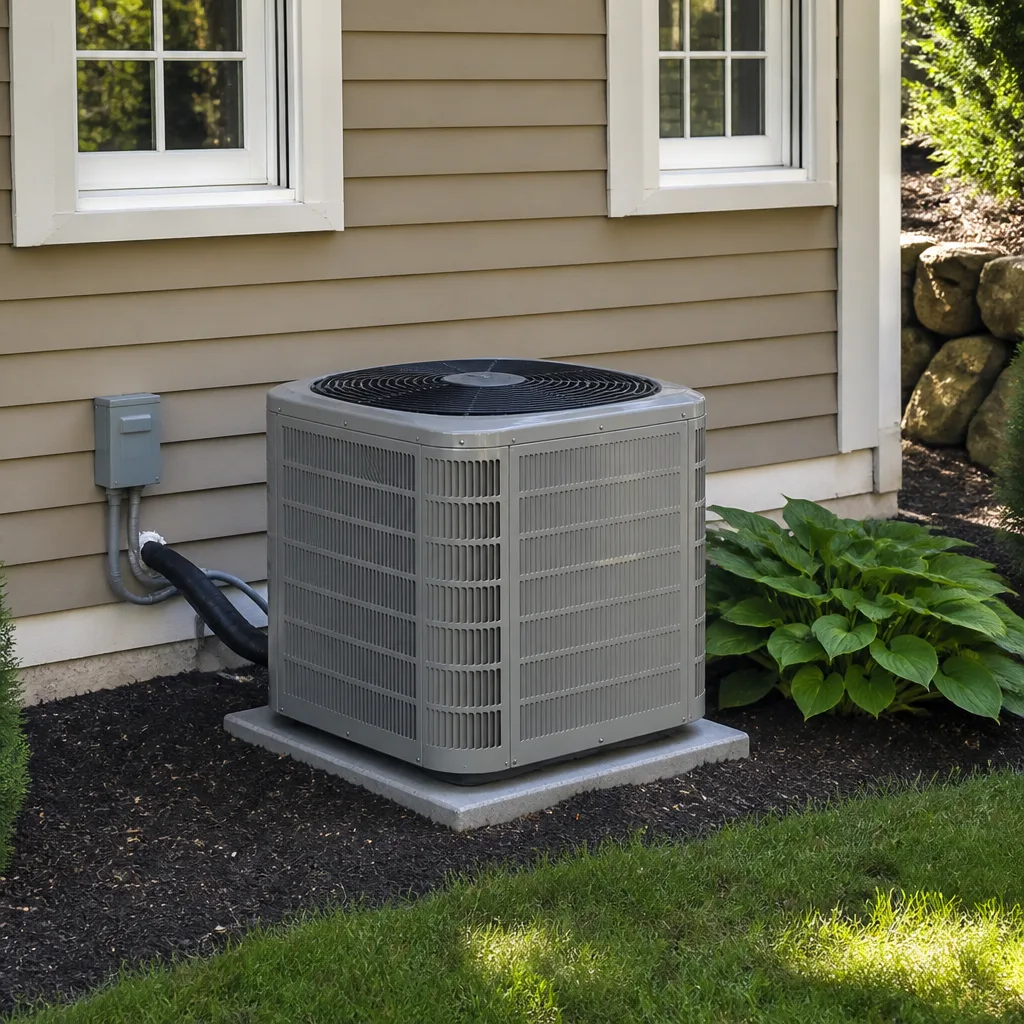 Carrier
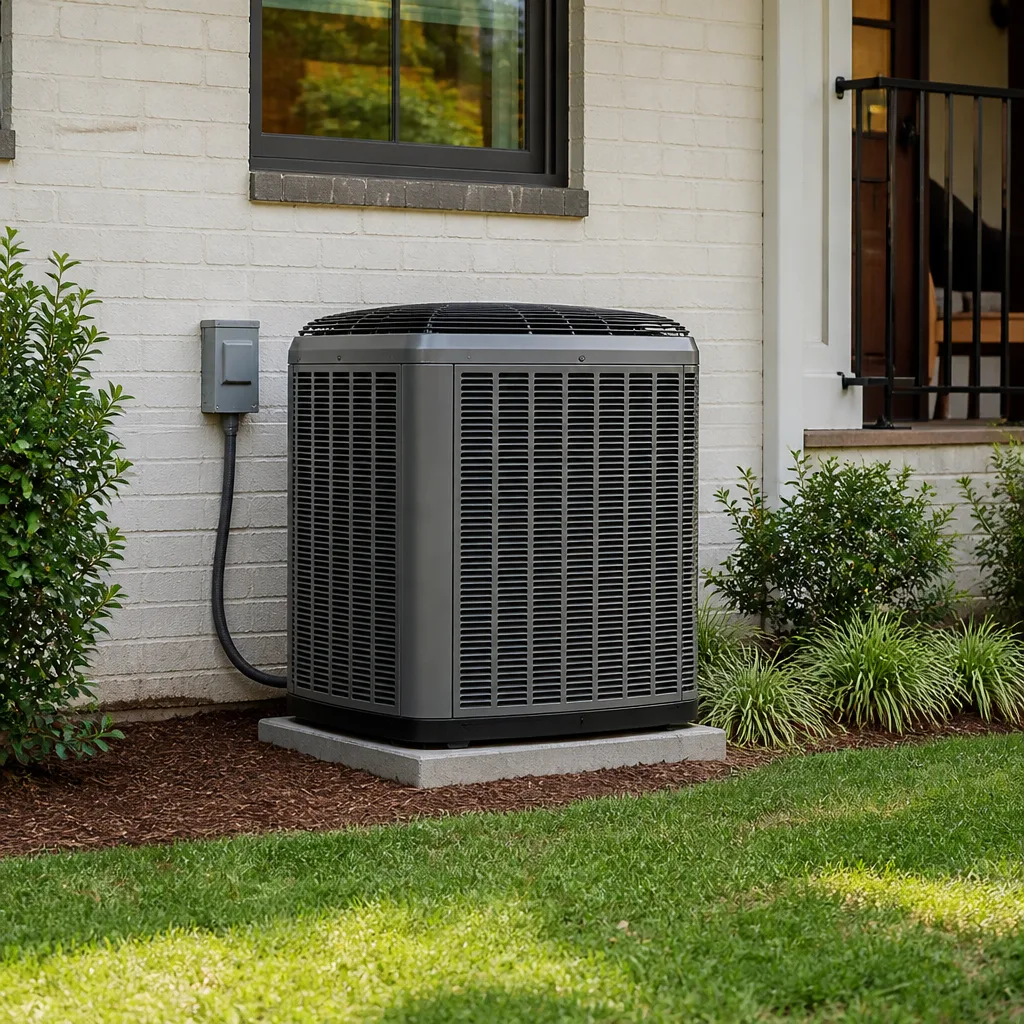 Trane
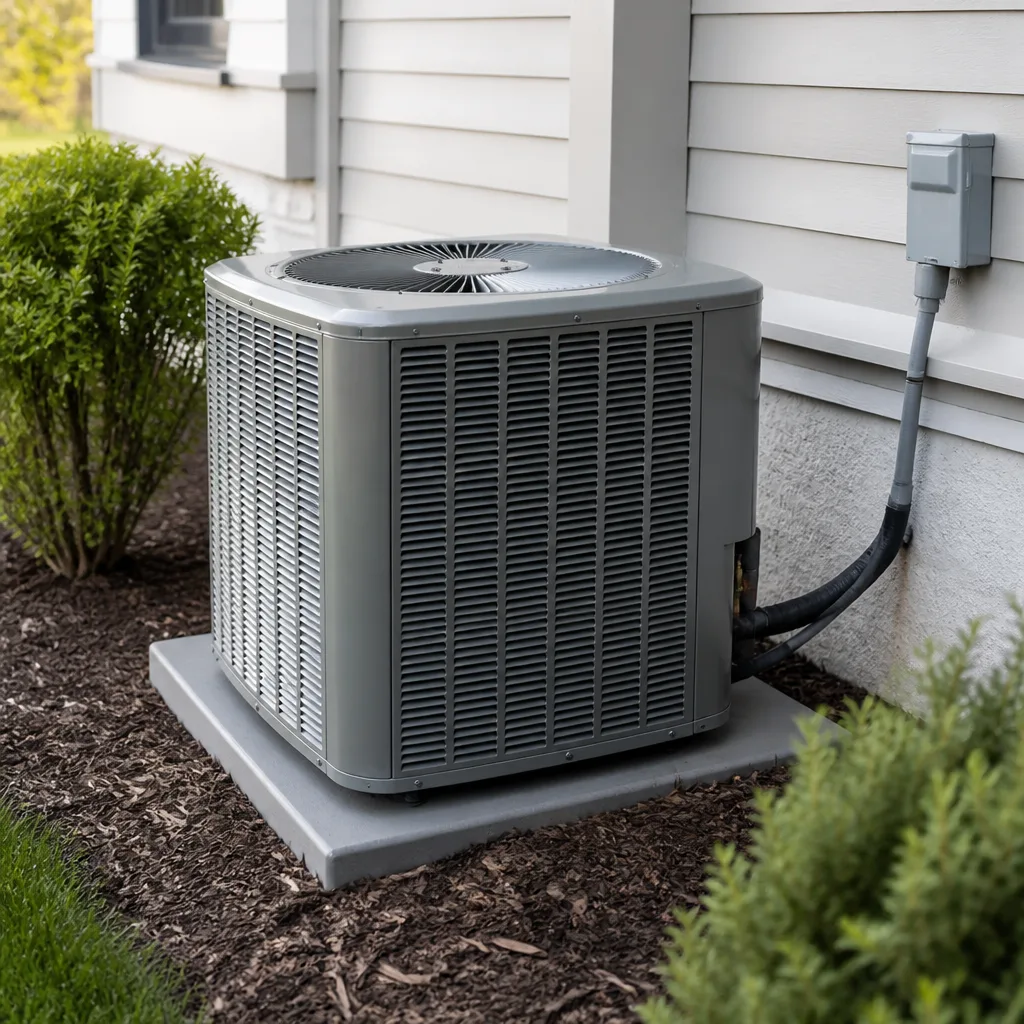 Goodman
Seasonal tune-up and full diagnostic on your Carrier, Trane, or Goodman system - readings shown to you before any repair is proposed
Diagnosis first, numbers second - you approve the repair price before a single part goes in.
Get your free estimateThe Complete Heat Pump Installation Guide for Spring Valley Homeowners
Spring Valley averages about 58 heating degree days per year. Denver runs roughly 4,800. That single number rewrites the heat pump math most national calculators hand you, and it’s why a system sold as a heating upgrade in Minnesota can be a cooling-and-efficiency play here in the valley. If you’ve priced a heat pump online and gotten a payback figure that looked too good, the climate assumption behind it was probably wrong for Spring Valley by thousands of dollars.
This guide covers what actually matters for a Spring Valley heat pump install: the real cost comparison against a split AC plus gas furnace, how Clark County permits and load calculations work, why your NV Energy rate plan moves the needle more than the nameplate rating, condenser placement rules on typical valley lots, and what a written installation guarantee should cover. We’ll also be straight about when a heat pump wins and when it doesn’t.
Quick Answer
A heat pump is usually the right call in Spring Valley when you’re replacing both an aging AC and a furnace at the same time, or when you want to cut gas bills and gain cooling efficiency in a home with no existing ductwork problems. It’s often the wrong call when your furnace is healthy and your only goal is cheaper heating, because Spring Valley barely heats. Installation in Spring Valley typically runs $8,500 to $18,000 installed depending on tonnage, ductwork, and whether you’re adding a cold-climate unit, and a properly sized system is permitted through Clark County with a documented load calculation.
Styles & brands we work with
- AC repair
- Furnace & heating
- Heat pumps
- Ductless mini splits
- Carrier
- Trane
- Goodman
Table of Contents
- What does heat pump installation cost in Spring Valley?
- Heat pump vs. AC plus gas furnace: the Nevada cost-of-ownership math
- Why NV Energy’s time-of-use rates matter more than your SEER2 rating
- How Clark County permits and load calculations work
- Condenser placement, clearance, and HOA fence setbacks
- What the Dalton written installation guarantee covers
- How to size a heat pump for a Spring Valley home
- Common mistakes to avoid
- When to call a professional
What does heat pump installation cost in Spring Valley?
Most full heat pump installations in Spring Valley land between $8,500 and $18,000. The spread is wide because the number depends on tonnage, whether your ductwork needs sealing or redesign, and whether you’re replacing a gas furnace with an air handler or keeping a dual-fuel setup. Here’s a realistic line-item breakdown for a typical 1,800 to 2,200 square foot valley home:
- Base heat pump system (2.5 to 3 ton, standard efficiency): $5,500 to $8,500
- High-efficiency or cold-climate unit (upgraded): $8,000 to $12,000
- Air handler or dual-fuel coil and controls: $900 to $2,200
- Line set and electrical (new disconnect, whip, breaker if needed): $600 to $1,800
- Duct sealing or minor duct modifications: $400 to $1,500
- Clark County permit and inspection fees: $180 to $450
- Thermostat (programmable or smart, TOU-capable): $150 to $450
- Labor and commissioning: included in the system price above
Those ranges reflect the current Spring Valley market. A straight AC replacement is cheaper up front, usually $4,500 to $9,500 installed, but that comparison only holds if you ignore the furnace side. When you’re replacing both, the heat pump premium shrinks fast. Our technicians have up to 23 years of experience and we’ll give you a written price before any work starts – not a verbal range that changes when the crew arrives.
Heat pump vs. AC plus gas furnace: the Nevada cost-of-ownership math
Here’s where most national guides fall apart. They assume you’re heating eight months a year and cooling two. In Spring Valley it’s the reverse: you cool hard from May through September and heat maybe six weeks of real cold, mostly overnight. That flips the economics of a heat pump from a heating-efficiency play to a cooling-efficiency and gas-elimination play.
Run the two setups side by side over 15 years on a 2,000 square foot home and the picture looks like this:
- Split AC plus 80% gas furnace: lower up-front cost, higher cooling cost (a 14 SEER2 AC vs. a 16+ SEER2 heat pump), continuing Southwest Gas service charges even in months you barely heat, plus a gas furnace replacement around year 12 to 15.
- Heat pump (no gas): higher up-front cost, lower cooling cost in cooling-dominated months, no Southwest Gas monthly service charge, no furnace to replace, one system to maintain instead of two.
The catch: NV Energy’s electric rates have climbed, and a heat pump that heats well in Denver can struggle at 30°F if it’s oversized and short-cycling. For Spring Valley you want a unit with solid cold-climate performance (Carrier and Daikin both make inverter-driven models that hold capacity down to single digits) but you do not need the premium cold-climate package a Minneapolis homeowner would. Spending $3,000 more for heating capacity you’ll use a dozen nights a year is the most common overspend we see in Spring Valley.
If you’re weighing the two paths, Heat Pump Installation in Spring Valley walks through system options by home type. If you’re keeping your existing split system alive for now, AC Repair in Spring Valley covers what’s worth fixing versus replacing.
Why NV Energy’s time-of-use rates matter more than your SEER2 rating
Two heat pumps with identical SEER2 and HSPF2 ratings can cost you very different amounts to run in Spring Valley, because when they run matters more than how efficiently they run. NV Energy’s time-of-use rate structure charges more during peak hours (typically weekday late afternoon into evening) and less overnight. Since cooling drives most of your annual HVAC cost here, your system’s ability to shift runtime off-peak is where the real savings live.
What that means in practice:
- Set your thermostat back during peak hours. Precool the house before 3 p.m. and let it drift up 3 to 4 degrees during the peak window. A heat pump recovers quickly; that’s what inverter compressors are for.
- Spec a variable-speed compressor over a single-stage. A variable-speed heat pump (Daikin and Bryant both offer these) holds lower, steadier output overnight, which matches TOU rates better than a unit that slams on and off at full load.
- Pair the system with a TOU-capable smart thermostat. A $200 thermostat programmed around your actual rate schedule can outperform a $1,500 efficiency upgrade on annual operating cost.
- Check your current rate plan before you buy. If you’re on a flat rate and NV Energy moves you to TOU at some point, the numbers you ran at purchase time change.
A 16 SEER2 variable-speed heat pump on a TOU plan will often cost less to run than a 20 SEER2 single-stage unit on the same plan. That’s the opposite of what the nameplate numbers tell you, and it’s why we size and configure around your rate plan, not just the box.
How Clark County permits and load calculations work
Heat pump installations in unincorporated Clark County require a mechanical permit and a final inspection. The county reviews the equipment match (indoor coil or air handler to outdoor unit), the electrical, and – critically – a load calculation to confirm the system is sized to the home rather than to the old equipment being removed.
The load calculation is where a lot of cheap installs skip steps. Under Nevada’s adoption of the energy code, the sizing must be based on a Manual J (or equivalent) calculation using actual local design conditions, not square footage rules of thumb. Spring Valley design temps sit differently than, say, Summerlin’s higher elevation, so a calculation copied from another job elsewhere in the valley is not a valid substitute.
Here’s how the permit process should run on a legitimate install:
- Manual J load calculation performed on your actual home – square footage, insulation, window orientation and glazing, duct location.
- Manual S equipment selection matching the calculated load to a specific model and indoor coil.
- Permit application filed with Clark County including the load calc, equipment cut sheets, and electrical plan.
- Rough-in inspection if line set or electrical changes require it.
- Final inspection after commissioning, with the permit signed off.
- Equipment registration with the manufacturer for the warranty to be valid from install date.
If a contractor hands you a bid with no load calculation and says the permit is “included,” ask to see the calculation. Furnace Repair in Spring Valley customers often ask us to check a prior install, and undersized or oversized systems are the most common problem we find.
Condenser placement, clearance, and HOA fence setbacks
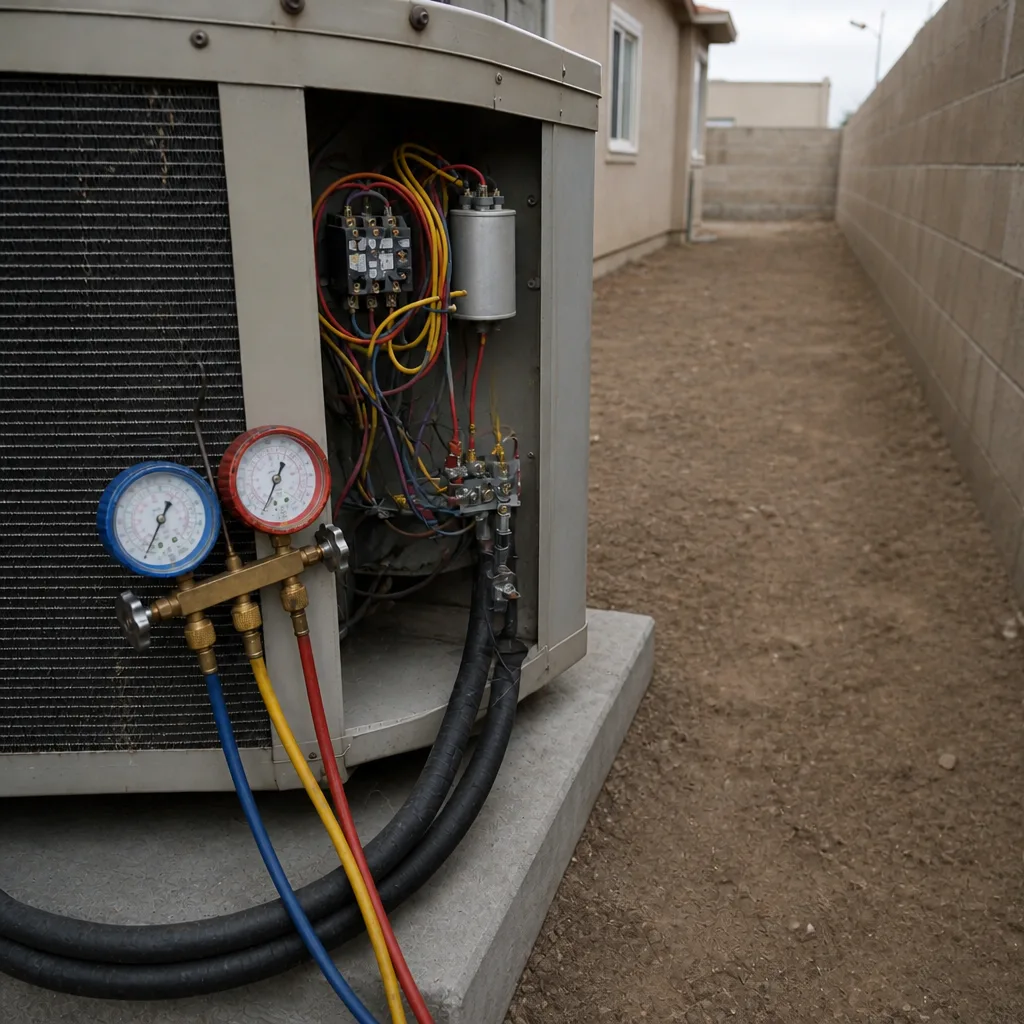
Where the outdoor unit goes matters more in Spring Valley than in most places, because it’s running hard for five months straight. A unit jammed against a block wall in full afternoon sun will run hotter, work harder, and shorten its compressor life.
The standard clearances you want:
- 12 to 18 inches of side clearance on the sides where air moves (more is better), and at least 12 inches from walls, fences, or other obstructions.
- 60 inches of vertical clearance over the top for discharge air.
- Pad at least 2 inches above grade and level – the unit must not sit in standing water or settle after install.
- Service access on the control panel side, at least 24 inches, so a technician can actually work on it.
Spring Valley HOA fence setbacks vary by subdivision. Some require the unit to sit behind the fence line with a specific enclosure, some prohibit the condenser in the front yard at all, and some allow it in the side yard with a screened enclosure. On the small side-yard lots common in Spring Valley subdivisions, our crews frequently find the original builder shoved the unit 6 inches from a fence – too tight. If you’re replacing, we’ll often reposition the pad to fix that, which is cheap to do during an install and expensive to fix after the fact.
If you’re on a tight lot and considering a heat pump as part of a broader system overhaul, our Dalton Heating & Air Spring Valley home page lays out the full range of what we do here.
What the Dalton written installation guarantee covers
Every install we do in Spring Valley comes with our 365-Day Done Right Promise: if something we installed isn’t right, we come back and make it right, for a full year. It’s not a 30-day window and it’s not an upgrade – it’s how we work, and it’s a term of The Garrison Standard, the code every Garrison Partners location is held to.
What that written guarantee covers:
- Labor on the installation itself for 365 days from completion.
- Corrective work if the system isn’t performing to its commissioned spec – cooling capacity, airflow, static pressure.
- Refrigerant leaks traced to install work (line set, brazing, flare connections).
- Electrical or control wiring issues from the install.
- A free return visit if the system fails within the guarantee period.
The equipment manufacturer warranty is separate – typically 5 to 10 years on parts, sometimes 10 years on the compressor – and it only runs if the equipment is registered. Registration must happen after install, usually within 60 to 90 days. We register equipment on your behalf and hand you the confirmation, so a future warranty claim doesn’t hinge on you remembering a deadline.
What the guarantee doesn’t cover: damage from power surges, physical damage after install, or failures caused by someone else working on the system. If a manufacturer’s warranty transfers to a new homeowner, we’ll tell you the terms up front – Daikin and American Standard both allow transfer under specific conditions, and it’s worth knowing when you sell.
How to size a heat pump for a Spring Valley home
Sizing is the single decision that most determines whether your heat pump actually saves you money. Oversizing is the default mistake – it’s why some Spring Valley heat pumps ice up in summer, run short cycles that don’t dehumidify, and burn out compressors early. Undersizing means the system runs flat-out and never catches up on a 110°F afternoon.
What a proper sizing assessment looks like:
- Manual J load calculation – square footage, ceiling height, insulation level and location, window size orientation and glazing type, door count, duct location (attic vs. conditioned space).
- Duct assessment – static pressure, leakage, and whether the existing ducts can move the required CFM. A heat pump moves more air than a gas furnace of the same capacity; undersized ducts show up as noise, high static pressure, and short equipment life.
- Climate design temps for Spring Valley – not national averages.
- Match the heat pump’s capacity at design temperature, not its nominal tonnage. A 3-ton heat pump puts out different BTUs at 105°F than its rating; get the actual number from the manufacturer’s performance data.
If this section sounds like a lot, that’s the point – a real sizing job takes an hour or two of measurement, not a square-footage guess on the back of a business card.
Common Mistakes to Avoid
- Trusting an online payback calculator built for a cold climate. The heating-savings line item on those calculators gets inflated by climate assumptions that are wrong for Spring Valley, sometimes by $4,000 or more over the system’s life.
- Oversizing to “be safe.” A bigger unit costs more up front, runs shorter cycles, and shortens compressor life. Sizing follows the load calculation, not the salesman’s gut.
- Skipping the Manual J and duct assessment. Cheaper bids often skip both. When the system disappoints, the fixing cost lands on you.
- Ignoring your NV Energy rate plan. Buying a premium SEER2 unit while staying on an inefficient rate plan wastes most of the upcharge. Configure around the rate.
- Buying a cold-climate package you don’t need. Spring Valley’s heating load is tiny; a unit engineered for Minnesota winters is overkill and the upcharge is real. Buy the cold-climate package only if your system does double duty on a heat-pump-only setup with no backup.
- Forgetting to register the equipment. An unregistered system can void the manufacturer warranty. Registration is easy and it matters at year eight.
- Placing the condenser 6 inches from a fence. It’s the most common Spring Valley install we correct – a pad reposition during fresh install costs a few hundred dollars; a burned-out compressor costs thousands.
See the difference
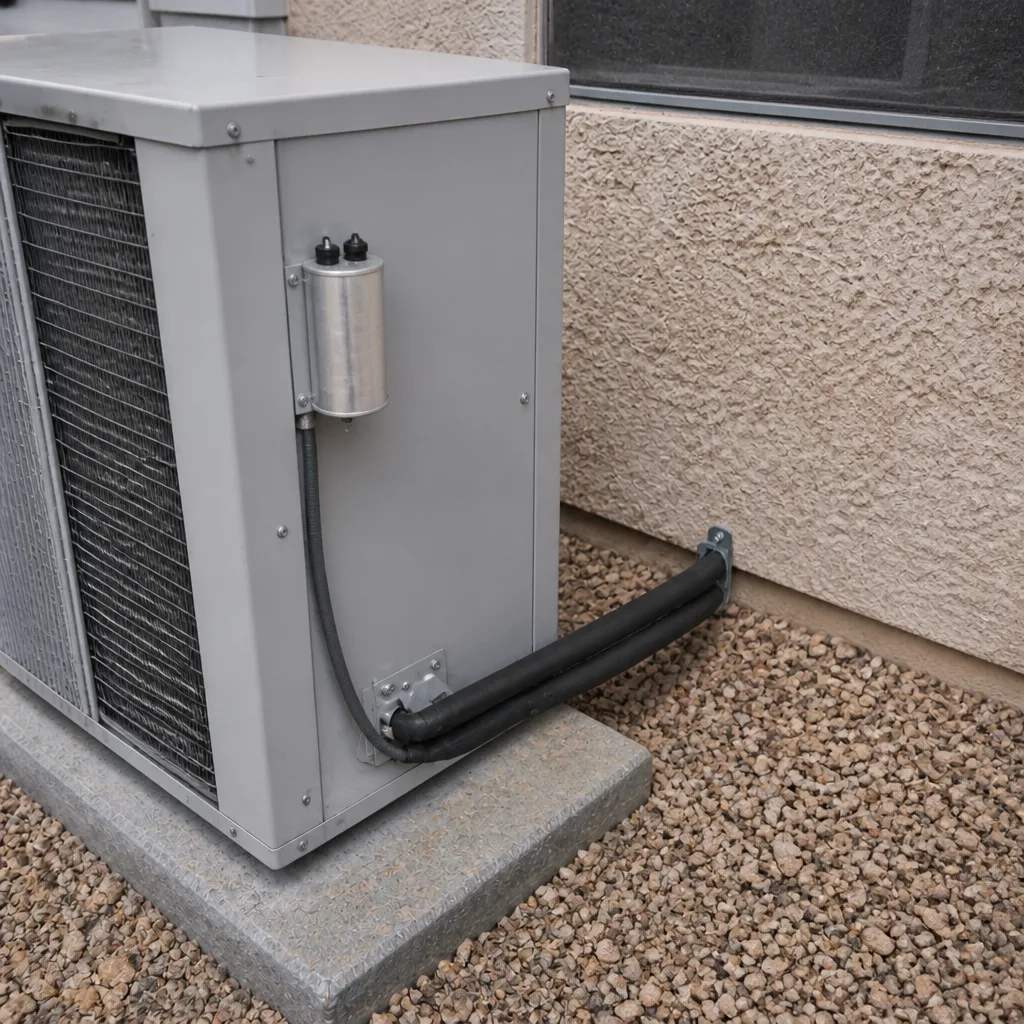
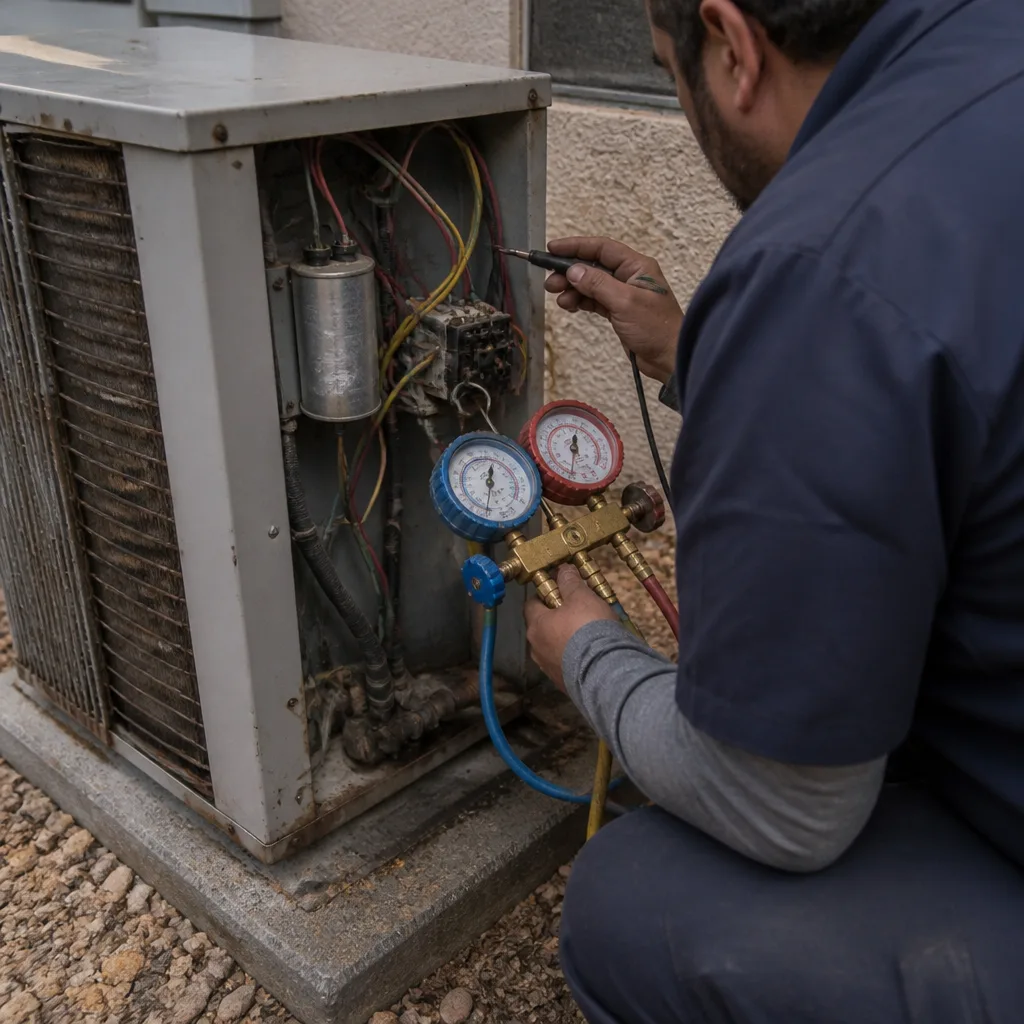 Before
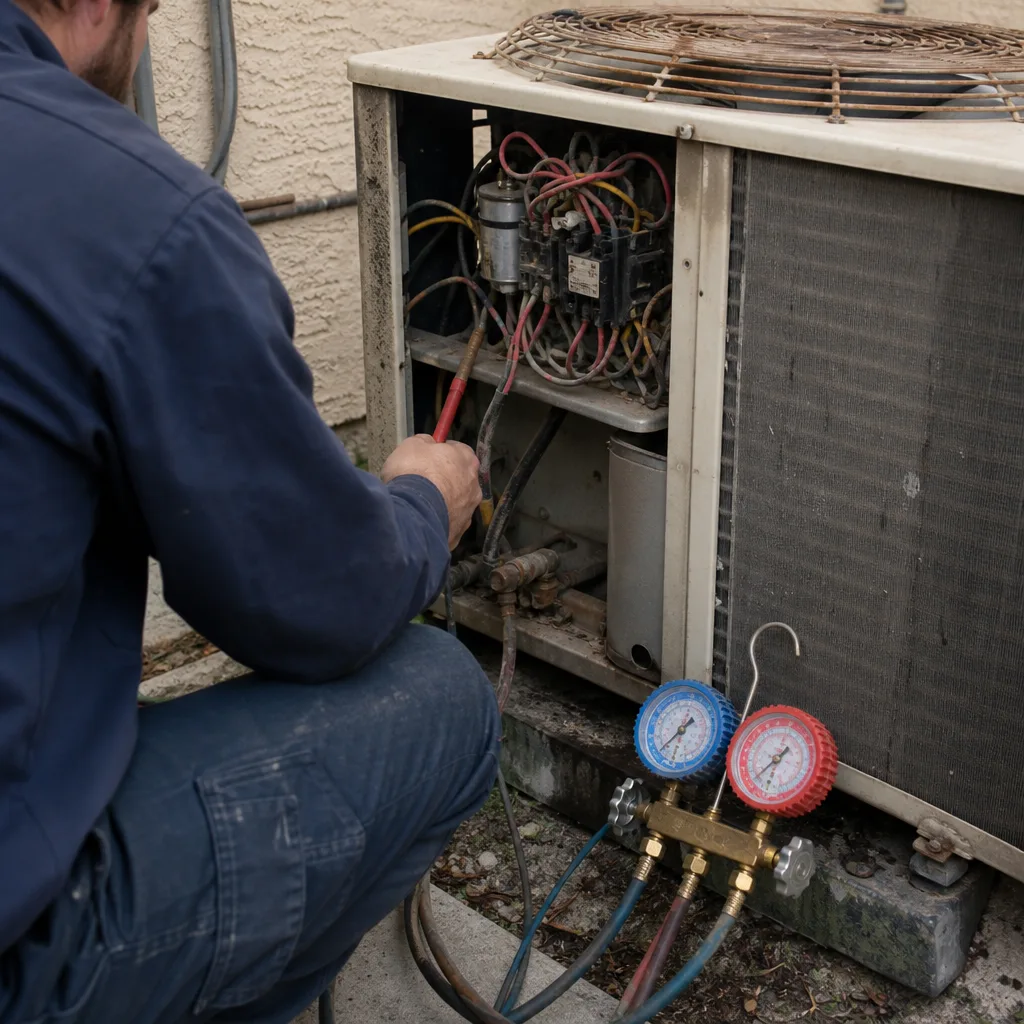
 After
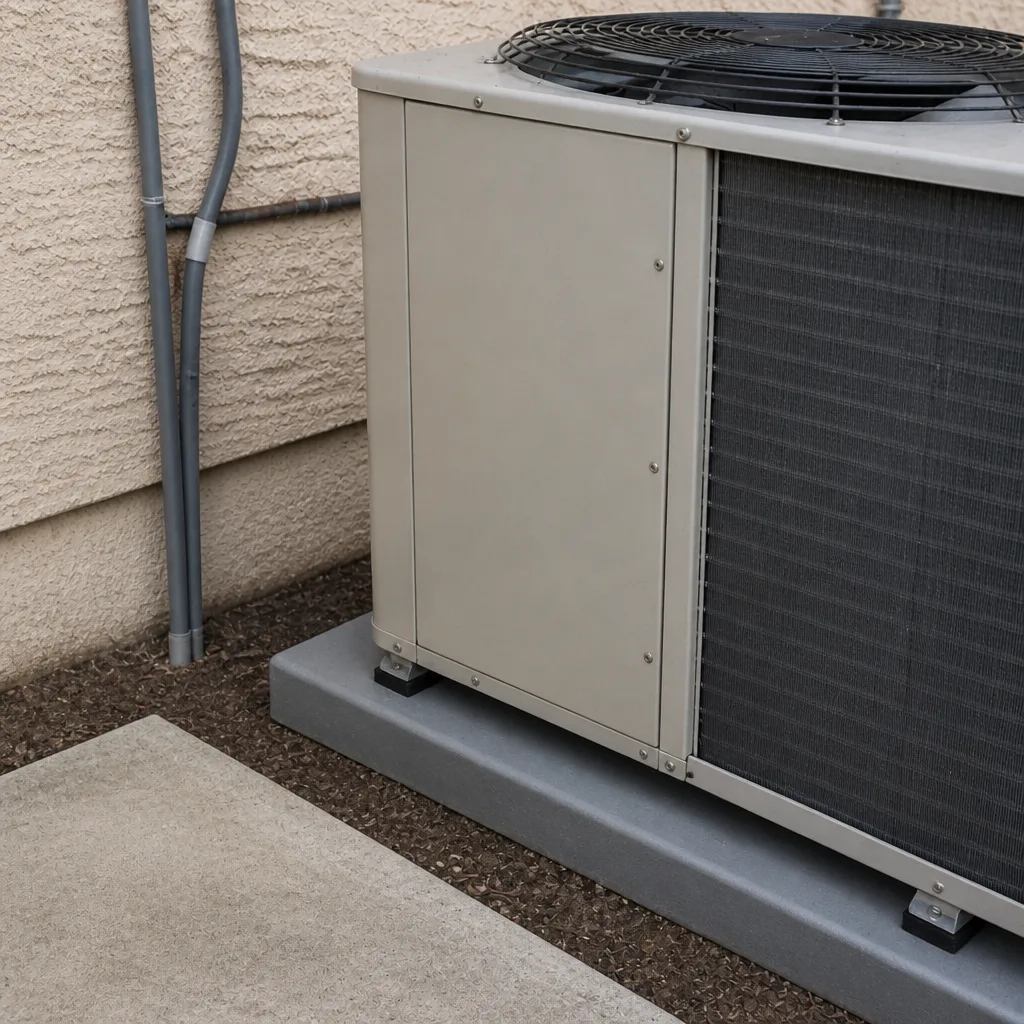
 Before
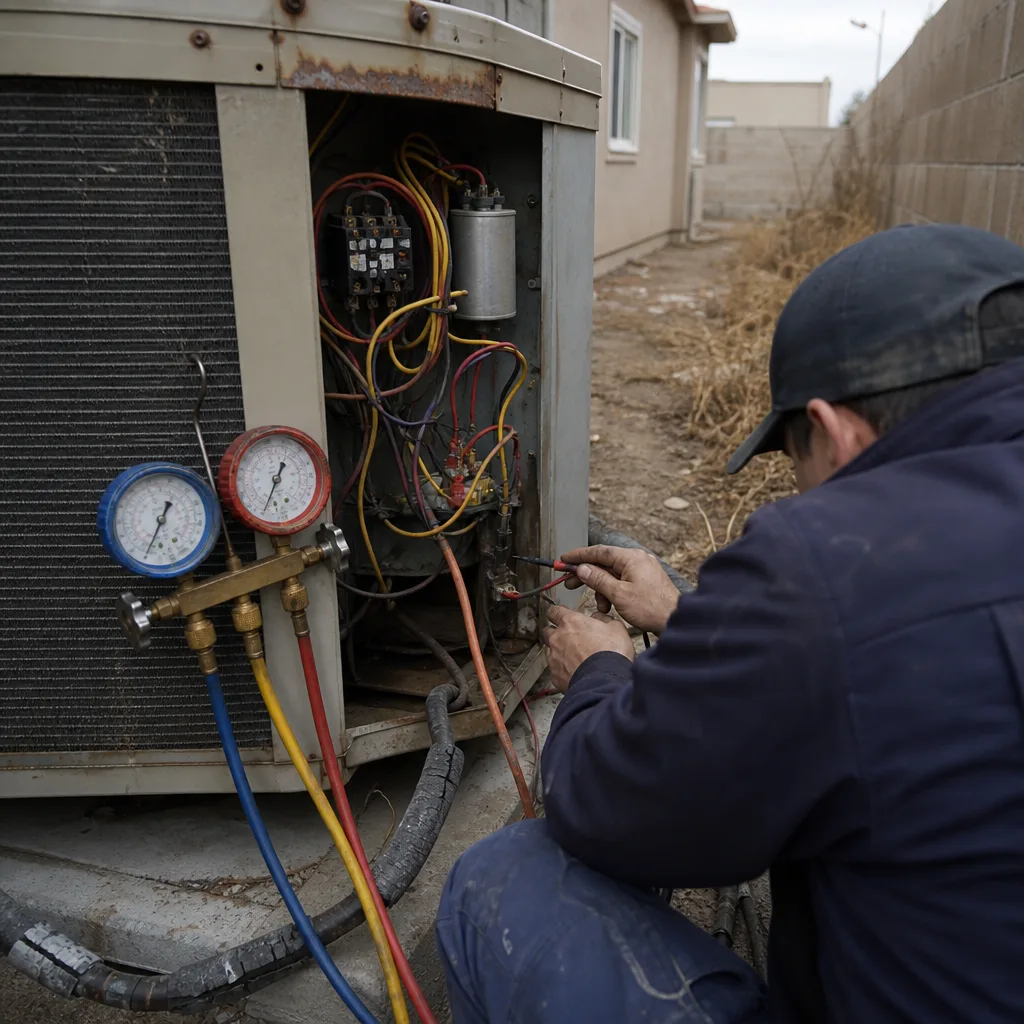
 After
 Before
 After
When to Call a Professional
Call for a heat pump install quote when: your AC and furnace are both past their expected life and you’re facing two replacements anyway; you want to eliminate gas service entirely and stop paying Southwest Gas monthly charges; your current system is undersized for your home or your ducts can’t keep up; or you’re replacing in a house with no prior permits on file. Heat pumps run high voltage and refrigerant under pressure. Refrigerant handling requires EPA certification, the electrical work requires a licensed electrician, and any DIY mistakes here can injure you or void your manufacturer warranty before the system ever runs.
Dalton Heating & Air Spring Valley offers free estimates in Spring Valley – call (888) 268-6106. Every estimate includes a written price before any work begins and a documented load calculation.
Frequently Asked Questions
Usually yes, but for different reasons than in cold climates. In Spring Valley the value comes from cooling-side efficiency, eliminating gas service charges, and replacing two aging systems with one – not from heating savings, since heating demand here is minimal. If you’re only replacing a healthy furnace, the payback is thin. Call (888) 268-6106 for an honest written comparison based on your actual home.
Most installations run $8,500 to $18,000 installed, depending on tonnage, ductwork, electrical, and whether you’re doing a straight heat pump or a dual-fuel setup. That range includes the Clark County permit and equipment registration. Call (888) 268-6106 for an exact quote – estimates are free and written.
No. Heat pump installation is scheduled, not same-day. It requires a load calculation, permit filing with Clark County, equipment ordering, and a set install date – usually two to three weeks out depending on equipment availability. What we commit to is a written fixed price, a confirmed install date, and paperwork handled for you. Call (888) 268-6106 to start the assessment.
Yes. Federal tax credits under the Inflation Reduction Act apply to qualifying high-efficiency heat pumps, and NV Energy has offered residential efficiency incentives for qualifying equipment in its service territory. Program terms change, so we verify current eligibility for every install and handle the paperwork on your side. Call (888) 268-6106 for what you qualify for.
Yes – and that’s the main point here. Modern inverter-driven heat pumps (Carrier, Daikin, and Bryant all make strong units) are engineered to deliver rated cooling at 110°F and above. The right matchup for Spring Valley is a heat pump sized for cooling load, not heating load. Oversized units fail in the heat; correctly sized ones don’t.
Your HOA certainly might. Many Spring Valley subdivisions have specific rules on condenser placement, screening, and visible equipment, and some require architectural approval before install. We flag those requirements during the site assessment so you’re not removing a pad after the fact. Clark County permit inspection is separate from any HOA requirement – both have to be met.
The Bottom Line
Heat pump installation in Spring Valley is a cooling-and-efficiency decision more than a heating one, and the payback math only works when it’s built on real local numbers. If you’re replacing both systems, buying around NV Energy’s TOU rate rather than the nameplate rating, sizing to a proper Manual J load calculation, and choosing a contractor who documents the Clark County permit and registers the equipment, a heat pump can cut your annual operating cost and simplify your home to one system. If you’re replacing a healthy furnace with no cooling gains on the table, it usually doesn’t. Every install we do carries the 365-Day Done Right Promise, a written price before work starts, and background-checked technicians who show up inside the window.
Written by the team at Dalton Heating & Air Spring Valley.