
Last updated November 17, 2026
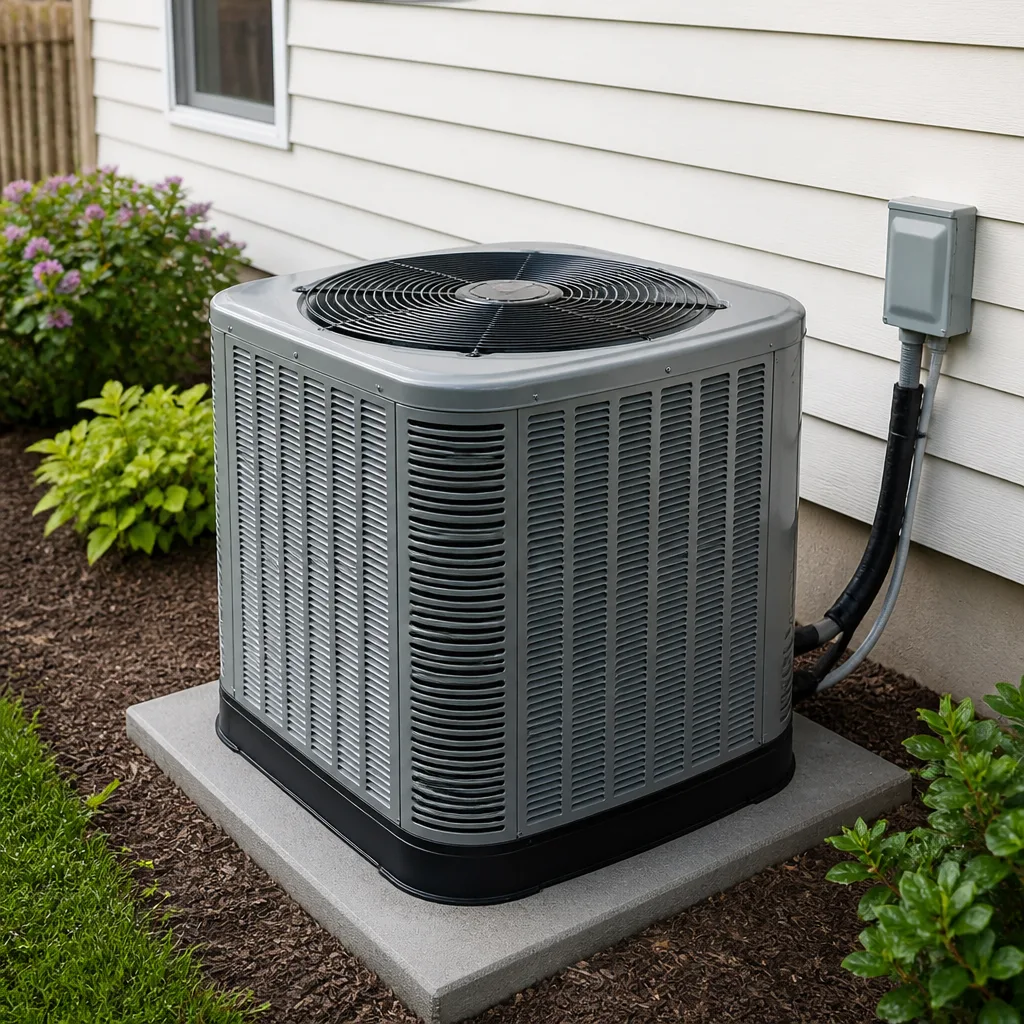 AC repair
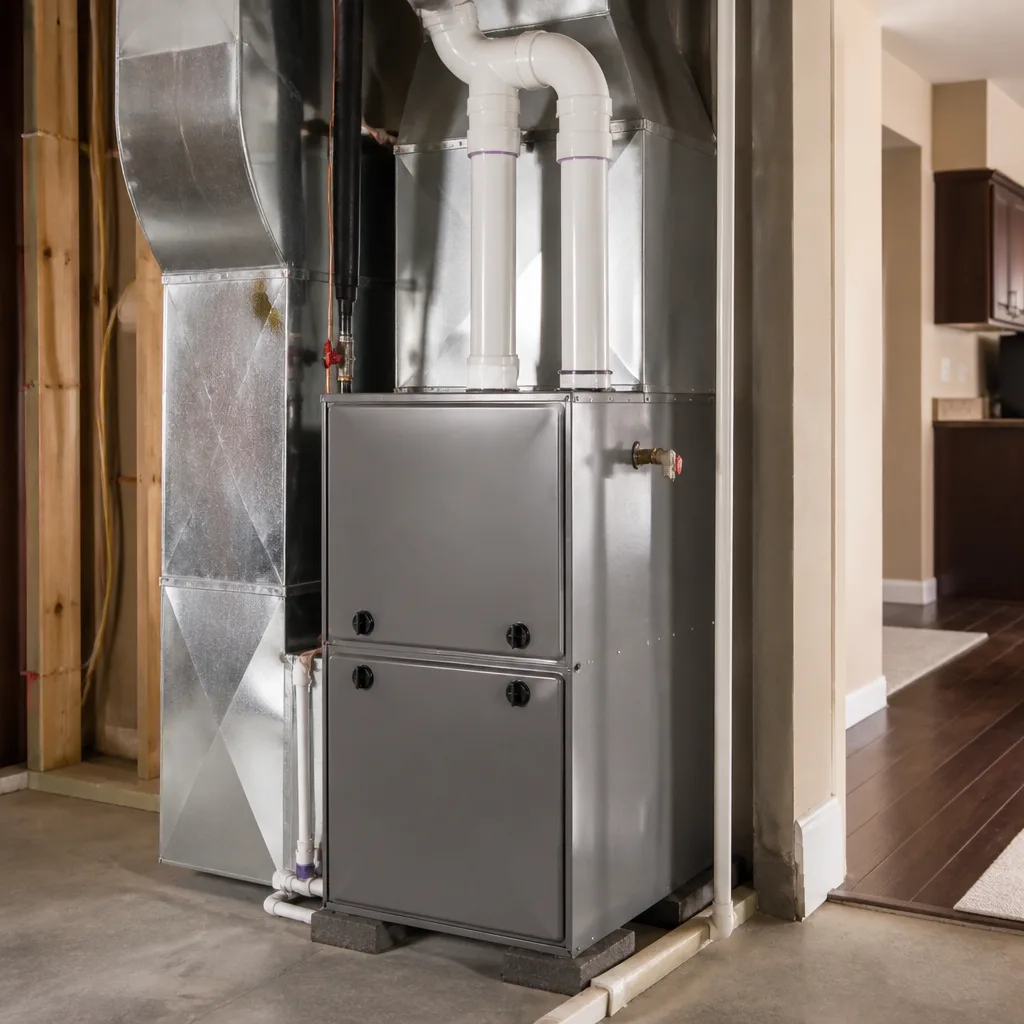 Furnace & heating
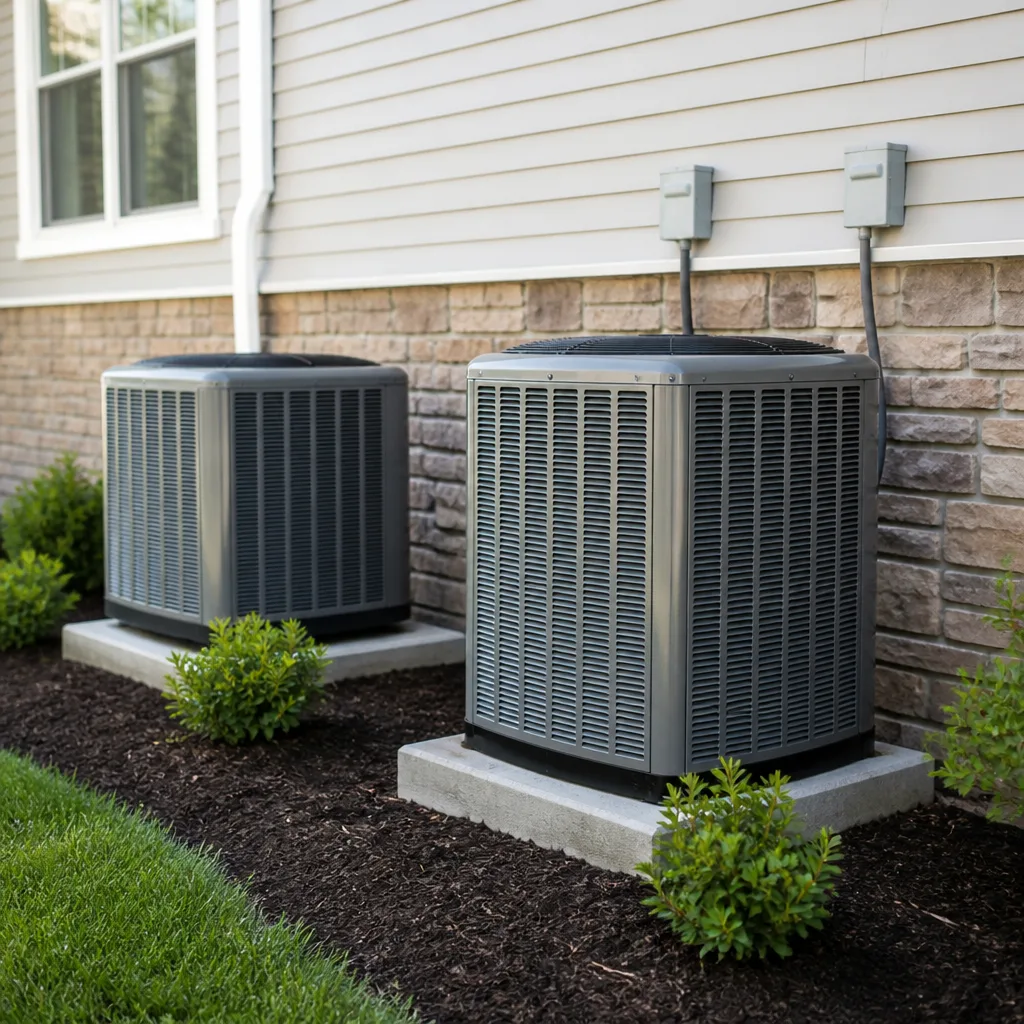 Heat pumps
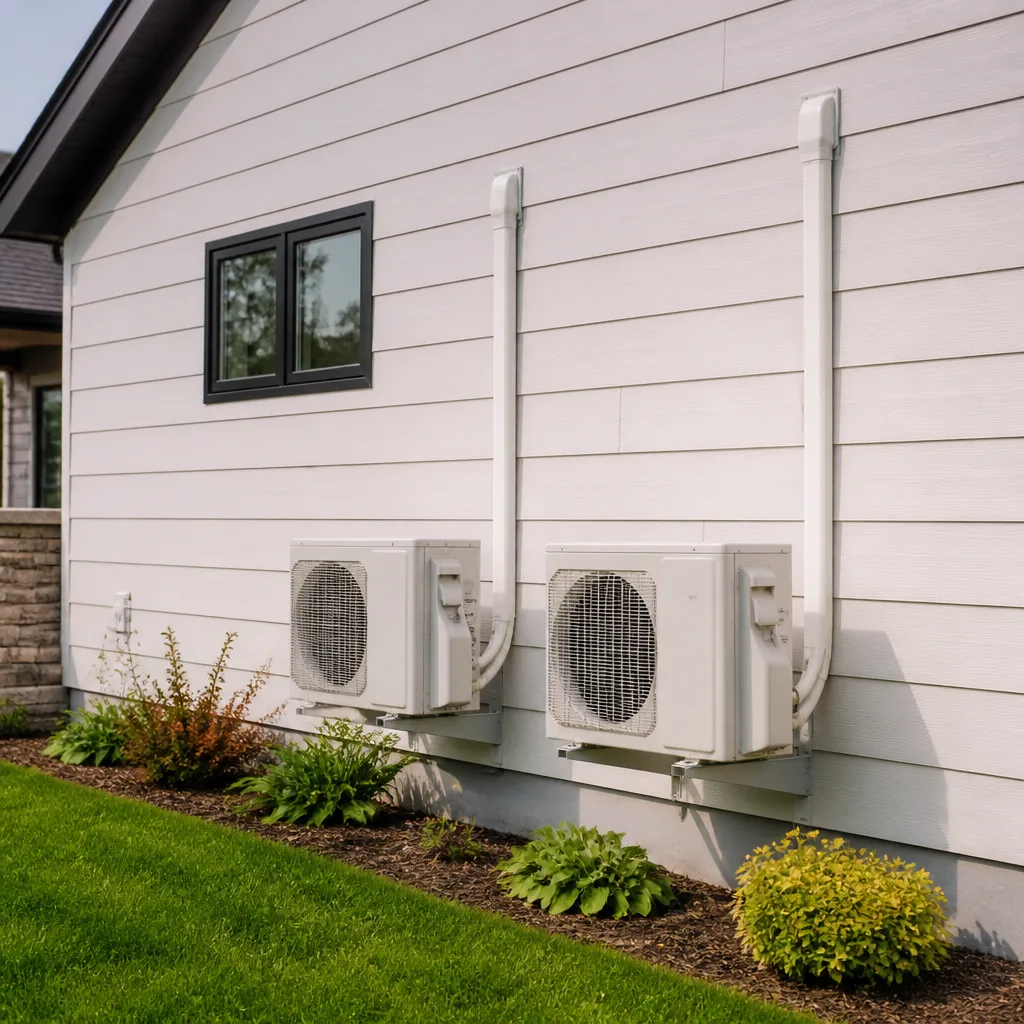 Ductless mini splits
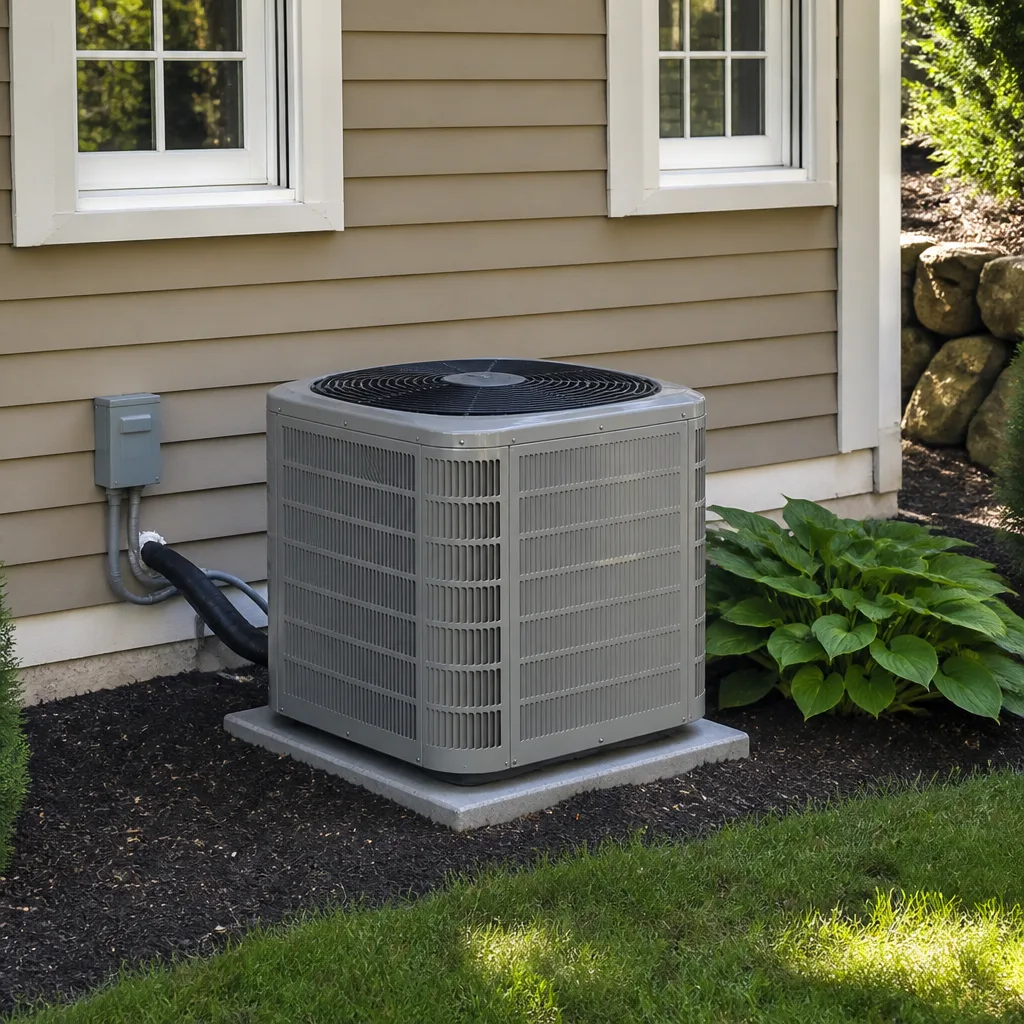 Carrier
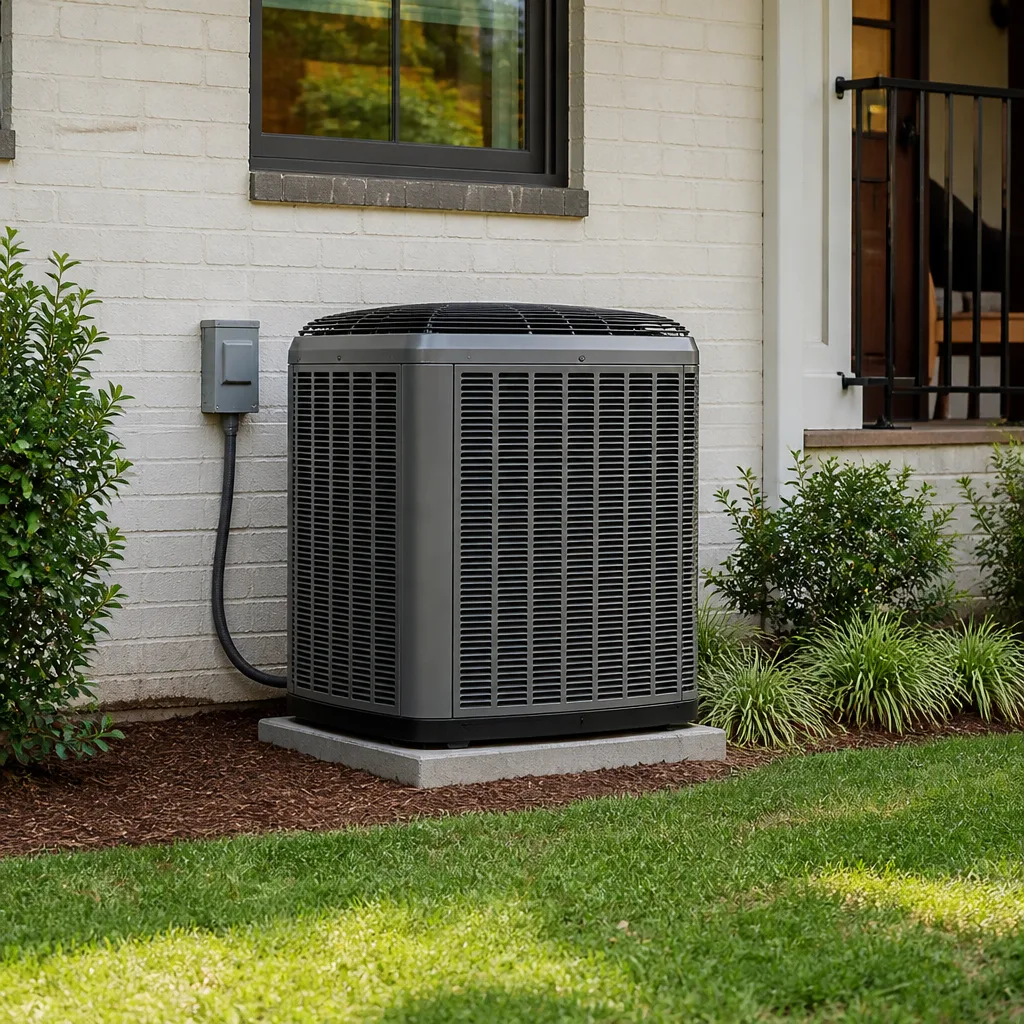 Trane
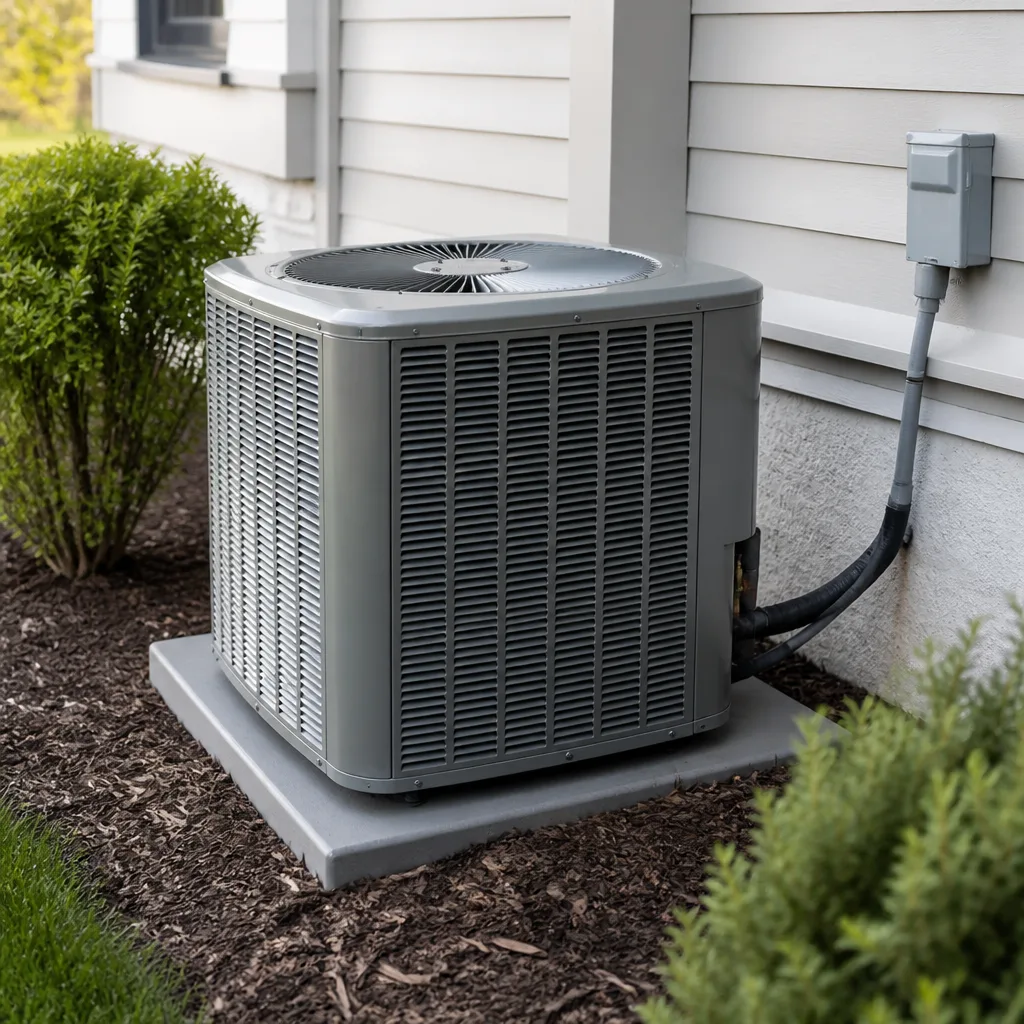 Goodman
Seasonal tune-up and full diagnostic on your Carrier, Trane, or Goodman system - readings shown to you before any repair is proposed
Diagnosis first, numbers second - you approve the repair price before a single part goes in.
Get your free estimateThe Complete Guide to HVAC in Spring Valley
The average Spring Valley home runs its air conditioner roughly 2,800 hours a year. That is about three times the national average, and it changes almost everything about how a heating and cooling system should be bought, installed, and maintained here. Advice written for a Chicago or Atlanta homeowner quietly fails when your condenser is working that hard. This guide treats Spring Valley’s real conditions as the starting point: Mojave Desert caliche soil, Clark County permitting, and cooling loads that run hotter and longer than the national playbook assumes. By the end you’ll know what to check, what things cost, and how to tell a service agreement you can enforce from one that’s just marketing.
Quick Answer
HVAC in Spring Valley means buying and servicing equipment for extreme cooling hours, not average ones. Your system needs a maintenance rhythm that matches roughly 2,800 annual cooling hours, a condenser pad that survives caliche soil, permits pulled through Clark County rather than Las Vegas city hall, and a SEER2 rating chosen for payback in the desert rather than national marketing. Get those four things right and the equipment lasts; get them wrong and you’ll be paying for repairs a milder climate never triggers.
Styles & brands we work with
- AC repair
- Furnace & heating
- Heat pumps
- Ductless mini splits
- Carrier
- Trane
- Goodman
Table of Contents
- Why Spring Valley’s Cooling Hours Change Everything
- Clark County Permits, Not Las Vegas City Hall
- Which SEER2 Rating Actually Pays Back Here
- Caliche Soil and Your Outdoor Unit
- A Maintenance Schedule Built for the Desert
- What Written Pricing Should Actually Say
- Repair or Replace: The Spring Valley Math
- What HVAC Work Costs in Spring Valley
Why Spring Valley’s Cooling Hours Change Everything
Manufacturers write maintenance schedules around average use. In Spring Valley, use is not average. A system running 2,800 hours a year cycles its compressor, capacitors, and contactors far more often than the same unit in a mild climate, and every one of those components wears on a cycle count, not a calendar. That gap explains a lot of the spring failures we see across the valley.
Three parts take the punishment first:
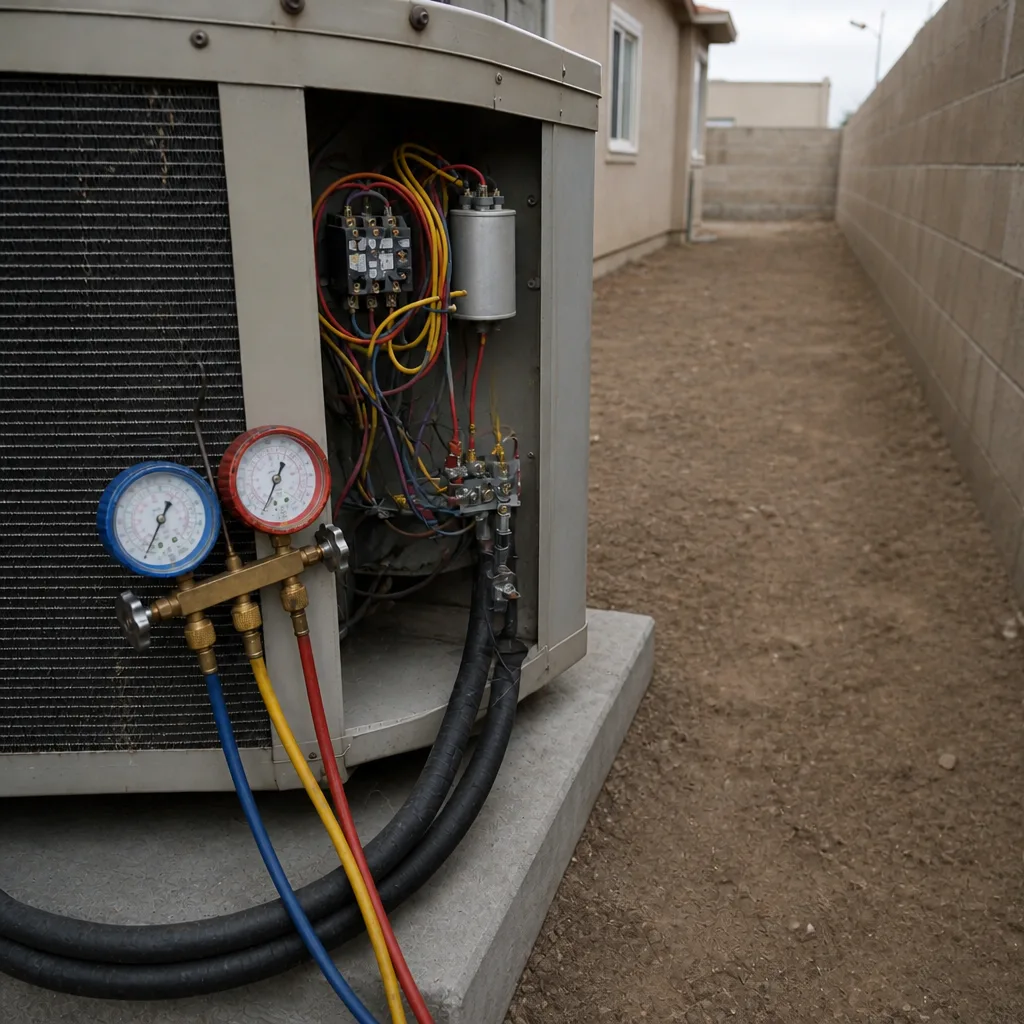
- Refrigerant charge. More run time means more thermal expansion at every joint and fitting, which means tiny leaks open and the charge drifts low long before a manufacturer’s annual check would catch it. A refrigerant recharge (topping off the cooling fluid your system needs to reach set temperature) shows up as a system that runs but never quite reaches the thermostat setting.
- Run and start capacitors. These store the jolt that starts the compressor and fan. On a desert duty cycle they fail years earlier than the national average. A weak capacitor is one of the most common no-cool calls we get.
- Evaporator coil fouling. Dust, pollen, and dry air combine to coat the indoor coil faster here. A fouled coil makes the system work harder and cool less, and it’s easy to miss without a proper inspection.
The practical takeaway: treat the manufacturer’s maintenance interval as a floor, not a plan. In Spring Valley, a spring tune-up that checks charge, capacitors, and coil condition is not optional upkeep. It’s what keeps a hard-working system from failing on the first 110-degree day of the year.
Clark County Permits, Not Las Vegas City Hall
Most of Spring Valley sits in unincorporated Clark County, which surprises a lot of homeowners who assume “Las Vegas” covers it. It doesn’t. Permit jurisdiction matters because a replacement system, a duct change, or a major electrical upgrade on the HVAC side has to be permitted through the right authority, inspected by the right authority, and closed out the same way. Pull through the wrong office and you can end up with a job that passed nobody’s inspection and a paperwork trail a future buyer or insurer will question.
Here’s what that means in practice:
- Confirm the jurisdiction before work starts. Ask your contractor which authority they’re pulling the permit through. If they can’t tell you plainly, that’s a flag.
- Expect an inspection, not just an install. A permitted replacement gets inspected. That inspection is your protection that the work meets code.
- Keep the paperwork. The permit record and inspection sign-off belong with your home records. They matter at resale.
- Be wary of “no permit needed” claims. For a straight like-for-like swap there are cases where that’s true, but a contractor who says it about every job is skipping a step you’ll pay for later.
This is one place where local knowledge separates a real HVAC company from a generalist. A crew that works Spring Valley every week knows the county process cold. A crew that mostly works inside Las Vegas city limits may not.
Which SEER2 Rating Actually Pays Back Here
SEER2 is the current efficiency rating for cooling equipment, and it’s marketed nationally as if higher is always better. In Spring Valley, “higher is always better” is not quite true. Payback depends on how many cooling hours you run, and the desert runs a lot, which means an efficiency upgrade pays back faster here than almost anywhere. But there’s a ceiling: past a certain point you’re paying for efficiency that never earns its price back in this climate.
Rough guidance for a Spring Valley home:
- Entry-efficiency equipment makes sense if you’re on a tight budget and the home is well sealed. It runs more, costs less up front.
- Mid-efficiency equipment is usually the sweet spot here. The cooling hours are high enough that the monthly savings add up to a real payback over the equipment’s life.
- Top-efficiency equipment can pay back, but only in a home that’s already well insulated and duct-sealed. If the ducts leak, that premium efficiency leaks out with them.
The other half of the equation is the load calculation: a proper Manual J load calc (the industry method for sizing a system to the actual house) written for a mild climate will undersize your system for Spring Valley’s real cooling demand. An undersized system never shuts off, which wears it out early and drives your bill up. We have seen this repeatedly in Spring Valley: equipment sized off a national rule of thumb instead of the actual house and actual climate. Right-sizing comes first, efficiency rating second.
Caliche Soil and Your Outdoor Unit
Caliche is the hard, cemented layer of soil common across the Mojave, and it does things to an outdoor condenser that don’t show up in a national maintenance checklist. A condenser pad sitting on caliche can shift, settle unevenly, or tilt over a few seasons. An outdoor unit that’s out of level runs its compressor under strain, and it can develop noise and vibration that wears bearings and mounts.
What to watch for and what to do:
- Check the pad each spring. Look for cracks, tilt, or a pad that’s separated from the ground. A unit leaning even slightly is worth a look.
- Keep the clearance clear. Two feet of clear space around the unit keeps airflow moving. In Spring Valley, dust and debris collect in that space fast.
- Don’t let anyone “fix” leveling with a rock or a shim. A pad that has failed needs proper support, not a temporary wedge.
- Ask about pad condition at install. When a new system goes in, the pad and the ground under it are part of the job, not an afterthought.
Caliche stability also affects how a duct run is supported and how equipment is set. In our experience, Spring Valley installs that ignore the soil type are the ones that come back a few years later with a unit that’s settled and a homeowner wondering why the system sounds different than it did on day one.
A Maintenance Schedule Built for the Desert
Because your system works harder, your maintenance rhythm should be tighter than the national default. A generic once-a-year check written for a mild climate doesn’t catch what 2,800 cooling hours do. Here is a schedule that matches Spring Valley conditions.
- Early spring (before the heat). Full tune-up: check refrigerant charge, test capacitors and contactors, clean the condenser coil, inspect the pad and level, check the drain line. This is the one that prevents the first-hot-day failure.
- Mid-summer. Change or clean the filter, check the outdoor unit clearance, and listen for new noise or vibration. A quick mid-season look catches a weak capacitor before it strands you.
- Fall. Switch focus to heating. Test the heat pump’s heating mode or the furnace’s ignition and safety controls before the first cold snap.
- Winter (light use). Filter changes and a visual check. Heating loads in Spring Valley are light, but the system still needs to be ready when it’s called on.
Two filters a year is the national answer. Here, in a dusty desert climate, three or four is closer to right, and more if you have pets. A clogged filter makes everything downstream work harder, from the blower to the coil. You can find our Dalton Heating & Air Spring Valley home for scheduling, and the maintenance specifics for cooling systems live on the AC Repair in Spring Valley page.
What Written Pricing Should Actually Say
“Written pricing” and “on-time arrival” are thrown around as marketing lines. As enforceable terms in a service agreement they mean something specific, and you should be able to hold a company to them. Here’s what to look for before you sign anything.
- The price is in writing before work starts. Not a range, not “starting at,” not a verbal estimate. A number on paper that you agree to before a wrench turns. If a price changes at the door, the agreement wasn’t written pricing.
- The arrival window is a commitment, not a guess. A real window is specific (“between 10 and noon”), and the company treats it as a term. A vague “sometime this afternoon” isn’t a commitment.
- The guarantee has a date on it. A guarantee on a repair should state exactly how long it lasts and what happens if the repair fails in that period. A 30-day window is a handshake. A full year in writing is a guarantee.
- A free return visit is spelled out. If the work doesn’t hold, who comes back, and at what cost? It should say “no charge,” plainly.
This is the standard we hold ourselves to at Dalton Heating & Air Spring Valley. Every job includes the price in writing before any work begins, a written guarantee on every repair, and a free return visit if the repair fails within the guarantee period. The 365-Day Done Right Promise means a full year of coverage, not a token window. We’re part of a Garrison Partners network held to The Garrison Code: arrive inside the stated window, price in writing before starting, do the job by the book, leave the site clean, and stand behind the work for a full year. Calls are answered by a live person 24/7, and our technicians are background-checked and factory-trained on nine major brands including Carrier, Trane, and Lennox.
Repair or Replace: The Spring Valley Math
In a hard-working desert climate, the repair-or-replace call comes faster than the national guides suggest. A system that sees 2,800 cooling hours a year is effectively older than its calendar age. Two rules help frame the decision.
- The $1,500 rule. If the repair costs more than about $1,500 and the system is past 12 years old, replacement usually makes more financial sense. In Spring Valley’s heat, a system that old is already on borrowed time.
- The repeat-failure rule. If you’ve had two or more repairs of the same type in a single season, the component is telling you it’s done, and patching it again is throwing money at a system that’s already leaving.
When you do replace, size it correctly with a load calc done for this climate, choose a SEER2 rating that pays back given the cooling hours, and confirm the pad and ductwork are part of the plan. for a heat pump or a full system, details on timing, rebate paperwork, and scheduling are covered on our Heat Pump Installation in Spring Valley page. If it’s the furnace side that’s failing, see Furnace Repair in Spring Valley for what to expect and what it costs.
What HVAC Work Costs in Spring Valley
Real numbers help more than ranges so broad they mean nothing. Here are typical Spring Valley price ranges for the most common jobs. A written quote will always be more precise than any table, but these give you a baseline so you know when a number is out of line.
- Spring tune-up: $99 – $189
- Capacitor replacement: $150 – $320
- Refrigerant recharge: $200 – $450
- Blower motor replacement: $400 – $800
- Compressor replacement: $1,200 – $2,200
- Full system replacement: $5,500 – $11,000 (equipment, installation, disposal)
- Condenser pad reset or replacement: $150 – $450
None of these should arrive as a surprise at the door. The price is put in writing before any work starts, and it doesn’t change once the work does. When you call, describe what your system is doing and whether it’s heating or cooling, and the estimate is free.
Common Mistakes to Avoid
- Skipping the spring tune-up because the system “seems fine.” In Spring Valley, a system can seem fine right up until the first 110-degree week. The tune-up is what catches a weak capacitor or a low charge before the heat stress finds them for you.
- Sizing new equipment off a national rule of thumb. A load calc written for a mild climate will undersize your system here. Always size to the actual house and the actual cooling hours.
- Letting a contractor pull permits through the wrong jurisdiction. Spring Valley is unincorporated Clark County, not the City of Las Vegas. Confirm the jurisdiction before work starts.
- Accepting a verbal price. A price that isn’t in writing before work starts is a price that can change at the door. The written number is the one you can hold a company to.
- Ignoring a leaning condenser pad. Caliche soil shifts, and an unlevel outdoor unit strains the compressor. A level pad is cheap to fix and expensive to ignore.
- Chasing the highest SEER2 rating without fixing the ducts. Premium efficiency leaks out of leaky ducts. Seal and insulate first, then spend on efficiency.
- Replacing a part rather than diagnosing the cause. A capacitor that keeps failing is telling you something is stressing it. Fix the stress, not just the symptom.
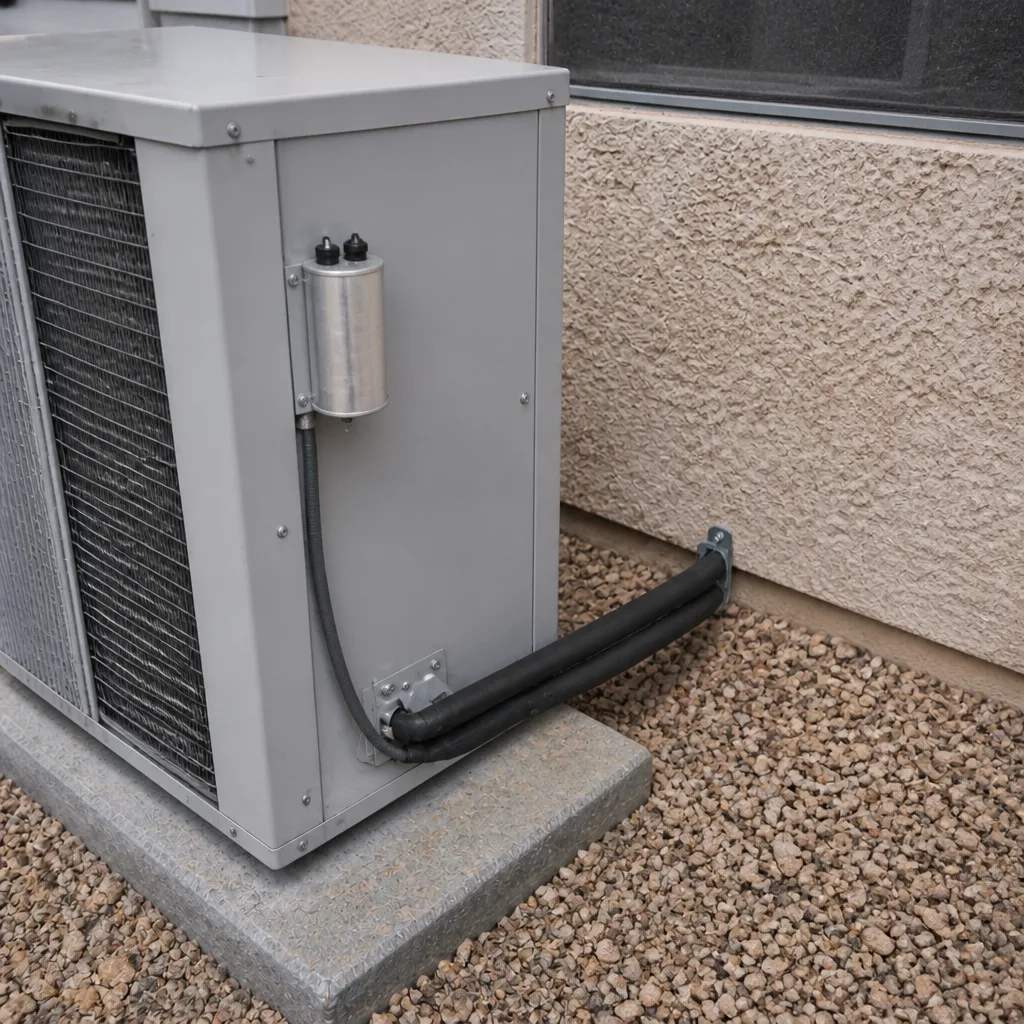
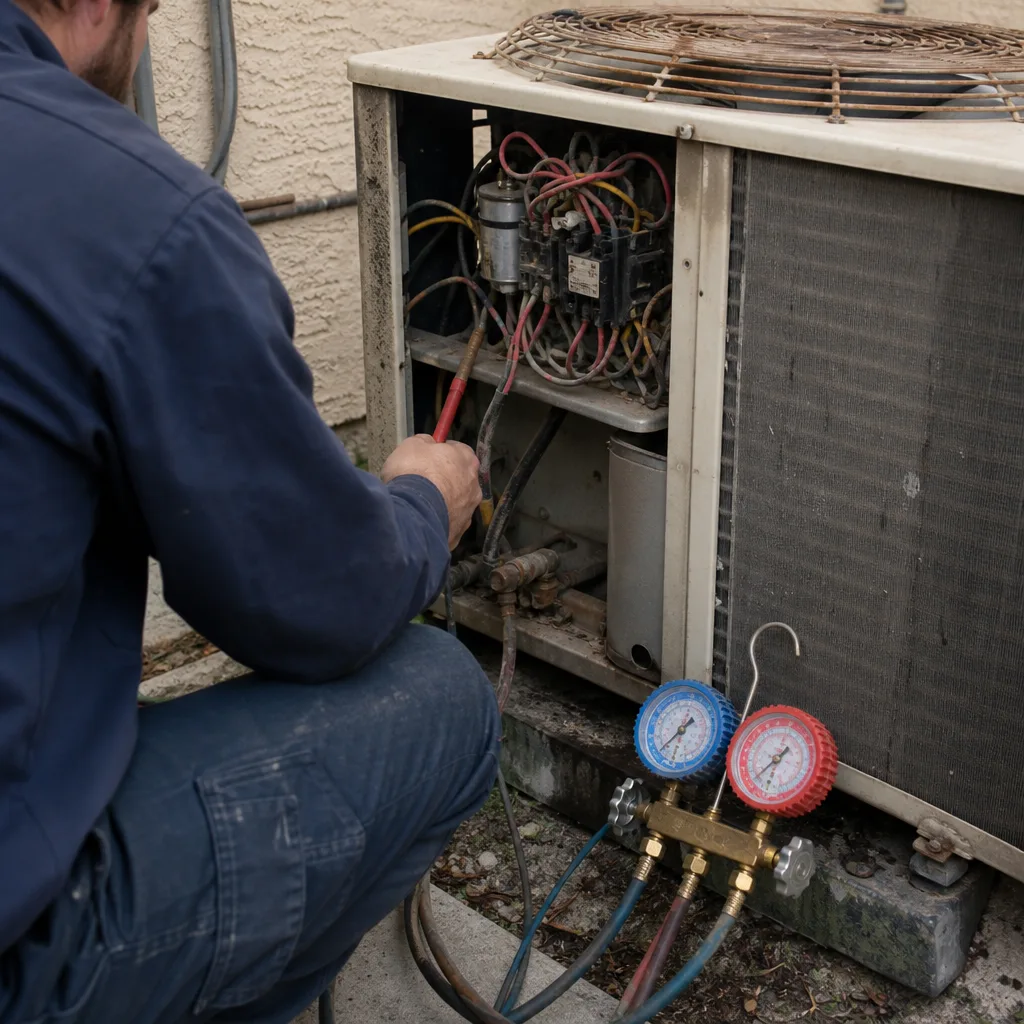
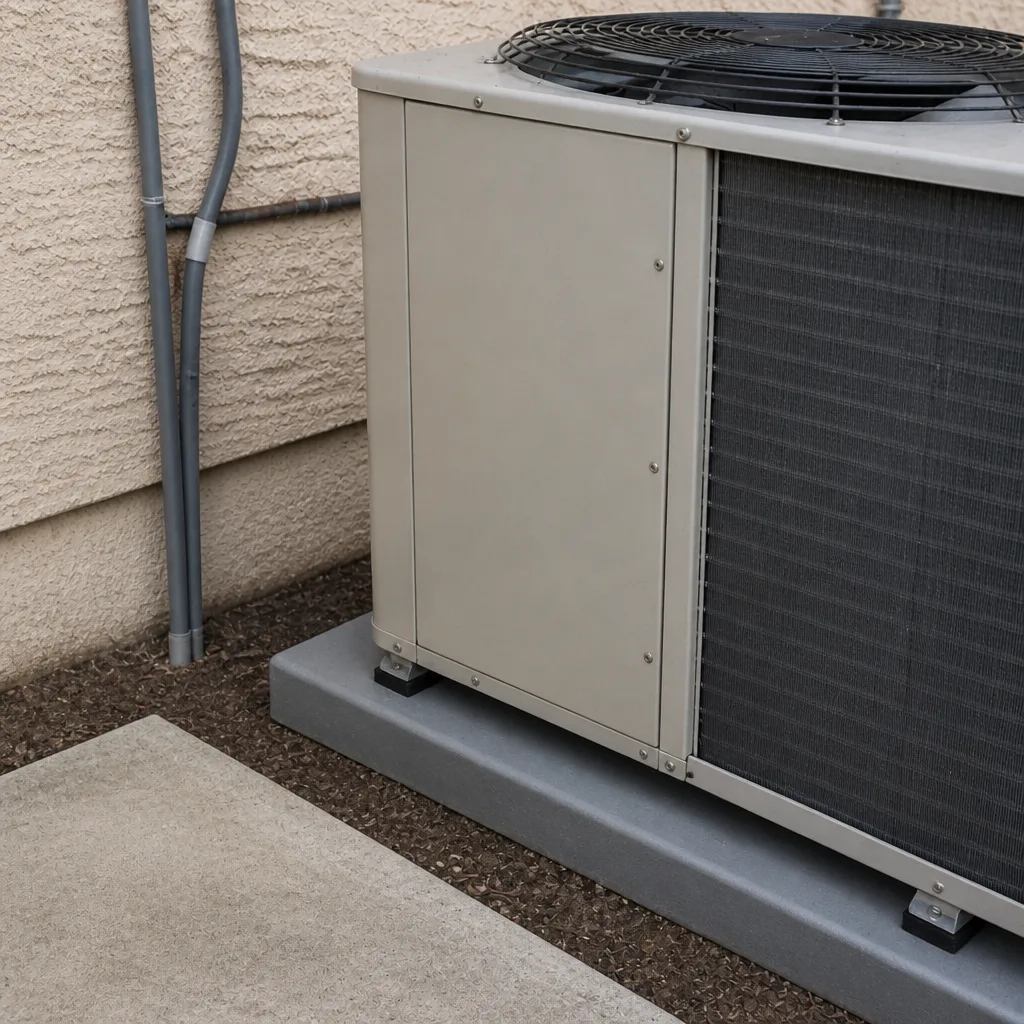
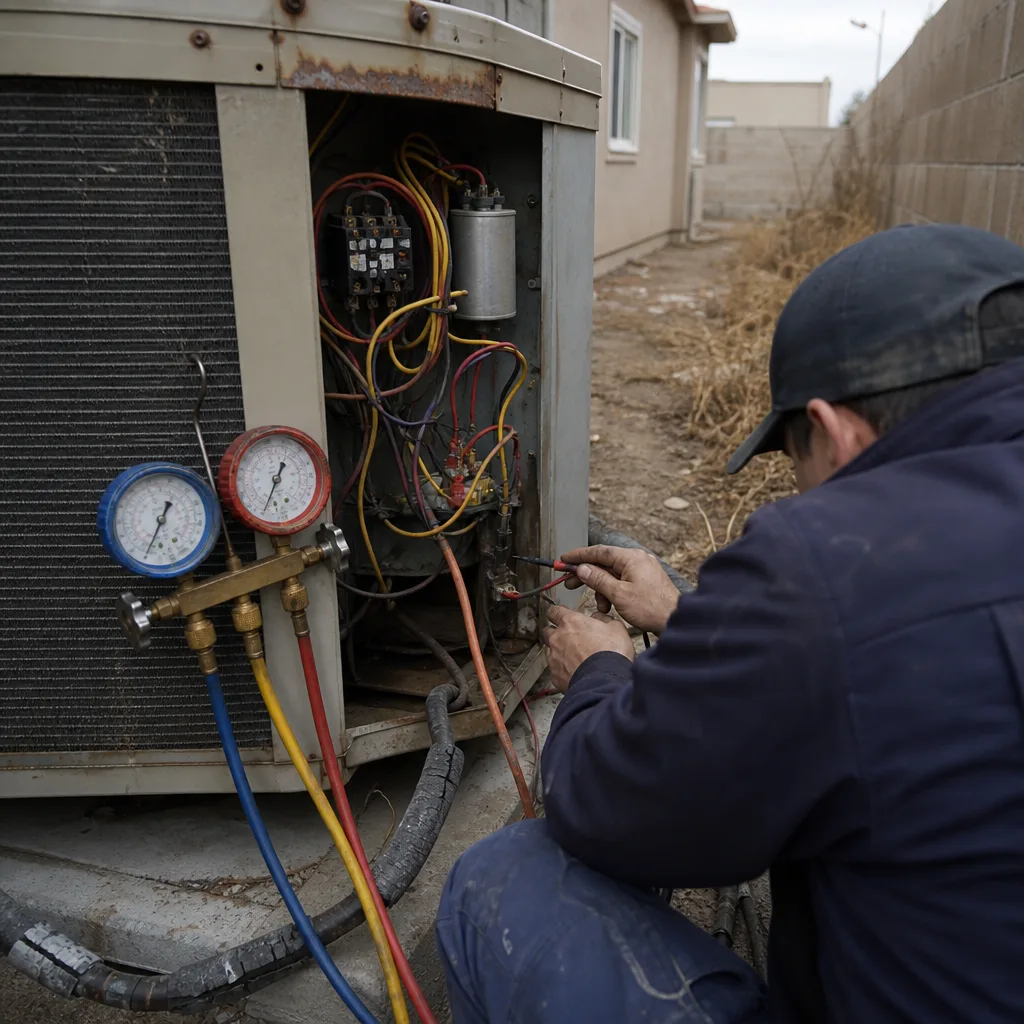
See the difference
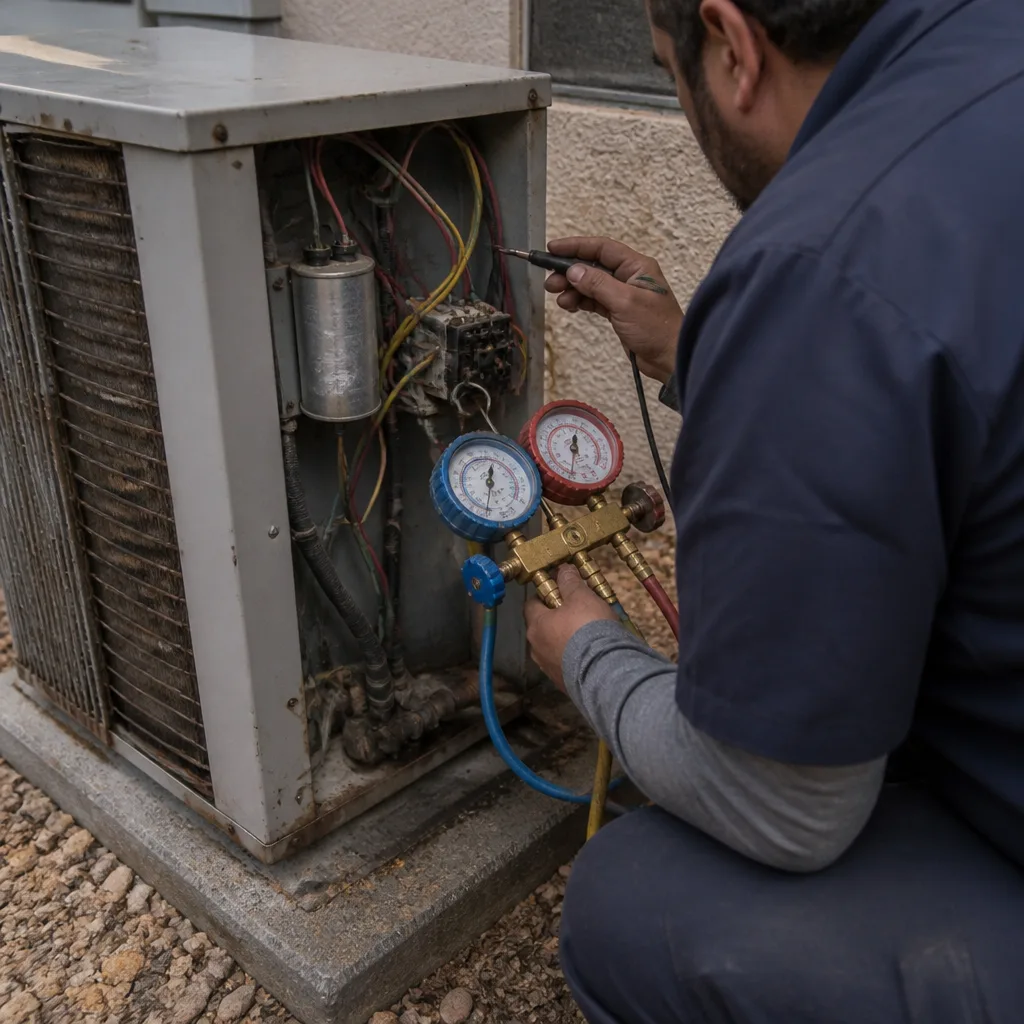 Before
 After
 Before
 After
 Before
 After
When to Call a Professional
Some jobs are maintenance; some are calls for a trained technician. Call a professional if your system won’t hold a set temperature, if you hear a hard clunk or a loud hum on startup, if the breaker trips when the unit comes on, if you see ice on the indoor coil or the refrigerant line, or if the unit is leaking water. Refrigerant handling, capacitor and compressor replacement, and any electrical work inside the unit carry real danger: high-pressure refrigerant and stored electrical charge in the capacitors can injure a homeowner, and an incorrectly charged system runs worse than it did before. Do not open the unit to attempt these yourself. Dalton Heating & Air Spring Valley offers free estimates in Spring Valley and a free second visit if a repair under our written guarantee fails. Call (888) 268-6106 to get an exact quote.
Frequently Asked Questions
Spring Valley’s roughly 2,800 annual cooling hours wear out capacitors, refrigerant charge, and coils faster than a national maintenance schedule expects. That means a spring tune-up is a must, filters change more often, and refrigerant and capacitor checks belong on every visit.
Spring Valley is unincorporated Clark County, so HVAC permits usually pull through Clark County rather than the City of Las Vegas. Confirm the jurisdiction before work starts and keep the inspection paperwork with your home records.
Mid-efficiency SEER2 equipment is usually the sweet spot in Spring Valley, because the high cooling hours make the efficiency payback real without paying for efficiency that never earns back its price. In a well-sealed home with sealed ducts, a higher rating can pay back too.
Replace if the repair costs more than about $1,500 and the system is past 12 years old, or if you’ve had repeat failures of the same part in one season. Otherwise, repair usually makes sense, provided the price is in writing and the repair is guaranteed.
A spring tune-up in Spring Valley typically runs $99 – $189 depending on the system. The tune-up checks refrigerant charge, capacitors, coil condition, drain line, and pad level, and you get a written report of what was found before any work is recommended.
For no-cool and no-heat emergencies in Spring Valley, same-day service is usually available, and you can reach a live person 24/7. Call (888) 268-6106 for an exact quote and an arrival window.
The Bottom Line
Spring Valley HVAC is not generic HVAC. Your system runs about three times the national average, so maintenance matters more, payback on efficiency comes faster, and parts wear on a different clock. Get the four local things right: a maintenance rhythm built for 2,800 cooling hours, permits through Clark County, right-sized equipment with a desert-grade load calc, and a pad that survives caliche soil. Then insist on written pricing before work starts and a guarantee with a date on it. Find answers and scheduling at our Dalton Heating & Air Spring Valley home, or call (888) 268-6106 for a free estimate – we’re a Garrison Partners company bound to The Garrison Standard on every job.
Written by the team at Dalton Heating & Air Spring Valley.