
Last updated November 17, 2026
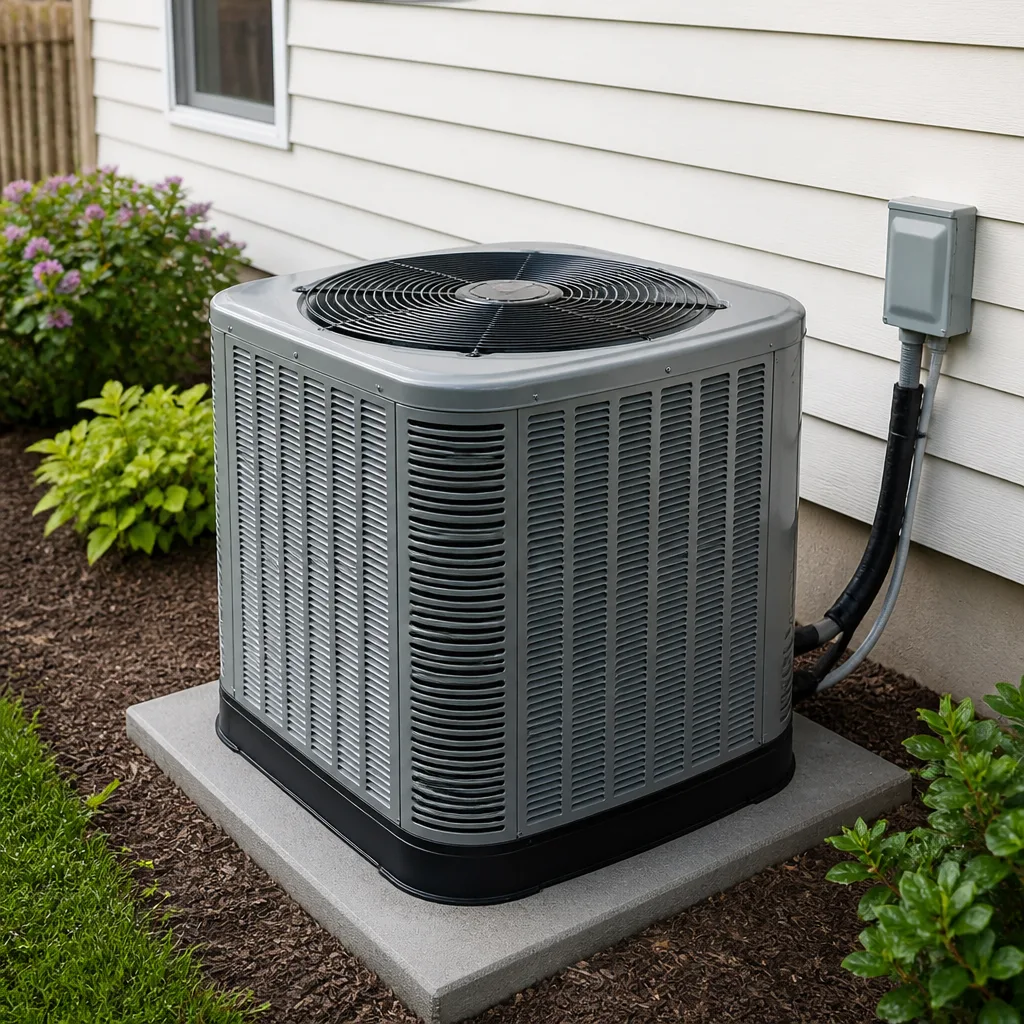 AC repair
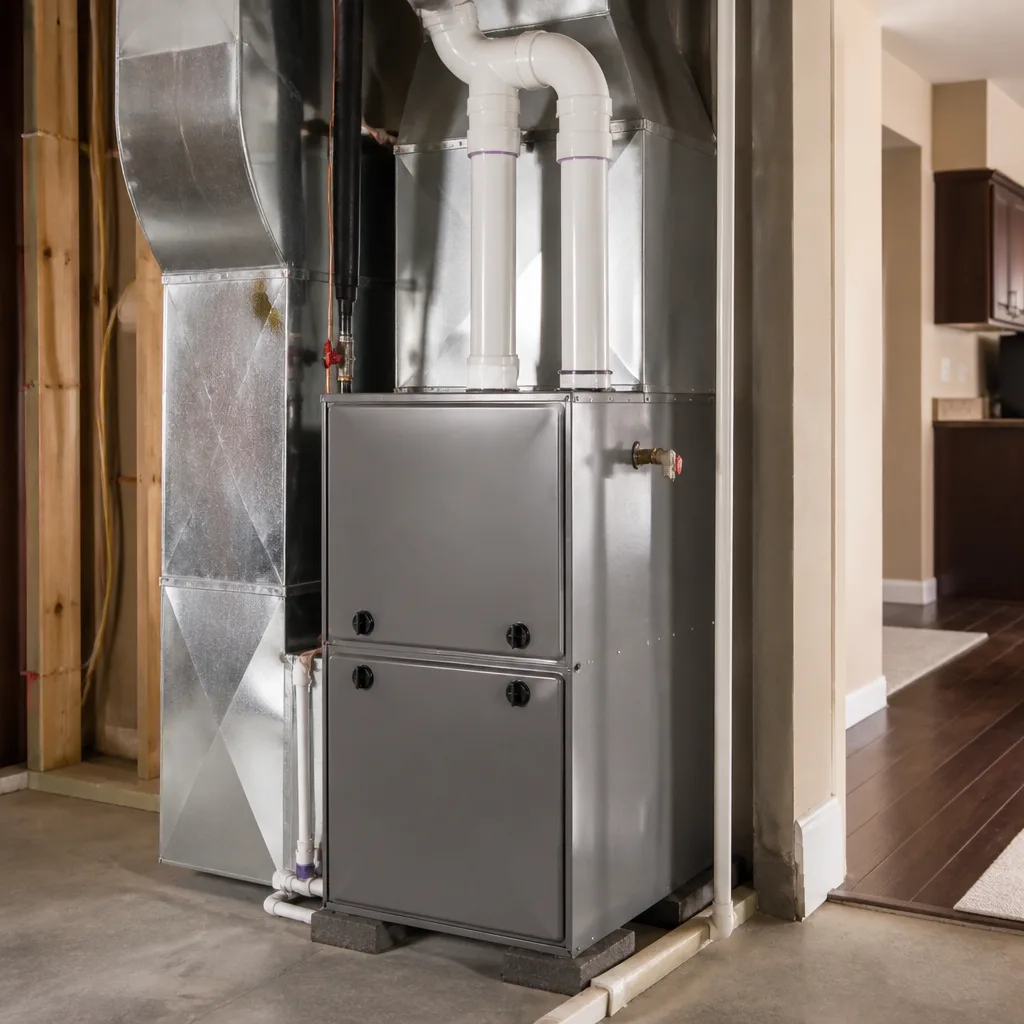 Furnace & heating
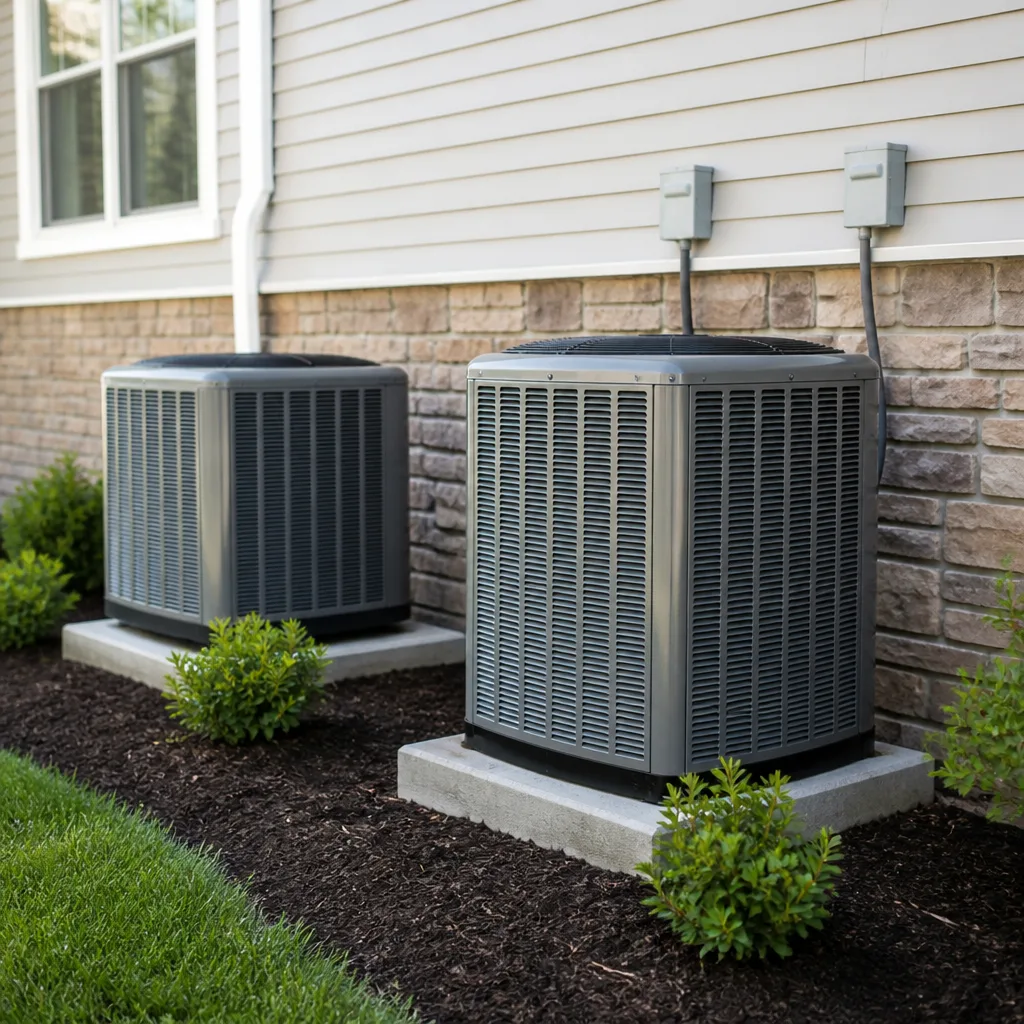 Heat pumps
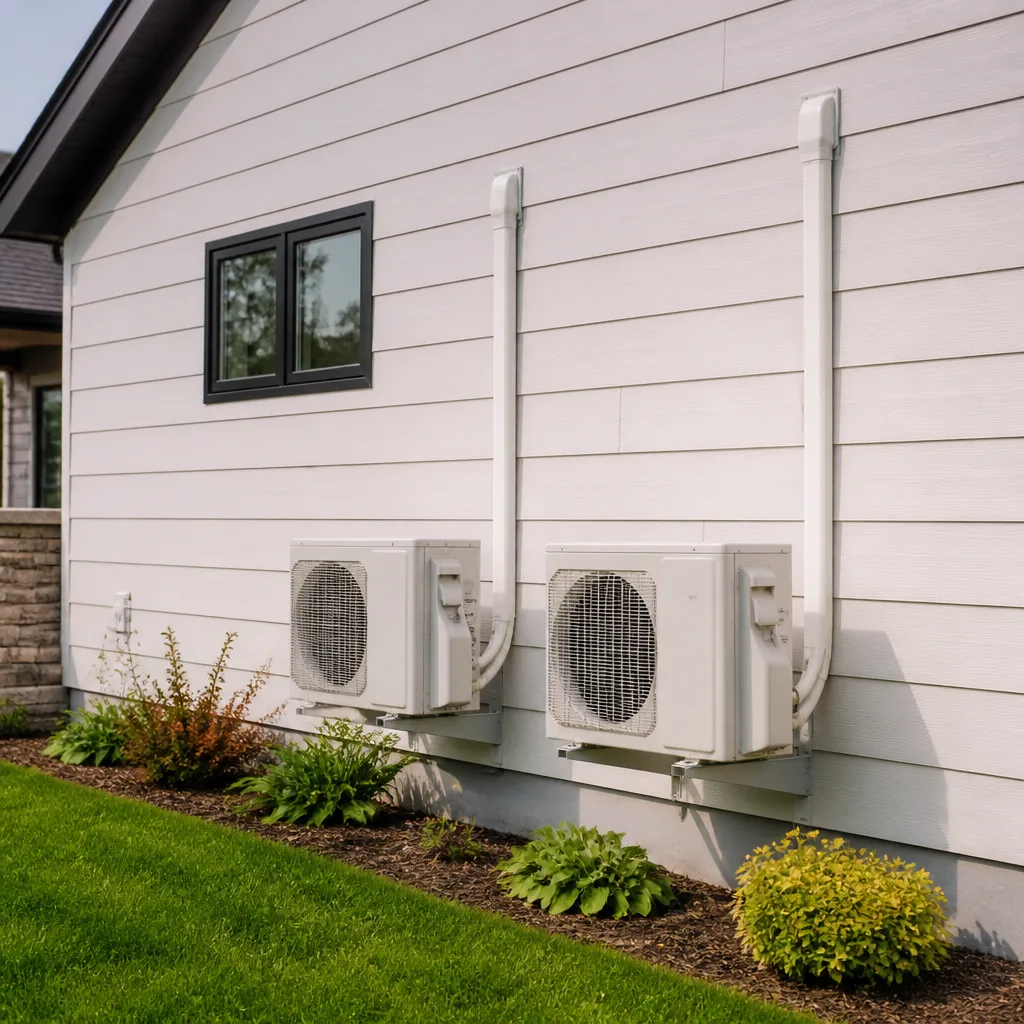 Ductless mini splits
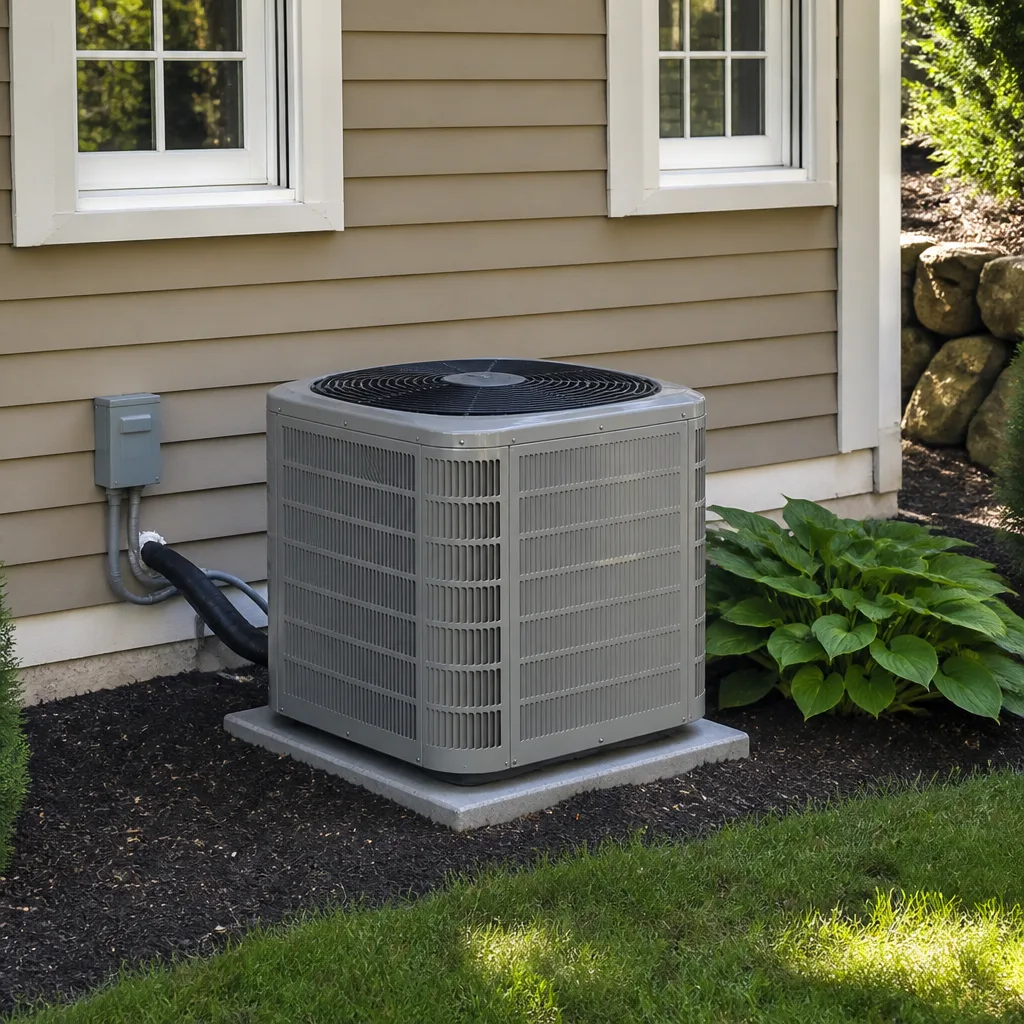 Carrier
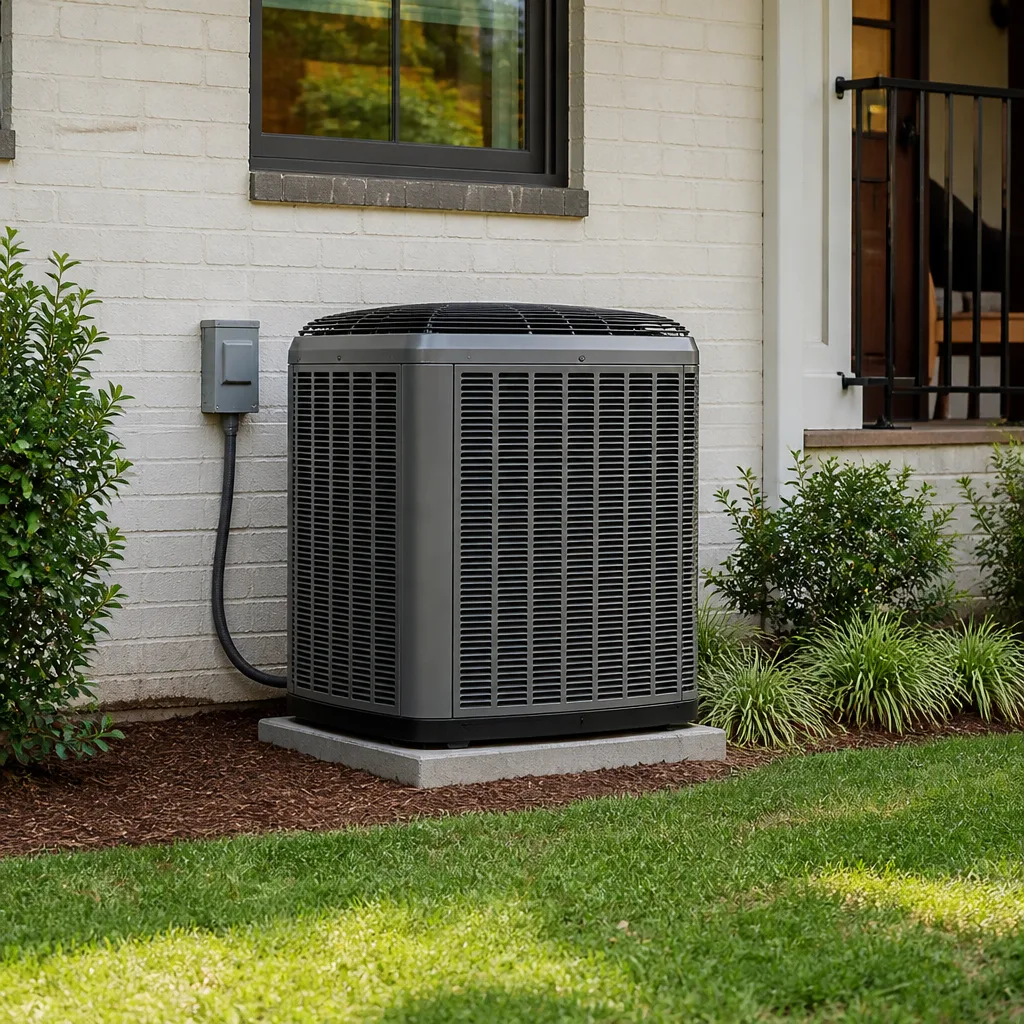 Trane
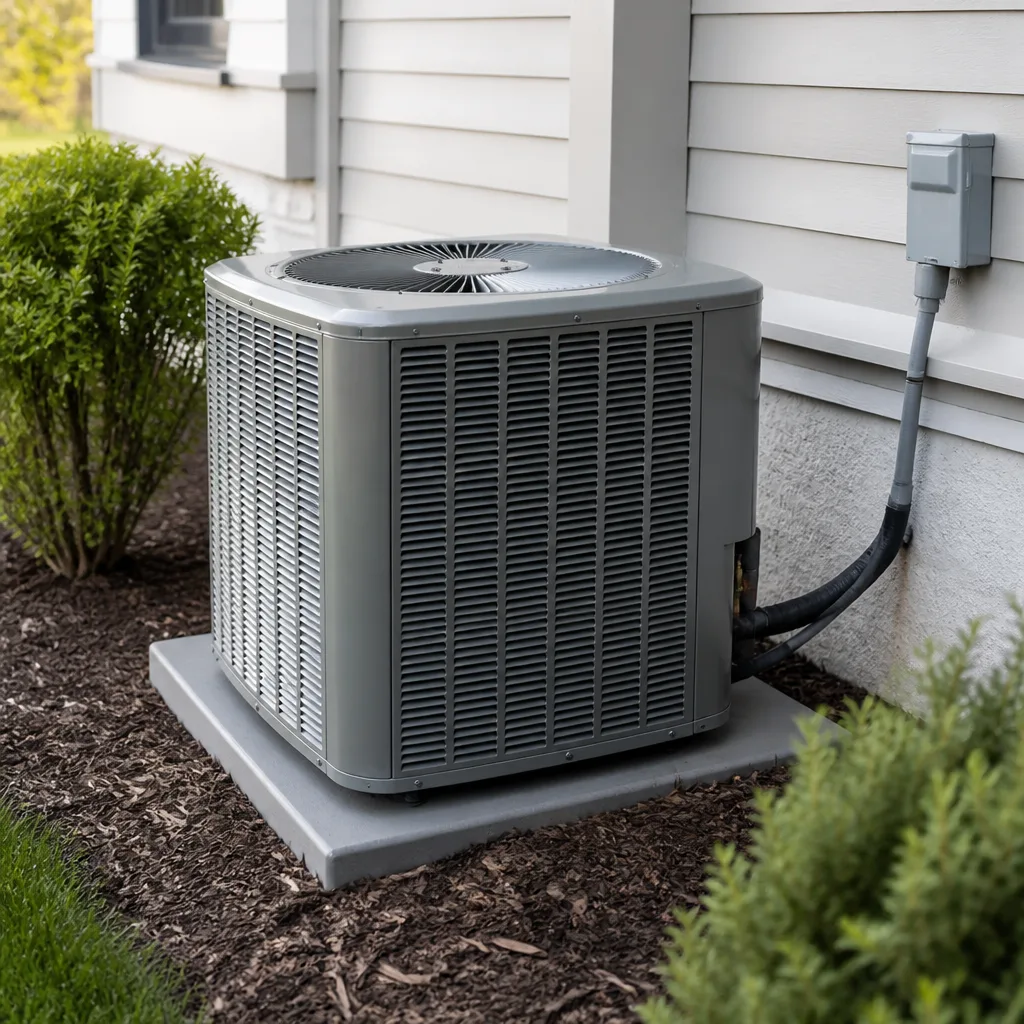 Goodman
Seasonal tune-up and full diagnostic on your Carrier, Trane, or Goodman system - readings shown to you before any repair is proposed
Diagnosis first, numbers second - you approve the repair price before a single part goes in.
Get your free estimateThe Complete AC Repair Guide for Spring Valley Homeowners
Spring Valley averages about 70 days a year above 100°F, which means a typical home here asks its air conditioner to run roughly 2,100 hours annually. A system in a moderate climate might see 800. That runtime gap is why a “routine” repair here often isn’t routine at all. Desert heat, caliche soil, and fine airborne dust push your equipment in ways a national repair guide never accounts for. This guide maps the failures we actually see in Spring Valley to the repairs they call for, so you’ll know what you’re dealing with before a technician ever pulls into the driveway.
Quick Answer
AC repair in Spring Valley usually comes down to one of four things: a refrigerant leak, a failed capacitor or contactor, a clogged condensate drain, or a coil fouled by desert dust and hard-water scale. Most of these run $180 to $650 depending on the part, and a technician trained on your brand can typically diagnose and fix the problem in a single visit. The trick is catching these failures early, because Spring Valley’s heat turns a small problem into a full system failure fast.
Styles & brands we work with
- AC repair
- Furnace & heating
- Heat pumps
- Ductless mini splits
- Carrier
- Trane
- Goodman
Table of Contents
- Why Spring Valley AC Systems Fail Faster
- Hard Water and Early Coil Corrosion
- Caliche Soil and Concrete Pad Shifts
- What AC Repair Costs in Spring Valley
- Your Spring Valley Seasonal Repair Calendar
- Permits and Code for AC Work in Clark County
- How Our Written Guarantee Works
- Preventive Maintenance That Pays Off Here
Why Spring Valley AC Systems Fail Faster
Air conditioners don’t wear out on a clock. They wear out on runtime and on the load they’re asked to carry. Spring Valley sits in the Las Vegas Valley, where the cooling season runs from April into October and daytime highs stay above 100°F well into September. That’s the single biggest reason local systems see compressor and capacitor failures at a higher rate than the same equipment installed in Phoenix’s newer builds or in milder inland California markets.
The dust matters too. The valley floor kicks up fine particulate every time the wind blows, and that dust finds its way into outdoor condensing units. It coats the coil fins, insulating them, which forces the compressor to work harder to reject heat. A condenser that would normally run at 30°F above outdoor ambient can creep toward 40°F or more when the coil is dirty. That extra head pressure is what pushes a compressor toward an early death.
Three failure patterns show up again and again in Spring Valley:
- Capacitor and contactor failures in July and August, when the system runs near-continuously and electrical components bake under the lid of the condenser.
- Refrigerant leaks at the evaporator coil, often hastened by dust-clogged filters that let the coil run cold and sweat, speeding corrosion.
- Drain line clogs caused by the combination of dust, biofilm, and the hard water that condenses in the pan.
If your system is already showing symptoms, our team handles AC Repair in Spring Valley with upfront written pricing and a full-year guarantee on the work. But the rest of this guide is written to help you understand the “why” before anything gets fixed.
Hard Water and Early Coil Corrosion
Spring Valley’s water runs hard, and a lot of it passes through your air conditioner’s condensate system. The evaporator coil pulls moisture out of the air, and that moisture drains through a pan and a PVC line and out to the exterior. When the water is mineral-heavy, it leaves scale behind. Scale crusts the pan, blocks the drain trap, and, over time, holds moisture against the coil’s aluminum fins. That trapped moisture is where corrosion starts.
Manufacturer timelines assume more neutral water and cleaner condensate. In our experience, an evaporator coil that a factory expects to last 15 years can start showing real corrosion in Spring Valley in closer to 8 to 10. The same hardness that spots your shower glass shortens the working life of a pan and a coil. When a technician tells you a coil is “leaking from the joint,” ask whether the coil is also corroded along the lower fins. That’s the local tell.
What actually helps:
- Flush the condensate drain at the start of every cooling season, and again in mid-summer.
- Add a float switch if your system doesn’t have one, so a clogged drain shuts down the system before it overflows into drywall.
- Check the drain pan lining on older systems; a cracked or scaled pan is cheap to replace and expensive to ignore.
A water softener helps but doesn’t eliminate the issue, since the condensate itself picks up minerals from the coil and the drain path. The real defense is a scheduled drain flush and a technician who knows what local scale looks like.
Caliche Soil and Concrete Pad Shifts
This is the failure point almost no national repair guide mentions, and it’s one of the most common things we find on Spring Valley service calls. The Las Vegas Valley sits on caliche, a calcium-cemented soil that behaves like low-grade concrete when it’s dry and expands and contracts with moisture. When a summer monsoon soaks the ground and the heat bakes it dry again, the caliche under a condenser pad moves. A pad that was perfectly level at install can tilt an inch or two.
A tilted pad stresses the refrigerant lines that run from the condenser into the house, and it can pull at the electrical conduit and the disconnect box mounted alongside it. A line set that’s been stressed at the flare fitting is a leak waiting to happen. A disconnect box that’s been twisted is a code issue and a fire risk. Homeowners often see this as “the AC keeps tripping the breaker” when the real problem is at the disconnect, not the panel.
What a technician should check on any Spring Valley AC call:
- Pad level, side to side and front to back, using a spirit level.
- Lineset routing, especially the flare joints at the condenser.
- The disconnect box for secure mounting and signs of arcing or corrosion.
- The conduit run between the house and the pad for cracks or separation.
Re-leveling a pad or re-securing a disconnect is often a modest repair that prevents a much larger one later. If your system is bracing for another hot Spring Valley summer, that’s exactly the kind of inspection worth doing before June.
What AC Repair Costs in Spring Valley
Prices in the Las Vegas Valley are their own thing. Labor rates are higher than in rural Nevada but lower than in major coastal metros, and parts prices swing with demand in late July when every truck in town is busy. Here’s what we typically see for the repairs we do most often. These are ranges, not fixed quotes, and the exact figure depends on the brand, the part, and the access to the unit.
- Diagnostic visit: $79 to $129 (often credited toward the repair)
- Capacitor replacement: $180 to $320
- Contactor replacement: $190 to $360
- Condensate drain flush and float switch install: $140 to $280
- Refrigerant recharge (topping off the cooling fluid to reach your set temperature): $250 to $650 depending on refrigerant type and amount
- Evaporator coil replacement: $900 to $2,200 depending on coil size and refrigerant
- Condenser fan motor replacement: $400 to $750
- Compressor replacement: $1,400 to $2,800 depending on brand and tonnage
Every one of these repairs gets a written price before any work starts. That’s not a marketing line; it’s how we operate. If you call Dalton Heating & Air Spring Valley and the technician diagnoses a failed capacitor, you’ll see the price on paper before he opens the panel. If the number on the paper turns out to be wrong because the diagnosis was incomplete, that’s on us to sort out, not you to pay for.
For comparison, a full system replacement typically runs $5,500 to $11,000 in Spring Valley, which is why the small repairs matter. Fixing a $250 capacitor on a system that’s still solid is almost always the better call than replacing it prematurely. Our Heat Pump Installation in Spring Valley page covers what replacement looks like if that day comes, but for most repairs, repair is the smarter math.
Your Spring Valley Seasonal Repair Calendar
Generic advice says “service in spring and fall.” That’s meaningless here, because spring is already 95°F by mid-May and fall is still 100°F into early October. The local calendar looks more like this:
- Late March: Full tune-up, filter replacement, condenser coil rinse, and a drain flush before the first 100°F day.
- May: Check refrigerant charge, inspect capacitors, and confirm the disconnect is secure before the real heat arrives.
- July and August: The peak failure window. Capacitor and contactor failures spike, and a drain clog can show up without warning. Have a phone number ready.
- September: Second coil rinse and filter change, since the dust load through the summer has been heavy.
- October to November: Pre-heating-season check for anyone running a heat pump, before the first cold snap.
- January and February: The quiet months. This is the right time for non-urgent repairs, coil replacements, and any larger work you’ve deferred.
If your system runs on a heat pump, you’re also casting an eye toward heating season by fall. Our Furnace Repair in Spring Valley page covers the heating side and stays useful for the cold months, which are shorter here but no less real when the system fails on a 28°F January morning.
Permits and Code for AC Work in Clark County
This is where a lot of homeowners get surprised. Clark County Building Department treats refrigerant work differently from non-refrigerant work, and the distinction matters for your warranty and your resale.
Replacing a major component like a compressor, an evaporator coil, or the full condensing unit typically requires a permit, because the work involves brazing refrigerant lines, evacuation, and charging, and it changes the sealed system. A like-for-like repair like swapping a capacitor, contactor, or fan motor usually does not, because it’s a component swap on an already-permitted system. Swapping a thermostat, replacing a drain line, or re-leveling a pad doesn’t require a permit either.
In practice:
- Permit usually required: compressor replacement, evaporator coil replacement, full equipment swap, new refrigerant line set.
- No permit typically required: capacitor, contactor, fan motor, thermostat, drain line, float switch, filter, pad leveling, disconnect replacement.
- Every job, regardless: a written price before work starts, a written guarantee on the repair, and a technician licensed to do the work.
One note on refrigerant itself: R-22 has been phased out federally, and most Spring Valley systems now run on R-410A or R-454B. If a technician tells you a system needs “a top-off” of R-22, that’s a sign to ask questions. A proper repair finds and fixes the leak, not just refills the system.
How Our Written Guarantee Works
Spring Valley homeowners have heard every version of “we’ll take care of you.” We put the promise on paper, and the terms are the same on every repair call, without exception. Here’s the structure:
- Written price before work starts. You see the exact cost of the diagnosis and the repair before anyone opens a panel. No numbers that shift at the door.
- Full-year written guarantee on the repair. The repair itself is guaranteed in writing for a full year, not the 30-day window most companies offer. If the same repair fails within that year, we return at no charge.
- 365-Day Done Right Promise. If a repair we made doesn’t hold, we make it right. This is the standard we hold on every job, and it’s what makes the guarantee meaningful rather than decorative.
- Free second visit if the repair fails. If the work we did doesn’t hold within the guarantee period, the return trip costs you nothing, including the diagnostic.
To invoke it, you call the same number you called the first time and say the repair didn’t hold. Have the invoice handy if you can, though we can also look it up on our end. The visit gets scheduled, the technician re-diagnoses at no charge, and if it’s the same failure we caused or failed to fix, the remedy is on us. That’s the whole process. It exists so you aren’t stuck arguing about what “should” be covered.
Preventive Maintenance That Pays Off Here
Maintenance in Spring Valley is not the same as maintenance in a mild climate. The dust load is heavier, the waters harder, and the system runs three times the annual hours. What’s worth doing, and what’s not:
- Filter changes every 30 to 60 days in the cooling season, not every three months. The dust will clog a filter twice as fast here.
- A full condenser coil rinse at the start and midpoint of the cooling season, done properly with a coil-safe cleaner, not a garden hose aimed at the fins.
- A drain flush and float switch test in late March and again in July.
- Pad level and disconnect check as part of every seasonal tune-up, because the caliche will move.
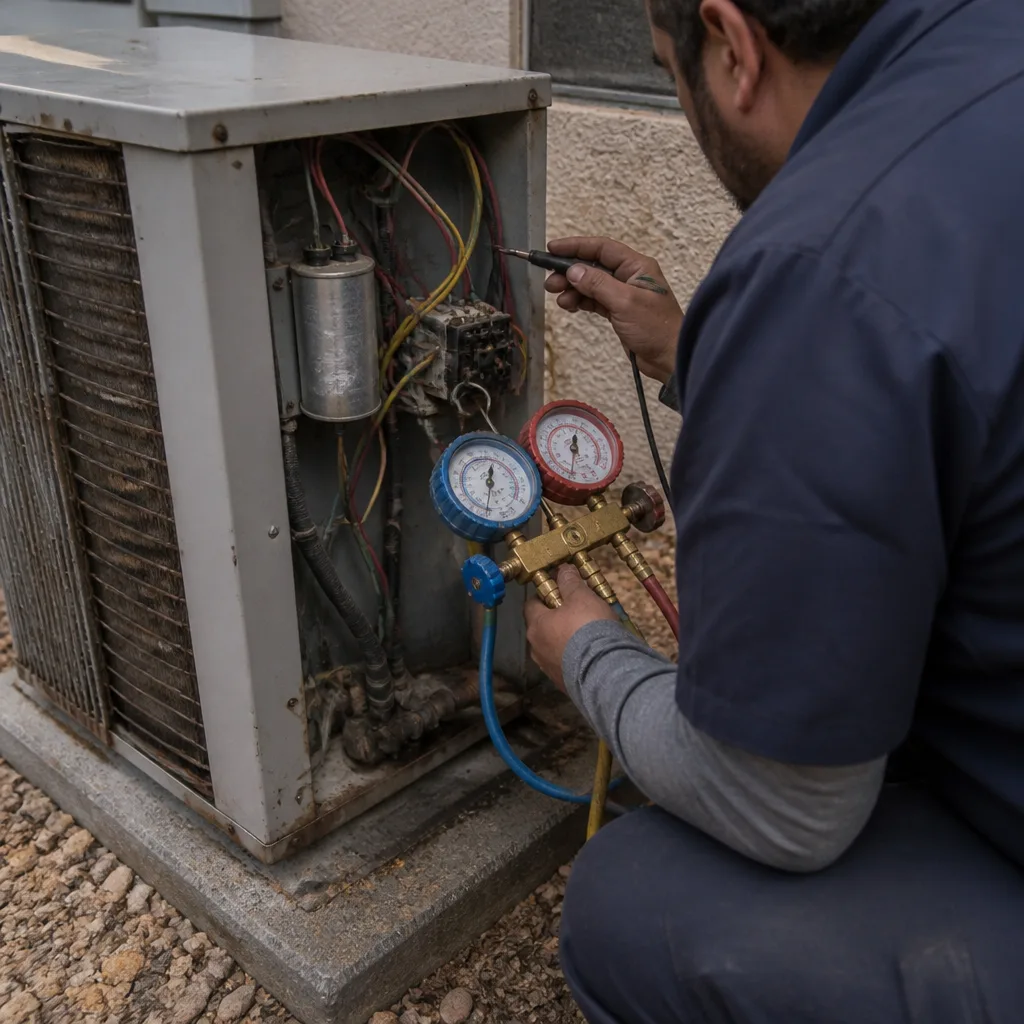
- Refrigerant charge verification using superheat and subcooling measurements, not just a pressure gauge glance.
What’s less important: brand-specific “annual treatments,” mystery additives, and upsells that don’t tie to a measurable condition. If a technician hands you a written report of what was actually found, that’s the version of maintenance worth paying for. Ours is flat-priced, and our technicians aren’t paid on what they sell, so the report you get is the report that applies to your system.
We service nine major residential HVAC brands, including Carrier, Trane, Lennox, Goodman, Rheem, York, Daikin, Bryant, and American Standard, and our technicians have up to 23 years of experience across those platforms. That matters because a Goodman system and a Trane system fail differently, and the diagnostic path is different for each.
Common Mistakes to Avoid
- Chasing the lowest quote. In Spring Valley, the cheapest diagnostic often comes with a “supplemental” charge once the technician is on site. Ask for a written price before anyone shows up, and treat a verbal estimate as a starting point rather than a commitment.
- Ignoring a tilted pad. A condenser that’s leaning is leaking refrigerant slowly and stressing its disconnect. It’s easy to fix early and expensive to fix after a summer of vibration.
- Replacing a filter “every three months” because the label says so. In Spring Valley’s dust, the label is wrong. Check the filter monthly in July and August.
- Topping off refrigerant without finding the leak. A system that needs refrigerant has a leak somewhere. Refilling without a leak search just buys you another refill in a few months, and EPA rules on refrigerant handling are stricter than they used to be.
- Letting a slow drain clog go. The overflow goes into the pan, then the ceiling, then the drywall. A $150 flush beats a $2,000 drywall job every time.
- Skipping the permit on a coil or compressor swap. Unpermitted refrigerant work can complicate a resale and void the equipment warranty. Ask before the job, not after.
- Calling a general handyman for sealed-system work. Refrigerant work requires EPA Section 608 certification and proper equipment. A handyman can swap a thermostat; a certified technician should handle anything that opens the sealed system.
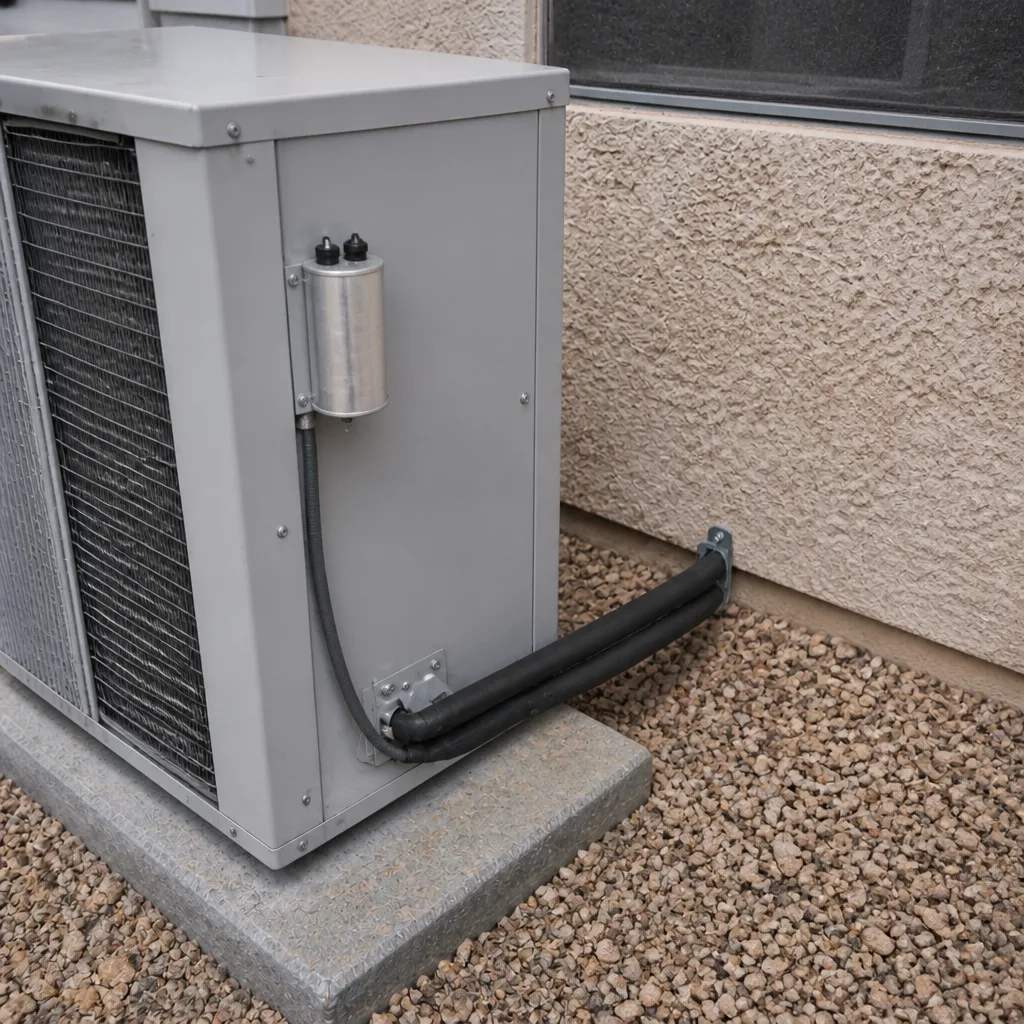
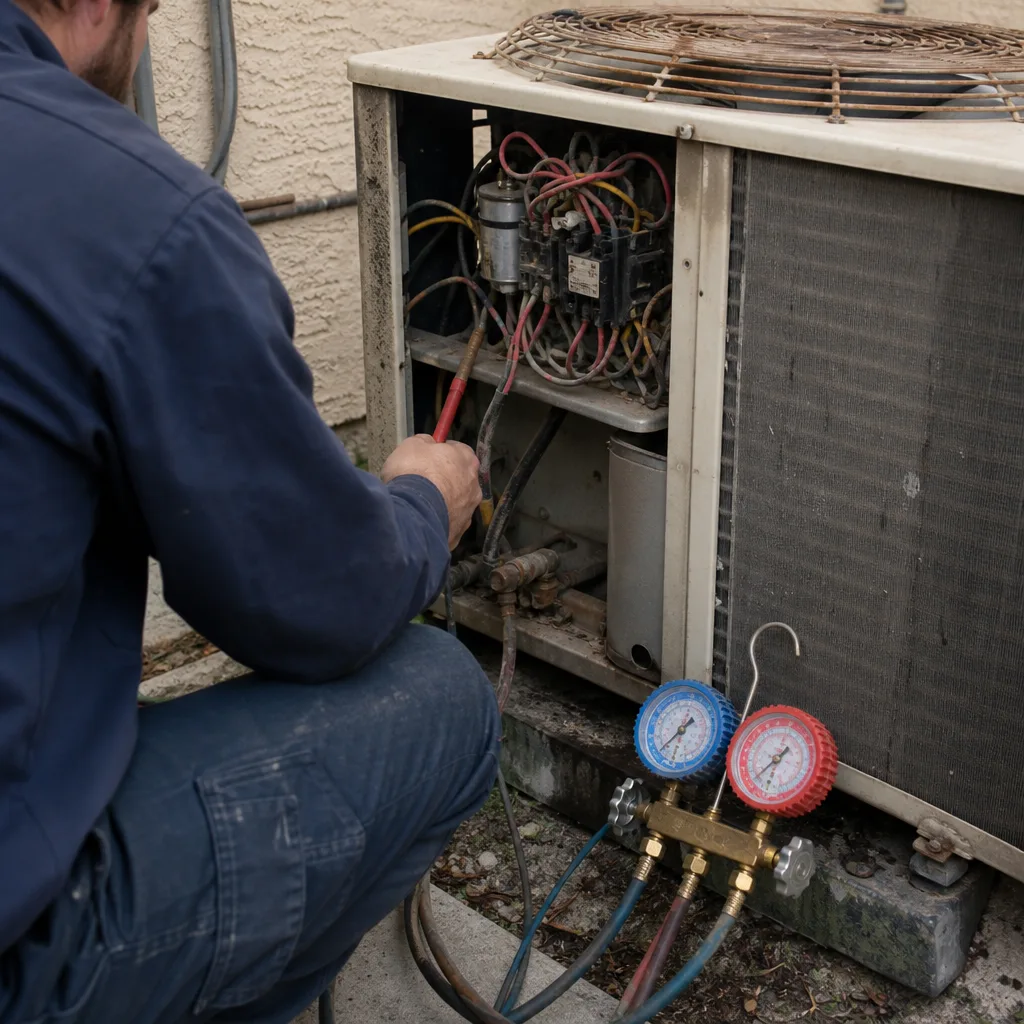
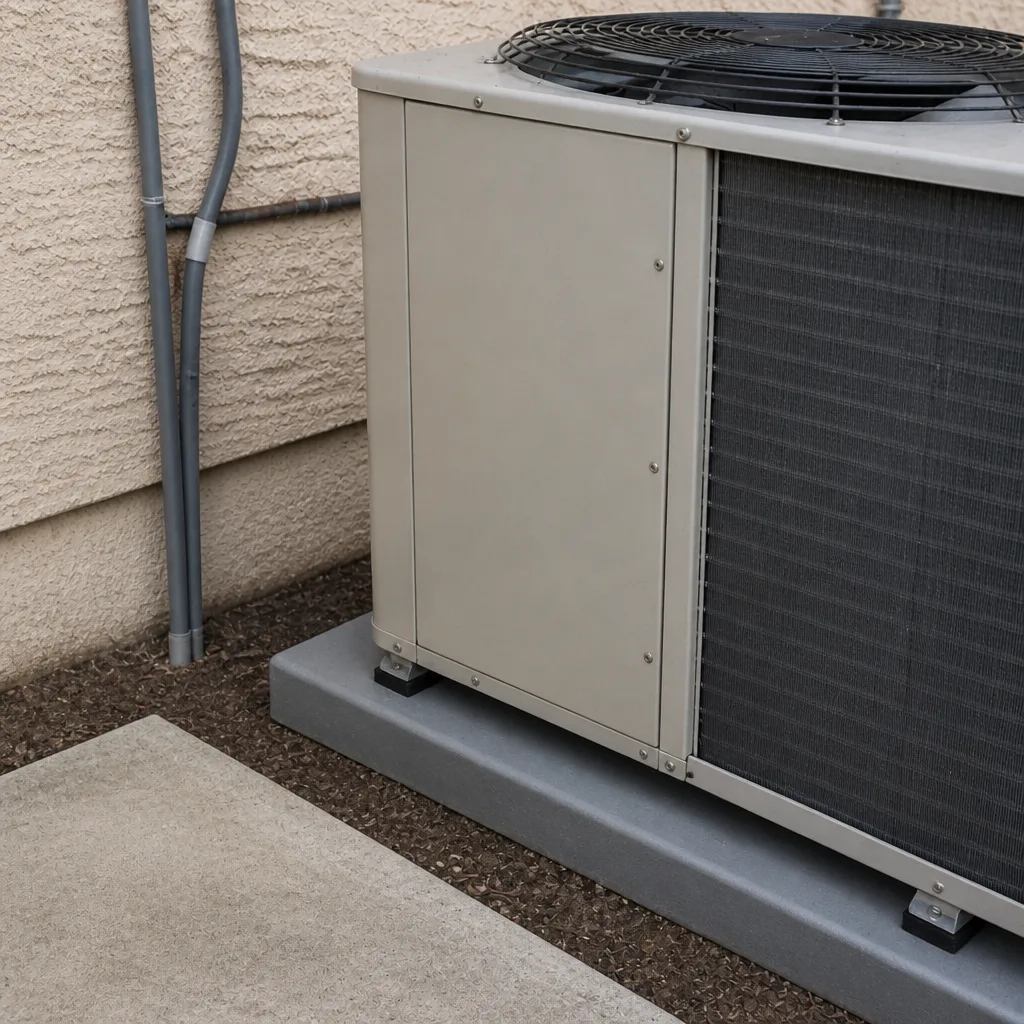
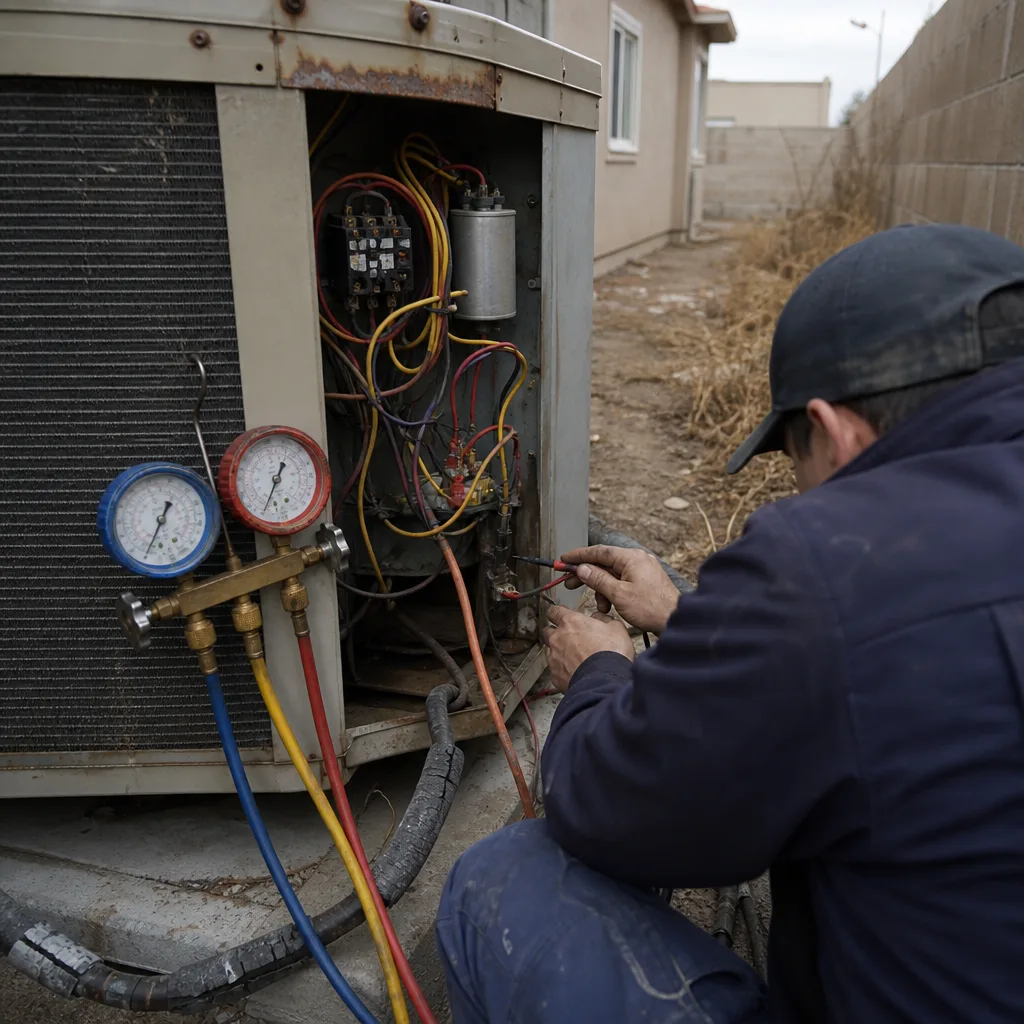
See the difference
 Before
 After
 Before
 After
 Before
 After
When to Call a Professional
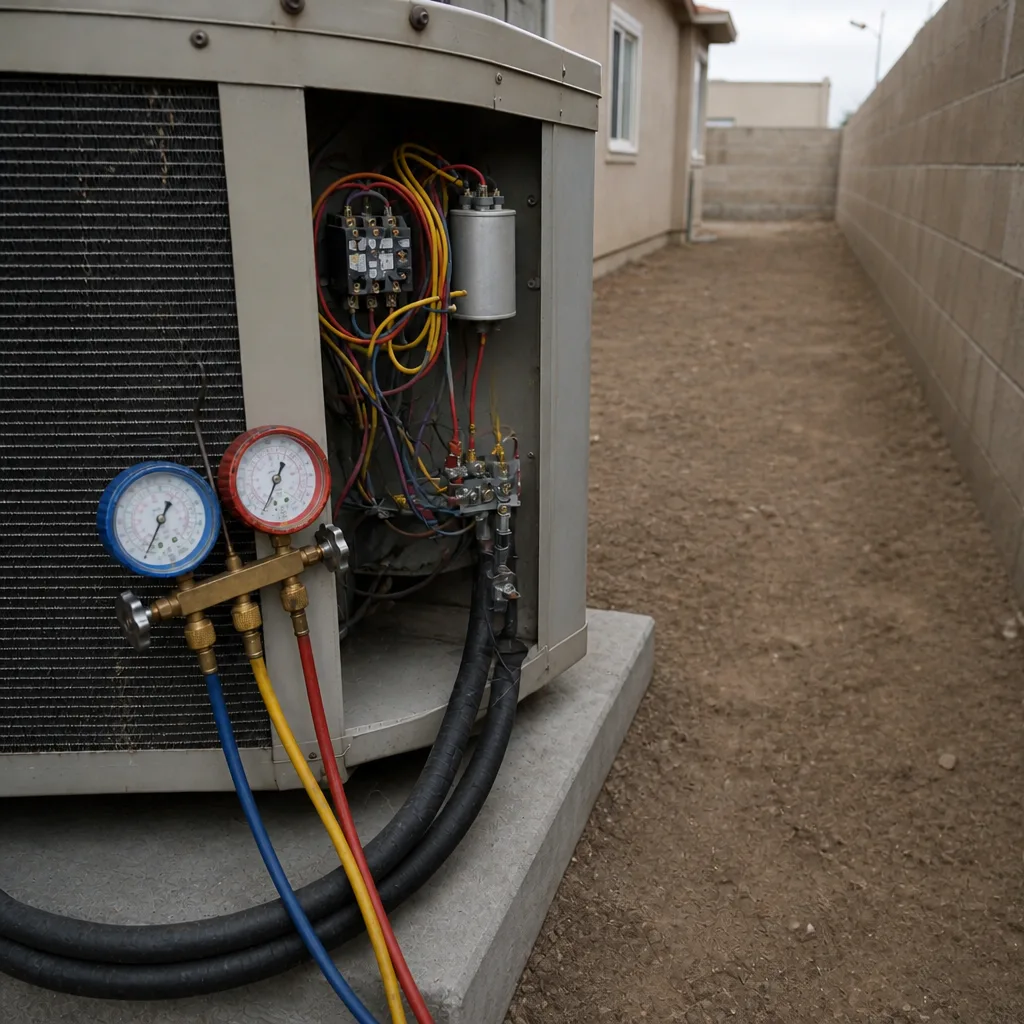
Some problems are genuinely do-it-yourself. Changing a filter, flushing a drain line you can reach, re-securing a thermostat cover. But the moment a repair involves the sealed refrigerant system, high-voltage electrical components, or a compressor, it stops being a homeowner job. Refrigerant under pressure can cause frostbite and, in a closed space, displace oxygen. Capacitors hold a lethal charge long after the power is off. A compressor that’s shorted to ground is both a fire risk and an electrocution risk. These are not the repairs to learn on.
The right time to call is when the system isn’t cooling the way it used to, when the breaker trips, when you hear a new noise, or when a July afternoon puts the indoor temperature above your setpoint with the system still running. Dalton Heating & Air Spring Valley offers free estimates in Spring Valley. Call (888) 268-6106, and a live person answers, day or night. You’ll get a written price before any work starts, and a full-year written guarantee after it’s done.
Frequently Asked Questions
Most Spring Valley AC repairs run $180 to $650, with the exact price depending on the part, the brand, and whether refrigerant work is involved. Capacitor and contactor replacements sit at the low end; evaporator coil and compressor work sit at the high end. Call (888) 268-6106 for an exact written quote, and estimates are free.
We schedule same-day service whenever possible, and our phones are answered by a live person 24 hours a day. In peak July and August, demand is high across the valley, so calling early in the day gets you the best window. Call (888) 268-6106 and we’ll give you a real time, not a range that stretches into next week.
If the system is under 12 years old, the repair is under $1,000, and the compressor and coil are in reasonable shape, repair is almost always the better call. If the compressor is failing, the coil is corroded through, or you’re facing a refrigerant conversion, replacement starts to make sense. Our AC repair team will tell you which side of that line you’re on, with the numbers, before you decide.
Yes, and they change year to year. NV Energy and federal programs periodically offer rebates on high-efficiency heat pumps and air conditioners, and the amounts depend on the SEER2 rating and the equipment you install. We’ll walk you through what’s currently available and handle the paperwork as part of the install. For more on that side of the business, see our heat pump installation page.
Most often it’s a failing capacitor, a shorted compressor, or a loose connection at the disconnect box. In Spring Valley, the disconnect is a common culprit because caliche movement can loosen its mounting and stress the wiring. A qualified technician should test the circuit and the components before anything is replaced, since a tripped breaker is a symptom and not a diagnosis.
We’re factory-trained on nine major residential brands: Carrier, Trane, Lennox, Goodman, Rheem, York, Daikin, Bryant, and American Standard. If you have one of these, we can diagnose and repair it. If you’re not sure what you have, the model and serial number on the outdoor unit will tell us, and we can confirm the diagnosis when you call (888) 268-6106.
The Bottom Line
Spring Valley’s climate writes its own repair manual. The 70-plus days above 100°F push runtime to nearly 2,100 hours a year. Hard water eats drain pans and evaporator coils faster than the factory timeline. Caliche moves the condenser pad, stresses the line set, and loosens the disconnect. Every one of those failure points is cheaper to catch early than to fix after a full summer of running. Get a tune-up before the first hot week, check the pad, flush the drain, and know what your repair will cost in writing before anyone starts. That’s the whole guide. Everything else is what the technician is trained for.
If you’re ready to get it looked at, call Dalton Heating & Air Spring Valley at (888) 268-6106 for a free estimate. A live person answers, day or night. You’ll get a written price before any work starts, a full-year written guarantee on the repair, and a free return visit if it doesn’t hold. For the full range of what we do across the valley, start at our Dalton Heating & Air Spring Valley home, and we’ll take it from there.
Written by the team at Dalton Heating & Air Spring Valley.