
Last updated November 17, 2026
 AC repair
 Furnace & heating
 Heat pumps
 Ductless mini splits
 Carrier
 Trane
 Goodman
Seasonal tune-up and full diagnostic on your Carrier, Trane, or Goodman system - readings shown to you before any repair is proposed
Diagnosis first, numbers second - you approve the repair price before a single part goes in.
Get your free estimateFurnace Repair Warning Signs Every Homeowner Should Know
A furnace that short-cycles – fires up, runs for 90 seconds, shuts off, fires again – isn’t “being finicky.” It’s displaying a limit switch warning that, ignored, escalates into a cracked heat exchanger within one heating season. In our experience across Spring Valley, the warning signs are almost always there two to four weeks before a failure, subtle enough that most homeowners write them off as normal. This guide trains you to read the early signals while repair is still cheap: the five behavioral signs you can spot without tools, what each smell means, how to read your gas bill and condensate line as diagnostics, and when to stop watching and start calling.
Quick Answer
The main furnace repair warning signs are short cycling, a delayed ignition pop, a yellow or flickering burner flame, uneven heat between rooms, and cycles that get more frequent as the night goes on – plus any persistent metallic or sulfur smell. Addressed early, these usually mean a $150 – $300 repair; left alone, they frequently become $600 – $1,800 failures. If you smell rotten eggs, leave the house and call from outside.
Styles & brands we work with
- AC repair
- Furnace & heating
- Heat pumps
- Ductless mini splits
- Carrier
- Trane
- Goodman
Table of Contents
- The Five Behavioral Warning Signs You Can Spot Without Tools
- What Each Furnace Smell Means
- Reading Your Gas Bill as a Diagnostic
- The Condensate Drain Line: The Most Misdiagnosed Fault
- The End-of-Night Cycle Creep
- The Economics of Acting Early
- Repair or Replace? A Straight Answer
- A Simple 4-Step Watch Routine for Spring Valley Homeowners
The Five Behavioral Warning Signs You Can Spot Without Tools
You don’t need a meter or a screwdriver to catch most furnace problems early. You need to know what normal looks like, then notice when it drifts. These five signs are what we ask homeowners to describe on the phone, and they tell us more than a fault code in many cases.
- Short cycling. The furnace fires, runs for a minute or two, shuts off, and fires again. A healthy furnace runs a full cycle of several minutes before resting. Constant starting and stopping stresses the blower motor and the ignition system and usually traces to a clogged filter, a failing flame sensor, or a limit switch that’s tripping because the unit is overheating.
- Delayed ignition pop. You hear a small “whoomp” or thud a few seconds after the burners should have lit. Gas is building up before it ignites. That’s a dirty or failing igniter or a burner assembly that needs cleaning, and it’s worth addressing before it stops lighting altogether.
- Yellow or flickering burner flame. A healthy natural gas flame is steady and blue. A yellow, orange, or dancing flame points to incomplete combustion, which can mean poor airflow or a heat exchanger problem. This is a stop-and-call sign, not a wait-and-see sign.
- Uneven heat between rooms. The bedroom over the garage stays cold while the living room cooks. Sometimes it’s ductwork, but a furnace that’s losing capacity can also cause it. Warm air that used to reach the far rooms and now doesn’t is telling you something changed.
- Cycle frequency that climbs as the night goes on. The furnace runs fine at 6 p.m. and by 2 a.m. it’s cycling every few minutes. That pattern usually points to a component heating up and drifting out of spec, often the flame sensor or the control board.
The common thread: none of these are emergencies yet. All of them get more expensive the longer they run. If your furnace is doing any of the above in Spring Valley, it’s worth a look before the cold snap that catches everyone off guard.
What Each Furnace Smell Means
Smell is one of the most useful diagnostic tools a homeowner has, and one of the most misunderstood. Not every furnace odor is a problem, and one of them is a genuine emergency. Here’s how we sort them.
Burning dust on first-of-season startup
That dusty, slightly acrid smell the first time you run the heat in the fall is normal. Dust has settled on the heat exchanger over the summer and it’s burning off. It should fade within an hour of runtime and not come back. If it returns every time the furnace starts, that’s not dust anymore.
Persistent metallic or hot-metal smell
A smell like hot metal or burning that doesn’t go away after the first run of the season can indicate the heat exchanger is overheating or degrading. A cracked heat exchanger is the failure we care most about, because it can let combustion gases into the air your family breathes. Stop using the furnace and have it inspected.
Sulfur or rotten-egg smell
This is the one that means leave. Natural gas is odorized with a sulfur compound so you can smell a leak. Rotten-egg odor near the furnace, the water heater, or a gas line means get everyone out of the house and call your gas utility from outside. Don’t flip switches, don’t light anything, don’t wait to see if it clears. This is not a repair call; it’s a safety call.
If you’re ever unsure which category a smell falls into, the safe move is to shut the furnace off and have someone qualified look at it. A furnace repair in Spring Valley that turns out to be nothing is a cheap afternoon. A gas leak that turns out to be something is a very different story.
Reading Your Gas Bill as a Diagnostic
Your gas bill is a free diagnostic tool most homeowners never read closely. A sudden jump in usage that the weather doesn’t explain is a mechanical signal. When we see a bill go up 15% or more with no change in thermostat habits and no colder-than-normal month, we start looking at three things: a dirty or restricted heat exchanger, a failing inducer motor, and ductwork that’s leaking warmed air into the attic.
Here’s how to read it in Spring Valley. Pull the last three or four bills and compare therms used, not dollars. Dollars move with rate changes; therms tell you what the furnace actually consumed. If therms climb month over month while your habits stay flat, the furnace is working harder to deliver the same heat. That inefficiency has a cause, and the earlier you find it, the cheaper it is.
A failing inducer motor is a good example. It pulls combustion gases through the heat exchanger, and as its bearings wear, it pulls less. The furnace compensates, burns longer, and your bill drifts up before any obvious symptom shows. Caught in that window, an inducer is a modest repair. Caught after it seizes on a cold night, it’s an emergency call plus whatever else the shutdown stressed. If your bill is telling you something, the team handling furnace repair in Spring Valley can test the inducer and heat exchanger and give you the numbers in writing.
The Condensate Drain Line: The Most Misdiagnosed Fault
This is the one that fools a lot of people, including some technicians. High-efficiency furnaces (the condensing kind) produce water as they burn, and that water drains out through a condensate line. When that line clogs – with dust, algae, or mineral buildup – water backs up and trips a pressure switch. The furnace shuts down and won’t relight.
To a homeowner and to a rushed technician, a pressure switch fault looks exactly like an ignition failure: the furnace tries to light, fails, retries, quits. The obvious move is to replace the igniter or the flame sensor. That’s the wrong part. The real fix is clearing the drain line. We see this constantly in Spring Valley, where hard water leaves mineral deposits in drain lines faster than homeowners expect, and it’s one of the reasons a proper diagnosis beats a parts-swap guess every time.
What you can do without touching gas or electrical components: find the condensate line (a plastic tube running from the furnace to a floor drain or a small pump), check for standing water in the drain pan, and check the small clear trap for visible sludge. If you see water where it shouldn’t be, that’s your signal. Leave the actual clearing and the pressure switch test to a technician, because the line ties into the furnace’s safety circuit.
The End-of-Night Cycle Creep
This pattern is subtle, and it’s one of the most reliable early warnings we hear about. The furnace behaves at dinnertime and misbehaves after midnight. More cycles, longer run times, or a flame that’s harder to keep lit as the night goes on.
The reason is thermal. As a component heats up over hours of runtime, its electrical resistance and mechanical clearances change. A flame sensor that’s marginal when cold can drop out of spec when hot, causing nuisance shutdowns that only show up after the furnace has been running a while. A weak inducer behaves the same way. By morning, after a rest, everything looks fine again, which is exactly why these faults get dismissed as “it fixed itself.”
If your furnace is fine at 6 p.m. and struggling at 2 a.m., keep a note of the time it starts misbehaving and roughly how often it cycles. That timeline is genuinely useful to whoever diagnoses it. It points straight at heat-related component drift instead of a hard failure, and it saves diagnostic time. In a Spring Valley winter, with nights that regularly drop into the 30s, a furnace limping through the small hours is the one most likely to quit on the coldest night of the year.
The Economics of Acting Early
This is the whole argument for reading early warning signs, in one comparison. The five warning signs above, addressed early, average $150 – $300 in repairs. The failures they precede average $600 – $1,800. The gap isn’t the repair cost; it’s the failure cost, and it’s roughly three to six times larger.
Here’s how the numbers usually break down for common furnace repairs:
- Flame sensor clean or replace: typically $150 – $250
- Igniter replacement: typically $180 – $320
- Inducer motor replacement: typically $400 – $700
- Pressure switch or condensate fault: typically $150 – $350
- Control board replacement: typically $450 – $800
- Cracked heat exchanger (often a replacement decision): $600 – $1,800 for the repair path, more if it pushes you to a new furnace
The pattern is clear: the cheap repairs are the ones that catch a problem early. A flame sensor cleaned this month is a small bill. The same furnace run until the sensor fails completely, on a night when the temperature is in the teens, becomes an emergency call plus a cold house plus whatever the shutdown did to the rest of the system. Acting on an early sign is the cheapest insurance a furnace owner has.
Repair or Replace? A Straight Answer
The honest answer depends on three things: the age of the furnace, the cost of the repair relative to a replacement, and whether the heat exchanger is involved. Here’s how we think through it.
- Under 12 years old, repair under $800, heat exchanger sound: repair. You have years of service left and the math favors fixing it.
- Over 15 years old and facing a $700+ repair: get a replacement quote alongside the repair quote and compare them side by side. At that age, a big repair often just delays a replacement you’ll face soon anyway.
- Heat exchanger cracked or badly degraded: replace. This is a safety issue, not a cost issue, and no repair makes a cracked exchanger safe to run.
We put both numbers in writing so you’re comparing real figures, not a sales pitch against a repair estimate. If a replacement is genuinely the better call, you’ll see it in the math. If it isn’t, we’ll tell you to repair. For homeowners weighing a bigger change, our team handling heat pump installation in Spring Valley can also walk through whether a heat pump makes sense as a furnace replacement in your home, since the two decisions often come up together.
A Simple 4-Step Watch Routine for Spring Valley Homeowners
You don’t need to become a technician. A short routine each month during heating season catches most of the early signs before they get expensive.
- Change or check the filter monthly. A clogged filter is the single most common cause of short cycling and overheating. Write the date on the filter so you don’t lose track.
- Watch the flame for 30 seconds. With the furnace running and the front panel in place, look through the sight glass. Steady and blue is healthy. Yellow, orange, or flickering means call.
- Listen for the ignition. A clean light-off is a quiet whoosh. A thud or pop means the igniter or burners need attention.
- Check the condensate line and drain pan weekly. Standing water or visible sludge is a pressure switch fault waiting to strand you.
Do these four things and you’ll catch the majority of furnace problems while they’re still small. The Dalton Heating & Air Spring Valley home team can set up a maintenance visit if you’d rather have a trained eye run through the list with a written report of what was found.
Common Mistakes to Avoid
- Treating short cycling as normal. It isn’t. A furnace that fires and quits every couple of minutes is telling you something’s wrong with airflow or a safety switch, and waiting turns a cheap fix into a motor replacement.
- Ignoring the first-of-season smell when it comes back. Burning dust once a year is normal. Burning dust every startup means something is degrading, and it deserves a look.
- Swapping parts to chase a fault code. A pressure switch fault looks like an ignition failure but is often a clogged condensate line. Replacing the igniter doesn’t fix a drain problem.
- Running the furnace after a rotten-egg smell. That’s a gas leak. Leave the house, call the utility from outside, and don’t troubleshoot it yourself.
- Dismissing the 2 a.m. cycle creep. The furnace that misbehaves overnight and seems fine by morning is the one most likely to quit during a cold snap, when you need it most.
- Reading the dollar amount on the gas bill instead of therms. Rate changes move dollars; therms show what the furnace actually burned. Compare therms to spot a real efficiency problem.
- Waiting for a total failure to call. The most expensive furnace call is the one made at 11 p.m. on the coldest night of the year, because the early signs were there weeks before.
See the difference
 Before
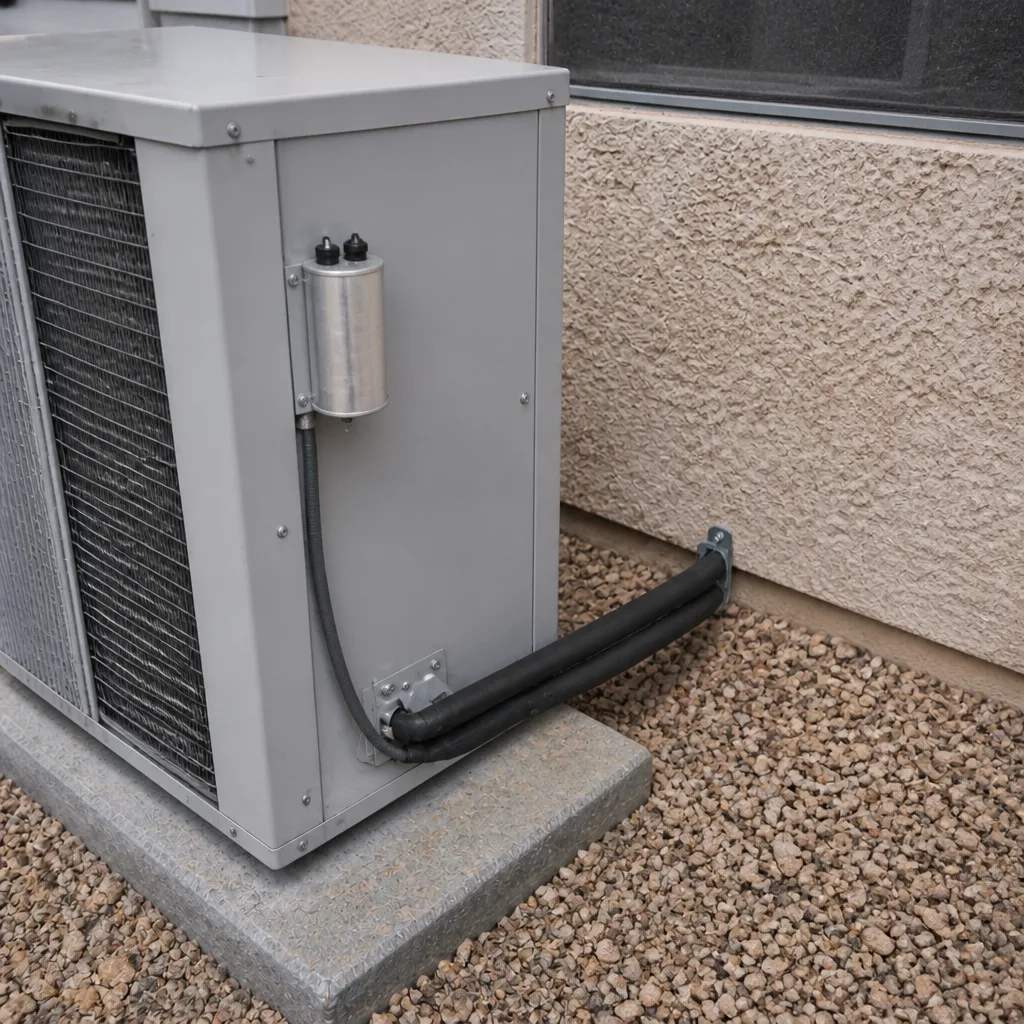 After
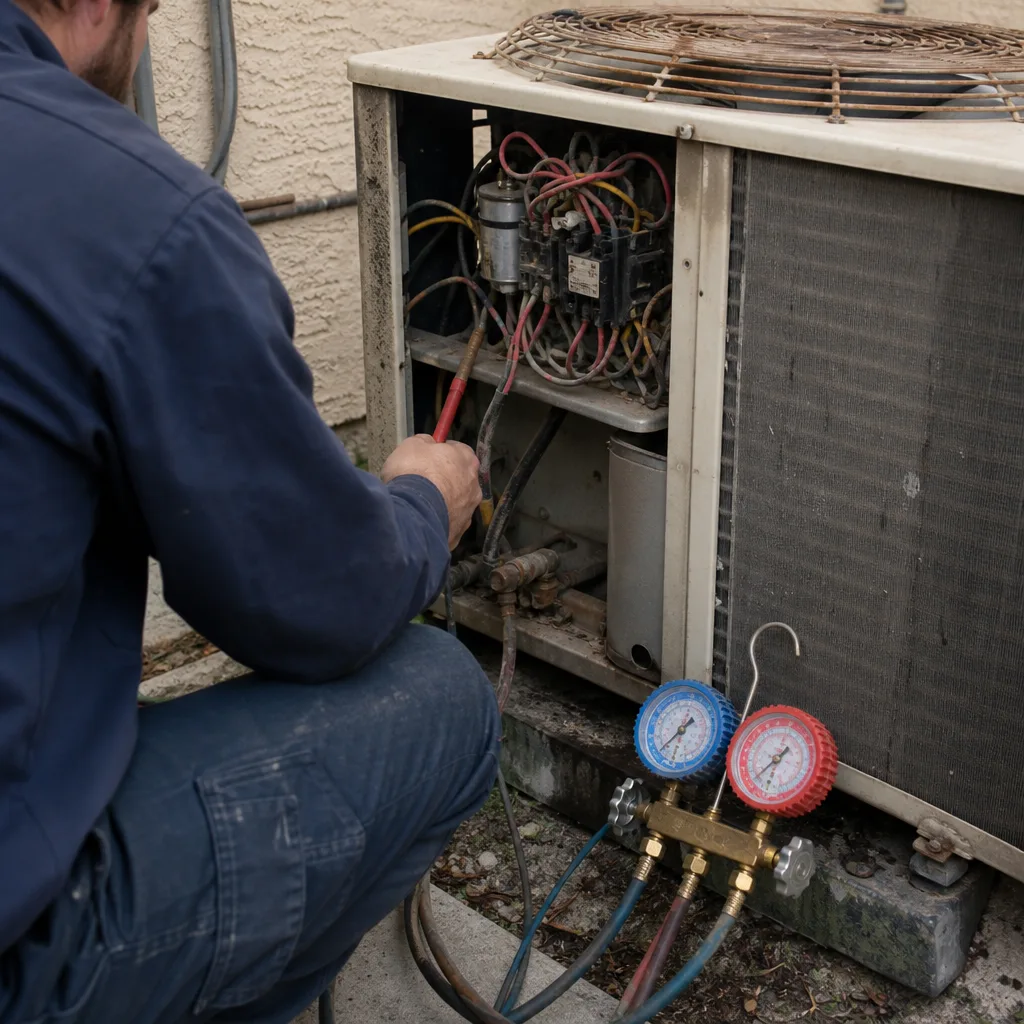 Before
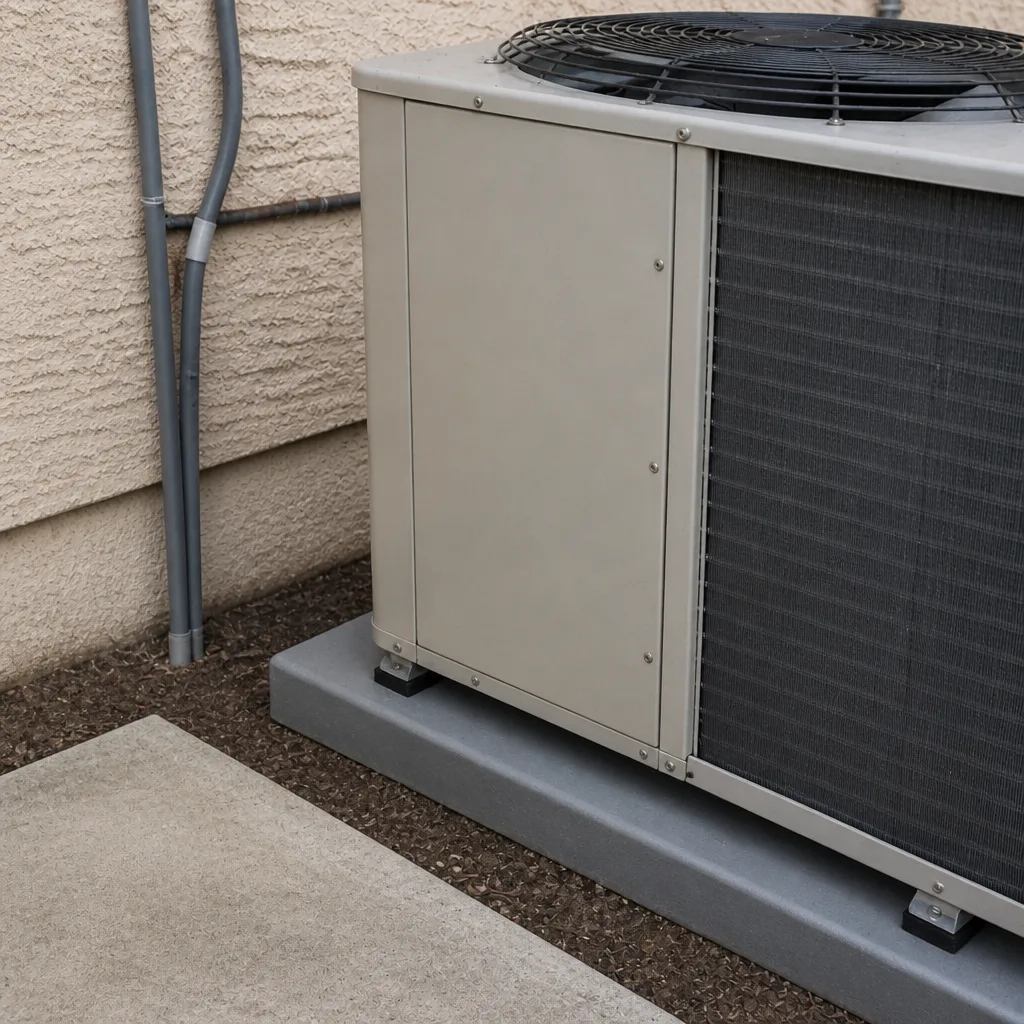 After
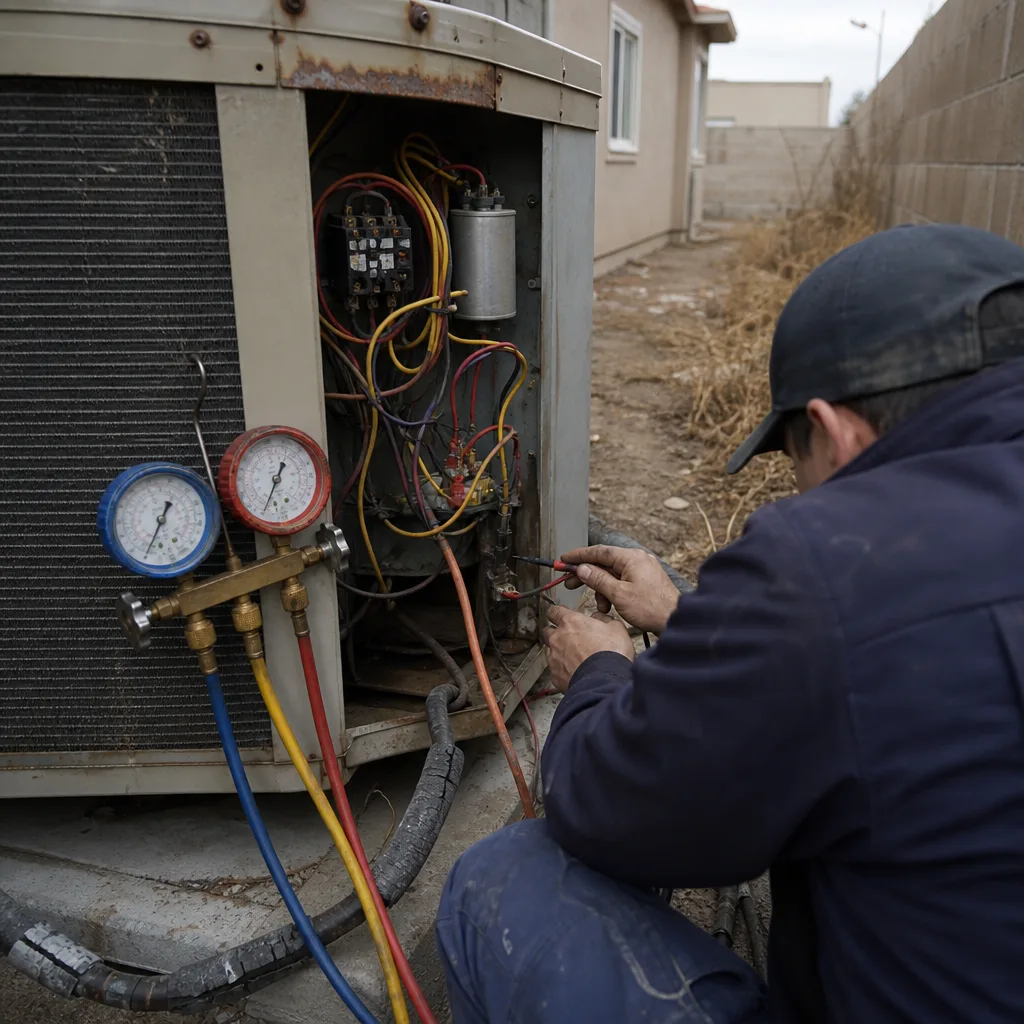 Before
 After
When to Call a Professional
Some warning signs are watch-and-note; a few are call-today. Call a professional if you smell rotten eggs anywhere near the furnace or gas line (leave first, then call), if you see a yellow or flickering flame, if the furnace won’t stay lit, if you hear repeated ignition pops, or if you find water around the condensate line. These involve gas, combustion, or the furnace’s safety circuit, and they’re not homeowner territory. For the softer signs – short cycling, uneven heat, a climbing gas bill – a scheduled diagnostic is the right move, well before anything fails.
Dalton Heating & Air Spring Valley offers free estimates in Spring Valley – call (888) 268-6106. We answer with a live person 24 hours a day, and every job comes with a written price before any work starts.
Frequently Asked Questions
The most common are short cycling, a delayed ignition pop, a yellow or flickering flame, uneven heat between rooms, and cycles that get more frequent overnight. Add any persistent metallic or sulfur smell, and you have the full early-warning list. Catching these early usually means a repair in the $150 – $300 range instead of a $600 – $1,800 failure. Call (888) 268-6106 for an exact quote – estimates are free.
Yes, a yellow or flickering flame can be dangerous because a healthy natural gas flame burns steady and blue. Yellow points to incomplete combustion, which can mean poor airflow or a heat exchanger problem that lets combustion gases into your home. Shut the furnace off and have it inspected by a trained technician rather than running it. Call (888) 268-6106 to schedule a diagnostic.
Short cycling usually comes from a clogged filter, a failing flame sensor, or a limit switch tripping because the unit is overheating. In Spring Valley, dusty conditions and hard water mean filters clog and condensate lines mineralize faster than many homeowners expect, so both are worth checking first. A diagnostic pins down the actual cause in writing. Call (888) 268-6106 for a free estimate.
A rotten-egg smell means a possible natural gas leak, and you should leave the house and call your gas utility from outside immediately. Natural gas is odorized with a sulfur compound specifically so leaks are detectable. Don’t flip switches, light anything, or try to find the leak yourself. Once the gas company clears the house, call (888) 268-6106 for the furnace repair.
Yes, a clogged condensate line trips a pressure switch and produces a fault that looks identical to an ignition failure: the furnace tries to light, fails, retries, and quits. That’s why it gets misdiagnosed constantly. The fix is clearing the drain, not replacing the igniter. If your furnace won’t relight and you’ve had water near the drain, call (888) 268-6106 – estimates are free.
Repair if the furnace is under about 12 years old, the repair runs under $800, and the heat exchanger is sound. Replace if it’s over 15 and facing a $700+ repair, or if the heat exchanger is cracked – that last one is a safety call, not a cost call. Our team puts both numbers in writing so you can compare real figures. Call (888) 268-6106 for a free estimate.
The Bottom Line
Furnace failures rarely arrive without warning. The five behavioral signs, the smell categories, your gas bill, and the condensate line together give you a reliable early-warning system, and acting on those signs keeps repair costs in the $150 – $300 range instead of the $600 – $1,800 range. The furnace that misbehaves at 2 a.m. and seems fine by morning is the one to take seriously, not the one to dismiss. Read the signals early, watch the flame and the drain line, and call while the fix is still small. If you’ve spotted any of these warning signs in Spring Valley, our experienced technicians can diagnose it, put the price in writing before any work starts, and back the repair with a full-year written guarantee. Whether it’s a furnace issue or you need AC repair in Spring Valley, we’re a Garrison Partners company held to The Garrison Standard, ready to help. Call (888) 268-6106 for a free estimate.
Written by the team at Dalton Heating & Air Spring Valley.