
Last updated November 17, 2026
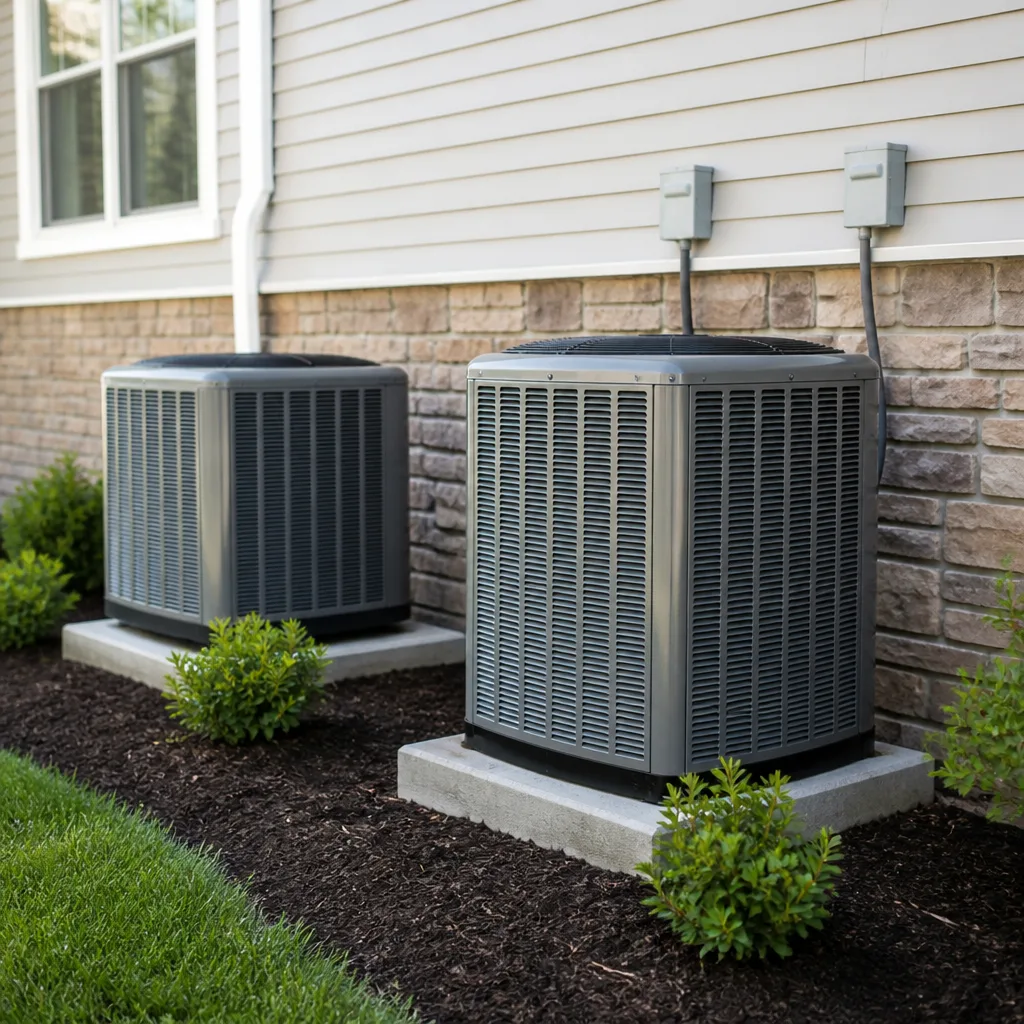 Heat pumps
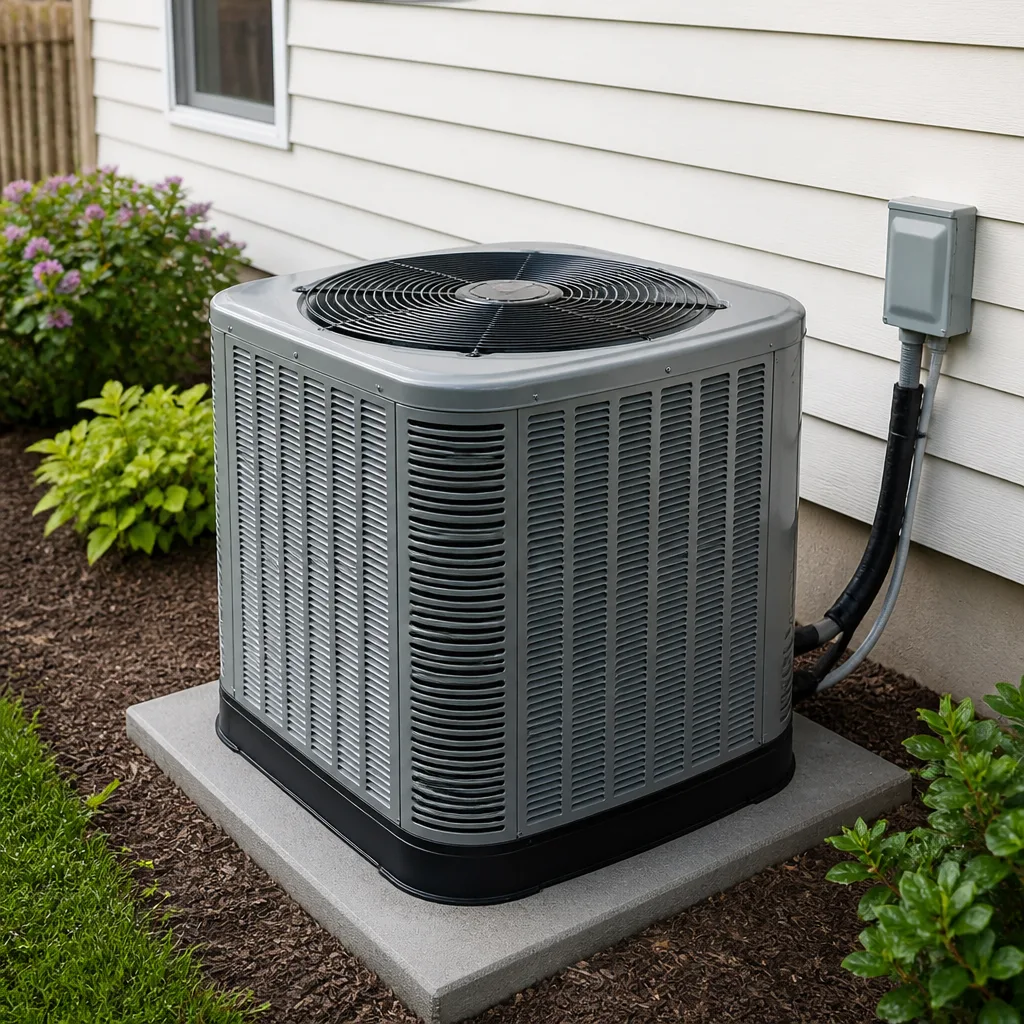 AC repair
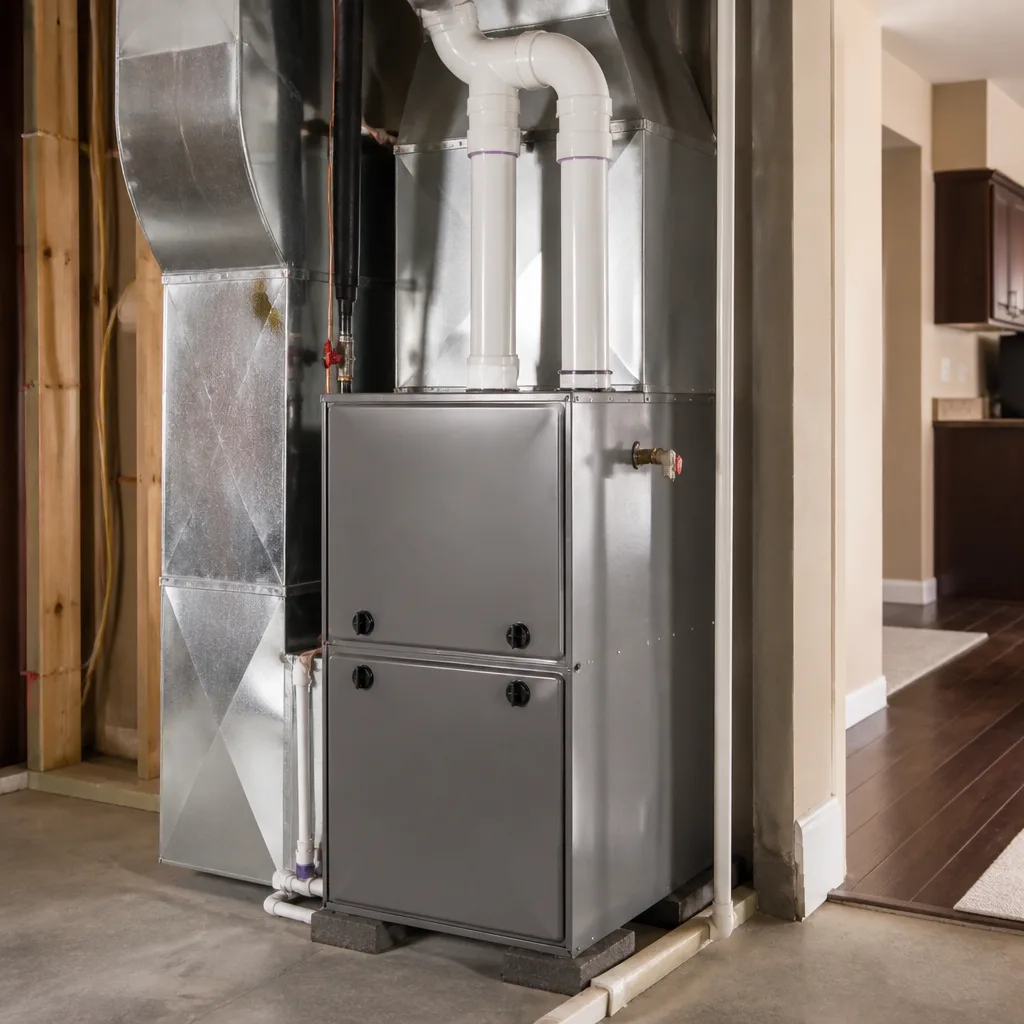 Furnace & heating
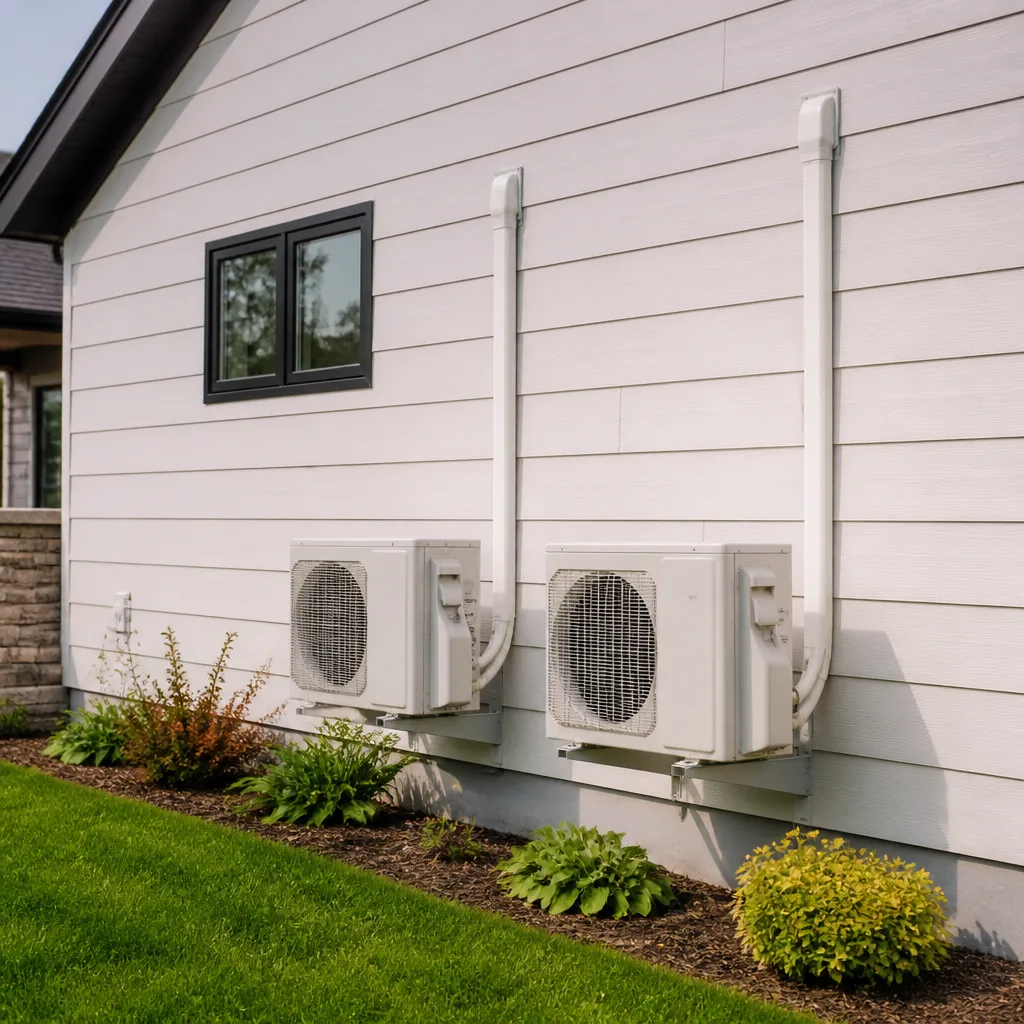 Ductless mini splits
 Carrier
 Trane
 Goodman
Seasonal tune-up and full diagnostic on your Carrier, Trane, or Goodman system - readings shown to you before any repair is proposed
Diagnosis first, numbers second - you approve the repair price before a single part goes in.
Get your free estimateHeat Pump Installation Maintenance Schedule: What to Do and When
A reversing valve that’s only partly stuck costs nothing to catch during a scheduled maintenance visit. Left alone through a Spring Valley summer, it bleeds efficiency every cooling hour and can turn into a $400-$600 repair. Caught in the fall, before the mild heating season starts, it’s about a 20-minute fix a technician can confirm on the spot. Here’s the full picture: a maintenance calendar built around how a heat pump actually runs in Spring Valley’s two operating seasons, what a technician checks, and the handful of things you can observe yourself to flag a problem early.
Quick Answer
A heat pump needs maintenance twice a year – once in spring before cooling season (roughly April) and once in fall before heating season. Each visit covers filters, coils, refrigerant charge, electrical connections, and, critically, the reversing valve that switches the system between heating and cooling. In Spring Valley, the fall visit also confirms the defrost cycle and auxiliary strip heat work before the few sub-40°F nights arrive. Skipping either visit means paying for efficiency loss all season.
Styles & brands we work with
- AC repair
- Furnace & heating
- Heat pumps
- Ductless mini splits
- Carrier
- Trane
- Goodman
Table of Contents
- Why a Heat Pump Schedule Differs from an AC Schedule
- Your Bi-Annual Heat Pump Maintenance Calendar
- The Reversing Valve Check (The One Everyone Skips)
- Defrost Cycle Check Before Spring Valley’s Cold Nights
- Auxiliary Strip Heat and NV Energy Demand Charges
- Filter and Coil Intervals for Dual-Mode Operation
- What You Can Check vs. What Needs a Technician
- Common Mistakes to Avoid
- When to Call a Professional
Why a Heat Pump Schedule Differs from an AC Schedule
A conventional air conditioner does one job: move heat out of your house. A heat pump does that, then reverses to move heat in. That reversible operation is what makes heat pump maintenance a different animal from AC maintenance, and it’s the reason a “once a year tune-up” that works fine for a cooling-only system leaves a diagnostic gap on a heat pump.
Here’s the core difference. In cooling mode, your system pulls heat from inside and rejects it through the outdoor unit. In heating mode, it pulls heat from the outdoor air (yes, even at 40°F there’s usable heat in it) and delivers it indoors through the same coil assembly. Every component in the refrigerant loop has to work correctly in both directions, and a part that’s marginal in one mode can pass for fine in the other.
The component at the center of that switchover is the reversing valve. It’s a solenoid-driven valve that redirects refrigerant flow when you change the thermostat from cool to heat (or the system does it automatically). When it seats fully, the switch is clean and quiet. When it only partly seats, refrigerant slips past, and you lose capacity without an obvious failure – no breaker trips, no ice, just a system that works harder than it should and costs more to run.
Spring Valley’s climate makes the two-season schedule especially important. Our cooling season runs long, roughly April through October, which means the system spends most of the year in one mode. Because the heating season is short, a reversing valve or defrost problem could sit undetected for months, only to show up as an emergency on the first genuinely cold night of the year. A fall check catches it before that.
If your current setup is aging and you’re weighing a swap, our overview of Heat Pump Installation in Spring Valley covers sizing and the installation timeline, since sequencing matters just as much as ongoing care.
Your Bi-Annual Heat Pump Maintenance Calendar
The schedule below is built specifically for how a heat pump runs in Spring Valley’s climate – a long cooling stretch and a short but real heating season. Use it as a starting point, then adjust for your system’s age and what your manufacturer’s manual specifies.
Numbered Maintenance Timeline
- Early March – pre-cooling setup. Replace the air filter. Schedule the spring technician visit for late March or April, before the first string of 95°F days.
- April – spring professional visit. Full cooling-mode inspection: coils, refrigerant charge, electrical connections, condensate drain, reversing valve function check, blower and airflow.
- May through September – monthly homeowner checks. Filter changes every 30-60 days for standard 1-inch filters, longer for pleated or high-MERV. Watch for any delay between the thermostat switching modes and a change in supply-air temperature.
- Late September – pre-heating setup. Replace the filter again. Call for the fall visit before the first sub-40°F night.
- October – fall professional visit. Full heating-mode inspection: defrost cycle confirmation, reversing valve recheck, auxiliary strip heat test, and a check of the outdoor unit’s clearances for cold-weather operation.
- November through February – monthly homeowner checks. Keep the outdoor unit clear of debris. Listen for grinding or cycling during a defrost event. Note any jump in your energy bill that seems out of line for the weather.
Two visits a year, on a predictable rhythm. The spring visit protects your cooling season; the fall visit protects your heating season and the equipment that only gets exercised a few months out of the year. If you’d rather not track this yourself, a written maintenance plan that books both visits automatically is the simplest path – that’s the kind of scheduling we handle as a routine part of the work at our Dalton Heating & Air Spring Valley home page.
The Reversing Valve Check (The One Everyone Skips)
Ask ten homeowners what was checked at their last heat pump service, and you’ll get the same list back: filter, coils, refrigerant, “connections.” Almost nobody mentions the reversing valve. On a heat pump, that’s a real gap, because the valve is the single component that makes your system a heat pump instead of an air conditioner.
What a technician actually does
The check is straightforward and quick in skilled hands. During a scheduled visit, a trained technician will:
- Confirm the valve fully shifts between cooling and heating when the thermostat changes modes, watching for a clean, complete changeover.
- Check the solenoid coil that drives the valve for correct operation and electrical condition.
- Compare the temperature change across the indoor coil in both modes to confirm the valve is seating, not leaking refrigerant past it.
- Listen for any chatter or partial-shift behavior – the sound of a valve that isn’t fully committing.
Documenting the check in a written report matters. If a valve is marginal this visit, you want a record so the next technician knows what to watch.
What you can observe yourself
You don’t need gauges to catch a sluggish valve. Do this simple observation once a month in seasons when the system switches modes:
- Set the thermostat to cool and let it run 15 minutes. Note the approximate supply-air temperature (hold your hand at a register – cool is enough, you don’t need a thermometer).
- Switch to heat (or set a setpoint above room temperature on a cool morning). Wait and watch the register.
- Time how long it takes for the air to feel warm instead of cool. A quick switch is normal. A delay of several minutes, or air that never really warms, is worth flagging.
A fully stuck valve is hard to miss – the system blows cold air in heating mode. A partly stuck valve is the subtle problem, and the delay test is one of the few things a homeowner can do to catch it before it slowly bleeds efficiency all season.
Defrost Cycle Check Before Spring Valley’s Cold Nights
In heating mode, the outdoor coil gets cold enough to attract frost. The system runs a defrost cycle periodically to clear it – essentially a controlled reversal that warms the outdoor coil and melts the ice. During defrost, the system typically stops the outdoor fan, runs the compressor, and uses some form of heat (supplemental or from inside) so you don’t get a blast of cold air indoors. It’s a normal, brief event, usually a few minutes.
Spring Valley doesn’t have a long, brutal winter, but we do get those handful of nights in the upper 30s and low 40s where a heat pump spends real time in heating mode – and that’s exactly when the defrost cycle earns its keep. A stuck defrost board or a sensor that misreads coil temperature can leave the outdoor coil iced up, which is why the fall visit tests defrost before the cold arrives.
Normal versus stuck
- Normal: Brief defrost events on cold, humid mornings. A little steam or water runoff from the outdoor unit. The system returns to heat within a few minutes.
- Problem: Frost that builds up and doesn’t clear. The unit stuck in defrost for a long stretch, or cycling into defrost so frequently you hear it repeatedly. Ice packing the outdoor coil.
If you ever see the outdoor unit frosted over and staying that way on a cold morning, shut the system down and call – that’s not something to ride out.
Auxiliary Strip Heat and NV Energy Demand Charges
Heat pumps in Spring Valley often include supplemental electric strip heat, sometimes called auxiliary heat or “aux.” It’s a backup heating element inside the air handler that turns on when the heat pump alone can’t keep up – typically on the coldest mornings, during defrost, or when the thermostat is recovering from a big temperature setback. As a comfort backup, it’s doing its job.
The problem is what it costs when it runs at the wrong time. Nevada’s utility rate structure includes demand-based charges, where your highest peak usage in a billing period helps set your bill. Strip heat pulls a lot of power in a hurry. If your aux heat kicks in during a summer afternoon – when it shouldn’t be running at all – you can see a bill spike that has nothing to do with your cooling demand. An unusual summer bill is sometimes a strip heat issue in disguise.
What the annual test covers
- Confirm the strip heat energizes only when it should – recovery from a setback or a genuinely undersized heat pump, not routine cooling calls.
- Test the sequencer or control board that stages the elements so aux heat brings on in the right order.
- Check for a strip stuck on, which is one of the more common causes of “my bill jumped and I don’t know why.”
- Verify the thermostat’s aux heat settings match how the system is intended to run.
This test belongs on the fall visit, before the heating season, but a borderline strip heat issue can show up in July. That’s why we run it annually as part of the fall service rather than waiting for a bill to go sideways.
Filter and Coil Intervals for Dual-Mode Operation
A heat pump runs its indoor coil in both directions – cooling mode does the bulk of the dehumidification, and heating mode runs air through the same coil assembly. That dual use means the coil is handling more hours of duty than an air conditioner coil, and it’s damp for more of the year. More moisture on the coil means more microbial growth risk, and it’s why a heat pump coil needs attention on a tighter schedule than a cooling-only coil.
Filter intervals
- 1-inch standard filters: every 30-45 days in Spring Valley’s dusty months, no longer than 60 days any time of year.
- Pleated 1-inch filters: every 60-90 days, sooner if you have pets or open windows often.
- High-MERV or thick cabinet filters: per the manufacturer’s interval, but never longer than the manual states – restricting airflow to save a filter change is a false economy.
Coil intervals
- Outdoor coil: rinse or clean per the manufacturer’s recommendation, and always as part of the spring visit. In Spring Valley, dust and cottonwood fluff settle on the outdoor unit quickly, so visual checks between visits are worth the two minutes.
- Indoor coil: inspected annually, cleaned as needed. Because it handles both seasons, watch for musty smells or reduced airflow in either mode – both are early signs of a coil that needs cleaning.
- Condensate drain: checked at the spring visit, since a clogged drain in cooling season leads to water damage nobody wants.
We’ve seen a lot of coil and filter neglect turn into bigger repair bills when a heat pump is asked to work around restricted airflow. A weekly look at the filter takes a minute and prevents most of it. For year-round cooling-side issues, our AC Repair in Spring Valley page covers symptoms and what a repair visit looks like.
What You Can Check vs. What Needs a Technician
There’s a clear line between what a homeowner should and shouldn’t touch on a heat pump. The line isn’t about intelligence – it’s about refrigerant, high voltage, and sealed systems that demand gauges and training to test properly. Here’s how we’d draw it.
Homeowner-safe checks
- Filter changes – monthly or as scheduled. This is the single highest-impact thing you can do.
- Outdoor unit clearances – keep two feet of clearance around the unit, clear of debris, leaves, and cottonwood fluff.
- The mode-switch delay observation – the temperature-change test we described earlier, using only your hand at a register.
- Audible checks – listen for grinding, chattering, or repeated defrost cycling on cold mornings.
- Thermostat settings – confirm the aux heat setting matches your system. Avoid aggressive setbacks that trigger strip heat unnecessarily.
- Bill monitoring – a summer bill spike with no weather explanation is worth a call.
Leave these to a trained technician
- Refrigerant checks and recharge – refrigerant is handled under EPA rules, and the system has to be tested with gauges. Touching it without training and the right equipment is a hazard and a legality issue.
- Electrical work on the compressor or contactor – the outdoor unit runs on high voltage. Do not open the electrical panel.
- Reversing valve testing and replacement – this sits in the sealed refrigerant circuit. It’s a technician’s job, and a wrong move here can turn a 20-minute diagnostic into a big repair.
- Defrost board diagnosis – the board controls the defrost cycle and needs electrical testing to evaluate.
- Coil cleaning that requires opening the cabinet – homeowner rinses of the outdoor coil are fine when accessible; anything that opens the equipment is a technician’s call.
If a heat pump isn’t keeping up and the mode-switch observation shows a problem, don’t keep resetting the thermostat and hoping. That’s the moment to call – a heat pump that’s fighting a stuck valve or a defrost fault is working against itself, and the longer it runs that way, the more energy it wastes.
Common Mistakes to Avoid
- Treating a heat pump like a once-a-year AC tune-up. Heat pumps need two visits – spring and fall. A single annual visit leaves the heating side unchecked before the season that tests the defrost cycle and strip heat.
- Skipping the reversing valve check because it wasn’t mentioned. If your service report doesn’t list a reversing valve or changeover check, ask for it. The valve is the one heat pump-specific component most general AC tune-ups don’t touch.
- Ignoring a slow mode switch. A delay between cool and heat isn’t normal. In Spring Valley, catching a sluggish valve in fall is a 20-minute fix; replacing the valve later can run $400-$600 once you factor in parts and refrigerant handling.
- Test-driving aux heat by cranking the thermostat up. Big setbacks and household churn trigger strip heat unnecessarily, and that shows up on an NV Energy bill. Use a moderate schedule and let the heat pump carry the load.
- Letting the outdoor coil collect dust and cottonwood. Spring Valley’s dust settles fast. A restricted outdoor coil pushes the system harder and can shorten the compressor’s life. Clear it monthly, and get it cleaned at the spring visit.
- Running a high-MERV filter at low airflow. Thicker, high-MERV filters can choke airflow if the system wasn’t designed for them, and restricted airflow mimics a refrigerant problem. Stick to the filter the manual recommends.
- Waiting for a failure to book a visit. A twice-a-year schedule books itself, and a technician who already knows your system catches small issues before they become middle-of-the-night calls. Waiting for a breakdown is the most expensive maintenance plan there is.
When to Call a Professional
Some issues need a real technician visit, not a filter change. Call us when: the system blows cold air in heating mode or warm air in cooling mode; the outdoor unit stays frosted over and doesn’t clear; you hear grinding, chattering, or repeated defrost cycling; a strip-heat element appears to run during cooling season; your summer energy bill spikes without a weather explanation; or the changeover from cool to heat takes several minutes or never fully warms. For heating-mode issues specifically, our Furnace Repair in Spring Valley page covers related symptoms and how a visit is scoped. Dalton Heating & Air Spring Valley offers free estimates in Spring Valley – call (888) 268-6106. We’ll confirm what’s wrong, put the price in writing before any work starts, and stand behind the repair with our 365-Day Done Right Promise.
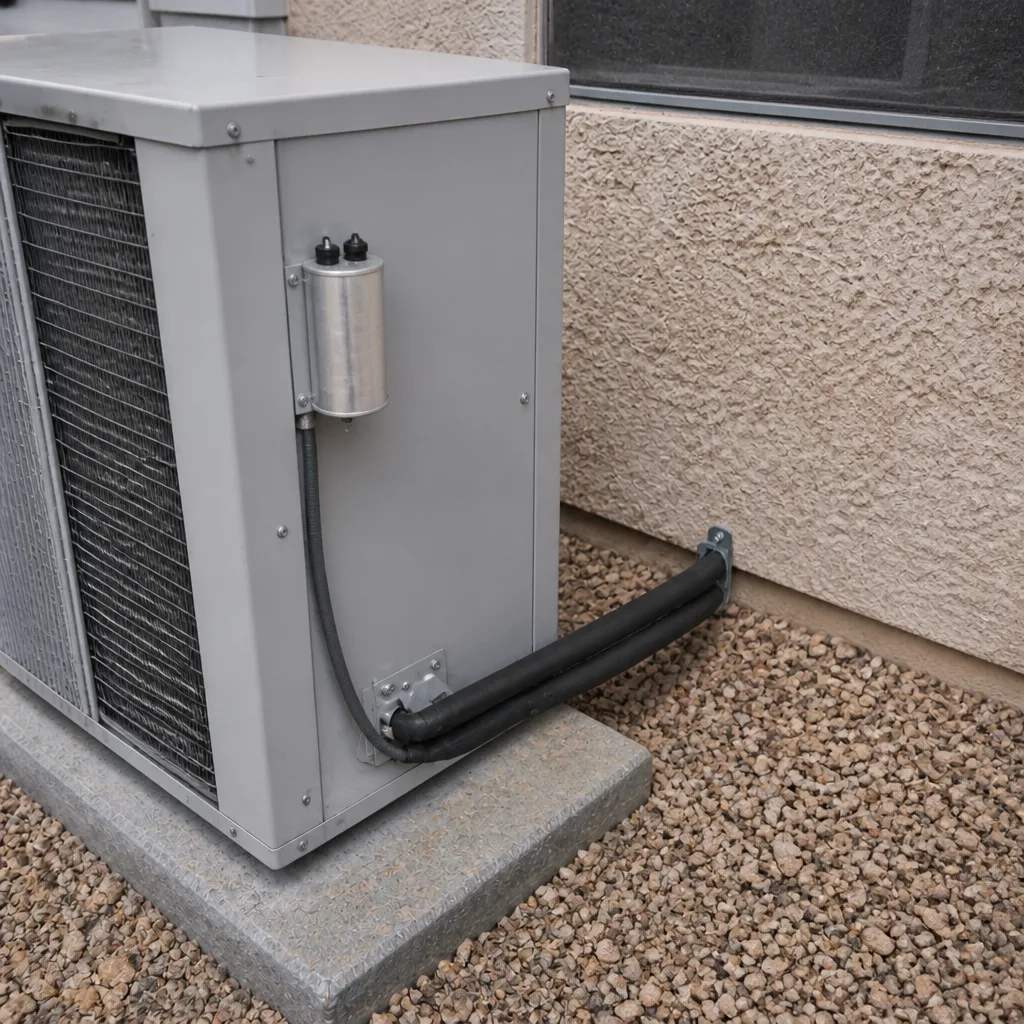
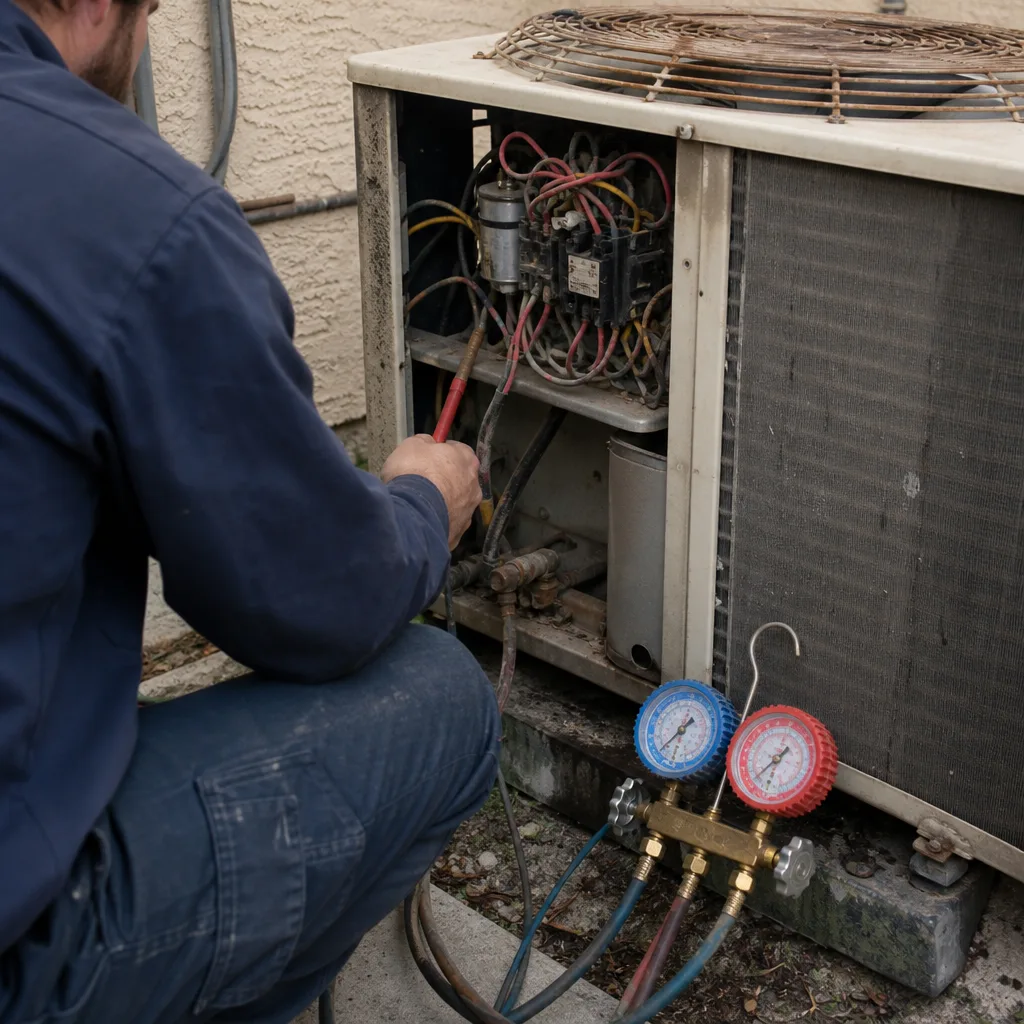
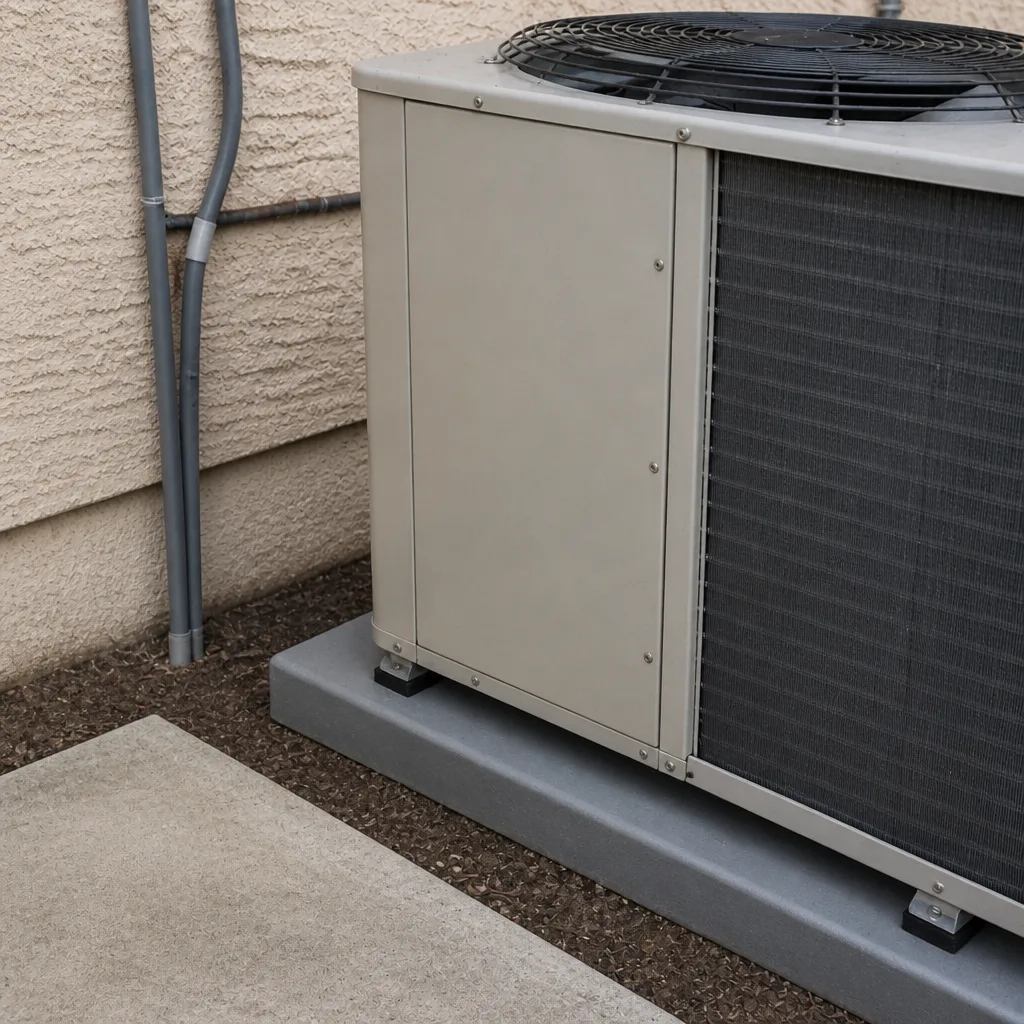
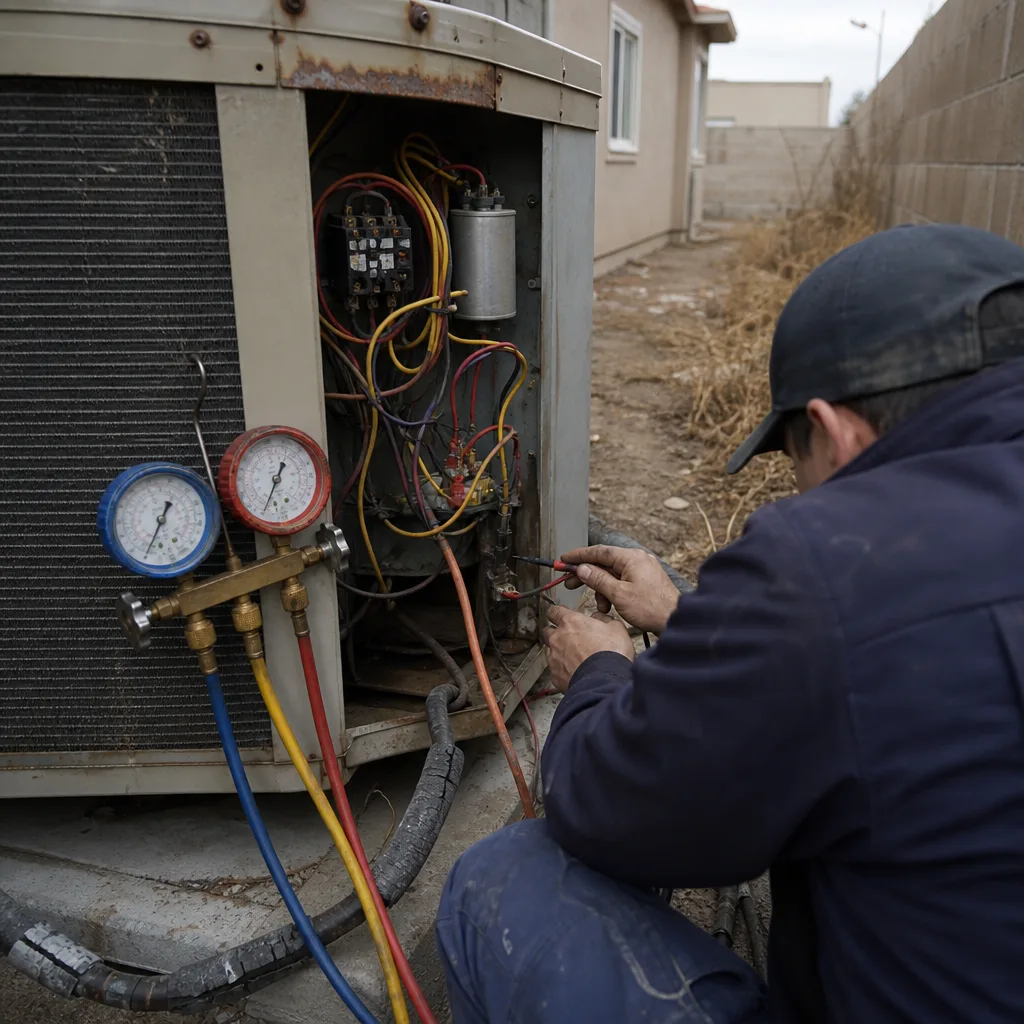
See the difference
 Before
 After
 Before
 After
 Before
 After
Frequently Asked Questions
Twice a year – once in spring before cooling season and once in fall before heating season. Heat pumps switch between heating and cooling, so each season tests different components. A single annual visit leaves the heating side unchecked before the defrost cycle and auxiliary strip heat get used. In Spring Valley, we recommend the fall visit before the first sub-40°F night.
The reversing valve is the component that switches your heat pump between heating and cooling by redirecting refrigerant flow. It needs an annual check to confirm it’s fully seating, because a partly stuck valve leaks refrigerant past it and bleeds efficiency without triggering an obvious failure. Most consumer maintenance guides skip it – it’s worth specifically asking for at your service visit.
Do the mode-switch delay test: set the system to cool for 15 minutes, then switch to heat and time how long it takes for the air at a register to warm up. A quick change is normal; a delay of several minutes or air that never really warms means the valve may not be fully shifting. A fully stuck valve blows cold air in heating mode. Either way, call for a diagnostic visit – it’s a free estimate, and you’ll get an exact price in writing before any work.
If the system is relatively new and the problem is a single component like a reversing valve, repair almost always makes sense – a valve repair typically runs $400-$600, and a replacement is multiples of that. If the system is aging, has had repeated repairs, or the compressor is failing, replacement deserves a real conversation. Call (888) 268-6106 for a free estimate; we’ll lay out both paths and the numbers before you decide.
Most routine maintenance visits run $150-$300 depending on the system and what’s included. Comprehensive plans that cover both annual visits, filters, and priority scheduling usually come in at a predictable annual figure. We put the exact price in writing before any work starts – no surprises. For an exact quote for your system, call (888) 268-6106.
Two common culprits: restricted airflow from a clogged filter or dirty coil, and auxiliary strip heat running when it shouldn’t. Nevada’s demand-based rate structure means racking up peak usage – like an electric strip-heat element firing during a cooling call – can spike a bill. If your summer bill jumps without a weather explanation, get the aux heat and airflow checked. Call us for a diagnostic visit with upfront pricing.
The Bottom Line
A heat pump schedule comes down to two visits a year – spring and fall – and a handful of monthly checks you can do yourself. The part almost every guide forgets is the reversing valve, the component that makes a heat pump a heat pump. Check it annually, watch the mode-switch delay between seasons, and test defrost and strip heat before Spring Valley’s cold nights. If a visit turns up a sluggish valve, it’s a quick fix caught early and a $400-$600 repair caught late. Ready to book? Dalton Heating & Air Spring Valley offers free estimates and written pricing before any work starts. Call (888) 268-6106 to get on the schedule before the season turns.
Written by the team at Dalton Heating & Air Spring Valley.