
Last updated November 17, 2026
 AC repair
 Furnace & heating
 Heat pumps
 Ductless mini splits
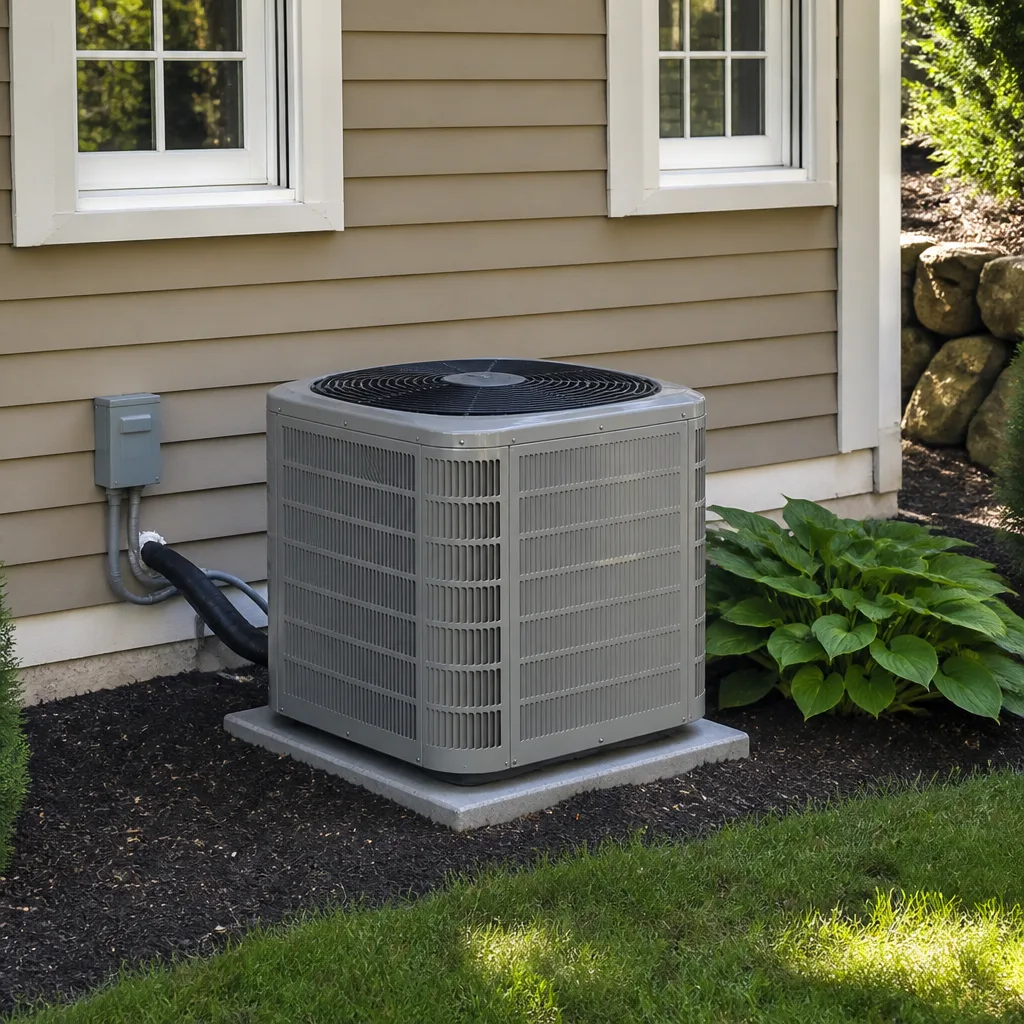 Carrier
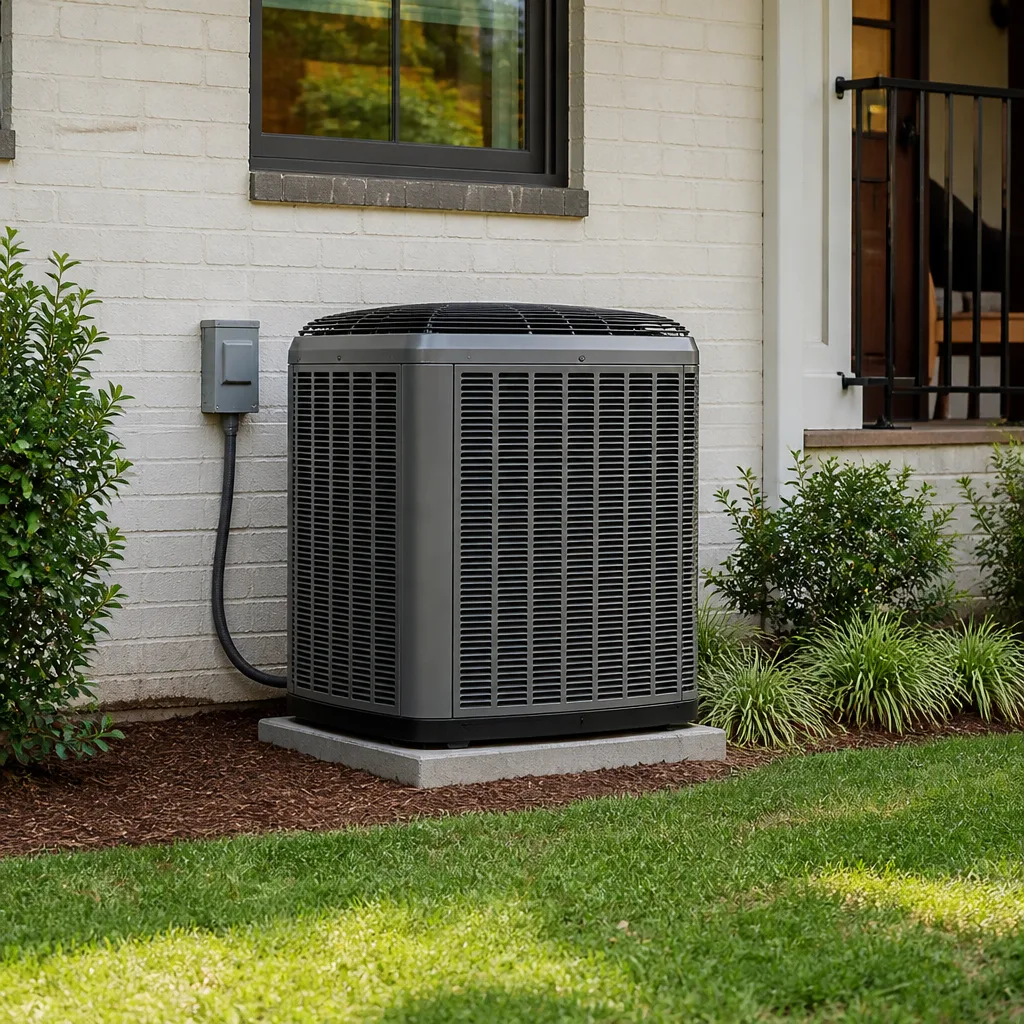 Trane
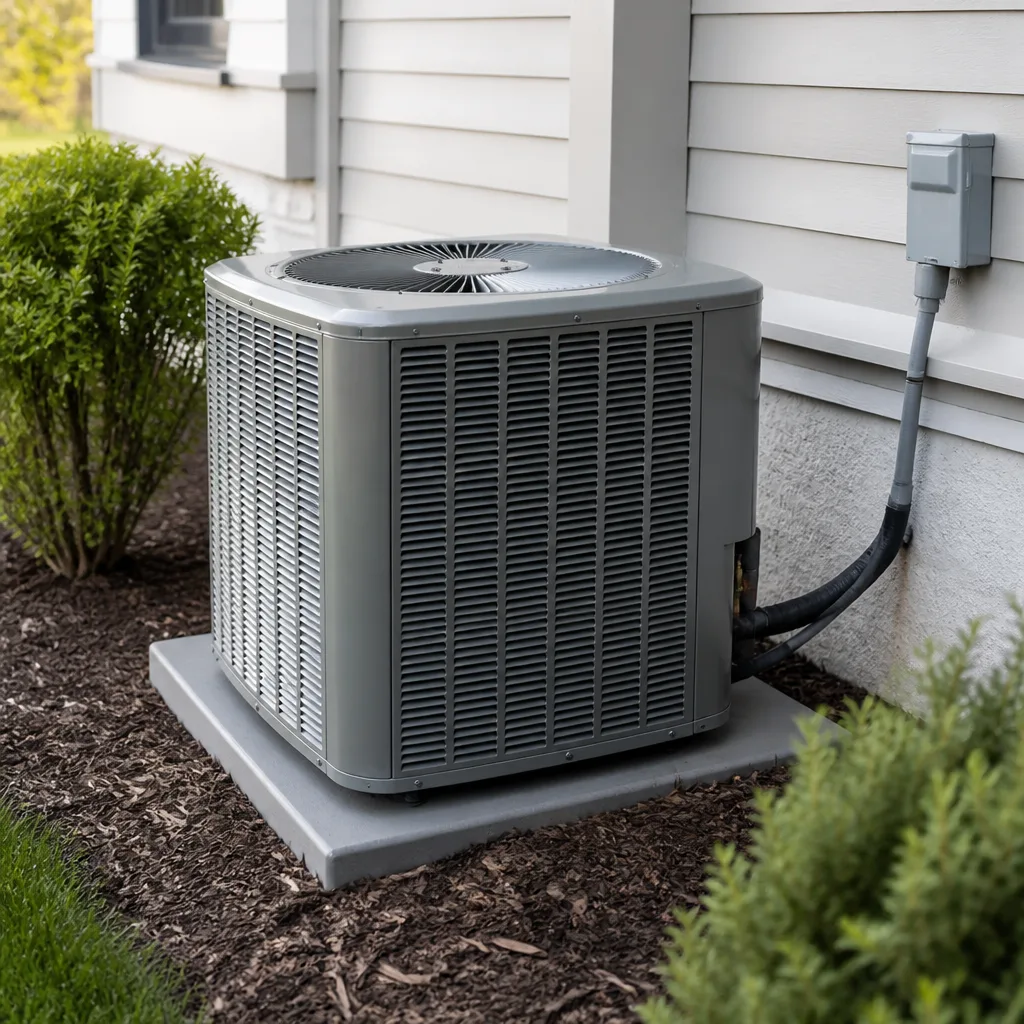 Goodman
Seasonal tune-up and full diagnostic on your Carrier, Trane, or Goodman system - readings shown to you before any repair is proposed
Diagnosis first, numbers second - you approve the repair price before a single part goes in.
Get your free estimateFurnace Repair Maintenance Schedule: What to Do and When
Changing your furnace filter every 90 days is the standard advice – but in Spring Valley, where a spring dust event can load a filter to half restriction inside a month, that schedule is quietly shortening the life of your heat exchanger. The national maintenance calendar was written for a place with four wet seasons and mild dust. We live somewhere else. What follows is the furnace maintenance schedule we actually use in Spring Valley, month by month, with the filter intervals, technician checks, and record-keeping that fit this valley’s dust, its short heating season, and the long AC run that wears on the parts your furnace shares with it.
Quick Answer
In Spring Valley, furnace maintenance runs on two anchors: a homeowner walkthrough in late September before the first cold snap, and a professional service call every fall that includes a heat exchanger inspection, a carbon monoxide (CO) test, a gas pressure reading, and a static pressure measurement. Filters should be checked every 30 days during the windy spring months and every 60 to 90 days the rest of the year. The tasks you can own are the filter, thermostat batteries, and a visual check of the condensate drain. The tasks that need a licensed tech are the combustion side, gas pressure, and heat exchanger checks.
Styles & brands we work with
- AC repair
- Furnace & heating
- Heat pumps
- Ductless mini splits
- Carrier
- Trane
- Goodman
Table of Contents
- Why a National Maintenance Schedule Fails in Spring Valley
- The Month-by-Month Furnace Calendar for Spring Valley
- Filter MERV Ratings and Real Dust Intervals for the Valley
- What Homeowners Can Own vs. What Needs a Licensed Tech
- The Annual Checks a Technician Should Perform and Document
- What the AC Season Does to Your Furnace
- How a Maintenance Log Protects Your Manufacturer Warranty
- Common Mistakes to Avoid
Why a National Maintenance Schedule Fails in Spring Valley
Most furnace advice you’ll find online assumes a heating season that runs six months and an air quality that stays moderate. Spring Valley breaks both assumptions. Our heating season is short – the furnace might carry the load for three or four months, not six – but the dust load is heavy all year, and the AC runs hard for the other eight months, pulling air through the same blower and cabinet your furnace uses.
That combination changes the schedule in three specific ways:
- The filter loads faster than the default. Manufacturer filter intervals are usually written for 90 days. In Spring Valley, a windy week in March or April can push a standard filter to half restriction in 30 days. A restricted filter cuts airflow, and low airflow is one of the leading causes of heat exchanger overheating and cracking – the exact failure that produces carbon monoxide.
- The blower motor runs year-round. Your AC shares the blower motor and the evaporator coil sits above the furnace. That means blower wear, cabinet dust, and condensate drain issues accumulate during the cooling season, not the heating season. By the time you turn the furnace on in November, the blower may already be tired.
- The cold snaps come fast. Desert temperature swings mean the first real heating demand can arrive with little warning. A furnace that sat idle since February needs a check before that first cold night, not the week after.
That’s why the fall service call matters more here than it does in a milder climate. It’s the difference between a furnace that fires clean on the first cold night and one that trips a limit switch at 11 p.m. If you’re noticing odd behavior already, our Furnace Repair in Spring Valley page covers the symptoms worth calling about.
The Month-by-Month Furnace Calendar for Spring Valley
Here’s the schedule that actually fits the valley. It’s built around our seasons, not a generic national template.
- September – pre-season walkthrough. Change or check the filter, replace thermostat batteries, clear anything stored against the furnace cabinet, and confirm the condensate drain line is clear. Call to schedule your annual professional service now, before the first cold snap fills the calendar.
- October – annual professional service. This is the ideal window. The AC season is winding down, the furnace is about to take over, and a tech can inspect the heat exchanger, test for CO, read gas pressure, and measure static pressure while the system is cool. Schedule in October and you’ll have the written report in hand before the first hard freeze.
- November through February – heating season monitoring. Check the filter every 30 to 45 days. Watch for odd smells, short cycling, or a burner that sounds different. Keep the area around the furnace clear.
- March and April – post-season inspection. After the last meaningful heating demand, do a visual check of the cabinet, the flue, and the drain. This is when you’ll spot dust buildup from the windy months and any condensate issues that developed over the winter.
- May through August – shared-component season. The AC is doing the work, but the blower and cabinet are still wearing. Check the filter every 30 days. This is also the window when a failing blower motor or a clogged drain first shows up – as weak cooling rather than a furnace problem.
If your furnace is already acting up mid-season, don’t wait for the calendar. Our AC Repair in Spring Valley and furnace teams share the same scheduling system, so a call gets you on the board fast.
Filter MERV Ratings and Real Dust Intervals for the Valley
MERV stands for Minimum Efficiency Reporting Value – a 1-to-16 scale that measures how well a filter catches particles. The higher the number, the finer the particles it traps. But higher MERV also means more airflow resistance, and in a dusty climate that resistance climbs faster than the label suggests. Here’s how we think about filter choice and replacement intervals in Spring Valley:
- MERV 8: The practical default for most homes here. Good dust and pollen capture without choking airflow. Check it every 30 days during windy months, every 60 to 90 days otherwise.
- MERV 11: Better for allergy households, but expect to replace it sooner. In Spring Valley, plan on 30 to 45 days during dust season and 60 days or less the rest of the year.
- MERV 13: High filtration, high restriction. Only worth running if your system was designed for it – a high-MERV filter on a system with marginal static pressure will starve the furnace and AC of airflow.
- Washable or reusable filters: Fine if you actually clean them on schedule. Most homeowners don’t, and a loaded washable filter performs worse than a fresh cheap one.
The number on the box is a starting point, not a rule. In Spring Valley, the right interval is the one that keeps the filter from loading past about half restriction – and during March and April, that can be a 30-day cycle. If you’re not sure whether your filter is loading fast or your system is fighting for airflow, a static pressure reading at the annual service tells you the truth.
What Homeowners Can Own vs. What Needs a Licensed Tech
Some furnace tasks are safe and sensible for a homeowner. Others belong behind a service panel and a set of trade tools. The line matters because the dangerous side of a furnace – the combustion side – is where mistakes turn into carbon monoxide.
What you can safely own:
- Changing the filter on schedule (check it every 30 days during dust season).
- Replacing thermostat batteries and confirming the thermostat settings match how you want the system to run.
- A visual check of the visible condensate drain line – looking for standing water, algae, or a line that’s been kinked or clogged. Clearing a visible clog on the accessible portion is fine.
- Resetting the blower access panel: if the panel is loose or was removed for a filter change and not seated correctly, the furnace’s safety switch will keep it from running. Seat it firmly and the furnace will fire.
- Keeping the area around the furnace and the flue clear, and confirming the return-air grilles aren’t blocked by furniture or rugs.
What requires a licensed technician:
- Anything on the combustion side – the burners, the gas valve, the flue, and the heat exchanger. These are the components that produce carbon monoxide when they fail, and there’s no safe DIY path to checking them.
- Gas pressure readings. A manifold pressure that’s too high or too low changes how the burners fire and can shorten the life of the heat exchanger.
- Static pressure measurement – the reading that tells you whether your ductwork and filter are starving the system of airflow.
- Any electrical work inside the cabinet. This is a safety caveat worth stating plainly: the furnace cabinet holds line voltage and a gas supply. A trained technician is the only person who should be working behind that panel.
For the tasks on the first list, you’re saving money and staying safe. For the second, a service call is the right call – and it’s where a written report becomes your record.
The Annual Checks a Technician Should Perform and Document
The value of an annual furnace service comes down to what actually gets measured. Here’s the checklist you should expect any tech to work through – and to write down. Ask for the report.
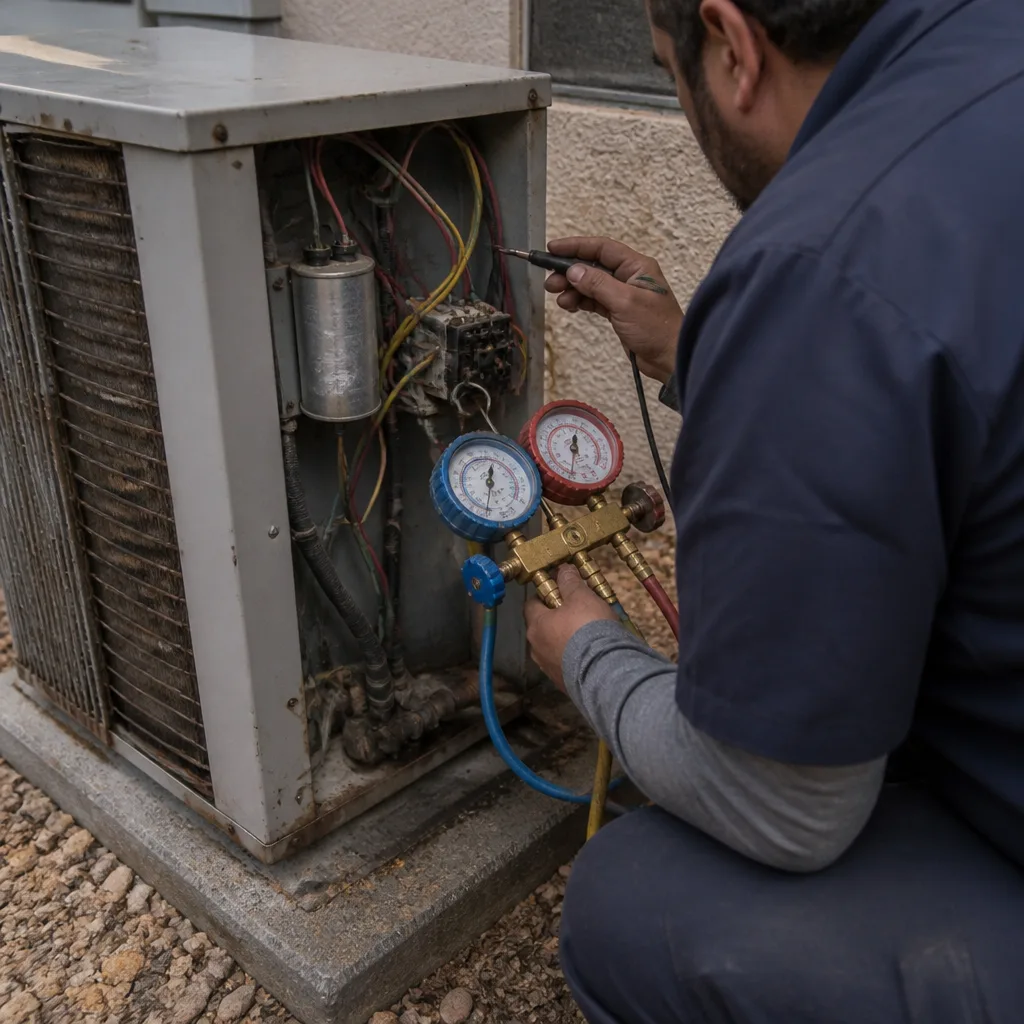
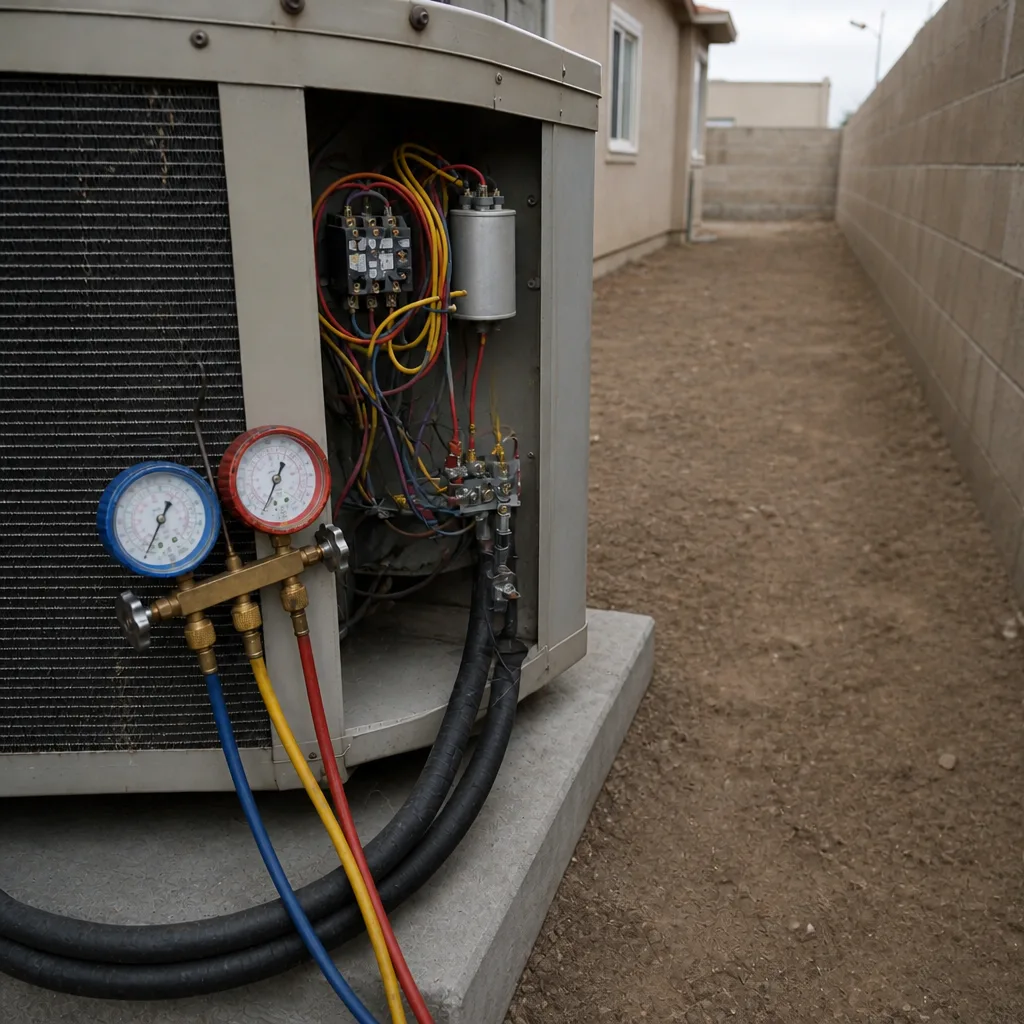
- Heat exchanger visual inspection and CO test. The heat exchanger is the metal chamber that separates combustion gases from your home’s air. A cracked exchanger leaks carbon monoxide into the airflow. A visual inspection plus a combustion analyzer CO reading is the core safety check.
- Gas pressure reading. The tech reads manifold pressure at the gas valve and confirms it’s within the manufacturer’s spec for your unit. Off-spec pressure is a quiet cause of premature failure.
- Static pressure measurement. This is the reading that tells you how hard the blower is working to move air. High static pressure means the system is fighting a restricted filter or undersized ducts – the exact condition that overheats a heat exchanger.
- Burner and flame sensor check. A clean burn and a reliable flame sensor signal mean the furnace fires and stays lit. A dirty sensor is a common cause of short cycling.
- Flue and vent inspection. The vent carries combustion gases out of the house. A blocked or poorly pitched flue is a CO risk.
- Blower motor and capacitor check. Amp draw and capacitor readings tell you whether the blower is on its way out.
- Condensate drain check. Clear the drain and confirm it’s flowing. A clogged drain on a high-efficiency furnace can shut the system down.
We service nine major residential brands – Carrier, Trane, Lennox, Goodman, Rheem, York, Daikin, Bryant, and American Standard – so the tech who shows up should know your equipment and have the model-specific specs for it. When the service call is done, the written report should show each of these measurements, not just a checkbox. That document is what protects you later.
What the AC Season Does to Your Furnace
Your AC and your furnace aren’t two separate systems – they share a blower motor, a cabinet, an air filter, and in many Spring Valley homes, a condensate drain that routes near the furnace. That means the eight months your AC runs are not eight months of rest for the furnace parts.
Three things happen during cooling season that show up as furnace problems in the fall:
- Blower motor wear. The blower runs all summer. By the time heating season starts, a motor that’s been drawing higher amps all summer may fail in the first cold week. That’s a common pattern we see in Spring Valley – an October furnace no-heat call traced back to a blower that was already weak in July.
- Dust loading in the cabinet and evaporator coil. The filter catches most of it, but the cabinet and the coil above the furnace collect dust over the cooling season. A partially blocked coil reduces airflow for the AC and the furnace.
- Condensate drain issues. Summer condensation can clog or grow algae in the drain line. A high-efficiency furnace also produces condensate, so a drain that’s already restricted can shut the furnace down on the first cold night.
That’s the reason a fall service after a full AC season is more valuable than a spring-only tune-up. If you’re considering a heat pump to replace an aging AC-and-furnace setup, our Heat Pump Installation in Spring Valley page explains how those systems shift the maintenance picture entirely.
How a Maintenance Log Protects Your Manufacturer Warranty
Manufacturer warranties on furnaces typically require proof of proper maintenance – and when a heat exchanger claim is filed, the manufacturer will ask for service records. If you can’t produce them, the claim can be denied even when the failure is a genuine defect.
What to keep in your maintenance log:
- The date of each professional service call and the name of the company.
- The written report or invoice showing what was checked – heat exchanger inspection, CO test, gas pressure reading, static pressure measurement.
- The filter change dates and the MERV rating you used.
- Any repairs performed and the guarantee terms for each.
- The model and serial number of the furnace itself (usually on a label inside the cabinet or near the access panel).
This log is also how you hold a service company accountable. If your tech promised a static pressure reading and it isn’t in the report, that’s a red flag. Every repair we perform comes with a written guarantee for a full year – if the repair fails within that year, we return at no charge. That guarantee is documented, and it belongs in the same log. Keeping good records is the difference between a warranty claim that sails through and one that gets denied on paperwork.
Common Mistakes to Avoid
- Running a 90-day filter interval through dust season. In Spring Valley, a March or April wind event can load a filter to half restriction in 30 days. Check it monthly during the windy months and you’ll prevent most airflow-related heat exchanger problems.
- Treating the furnace like a seasonal appliance. The blower and cabinet work all summer. Skipping the fall service because the furnace “ran fine last winter” ignores the eight months of shared-component wear that happened since.
- Running a MERV 13 filter on a system that wasn’t designed for it. High filtration feels better, but if your static pressure is already marginal, a restrictive filter starves the furnace and AC of airflow. Match the filter to the ductwork, not to the marketing.
- Never asking for the report. A service call without a written report – no CO reading, no gas pressure, no static pressure – is worth far less than one with the numbers. Ask for it and file it.
- Ignoring the smell. A dusty smell at the first fall start-up is normal for a few minutes. A persistent metallic or burning smell is not – shut the system down and call for service.
- Storing things against the furnace cabinet. Paint cans, boxes, and holiday decorations stacked against the cabinet restrict airflow and create a fire hazard. Keep at least a couple of feet clear, and keep any flammables well away from the flue.
- Letting the condensate drain go un-checked. A visible clog on a high-efficiency furnace will shut it down on the coldest night. Look at the drain during your monthly filter check.
See the difference
 Before
 After
 Before
 After
 Before
 After
When to Call a Professional
Some jobs are yours to own. Others should trigger a call. Call us if you smell gas or detect a persistent burning smell, if your CO detector has ever alarmed, if the furnace short-cycles, if you see a yellow or flickering burner flame (a healthy flame is blue), if the furnace won’t fire after you’ve confirmed the filter is clean and the access panel is seated, or if the blower is making a grinding or screeching noise. Any of these suggests something on the combustion or mechanical side worth a technician’s eyes – and a quick look is far cheaper than a failed heat exchanger. Dalton Heating & Air Spring Valley offers free estimates in Spring Valley – call (888) 268-6106. Calls are answered by a live person, 24/7, and every job includes a written price before any work starts.
Frequently Asked Questions
Once a year, ideally in October before the first cold snap – after the AC season winds down and before the furnace takes over. If your system is older or has had prior repairs, a second inspection in April after the heating season is a good idea. The annual fall service should include a heat exchanger inspection, CO test, gas pressure reading, and static pressure measurement, with a written report.
Only if your ductwork and blower were designed for it. In most Spring Valley homes, a MERV 8 or 11 filter gives good dust and pollen capture without choking airflow. A MERV 13 filter on a system with marginal static pressure will starve the furnace and AC of air – which can actually cause the heat exchanger damage you’re trying to prevent. Check your static pressure at the annual service before committing to a high-MERV filter.
Every 30 days during the windy spring months (roughly March and April) and every 60 to 90 days the rest of the year. Manufacturer 90-day intervals assume moderate dust. In Spring Valley, a single dust event can load a filter to half restriction in a month. If you can’t see light through the filter held up to a lamp, it’s due.
No. The heat exchanger is inside the combustion chamber, and checking it requires disassembling the furnace and using a combustion analyzer to test for CO. The same rule applies to gas pressure readings and any work behind the cabinet panel. These are the exact jobs that carry carbon monoxide risk when done wrong, and they belong to a licensed technician. A visual inspection of the filter and the visible condensate drain is the safe homeowner side of the ledger.
Every written service report and invoice, the filter change dates, the model and serial number of the furnace, and the terms of any repair guarantee. Manufacturers ask for maintenance proof when a heat exchanger claim is filed, and missing records are a common reason claims get denied. Keep the log in one place – a folder or a note on your phone – and add to it every service call.
Yes. Your AC and furnace share the blower motor, the cabinet, the filter, and often the condensate drain. The blower runs all summer, so by fall it’s carrying accumulated wear. That’s why an October service after a full cooling season matters more here than a spring-only tune-up – it catches blower wear and condensate issues before the first cold night. Call (888) 268-6106 for an exact quote – estimates are free.
The Bottom Line
The right furnace maintenance schedule in Spring Valley is a two-anchor calendar: a homeowner check in September and March, and a professional service every fall with the measurements that actually matter written down. Check the filter every 30 days in dust season. Keep the blower access panel seated, the condensate drain clear, and the thermostat batteries fresh. Leave the combustion side to a licensed tech, and ask for the heat exchanger inspection, CO test, gas pressure reading, and static pressure number in writing. That log protects your warranty, and that report is how you know the work was done. If you want it done on a schedule that fits this valley, we’re ready when you are.
Free estimates are available across Spring Valley. Call (888) 268-6106 and we’ll get you on the calendar. Learn more about Dalton Heating & Air Spring Valley home.
Written by the team at Dalton Heating & Air Spring Valley.