
Last updated November 17, 2026
 Heat pumps
 AC repair
 Furnace & heating
 Ductless mini splits
 Carrier
 Trane
 Goodman
Seasonal tune-up and full diagnostic on your Carrier, Trane, or Goodman system - readings shown to you before any repair is proposed
Diagnosis first, numbers second - you approve the repair price before a single part goes in.
Get your free estimateHeat Pump Installation Troubleshooting: Common Problems and How to Fix Them
If a newly installed heat pump short-cycles on the first hot day, the most common cause isn’t a defective unit. It’s an oversized system that a contractor sized by rule of thumb instead of running a proper ACCA Manual J load calculation. That mistake costs homeowners thousands, and it’s 100% the installer’s responsibility, not the manufacturer’s. In Spring Valley, where summer design temperatures sit around 108°F and winter mornings still dip into the 30s, a heat pump has to be dialed in for both extremes. This guide walks you through the five installation errors that masquerade as equipment failures, how to verify a Manual J was actually done, and the exact checks to run before the install crew packs up and leaves.
Quick Answer
Most heat pump problems in the first year trace back to installation, not the equipment. The top culprits are improper refrigerant charge, wrong airflow (CFM) across the indoor coil, an undersized line set, incorrect thermostat staging wiring, and a crankcase heater that was never activated. The fix is usually a commissioning correction covered under the installing contractor’s workmanship guarantee, and you should demand it in writing before the manufacturer’s equipment warranty window starts ticking on a system that was never set up right.
Styles & brands we work with
- AC repair
- Furnace & heating
- Heat pumps
- Ductless mini splits
- Carrier
- Trane
- Goodman
Table of Contents
- The Five Installation Errors That Look Like Equipment Defects
- How to Verify a Manual J Load Calculation Was Actually Done
- What Auxiliary Heat Lockout Means and Why It Matters in Spring Valley
- The 72-Hour Post-Installation Checklist
- How Workmanship Guarantees Differ From Manufacturer Warranty
- Seasonal Symptoms to Watch For in Spring Valley
- Brand-Specific Notes on Carrier, Trane, and Lennox Systems
The Five Installation Errors That Look Like Equipment Defects
When a brand-new heat pump underperforms, homeowners almost always assume the factory shipped a lemon. In our experience across Spring Valley, that’s rarely the case. The unit itself is fine. What failed is the commissioning process, the final step where the installer weighs in refrigerant, measures airflow, and verifies the system against the manufacturer’s spec sheet. Here are the five errors we see most, and what each one looks like from the homeowner’s side of the thermostat.
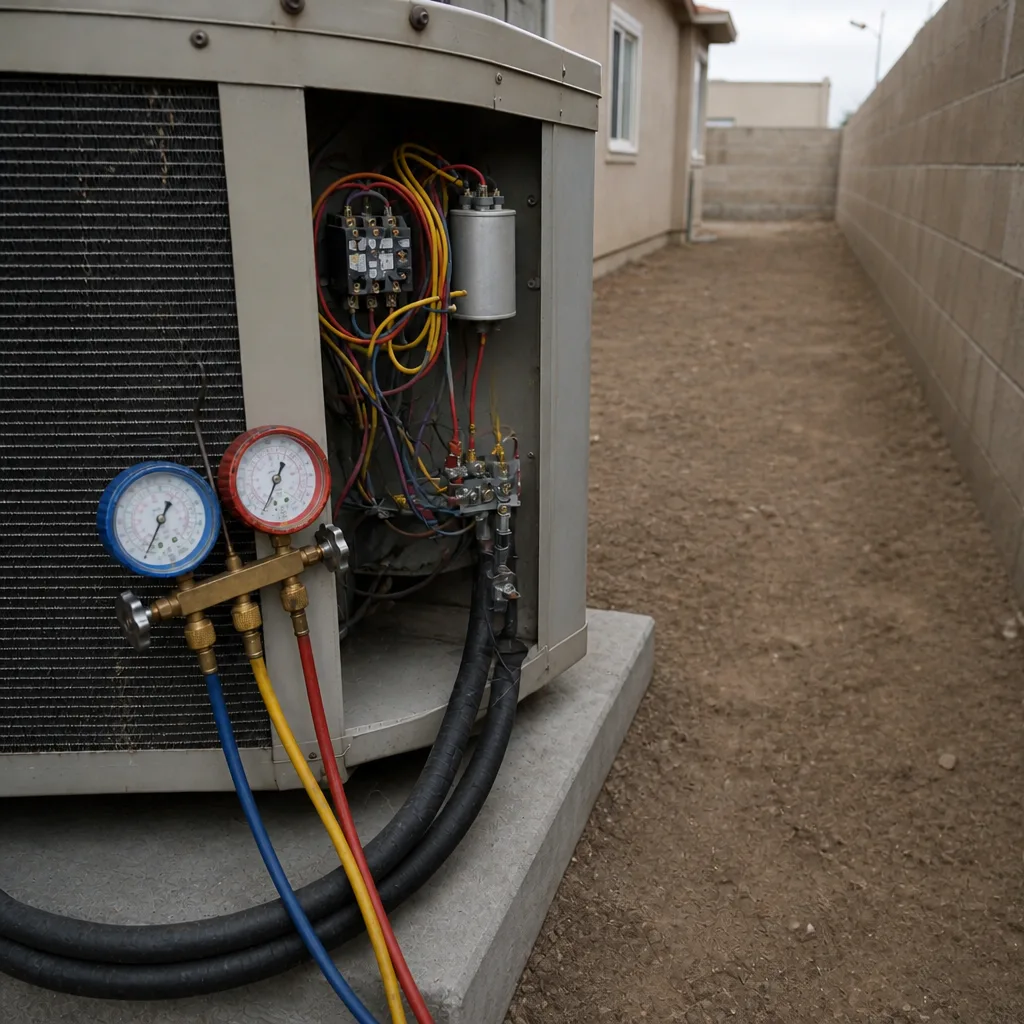
- Improper refrigerant charge. A heat pump is charged by weight or by subcooling and superheat readings, not by “feel.” When the charge is off, the system runs long cycles, blows lukewarm air in heating mode, and can ice up the outdoor coil in cooling. A recharge, or refrigerant recovery and correction, is what fixes it.
- Incorrect airflow (CFM) across the coil. CFM stands for cubic feet per minute, the amount of air moving through the system. Too low and the coil freezes; too high and the system can’t pull enough humidity out. Both rob efficiency. The installer should measure static pressure and confirm airflow is within the range stamped on the air handler’s data plate.
- Undersized line set. The line set is the pair of copper lines carrying refrigerant between the indoor and outdoor units. If the run is longer than expected and the installer reuses an old, smaller line set, the compressor works harder and capacity drops. Warped or kinked lines cause the same problem.
- Incorrect thermostat staging wiring. Modern heat pumps use a multi-stage thermostat that tells the system when to bring on auxiliary heat. Miswired staging causes the aux heat to kick on during mild weather, which spikes your electric bill. You’ll notice the “AUX” or “EM HEAT” indicator glowing when it shouldn’t.
- Missing crankcase heater activation. The crankcase heater keeps oil warm in the compressor so refrigerant doesn’t migrate into it during the off cycle. Some installers skip the low-voltage wiring step that energizes it. The symptom is compressor noise or hard starts on cold mornings.
Notice the pattern: none of these are manufacturing defects. Each one is a commissioning failure, which means each one is covered under workmanship, not the equipment warranty. Knowing the difference is how you get the contractor to fix it at no charge.
How to Verify a Manual J Load Calculation Was Actually Done
A Manual J load calculation is the engineering document that determines how many BTUs your home actually needs, based on square footage, insulation levels, window area, orientation, and local climate data. It’s the difference between a properly sized heat pump and a guess. Homeowners in Spring Valley should ask for it before signing a contract, not after.
Here’s what a real Manual J looks like and what to check:
- It’s a printed report, not a verbal estimate. The contractor should hand you a multi-page document with room-by-room heat loss and heat gain figures, not a single number scribbled on a proposal.
- It uses local design temperatures. For Spring Valley, the report should reference summer design conditions near 108°F and winter conditions appropriate to the region, not a national average.
- It lists window and door counts. If the report doesn’t reflect the actual number and orientation of your windows, the calculation was faked.
- The recommended tonnage matches the calculation. A 1,800-square-foot home in Spring Valley rarely needs a 5-ton system. If the number in the report and the number on the equipment tag don’t match, ask why.
If a contractor can’t produce a Manual J on request, they sized your system by square footage alone, often called the “400 square feet per ton” rule. That shortcut is the single biggest cause of oversized systems, and oversized systems short-cycle, fail to dehumidify, and wear out faster. Our Heat Pump Installation in Spring Valley process includes a Manual J on every job, and the report is yours to keep.
What Auxiliary Heat Lockout Means and Why It Matters in Spring Valley
Auxiliary heat lockout, sometimes called “aux heat lockout” or “balance point,” is a thermostat setting that tells the system not to engage the electric resistance heat strips until the outdoor temperature drops below a set threshold. The heat strips are expensive to run, often two to three times the cost per hour of the heat pump compressor, so getting this setting right directly affects your electric bill.
Here’s why it matters so much in Spring Valley. Our winters are mild by national standards, with most overnight lows in the 30s and 40s. A properly configured heat pump handles those temperatures on compressor alone. But if the installer left the lockout at the factory default, or disabled it entirely, the auxiliary heat will energize on cool mornings when the heat pump could have done the job by itself. Homeowners see a November or February bill that jumps by $80 to $150 and assume the heat pump is inefficient. It isn’t. The lockout was never set.
Ask your installer for the balance point setting in writing, and confirm the thermostat is wired to honor it. On most Carrier, Trane, and Lennox thermostats this is a service menu option the installer has to enable deliberately. If nobody at the company can tell you what your balance point is, the commissioning was incomplete. For homeowners dealing with a system that’s already installed and misbehaving, our Dalton Heating & Air Spring Valley home page has the details on how we handle service calls and what the guarantee covers.
The 72-Hour Post-Installation Checklist
The three days after a heat pump installation are the accountability window. Manufacturer warranties don’t usually cover labor, and workmanship guarantees from good contractors start the moment the job is done, so what you document in those first 72 hours is what you can hold the installer to. Walk through these steps before the crew leaves and again each day for the next two days.
- Get the commissioning sheet signed. It should show measured refrigerant charge, subcooling and superheat readings, static pressure, and measured CFM. If the numbers aren’t there, ask for them.
- Request the Manual J report and the equipment serial numbers. Keep them in a folder with your contract. You’ll need them for both workmanship and manufacturer claims.
- Test both modes. Run the system in heating and cooling for at least 20 minutes each. Feel the supply air temperature with a simple thermometer, and confirm the spread between return and supply is in the range the installer provides.
- Watch the thermostat for “AUX” or “EM HEAT” during mild weather. If it lights up when it’s 55°F outside, the lockout isn’t set. Note the date and time.
- Check for condensate leaks and unusual noises. Water near the air handler, or a compressor that grinds on startup, is a callback. Document with photos.
- Write down the outdoor and indoor temperature at every symptom. This sounds fussy, and it saves you an argument later. Contractors can’t dismiss a documented pattern.
If any step fails, call the installer immediately, within the 72-hour window, and put the request in writing. Email is fine. A written record of the complaint starts the workmanship clock in your favor.
How Workmanship Guarantees Differ From Manufacturer Warranty
This is where homeowners get the most confused, and where they lose the most money. The manufacturer’s warranty covers the equipment itself, typically parts, and rarely labor. If a Carrier, Trane, or Lennox compressor fails because the installer never charged the system correctly, the manufacturer isn’t on the hook. That’s a workmanship issue.
Workmanship coverage is what the installing company provides. It’s the promise that the installation was done correctly, and if it wasn’t, they come back and fix it. On our jobs, the terms are simple: the repair is guaranteed in writing for a full year. If it fails in that time, we return at no charge. That’s separate from whatever the manufacturer covers, and it’s the guarantee that actually protects you in the first twelve months, which is when installation errors surface.
Ask any contractor two questions before hiring: What’s your written workmanship guarantee, and does it cover installation labor and refrigerant, or just parts? A company that can’t answer both in writing, before starting, is telling you something important about how they handle callbacks. For homeowners in Spring Valley who are also deciding between repair and new install, our AC Repair in Spring Valley page covers when a fix makes sense versus when replacement does.
Seasonal Symptoms to Watch For in Spring Valley
Spring Valley’s climate puts unusual demands on a heat pump because it swings from 108°F summer highs to near-freezing winter mornings, and our shoulder seasons are short. That means problems show up fast, usually in the first big weather shift after installation.
- First 100°F week: watch for short cycling, warm supply air, or the outdoor fan running but the compressor not engaging. All three point to charge or airflow problems.
- First cold snap into the low 30s: listen for compressor hard starts and confirm the auxiliary heat isn’t running continuously. The first cold morning is also when crankcase heater wiring problems reveal themselves.
- Monsoon humidity: if the house feels clammy even with the thermostat set low, the system may be oversized or moving too much air. Both are installation errors, not equipment faults.
- Dust season: changing the filter matters more here than in most markets. A clogged filter mimics low airflow, and homeowners misread it as a failing system. Change monthly through summer.
If a symptom appears on schedule with a weather shift, write it down with the date. Patterns are what prove an installation issue to a contractor, and patterns are what we look for on a callback. Homeowners with a furnace that’s acting up on the same cold snaps can find our Furnace Repair in Spring Valley page for the heating-side equivalent.
Brand-Specific Notes on Carrier, Trane, and Lennox Systems
Heat pump installation errors look the same across brands, but the commissioning details differ enough that it pays to know your equipment. A few notes from what we see in Spring Valley homes.
Carrier systems, particularly the variable-speed models, are sensitive to airflow calibration. If the installer doesn’t program the air handler’s airflow trim to match the ductwork, the system defaults to a nominal CFM that may not fit the house. Trane units use a proprietary communicating thermostat, which means incorrect thermostat staging wiring on a Trane is almost always a thermostat-model mismatch rather than a wiring error. Lennox systems with the iComfort platform require the installer to enable aux heat lockout in the commissioning menu, and skipping that step is a common cause of high winter bills.
Goodman equipment is widely used in Spring Valley and is a solid, serviceable brand, but the factory charge on some models covers only 15 feet of line set. Longer runs need added refrigerant, weighed in. If your installer reused the old line set on a replacement job without recalculating, the charge is probably wrong.
Our technicians are factory-trained across nine major brands, and part of what that means is knowing the commissioning steps each one requires. It’s the difference between a system that runs and a system that runs right. For a full picture of what a properly done installation involves, see our Heat Pump Installation in Spring Valley page.
Common Mistakes to Avoid
- Accepting a verbal tonnage recommendation. “You need a 4-ton” without a Manual J is a guess. Ask for the report, in writing, before signing.
- Skipping the commissioning sheet. If the installer doesn’t hand you measured charge and airflow numbers, the job isn’t done. Ask for them, and don’t accept “within spec” as a substitute.
- Assuming the manufacturer warranty covers installation. It rarely covers labor, and it never covers a charge that was wrong from day one. Confirm workmanship coverage separately.
- Letting the first cold snap pass without checking the auxiliary heat. In Spring Valley, a wrong balance point setting quietly adds to every winter bill. Check the thermostat for “AUX” on mild days.
- Ignoring a symptom because the system is “new.” New systems fail for installation reasons far more often than equipment reasons. Document everything in the first 72 hours.
- Hiring on price alone. A bid that’s $800 lower typically reflects a shorter line set, no Manual J, and no commissioning. That difference shows up on your electric bill within a season.
- Not putting callback requests in writing. A phone call is easy to lose. An email with the date, time, and symptom holds up.
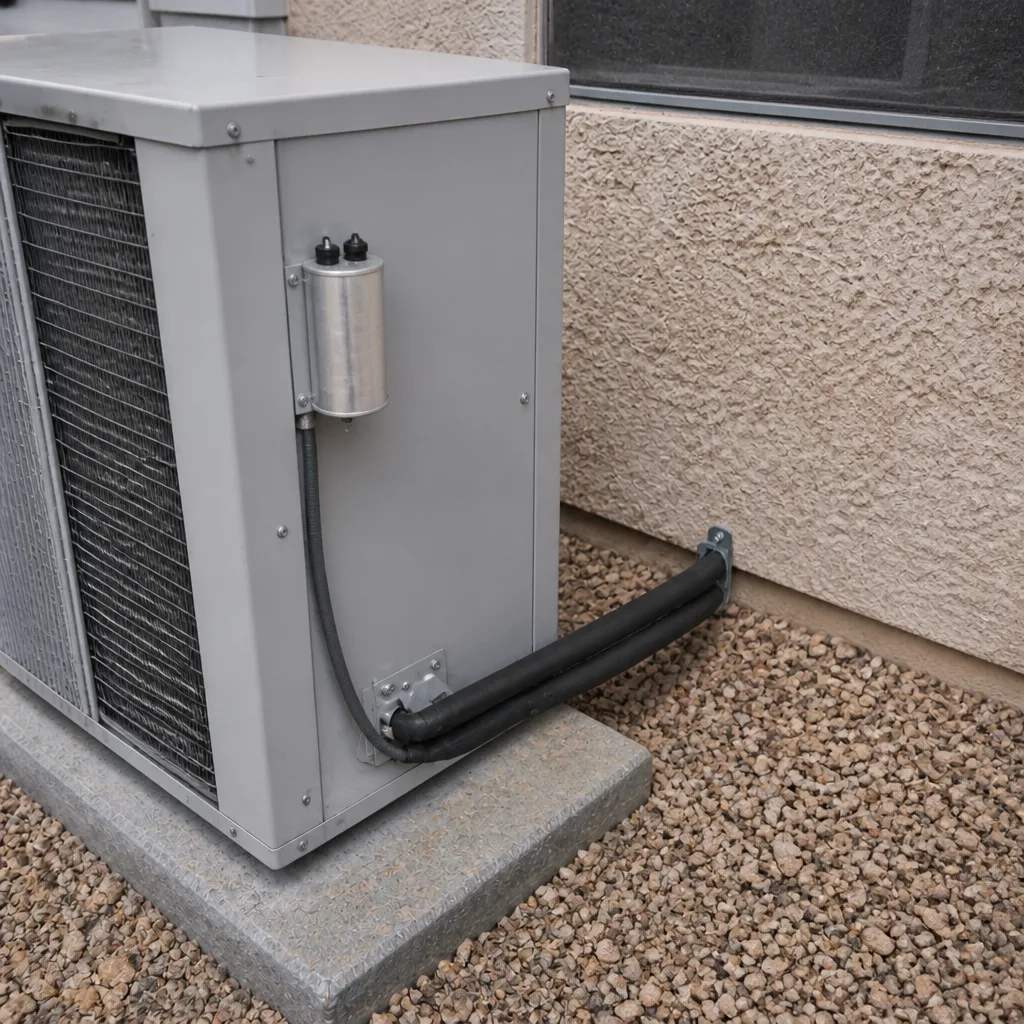
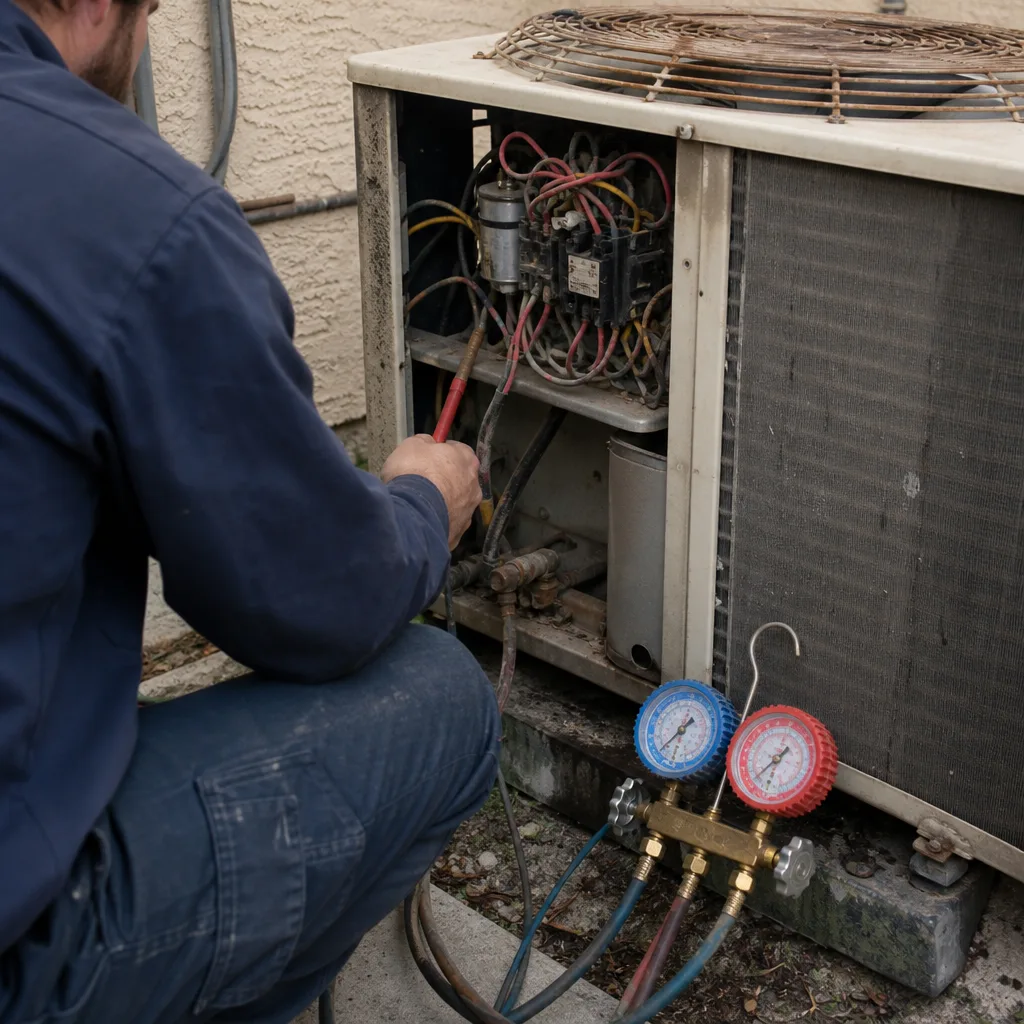
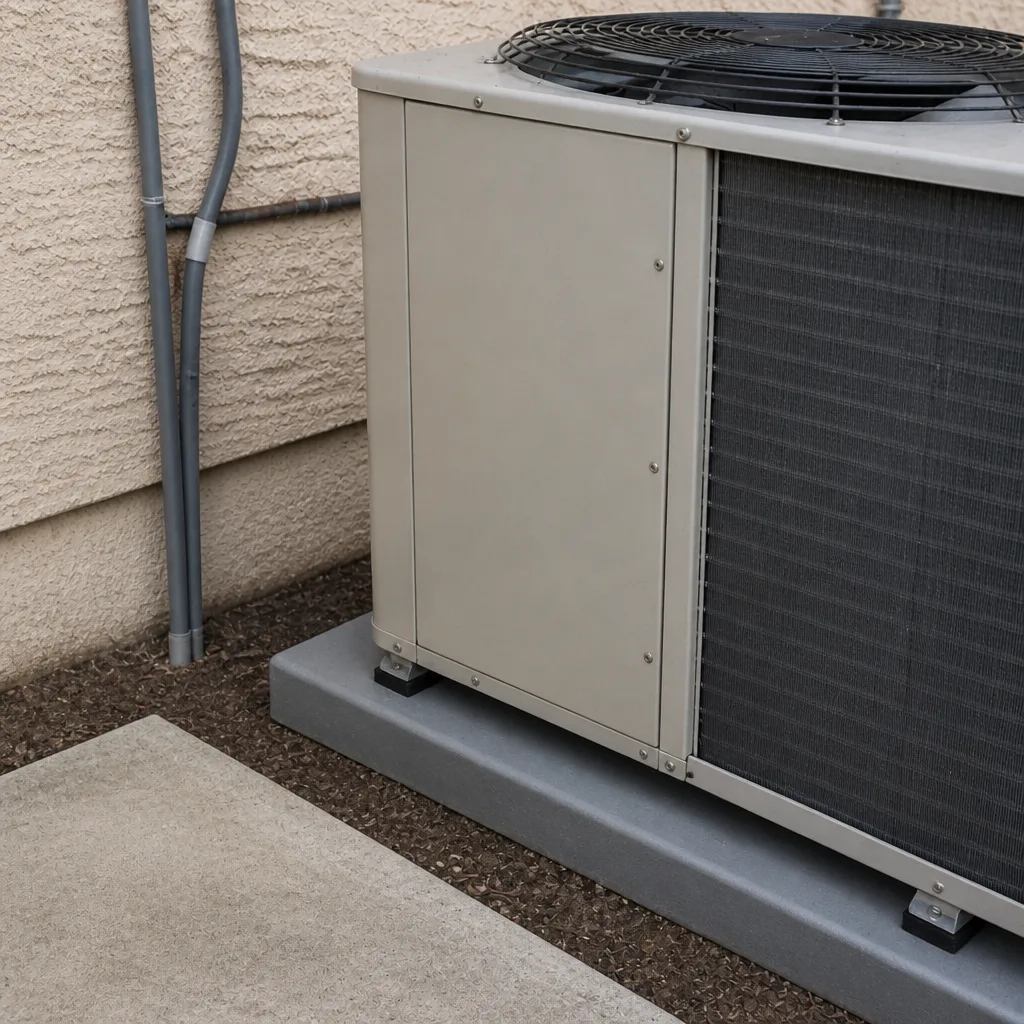
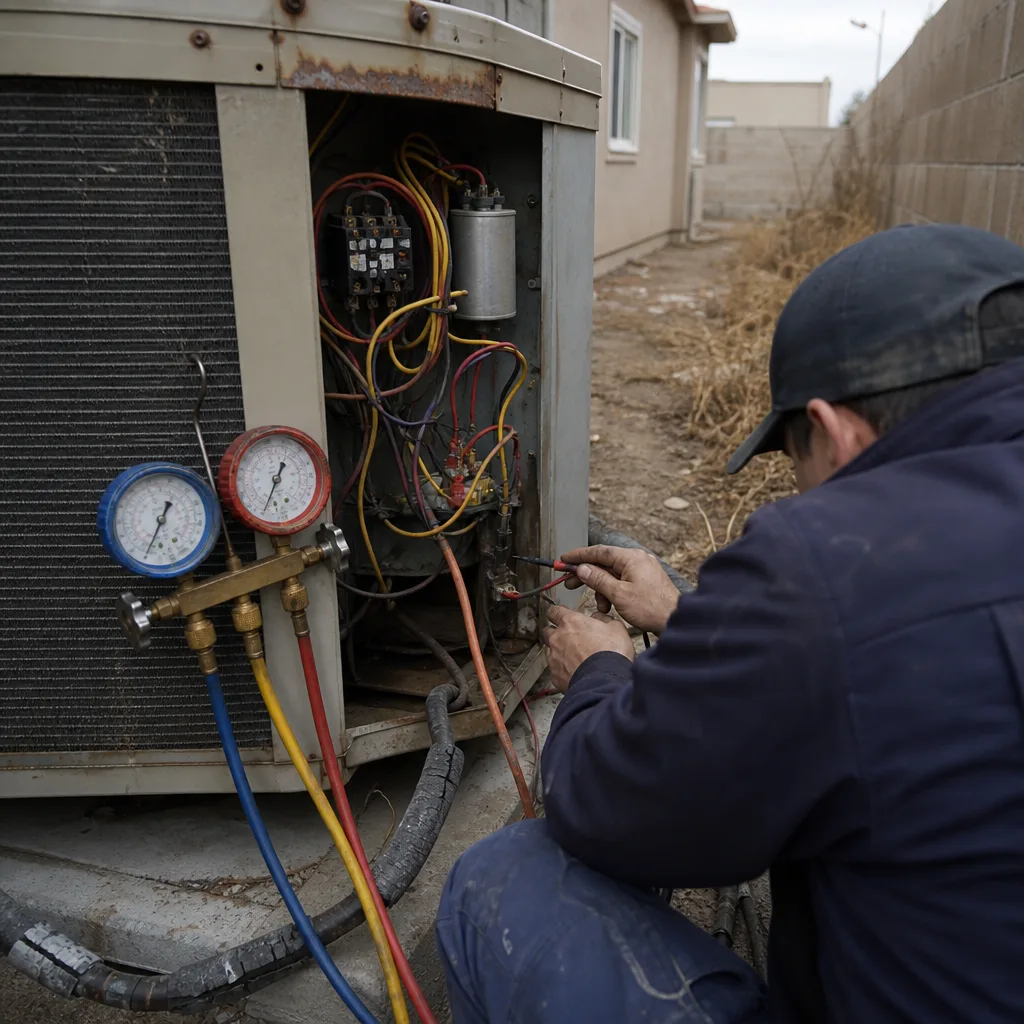
See the difference
 Before
 After
 Before
 After
 Before
 After
When to Call a Professional
Some heat pump work belongs in the hands of a trained technician. Anything involving refrigerant handling, the compressor crankcase heater, or opening the outdoor unit’s electrical panel is a licensed job, and it’s also dangerous. Refrigerant under pressure causes frostbite and displaces oxygen in enclosed spaces. The crankcase heater circuit is live any time the disconnect is closed. If you’re seeing hard starts, a compressor that won’t engage, ice on the outdoor coil in mild weather, or a breaker that trips on the heat pump, stop and call.
On a system installed within the last year, the right call is to the installing contractor first, because workmanship coverage applies. Dalton Heating & Air Spring Valley offers free estimates in Spring Valley and can also take on a system another company installed and abandoned. Call (888) 268-6106, and a real person answers any hour of the day.
Frequently Asked Questions
Short cycling on a new heat pump is almost always caused by an oversized system or an incorrect refrigerant charge, not a defective unit. If the installer sized by square footage instead of running a Manual J load calculation, the unit cycles on and off rapidly because it cools the space faster than the thermostat expects. Ask for the Manual J report and the commissioning sheet, and call the installer back under the workmanship guarantee. Call (888) 268-6106 if you need a second opinion on a system installed by someone else.
You know a Manual J was done if you received a printed, room-by-room report showing heat loss and heat gain in BTUs, window and door counts, and local design temperatures for Spring Valley. A single-tonnage recommendation on a proposal is not a Manual J. Request the full report as a condition of signing, and compare the calculated tonnage to the equipment tag on the outdoor unit.
Auxiliary heat lockout is a thermostat setting that prevents the expensive electric resistance heat strips from running until outdoor temperatures drop below a set balance point. In Spring Valley’s mild winters, a correctly configured lockout keeps the heat pump on compressor alone through most of the season, which prevents $80 to $150 bill spikes. If your thermostat shows “AUX” or “EM HEAT” on a 55°F morning, the lockout isn’t set. Call (888) 268-6106 to have it configured correctly.
No. Manufacturer warranties cover equipment parts, and occasionally the compressor, but they almost never cover labor or the cost of correcting a charge or airflow error. Installation mistakes are covered under the installing contractor’s workmanship guarantee. Get that guarantee in writing before any work starts, and confirm what it covers, including labor and refrigerant. Estimates for systems installed by another contractor are free at (888) 268-6106.
In the first 72 hours, get the commissioning sheet with measured charge and airflow, request the Manual J report and equipment serial numbers, run both heating and cooling modes for at least 20 minutes each, and watch the thermostat for “AUX” during mild weather. Document anything unusual with a date, time, and photo, and report it to the installer in writing. That record is what supports a workmanship claim. Our team can walk you through it at (888) 268-6106.
The equipment warranty won’t cover it, but a solid workmanship guarantee will. On our jobs, the repair is guaranteed in writing for a full year, and if it fails in that time, we return at no charge. That’s separate from the manufacturer’s equipment coverage and it’s the guarantee that protects you in the first twelve months, when installation problems surface. To have a system from another installer corrected, call (888) 268-6106 for a free estimate.
The Bottom Line
Heat pump problems in the first year are almost always installation problems, and the five to watch are refrigerant charge, airflow, line set sizing, thermostat staging, and crankcase heater activation. Demand a Manual J in writing, confirm the auxiliary heat lockout is set for Spring Valley’s mild winters, and run the 72-hour checklist before the crew leaves. Then hold the workmanship guarantee to its word. A properly commissioned system runs quiet, efficient, and cheap; a rushed one costs you every month. Call Dalton Heating & Air Spring Valley at (888) 268-6106 for a free estimate, and get the price in writing before any work starts.
Written by the team at Dalton Heating & Air Spring Valley.