
Last updated November 17, 2026
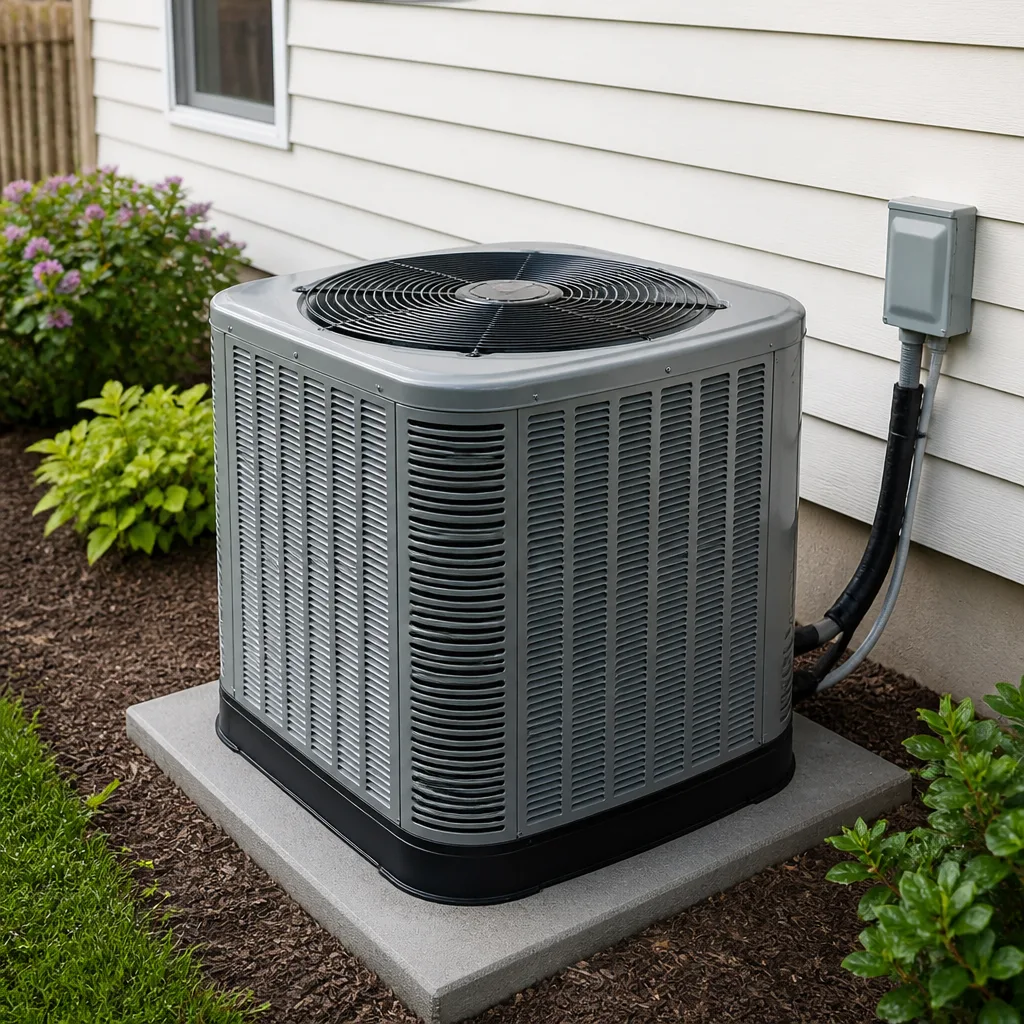 AC repair
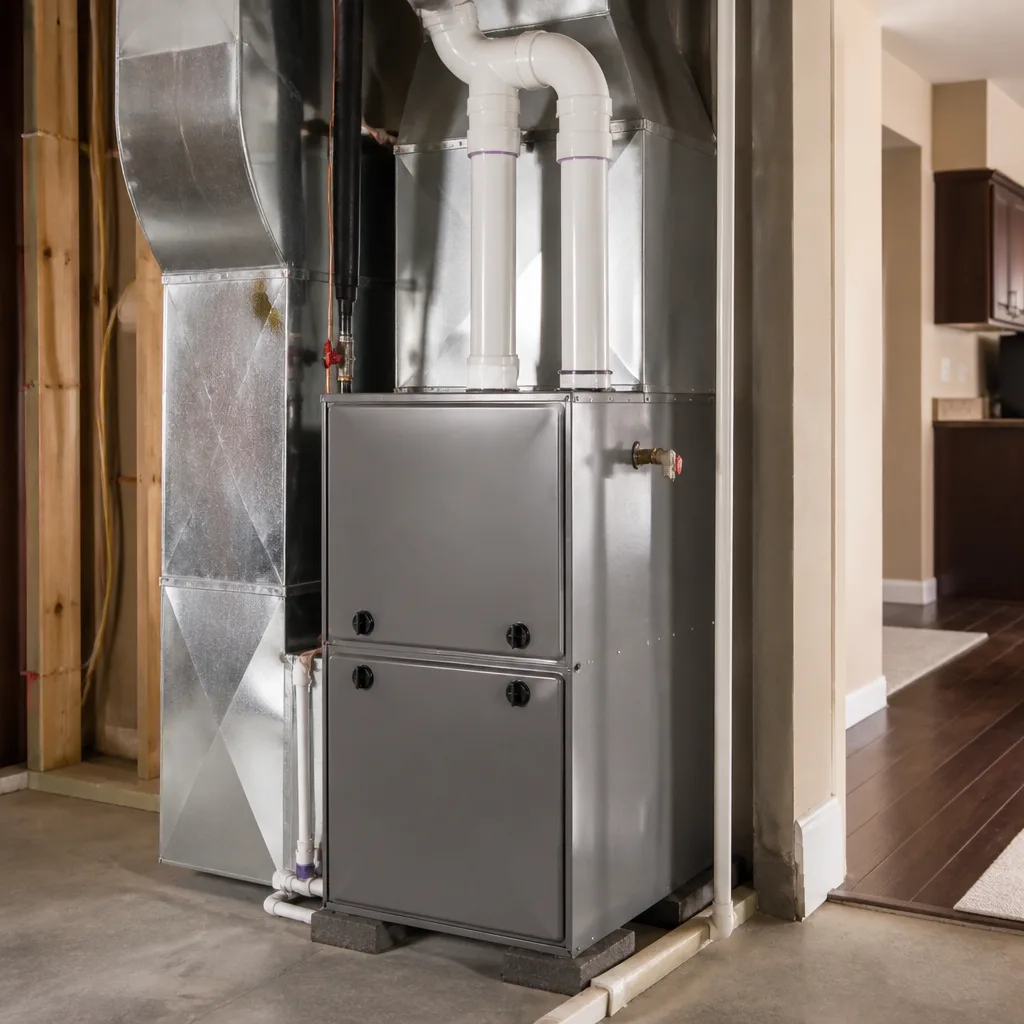 Furnace & heating
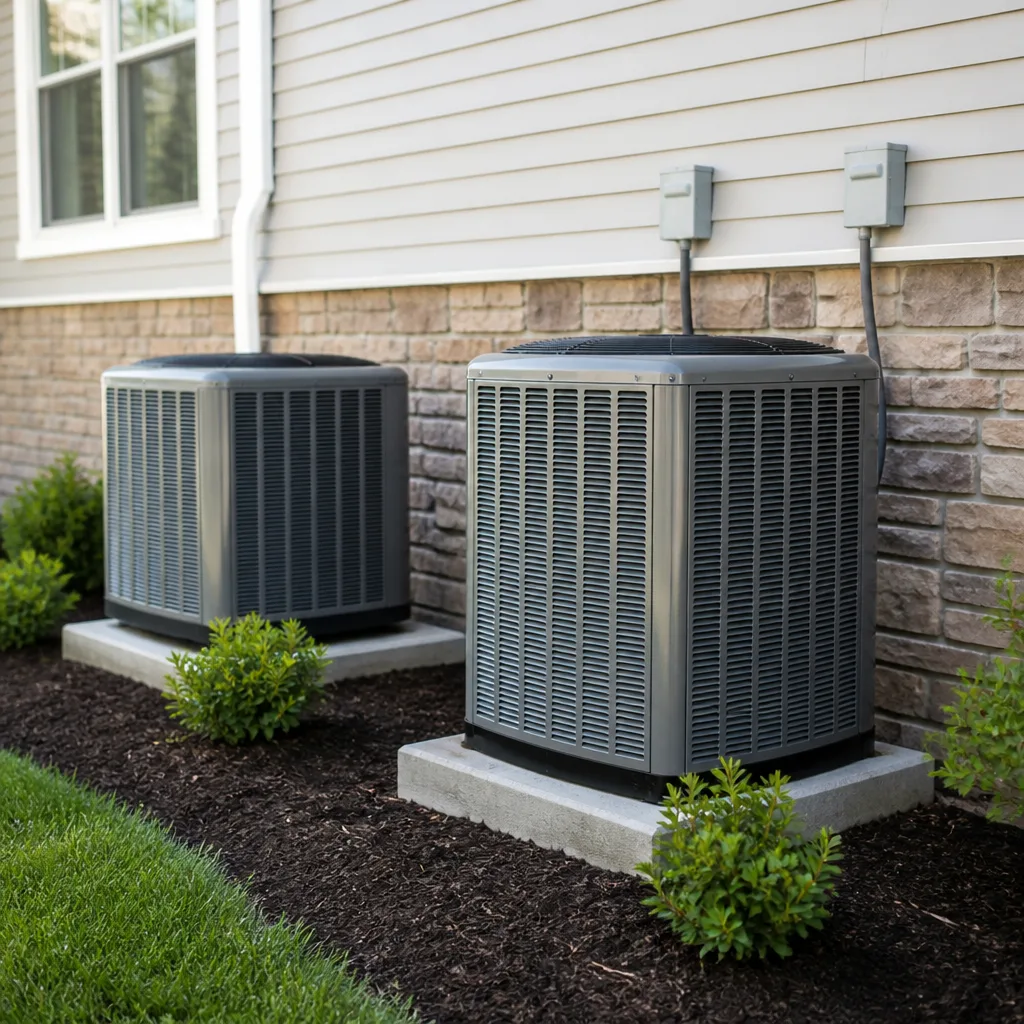 Heat pumps
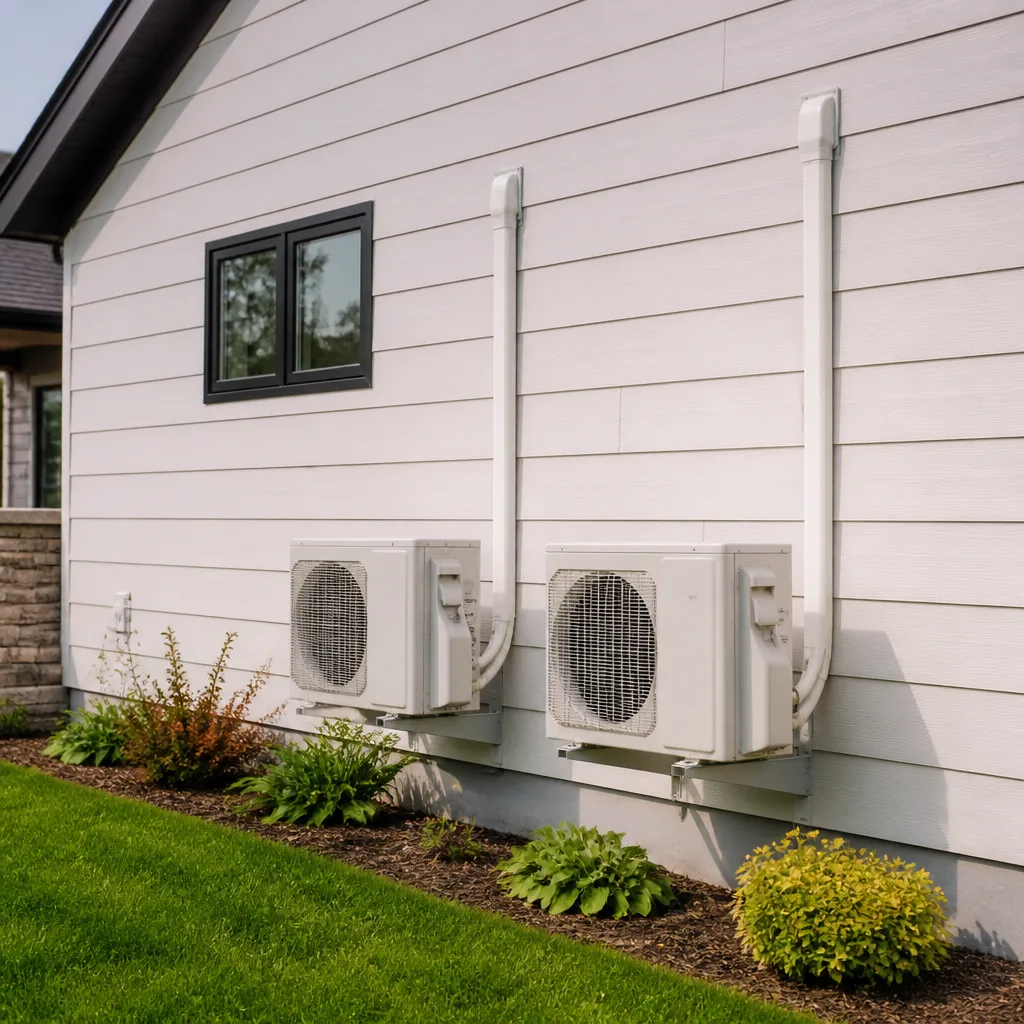 Ductless mini splits
 Carrier
 Trane
 Goodman
Seasonal tune-up and full diagnostic on your Carrier, Trane, or Goodman system - readings shown to you before any repair is proposed
Diagnosis first, numbers second - you approve the repair price before a single part goes in.
Get your free estimateAC Repair Maintenance Schedule: What to Do and When
Nevada’s PM10 particulate levels – the coarse dust that rides in on wind events and haboobs – regularly blow past EPA standards in Clark County. That single fact breaks the maintenance advice you’ve read everywhere else. A filter that lasts 90 days in Denver can clog in 30 days here in Spring Valley, and a starved blower motor doesn’t fail politely; it overheats, wears bearings, and drags down your whole system. This guide rebuilds the AC maintenance schedule around the actual dust load, UV intensity, and runtime hours of a Las Vegas Valley home so you know what to do, when to do it, and what interval actually prevents a breakdown.
Quick Answer
In Spring Valley, plan on changing your air filter every 30 to 45 days rather than the 90 days most guides suggest, clean the condenser coil before and after cottonwood season (roughly April through June), and book a professional tune-up in early spring before the first 100°F week. Everything else – drain line flush, thermostat check, refrigerant signs – fits into the month-by-month schedule below.
Styles & brands we work with
- AC repair
- Furnace & heating
- Heat pumps
- Ductless mini splits
- Carrier
- Trane
- Goodman
Table of Contents
- The Spring Valley Month-by-Month Schedule
- Filter Intervals Rebuilt for Nevada Dust
- Choosing a MERV Rating That Won’t Starve Your Blower
- Checking Refrigerant Charge Signs (Without Breaking the Law)
- Condenser Coil Cleaning: Cottonwood vs. Standard Summer
- Which Steps Protect Your Warranty (And Which Void It)
- Common Mistakes to Avoid
- When to Call a Professional
The Spring Valley Month-by-Month Schedule
Four-season maintenance guides assume an off-season. Spring Valley doesn’t really have one. Cooling season here runs roughly May through October, with shoulder months where the system cycles on hard in the afternoon and off by midnight. That means the smartest schedule front-loads the work before the heat and staggers filter changes through the dusty stretch.
- January – February: Change the filter. Listen for odd noises on startup. Check that the outdoor disconnect is secure and the unit is clear of debris. This is when we see blower damage that started the previous fall.
- March: Book your spring tune-up before the first heat wave. Technicians get booked out fast once temperatures cross 95°F. Clean around the condenser pad and clear any weeds or stored items within two feet.
- April – June: This is cottonwood and high-wind season. Change filters every 30 days. Rinse the condenser coil (power off first) or have it cleaned professionally. Watch for the cottony seed fluff matting against the fins.
- July – September: Peak runtime. Check the filter monthly and replace as needed. Watch the condensate drain for slow drainage. Keep an eye on the thermostat for short cycling.
- October – November: Post-season cleanup. Rinse the condenser again after summer. Change the filter one more time. Look for signs of refrigerant issues before the unit sits mostly idle.
- December: If you have a heat pump, this is a good month to confirm it’s switching cleanly into heating mode. If you have a furnace, furnace repair in Spring Valley calls spike the first cold snap – a pre-check in December saves a cold night later.
Write these down. A maintenance schedule you don’t track is just a wish. Set phone reminders tied to the date, not the temperature, because Spring Valley weather doesn’t read a calendar.
Filter Intervals Rebuilt for Nevada Dust
The industry-standard “change it every three months” advice was written somewhere with rain, soil moisture, and spring green-up. Spring Valley sits in a high-dust environment where wind events off the Mojave and summer haboobs push fine silt into every gap in a home’s envelope. That silt gets pulled straight into your return air.
What we see on service calls: A 1-inch pleated filter that would run 90 days in a mild climate tends to load visibly at 30 to 40 days here. A 4- or 5-inch media filter cabinet holds more surface area and can stretch to 60 to 90 days, but not the 6 to 12 months some product listings claim for Nevada conditions.
- 1-inch pleated filter: 30 to 45 days during dusty months, 60 days max otherwise.
- 4-inch media filter: 60 to 75 days during cottonwood and wind season, up to 90 days in cooler months.
- 5-inch media cabinet: 75 to 90 days, with a visual check every 30 days.
- Washable electrostatic: clean every 21 to 30 days – and be honest, most people don’t.
The test that beats any schedule: hold the filter up to a strong light. If you can’t see light through the pleats, it’s done, no matter what the calendar says. A clogged filter forces the blower to work against back-pressure – the resistance a fan feels pushing air through a restricted path – and that extra load is what quietly kills blower motors months later.
If the filter is doing its job but your system still can’t keep up, it might be time to look at AC repair in Spring Valley rather than just replacing filters.
Choosing a MERV Rating That Won’t Starve Your Blower
MERV – Minimum Efficiency Reporting Value – is a simple idea: higher numbers capture finer particles. But there’s a trade-off that marketing rarely mentions. Higher MERV means more resistance to airflow, and in a residential system designed around a specific static pressure, too high a MERV can choke the blower and cascade into frozen coils, high head pressure, and premature compressor wear.
For most Spring Valley homes with standard equipment, the sweet spot is MERV 8 to MERV 11. That range captures enough of the coarse dust and pollen to keep your indoor coil clean without imposing serious static pressure.
- MERV 8: Safe baseline for almost any residential system. Captures the bulk of the dust load.
- MERV 11: A solid upgrade if your ductwork is correctly sized. Good for allergy-sensitive households.
- MERV 13: Only where the system was designed for it. In older blowers, this can push static pressure past spec and stall airflow.
- MERV 16 or HEPA: Not a drop-in filter upgrade. These belong in dedicated filter cabinets with a blower sized for the job.
If you’re unsure what rating your system can handle, look at the filter slot size and the equipment nameplate. A tech can check static pressure in a few minutes. Older blower motors – especially on Carrier, Trane, or Lennox systems from the 2000s – have narrower margins, and a MERV 13 in one of those can do more harm than the dust it filters out.
Checking Refrigerant Charge Signs (Without Breaking the Law)
Refrigerant handling is regulated under Section 608 of the Clean Air Act. You can’t legally add or recover refrigerant without EPA certification, and that’s fine – you’re not trying to. What you can do is recognize the behavioral signs that suggest your charge is off, and call for AC repair in Spring Valley before it becomes a compressor replacement.
The most useful sign is what we call “superheat behavior.” In a properly charged system, cool vapor returns to the compressor at a controlled margin above the coil temperature. When the charge is low, that margin grows – and you can often spot the physical result inside the house:
- Warm, humid air from the vents even after 30 minutes of runtime.
- A screeching or bubbling sound at the indoor coil – that’s liquid refrigerant flashing where it shouldn’t.
- Frost or condensation on part of the larger copper line at the indoor unit. That’s a real red flag.
- A system that runs and runs but can’t pull the room below 78°F on a 105°F day.
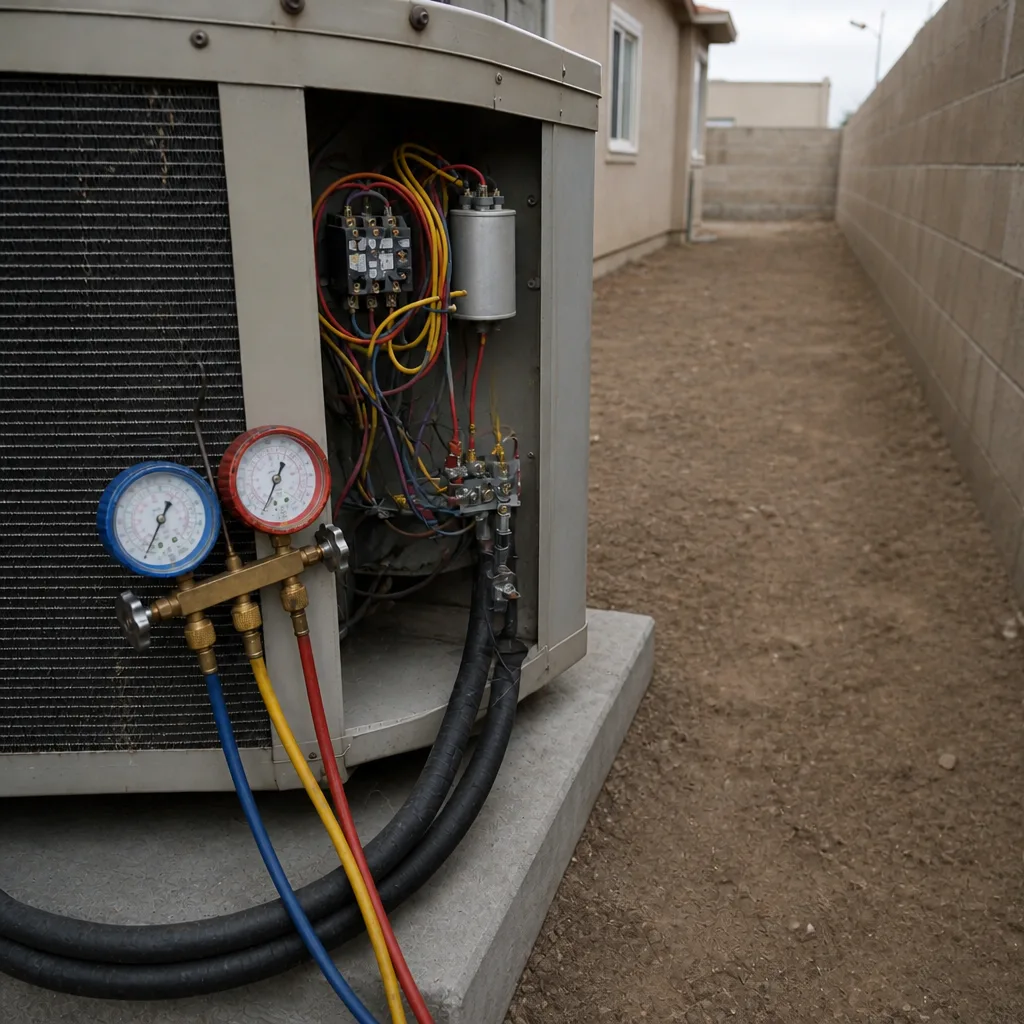
If you see frost, shut the system off at the thermostat and call. Running a system with a frozen coil stresses the compressor, and compressor replacement is the most expensive repair on a residential system. Leave the actual measurement to a licensed tech – gauges and temperature probes resolve what behavior can only suggest.
Condenser Coil Cleaning: Cottonwood vs. Standard Summer
The outdoor condenser coil needs air through it to reject heat. Spring Valley has two threats to that airflow: cottonwood fluff in the spring, and fine dust the rest of the year. A coil that’s 30% blocked forces the compressor to work at higher head pressure – which means higher electric bills and shorter equipment life.
Here’s the interval difference:
- Cottonwood season (April – June): Check the coil every 2 to 3 weeks. The fluff mats against the fins and rinses off easily when wet. Left alone, it hardens and pulls in dust.
- Standard summer (July – September): Check monthly. Rinse lightly with a garden hose, top to bottom, with the power off at the disconnect. Never use a pressure washer – bent fins restrict airflow worse than the dirt did.
- Post-season (October): A thorough cleaning after the last 100°F week prepares the coil for cooler months and prevents spring-season dust from baking on.
If you look at the coil and the fins are dark, flattened, or caked with a gray crust, that’s a professional cleaning – the kind that uses coil cleaner and a fin comb. Attempting it with a hose just pushes dust deeper.
Which Steps Protect Your Warranty (And Which Void It)
This is where DIY and “just hire the cheapest filter-changer” both go wrong. Manufacturer warranties have terms. Our written guarantee has terms. Here’s how they line up for a Spring Valley homeowner.
Steps that protect your warranty:
- Professional annual tune-ups recorded with date and findings. Manufacturers routinely require documented maintenance.
- Filter changes on schedule – many parts warranties specifically exclude damage from “improper filter maintenance.”
- Keeping the condenser coil clean so the compressor isn’t running hot.
- Calling a licensed tech for any refrigerant work. DIY refrigerant is both illegal and unilateral warranty void.
Steps that can void coverage:
- Running the system with a frozen coil for days – compressor damage from low charge is routinely excluded.
- Installing an oversized filter or a MERV rating your equipment wasn’t built for, causing airflow specs to be violated.
- Attempting your own refrigerant top-off. Section 608 violations aside, tampered equipment is often excluded from parts warranty.
- Skipping the annual service and then filing a claim for a bearing or blower failure the servicing would’ve caught.
Dalton’s full-year written guarantee – the 365-Day Done Right Promise – is straightforward: if the repair fails, we return at no charge. But the guarantee covers our work, not a system that was starved of airflow by a filter changed once a year. The schedule above is the easiest way to keep coverage active.
Common Mistakes to Avoid
- Treating the 90-day filter rule as gospel. That interval was written for milder climates. In Spring Valley, 90 days often means 60 days of restricted airflow and a half-worn blower.
- Buying the highest MERV filter on the shelf. MERV 13+ in a blower that wasn’t sized for it creates more problems than it solves. Static pressure is a specification, not a suggestion.
- Hosing down the condenser with a pressure washer. Bent fins restrict airflow permanently. A garden hose and gravity do fine.
- Skipping the pre-season tune-up because “it’s running fine.” Spring Valley summers don’t give you a second chance on a 110°F afternoon. The failures we see in July were visible in March.
- Ignoring cottonwood fluff through June. It compacts, holds dust, and insulates the coil in exactly the wrong way. A rinse in May saves a compressor later.
- Ignoring a slow condensate drain. In a Las Vegas Valley summer, a plugged drain line overflows into ceiling drywall. The repair bill is often five times the cost of a flush.
- Assuming a thermostat setting is a maintenance step. Programming a schedule is fine, but it doesn’t clean the coil, check the charge, or replace the filter. Those need calendar attention.
When to Call a Professional
Some tasks belong to the homeowner: filter changes, visual coil inspections, keeping two feet clear around the outdoor unit. Others don’t. Call a licensed technician if you see frost on the indoor copper lines, smell a burning or musty odor when the system starts, hear grinding or screeching from the outdoor fan, notice the breaker tripping repeatedly, or the system runs continuously without reaching setpoint. Any refrigerant work – measuring, adding, recovering – is legally restricted to EPA-certified techs. Blower motor replacement, capacitor testing, and control board diagnostics all require meters and training, and a misdiagnosis can cost more than the original repair.
Spring Valley homeowners can get a free estimate from Dalton Heating & Air Spring Valley – call (888) 268-6106. Every job includes a written price before work starts, a written guarantee on the repair, and a free return visit if the work doesn’t hold. Technicians are background-checked and factory-trained on major brands including Carrier, Trane, Lennox, and Goodman.
See the difference
 Before
 After
 Before
 After
 Before
 After
Frequently Asked Questions
Every 30 to 45 days during dusty or cottonwood months for a 1-inch filter, and 60 to 90 days for a 4- or 5-inch media filter. Spring Valley’s coarse dust load loads filters faster than most climates. If light won’t pass through the pleats when you hold it up, change it now regardless of the calendar. Call (888) 268-6106 if you’re unsure what filter size your system takes.
MERV 8 to MERV 11 is the practical range for most Spring Valley homes. That captures the coarse dust without pushing static pressure past what an older blower can handle. Anything higher (MERV 13+) should only go in if the system was designed for that resistance – otherwise you’re trading dust capture for airflow loss. A quick static pressure check tells you what your system can actually handle; call for one before upgrading.
Yes, for a light rinse with a garden hose and the power off at the disconnect. No, if the fins are caked, flattened, or dark gray – that needs coil cleaner and a fin comb. Never use a pressure washer; bent fins restrict airflow permanently. If cottonwood fluff is matted deep into the fins, call a professional. Free estimates are available at (888) 268-6106.
Yes, if you want your manufacturer parts warranty honored and your system running at spec. Documented annual maintenance is a standard condition in most equipment warranties. A spring tune-up in Spring Valley catches the issues that quietly knock a system out in July. Book before the first 95°F week – the schedule fills up fast. Call (888) 268-6106 to lock in a spot.
A tune-up is scheduled maintenance – cleaning, checking, and documenting the system when nothing is broken. An AC repair is fixing something that has failed. In Spring Valley, we recommend tune-ups in March, before the cooling season, and repairs whenever you notice symptoms. If you’re not sure which you need, call (888) 268-6106 and we’ll help you decide without an upcharge for the call.
The promise itself doesn’t have fine print – if our repair fails within a year, we return at no charge. What can complicate coverage is the rest of the system damaging the repaired part: a clogged filter killing a new blower, or an undercharged system stressing a new compressor. Keep the maintenance schedule and you stay well within coverage. Questions about a specific repair? Call (888) 268-6106.
The Bottom Line
Spring Valley doesn’t get a generic maintenance schedule, so don’t run one. Change filters every 30 to 45 days during dust season, stay in the MERV 8 to MERV 11 range unless the system was designed for higher, clean the condenser coil more often through cottonwood season, and watch for superheat symptoms rather than trying to fix refrigerant yourself. Book a spring tune-up before the first heat wave, and document everything – because documentation is what protects both the manufacturer warranty and the guarantee on your repair. Every task above is easier done in March than in August, and cheaper than a compressor replacement. If you’d rather have a pro handle it, that’s the call.
Dalton Heating & Air Spring Valley offers free estimates and answers the phone with a live person 24/7. Call (888) 268-6106 to schedule your maintenance visit or AC repair today. Every job starts with a written price before any work begins, and every repair is covered by our written full-year guarantee. If you’re comparing service for the first time, see why we’re the Dalton Heating & Air Spring Valley home base, or check our Heat Pump Installation in Spring Valley and Furnace Repair in Spring Valley pages if you’re planning more than maintenance this year.
Written by the team at Dalton Heating & Air Spring Valley.