
Last updated November 17, 2026
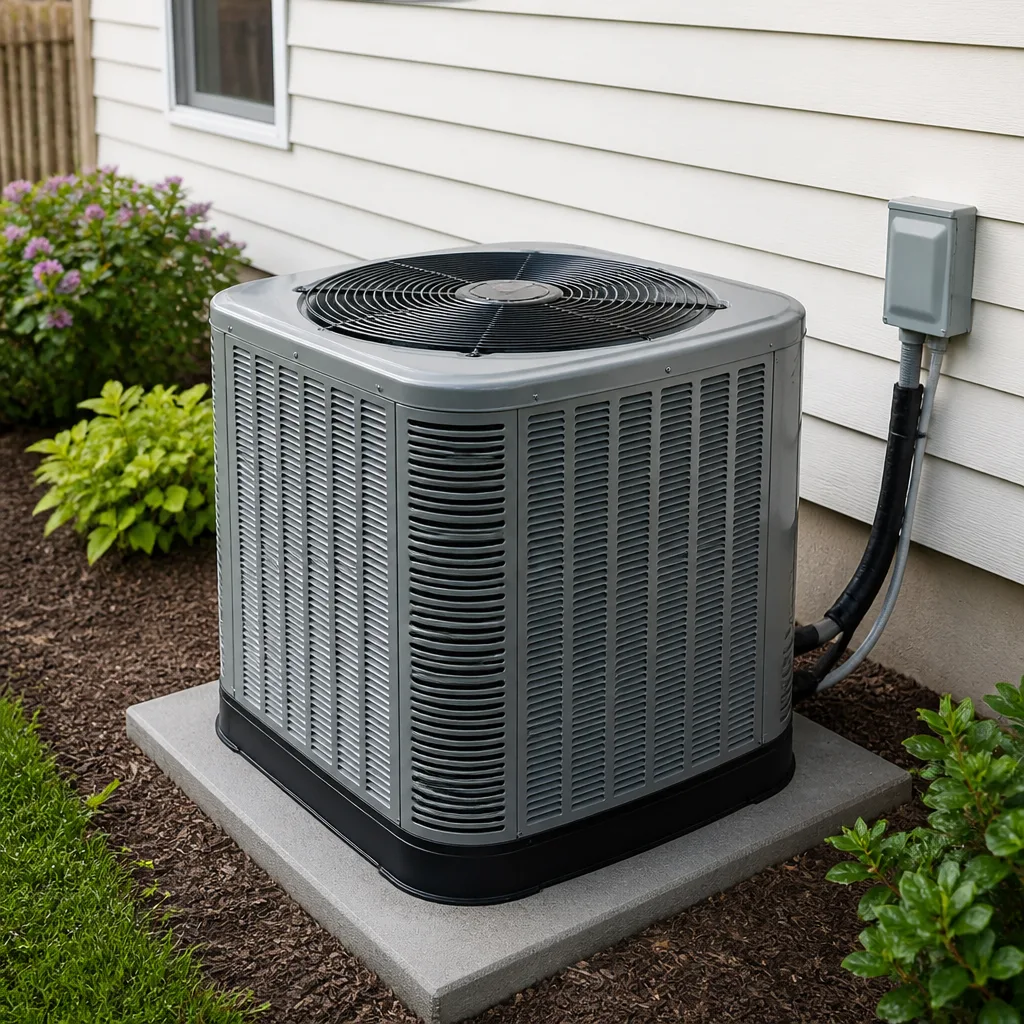 AC repair
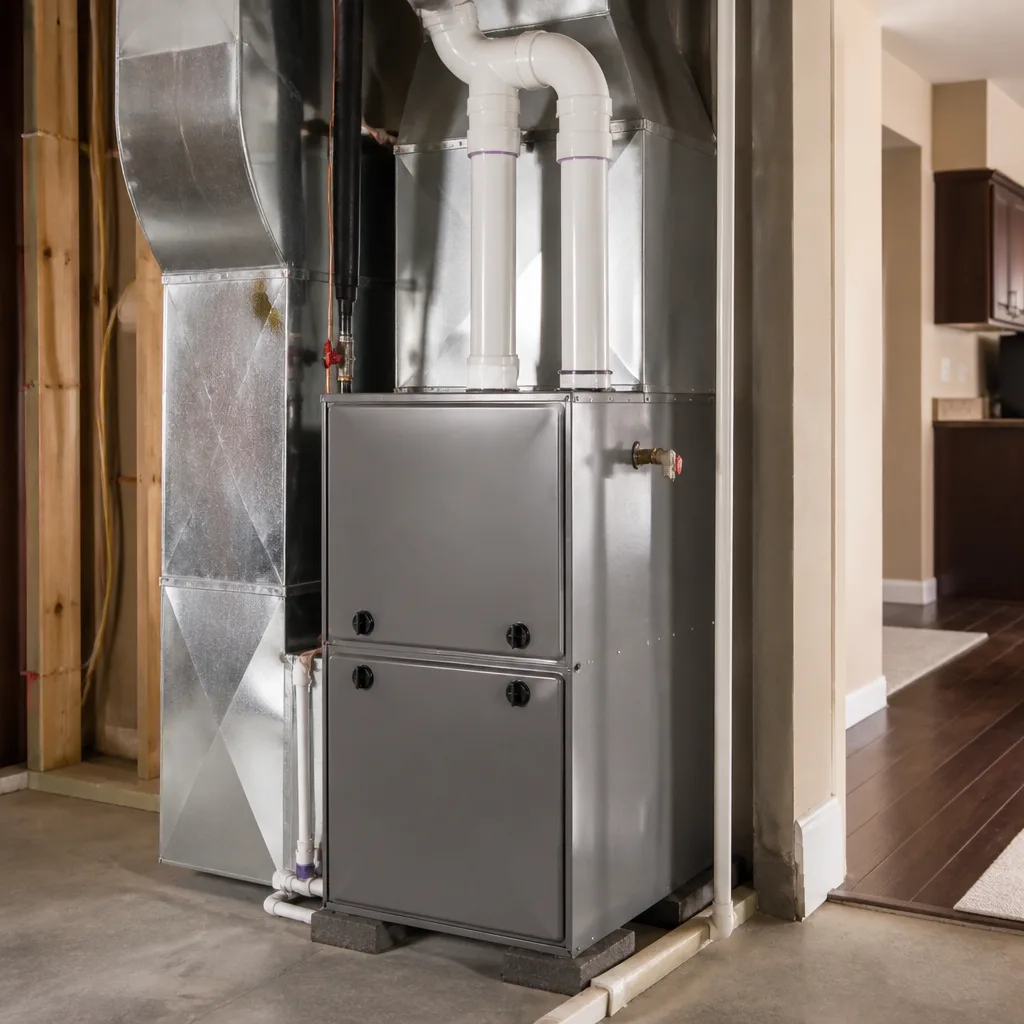 Furnace & heating
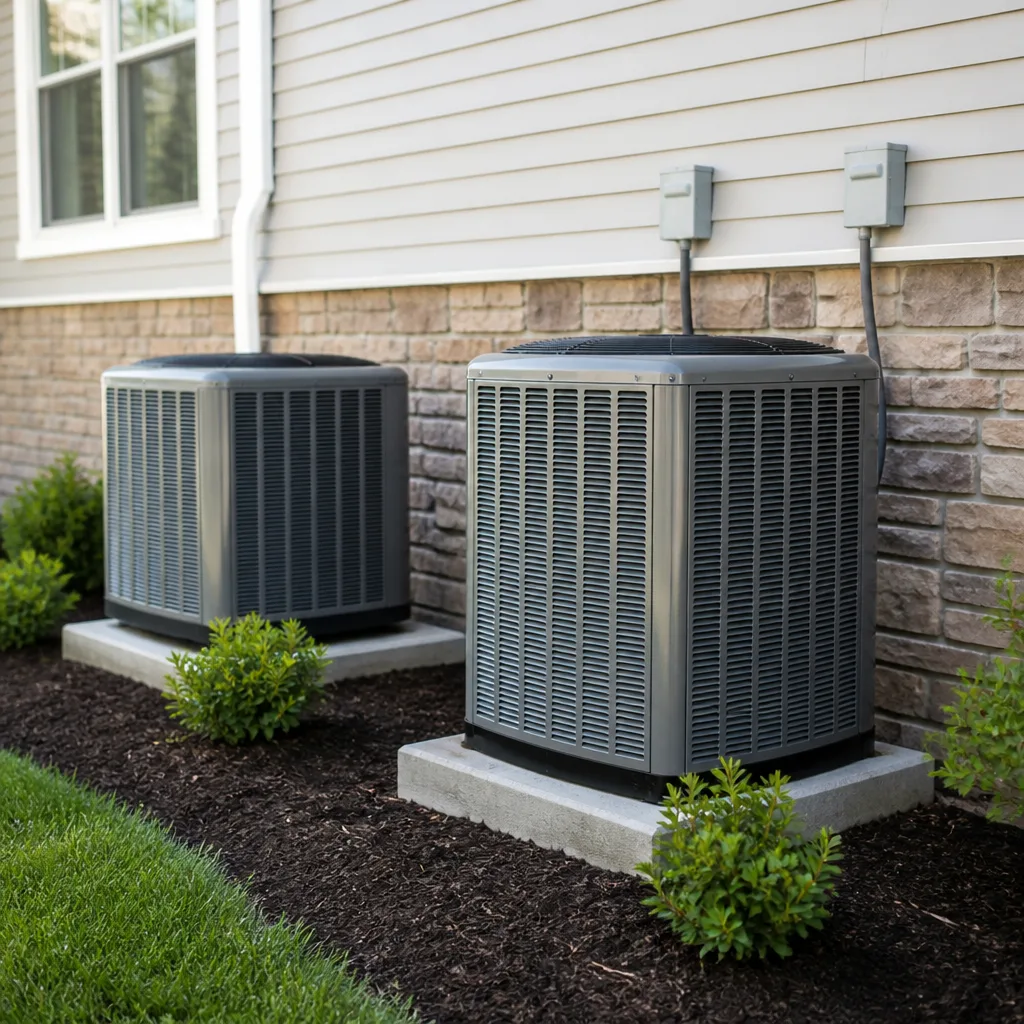 Heat pumps
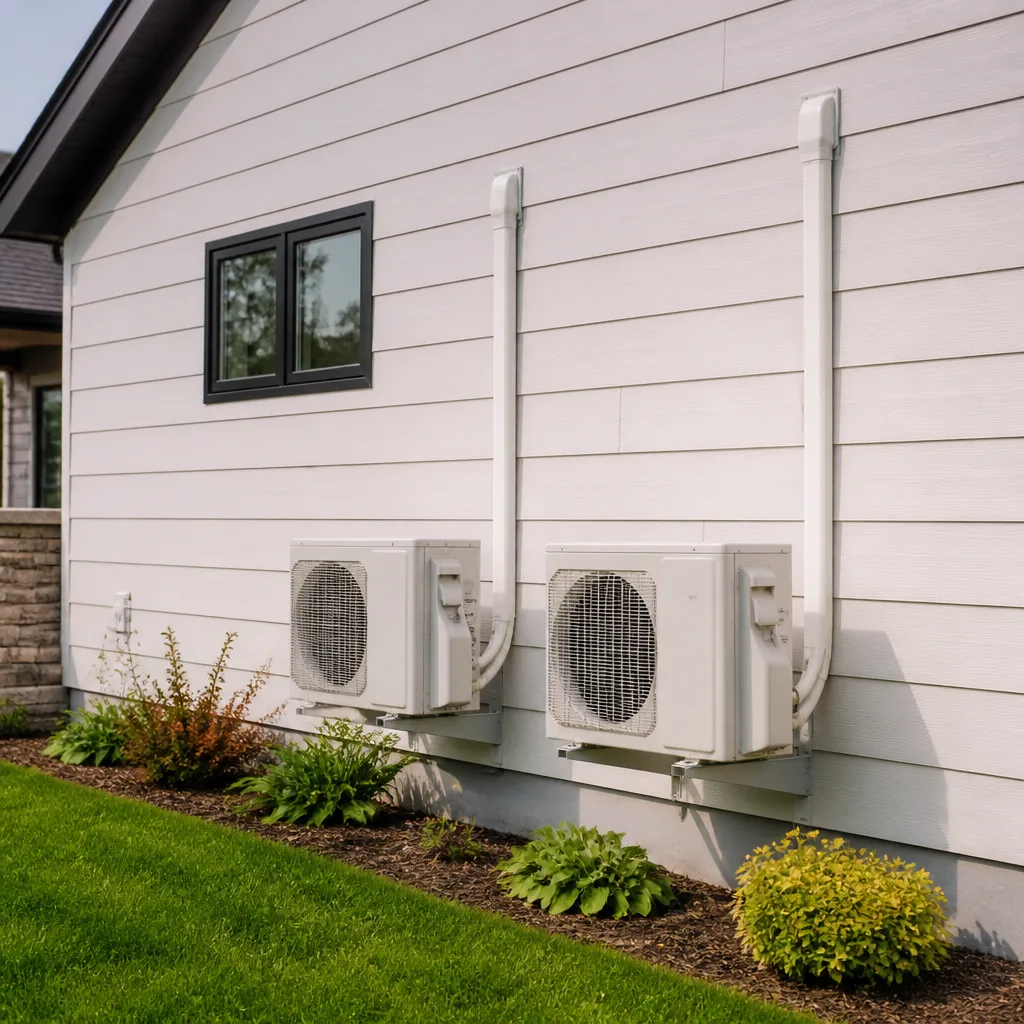 Ductless mini splits
 Carrier
 Trane
 Goodman
Seasonal tune-up and full diagnostic on your Carrier, Trane, or Goodman system - readings shown to you before any repair is proposed
Diagnosis first, numbers second - you approve the repair price before a single part goes in.
Get your free estimateHVAC Permits, Codes & Inspections in NV: What You Need to Know
A Spring Valley homeowner had a full AC replacement done last year. The contractor handed over the paperwork and said the job was “permit ready.” At closing, the title company flagged the work as unpermitted because the permit had been pulled in the wrong jurisdiction. The fix cost $1,100 and delayed closing three weeks. That story is not rare, and it almost always traces back to one misunderstanding: Spring Valley is not in the City of Las Vegas. It sits in unincorporated Clark County, which means the rules, the permits, and the inspections all run through a different building department. This guide walks through which jurisdiction applies to your address, what work actually needs a permit, what a Clark County inspection checks, and how unpermitted work surfaces when you sell.
Quick Answer
In Nevada, most HVAC replacements and any work that alters refrigerant lines, duct routing, or electrical connections require a permit, and for a Spring Valley address that permit comes from Clark County Building Department, not the City of Las Vegas. Minor tasks like swapping a filter or a thermostat don’t require one. A passing inspection confirms the installation meets the Nevada Mechanical Code, but it does not confirm the work was done well.
Styles & brands we work with
- AC repair
- Furnace & heating
- Heat pumps
- Ductless mini splits
- Carrier
- Trane
- Goodman
Table of Contents
- Clark County vs. City of Las Vegas: Which Jurisdiction Applies to You?
- What HVAC Work Requires a Permit in Nevada?
- Nevada Mechanical Code: The Provisions That Matter for a Residential AC Replacement
- What a Clark County HVAC Inspection Actually Checks
- Passing Inspection vs. Done Correctly: Why They’re Not the Same
- How Unpermitted HVAC Work Shows Up During a Home Sale
- What Remediation Looks Like When You Inherit Unpermitted Work
Clark County vs. City of Las Vegas: Which Jurisdiction Applies to You?
This is the root of almost every permit headache in Spring Valley. The Las Vegas Valley looks like one continuous city from the freeway, but it’s a patchwork of incorporated cities and unincorporated county land. Las Vegas, Henderson, and North Las Vegas each run their own building departments. Everything else falls to Clark County. Spring Valley, like Paradise, Enterprise, and Winchester, is unincorporated, so the Clark County Building Department has authority over HVAC permits here. A contractor pulling a City of Las Vegas permit for a Spring Valley job has filed paperwork in the wrong place, and the county will not recognize it.
Confirming which jurisdiction covers a specific address takes about five minutes, and it’s worth doing before any contract is signed:
- Open the Clark County Assessor’s parcel viewer online and search the street address.
- Check the jurisdiction or municipality field on the parcel record. If it reads “Clark County” or “unincorporated,” the county is your building authority.
- Cross-check with the Clark County Building Department’s permit search. If you can’t find prior HVAC permits there for a Spring Valley address, they were likely never pulled.
- Ask the contractor, in writing, which jurisdiction they’ll file the permit under and get the permit number once it’s issued.
One practical note: some Spring Valley addresses sit close to the Las Vegas city line, and neighbors two streets over may genuinely be in city limits. Never assume from the ZIP code or the subdivision name. Look it up every time.
What HVAC Work Requires a Permit in Nevada?
The short version: replacement and modification almost always need a permit; routine maintenance and like-for-like swaps usually don’t. The gray areas are where homeowners get caught, because contractors sometimes wave them off as “not necessary” when what they mean is “inconvenient.”
Permits are generally required for:
- Full or partial replacement of an air conditioner, furnace, heat pump, or air handler
- New ductwork, re-routed ducts, or significant duct modifications
- Any work that opens, brazes, or reconnects refrigerant lines, including line-set replacement
- New electrical circuits or disconnects serving HVAC equipment
- Relocating a condenser or air handler
- Adding a mini-split or zoned system
Permits are typically not required for:
- Filter changes
- Thermostat replacement on existing wiring
- Routine cleaning and tune-ups
- Like-for-like capacitor, contactor, or blower motor swaps
Refrigerant work is the trickiest gray zone. Topping off a charge on an existing line set usually doesn’t trigger a permit. Replacing a line set or brazing new connections does, because it’s part of a system alteration. Duct work sits on the same fault line: sealing a leak is maintenance, but adding or moving a run is a modification that requires inspection. When a contractor tells you a Spring Valley replacement is “permit ready,” ask for the issued Clark County permit number. Vague language about paperwork is how the homeowner in the opening story ended up paying $1,100 and losing three weeks.
Nevada Mechanical Code: The Provisions That Matter for a Residential AC Replacement
Nevada’s mechanical code is based on the International Mechanical Code (IMC), adopted with state amendments. You don’t need to read the whole thing, but a handful of provisions come up in nearly every residential AC replacement in Spring Valley, and knowing them helps you spot a sloppy install before the inspector does.
Clearances. Condensers need clearance from walls, fences, and other units for airflow. In tight Spring Valley side yards, we regularly see new units set too close to a block wall. The system runs hot, the compressor works harder, and the warranty claim gets denied later for improper installation.
Disconnect requirements. There must be a service disconnect within sight of the outdoor unit, sized correctly for the equipment and properly labeled. A missing or undersized disconnect is one of the most common inspection corrections.
Condensate drainage. The evaporator coil produces condensate, and the code requires a primary drain plus a secondary drain or float switch to prevent overflow. In Spring Valley’s dry climate, condensate isn’t the flood risk it is in humid states, but the float switch is still required. Skipping it means water can pool on the pan instead of shutting the system off.
Equipment access and labeling. The air handler must be accessible for service, and the system needs a legible data plate and equipment schedule.
When we install a Carrier or Trane system through our AC repair in Spring Valley and replacement work, these provisions are checked before the inspection is scheduled, not after. The heat pump installation in Spring Valley side has the same rules, plus a few of its own around defrost controls and outdoor unit placement.
What a Clark County HVAC Inspection Actually Checks
A Clark County HVAC inspection is a code compliance check, not a performance review. The inspector is confirming that what was installed matches the permit and meets the adopted mechanical code. It’s a checklist, and knowing the checklist helps you understand what a “passed” sticker does and doesn’t tell you.
What inspectors typically verify:
- Correct equipment installed as described on the permit
- Electrical disconnect present, accessible, and sized correctly
- Electrical connections made properly and labeled
- Condensate drain and float switch installed and functional
- Clearances to walls, fences, and adjacent units
- Refrigerant line routing and support
- Duct connections secure and sealed at visible joints
- Equipment data plate visible and legible
- Access panels for the air handler
The inspection is usually scheduled after rough-in work is complete, with a final inspection at the end. In our experience, a pass on the first visit comes down to one thing: the installer treated the checklist as part of the job, not as an obstacle. The inspections that fail are typically missing a float switch, showing a clearance issue, or having an unlabeled disconnect. None of those are expensive fixes, but they all add days to the project if the contractor has to come back and reschedule.
Passing Inspection vs. Done Correctly: Why They’re Not the Same
This is the point most guides skip. A passing inspection means the installation meets code minimums. It doesn’t mean the system was sized correctly, that the charge was dialed in, or that the airflow through the ducts is appropriate for the equipment. The inspector looks at what’s visible and required. A lot of what determines how well a system performs happens outside that checklist.
The biggest example is load calculation and sizing. A contractor can install a properly permitted, fully inspected 5-ton unit in a house that only needs 3.5 tons. It passes. It also short-cycles, runs up your electric bill in July, and delivers uneven cooling to the far bedroom. Code minimums don’t catch that. Only a proper Manual J load calculation before the permit is pulled does.
The second is commissioning. Once the system is installed and the permit is signed off, a contractor who actually cares checks refrigerant charge, measures static pressure, and confirms the temperature split (the difference between return and supply air). None of those are code items. All of them are what separates a system that runs well in Spring Valley’s summer heat from one that starts failing in year two.
When you’re evaluating a contractor for a Spring Valley replacement, ask this question: “What will you check after the inspection passes?” If the answer is a blank look, that’s your sign. If the answer includes charge verification and static pressure, you’re talking to someone who understands the difference between compliant and correct. Every job through the furnace repair in Spring Valley and AC replacement side of our business includes those checks in the written scope.
How Unpermitted HVAC Work Shows Up During a Home Sale
Unpermitted HVAC work is a time bomb that goes off at closing. The buyer’s inspector notes the equipment age, the title company pulls permit history, and the discrepancy surfaces. What happens next depends on how quickly it can be resolved, and in the current Southern Nevada market, closings don’t wait long.
The typical sequence:
- The buyer’s home inspector notes a recent HVAC replacement with no corresponding permit in the county system.
- The title company or the buyer’s agent requests documentation. Nothing turns up.
- The lender requires either retroactive permitting, a permit to cover the existing install, or a credit from the seller.
- Closing gets delayed while the seller scrambles to get an inspection and, sometimes, pay for remediation.
The seller carries the cost and the delay. In the case that opened this article, that meant $1,100 in permit-related costs and a three-week delay. In a hot market, a delayed closing can also spook a buyer who has a backup option. And there’s an additional risk most homeowners don’t hear about: most manufacturer warranties require professional installation consistent with code. Unpermitted work is a common basis for a denied warranty claim, even on a properly installed Carrier or Lennox unit.
The fix is simple, if unglamorous: before paying the final invoice on any Spring Valley HVAC replacement, get the permit number and confirm it shows as final in the Clark County system. If you’re buying a home in Spring Valley, pull that same permit history before you waive contingencies. It’s a five-minute check that can save five figures.
What Remediation Looks Like When You Inherit Unpermitted Work
Discovering unpermitted work isn’t the end of the world. Clark County has a pathway for bringing existing installations into compliance, and the process usually runs three to eight weeks depending on what the inspector finds. If you’re the seller and the clock is tight, the fastest path is usually to have a licensed contractor pull the right permit, complete an inspection, and document any corrections.
Typical remediation steps:
- Assess what was actually installed. A contractor confirms the equipment, the electrical, the refrigerant lines, and the duct connections against the current code.
- Pull the permit. The contractor files with Clark County Building Department for the correct jurisdiction.
- Correct deficiencies. Common findings include a missing float switch, an unlabeled or undersized disconnect, inadequate condenser clearance, or a duct run that was never sealed. Most fixes are measured in hours, not days.
- Schedule the inspection. Rough-in and final, depending on what corrections are required.
- Close out the permit. The final sign-off is what clears title. Get the document and keep it with your home records.
Our technicians have up to 23 years of experience with these situations, and we’ve seen the full range: jobs that need a float switch and a new label, and jobs where the line set was undersized and the fix was a partial re-pipe. The cost varies widely because the range of what contractors leave behind varies widely. One consistent observation, though: the homes where remediation was cheapest were the ones where the original work was at least mechanically sound. The worst cases were the ones where the original “permit ready” install was also underperforming.
Common Mistakes to Avoid
- Assuming “Las Vegas” means Las Vegas. A mailing address in Spring Valley, Enterprise, or Paradise is typically Clark County jurisdiction. Confirm on the Assessor’s parcel record before signing.
- Trusting “permit ready” without a permit number. Permit ready isn’t a thing in the county system. Either a permit is issued or it isn’t.
- Paying in full before the final inspection closes. Hold a partial payment until the county confirms the permit is final. It’s the strongest incentive you have.
- Skipping the permit history check when buying a home. Pull the Clark County permit history for the address before you release contingencies. Unpermitted HVAC is a closing issue you can avoid as a buyer.
- Treating a passed inspection as proof of a good install. Ask for charge verification, static pressure readings, and the load calculation. Code minimums don’t cover those.
- Letting a contractor handle refrigerant work without a permit. Line-set replacement, brazing, and any system alteration should be permitted. Refrigerant work is not a “do it on the side” task.
- Ignoring the duct work. Duct modifications are a common source of unpermitted work because they’re easy to do without a permit and easy to skip on a job quote. Ask about them explicitly.
See the difference
 Before
 After
 Before
 After
 Before
 After
When to Call a Professional
Call a licensed contractor when the work involves anything beyond a filter, a thermostat, or a routine tune-up. That includes a full system replacement, any refrigerant line work, duct modifications, electrical changes serving HVAC equipment, or a heat pump install. Also call if you’re the seller of a Spring Valley home and a buyer’s agent has flagged unpermitted HVAC: the clock matters, and remediation is usually simpler than it looks if you start early. And call if the equipment you bought isn’t performing to spec, even if the permit is signed off. That’s a commissioning problem, not a code problem, and it’s a common one.
Dalton Heating & Air Spring Valley offers free estimates in Spring Valley. Call (888) 268-6106. We show up inside the stated window, put the price in writing before any work starts, and handle the permit filing in the right jurisdiction the first time. Our technicians are background-checked and factory-trained to service Carrier, Trane, Lennox, Goodman, and five other major brands. Every repair carries a written guarantee for a full year, and if the work fails, we come back at no charge. That’s The Garrison Standard, and it applies to every job from the smallest diagnosis to a full system replacement. Read more about how we work at our Dalton Heating & Air Spring Valley home.
Frequently Asked Questions
Yes. An AC replacement in Spring Valley requires a permit from Clark County Building Department. Spring Valley is unincorporated, so a City of Las Vegas permit does not apply. Ask the contractor for the issued Clark County permit number before work begins.
Search your street address on the Clark County Assessor’s parcel viewer and check the jurisdiction field. If it reads Clark County or unincorporated, the county is your building authority. It takes about five minutes and it’s worth confirming before you sign any HVAC contract.
Unpermitted work typically surfaces at the home sale, when a title company pulls permit history and finds the gap. It can delay closing, cost the seller for retroactive permitting, and give the manufacturer a basis to deny a warranty claim. It does not go away by itself.
No. An inspection confirms code minimums, not performance. It doesn’t verify load calculation, refrigerant charge, or airflow. Ask for charge verification and static pressure readings after the inspection passes. Those are what determine how the system actually runs in Spring Valley’s heat.
Replacing a line set, brazing new connections, or adding or re-routing ducts generally requires a permit. Topping off an existing charge and sealing duct leaks are usually treated as maintenance. When in doubt, ask the contractor to confirm in writing.
Yes. The licensed contractor pulling the permit is standard practice. Your job is to confirm which jurisdiction the permit is filed under and to get the final sign-off document before paying the last invoice. That one step is what protects you at closing.
Call (888) 268-6106 for a free estimate, or if you want us to review a permit history on a Spring Valley home before you buy or sell.
The Bottom Line
The Spring Valley HVAC permit story is almost always the same story: work done well, paperwork filed in the wrong place. Confirm your jurisdiction on the county parcel record, require a permit number before work starts, hold final payment until the inspection is closed, and check permit history before you buy or sell. A passing inspection confirms code compliance, not performance, so ask for commissioning details beyond the checklist. If a buyer’s agent flags unpermitted work, get ahead of it early. Remediation is usually weeks, not months, when you start before the closing clock runs out.
Need help with a permit, an inspection, or a replacement in Spring Valley? Call (888) 268-6106. We handle the filing in the right jurisdiction, put the price in writing before any work starts, and stand behind the repair for a full year. Free estimates on every job.
Written by the team at Dalton Heating & Air Spring Valley.