
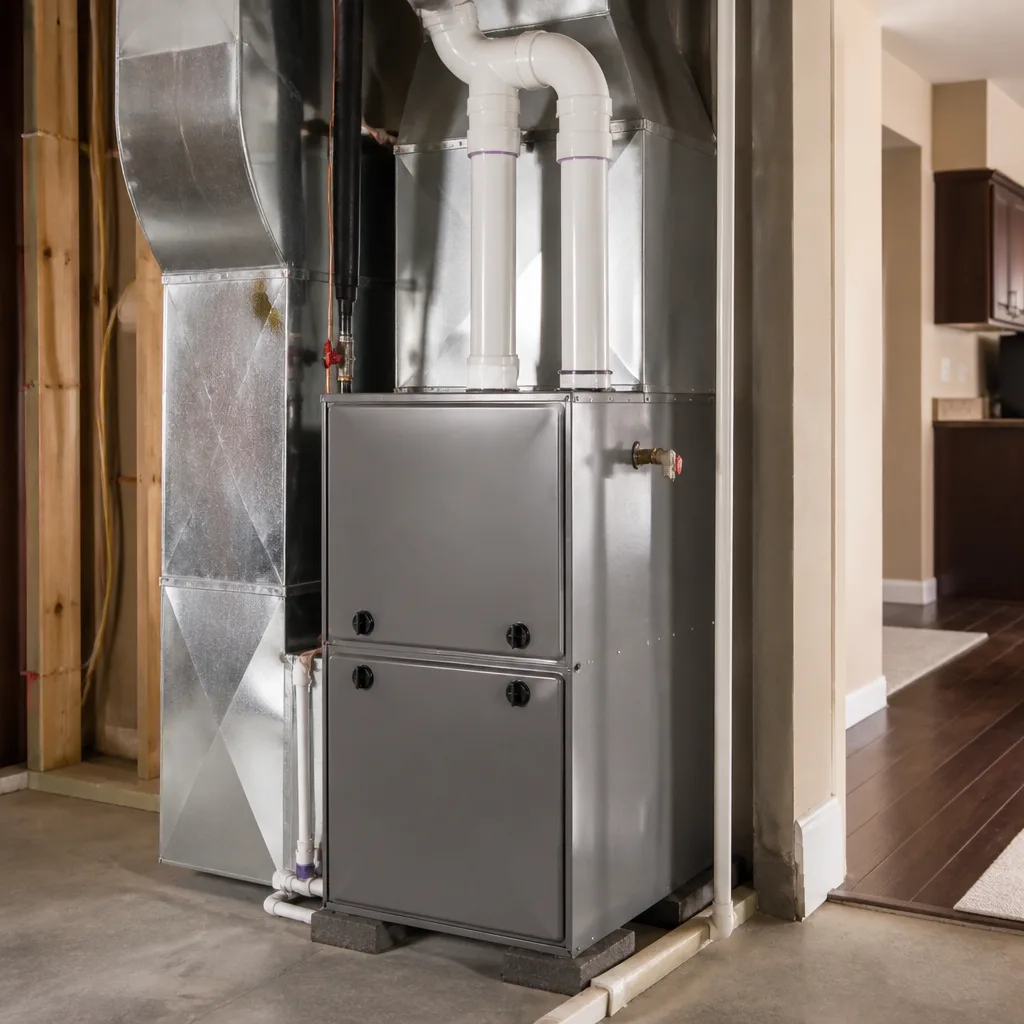
 Furnace & heating
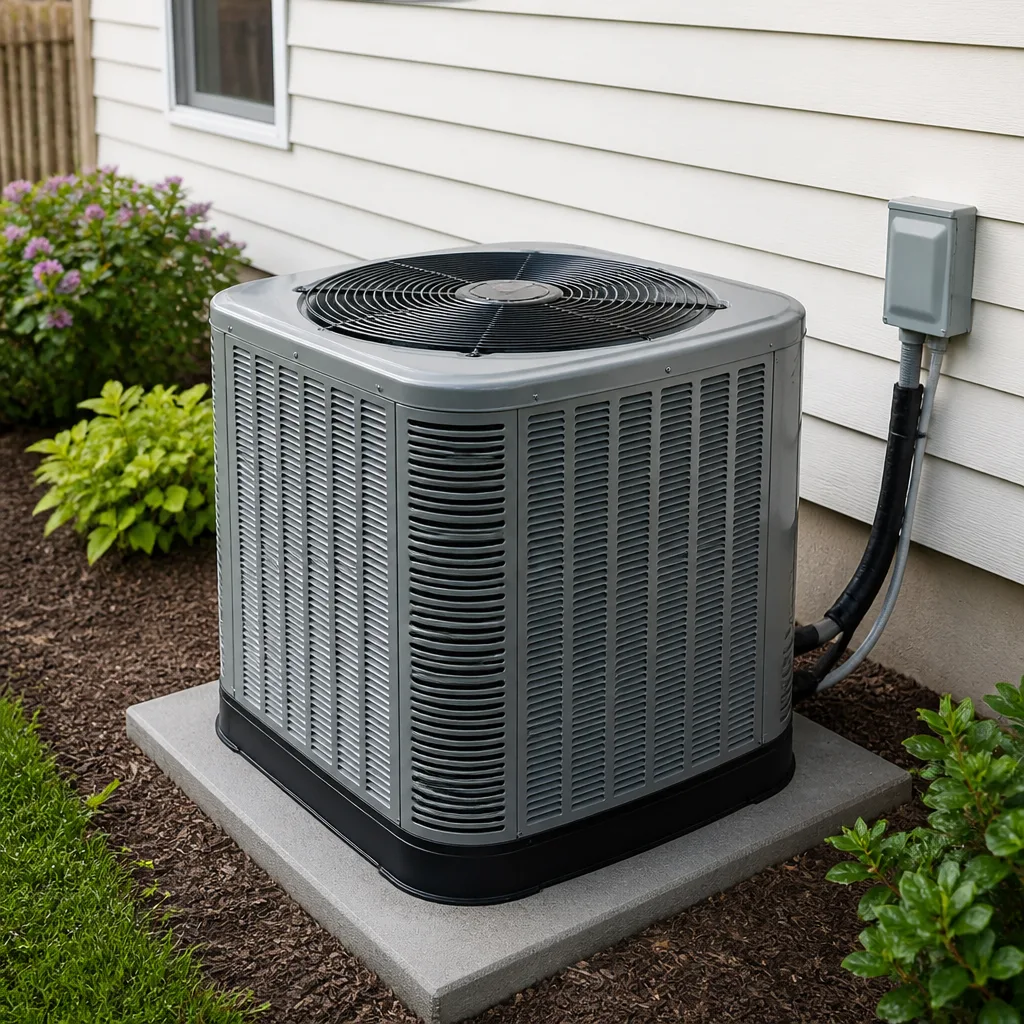 AC repair
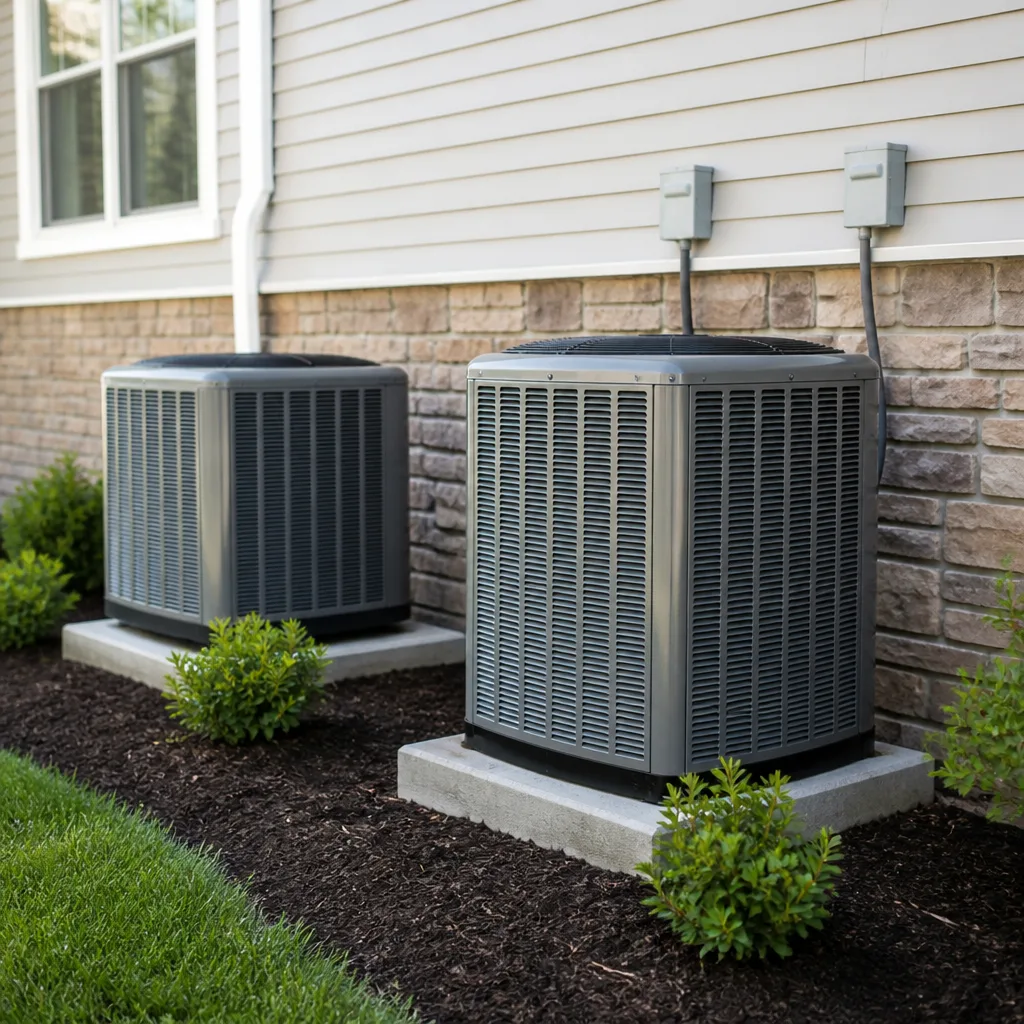 Heat pumps
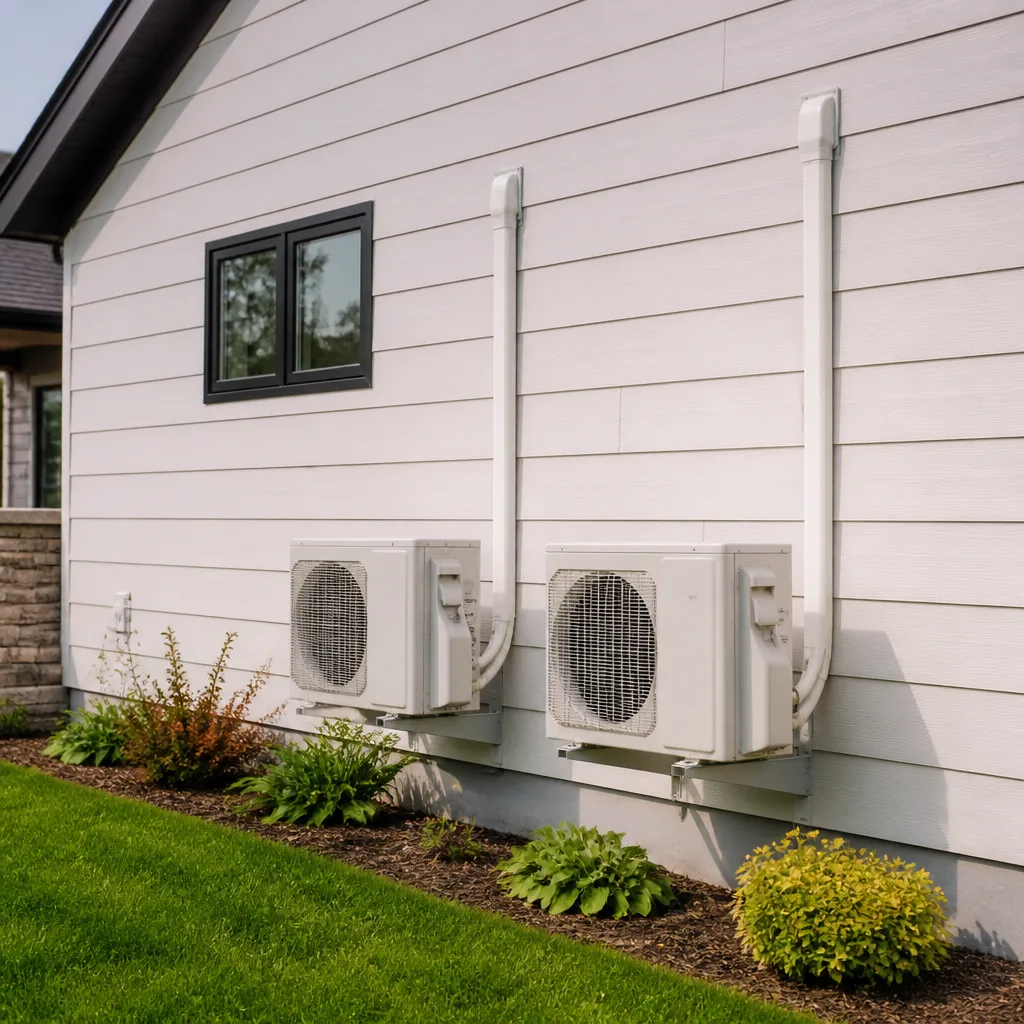 Ductless mini splits
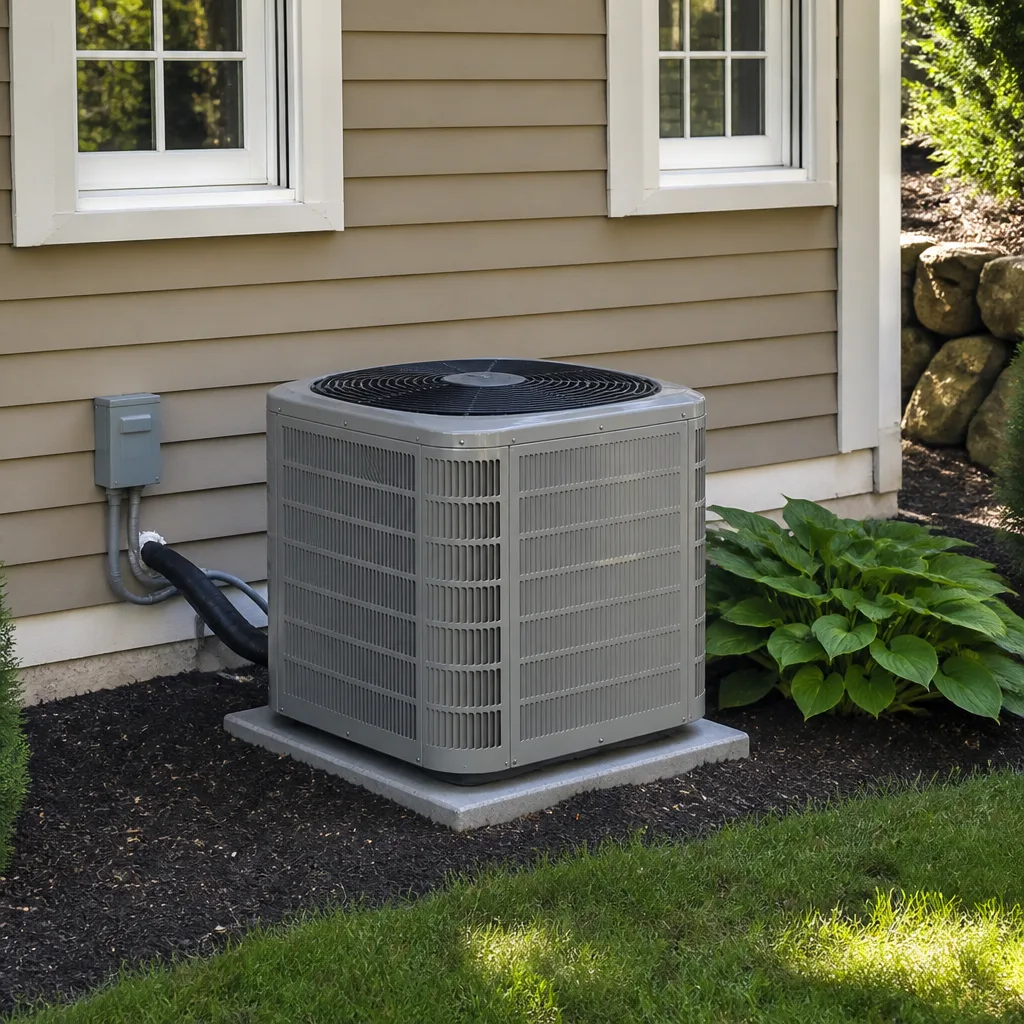 Carrier
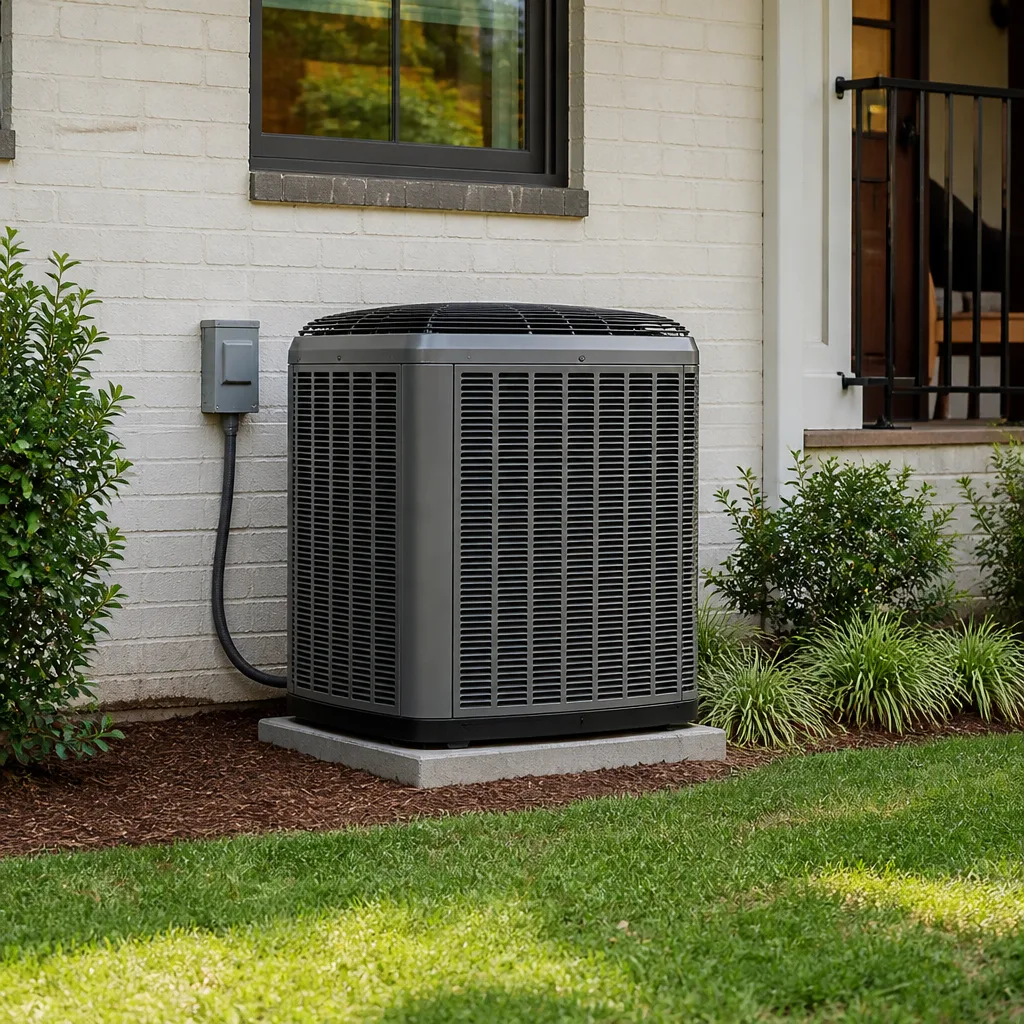 Trane
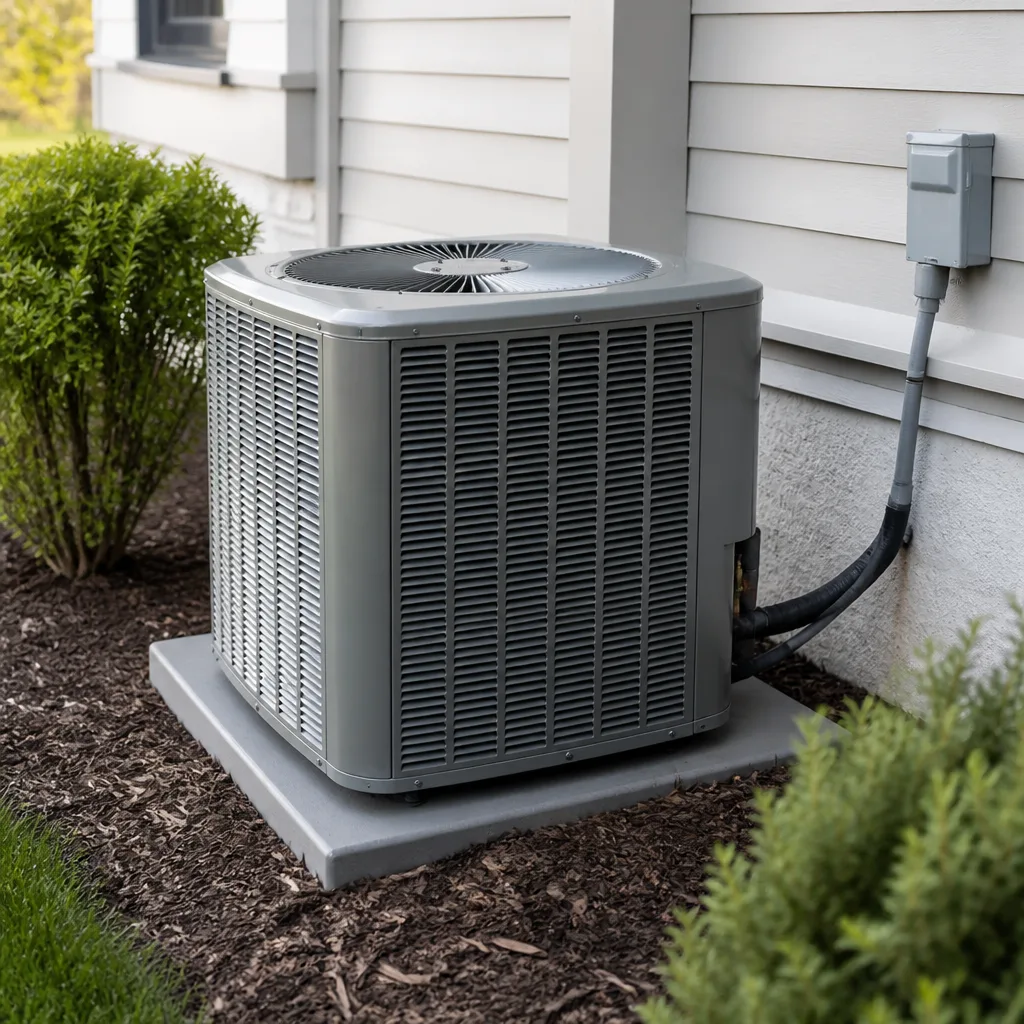 Goodman
Seasonal tune-up and full diagnostic on your Carrier, Trane, or Goodman system - readings shown to you before any repair is proposed
Diagnosis first, numbers second - you approve the repair price before a single part goes in.
Get your free estimateStyles & brands we work with
- AC repair
- Furnace & heating
- Heat pumps
- Ductless mini splits
- Carrier
- Trane
- Goodman
See the difference
 Before
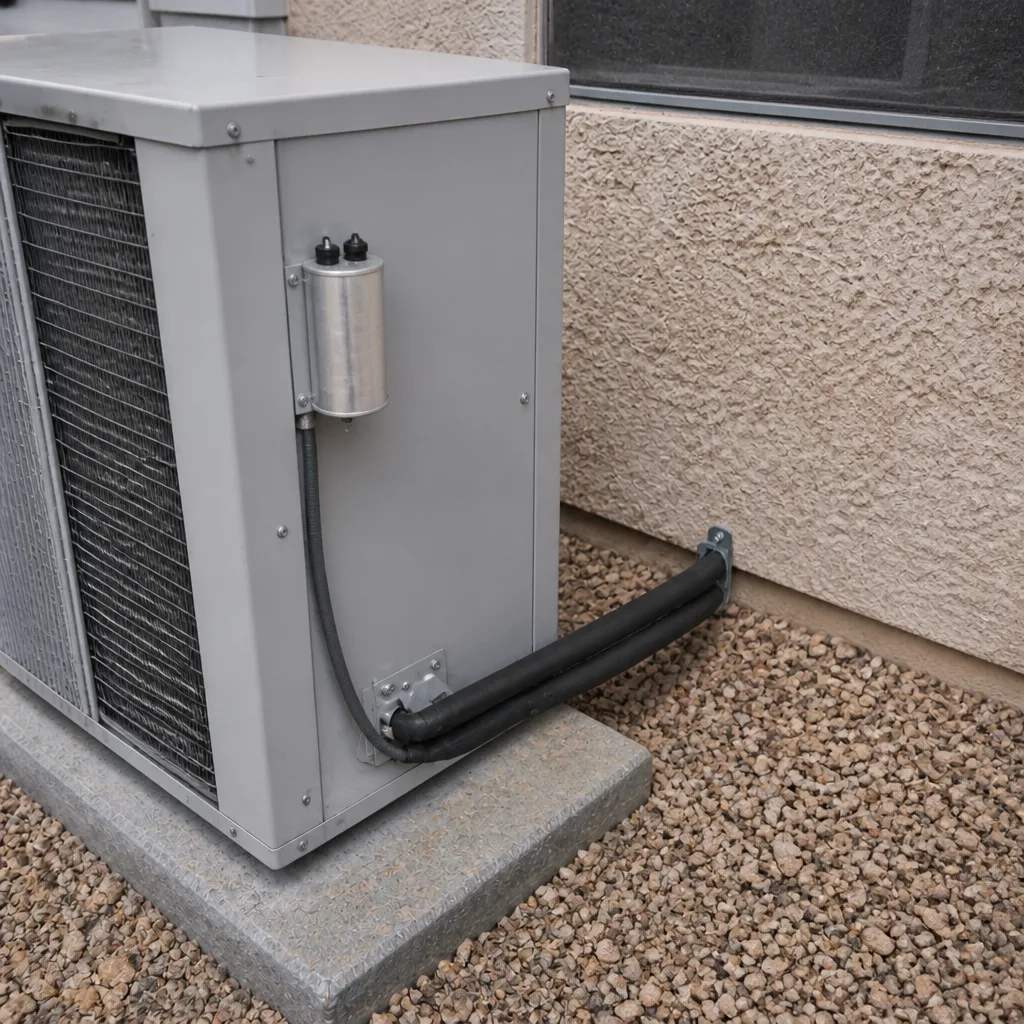 After
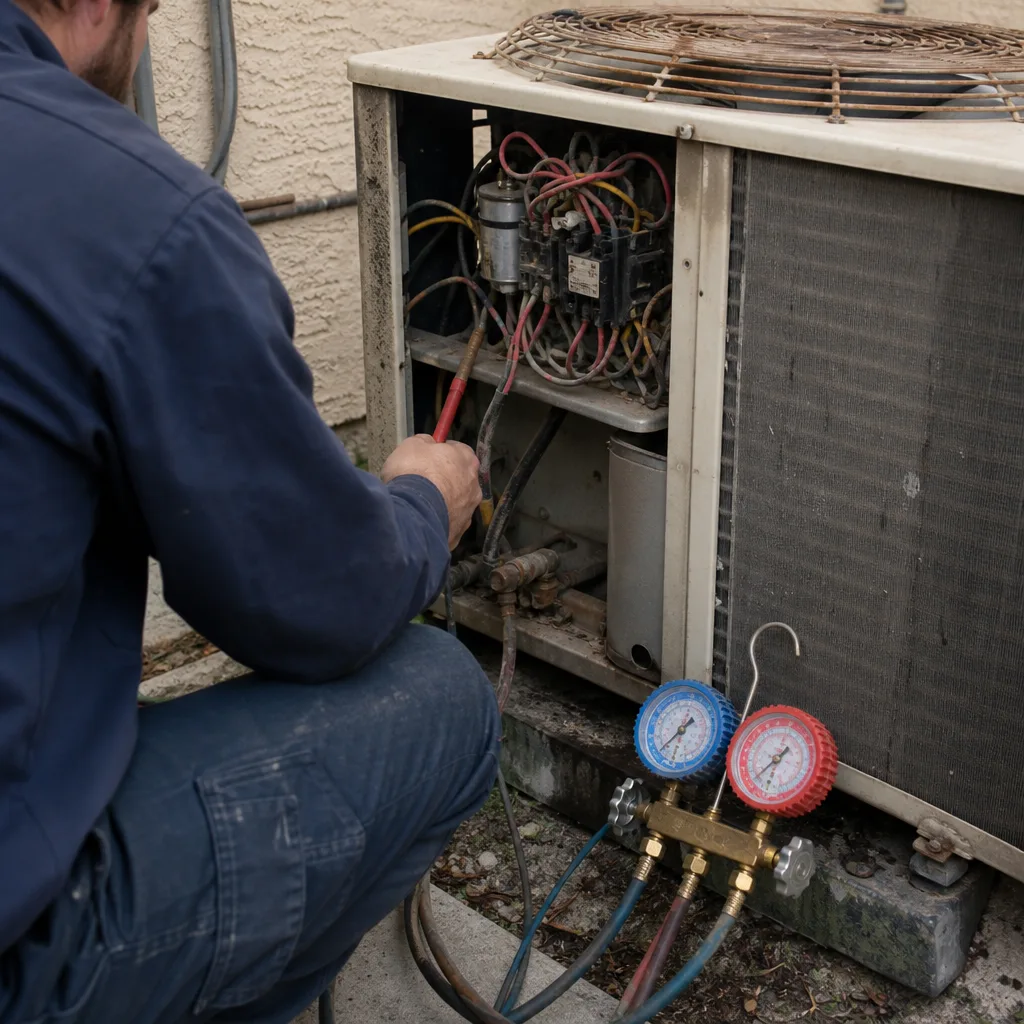 Before
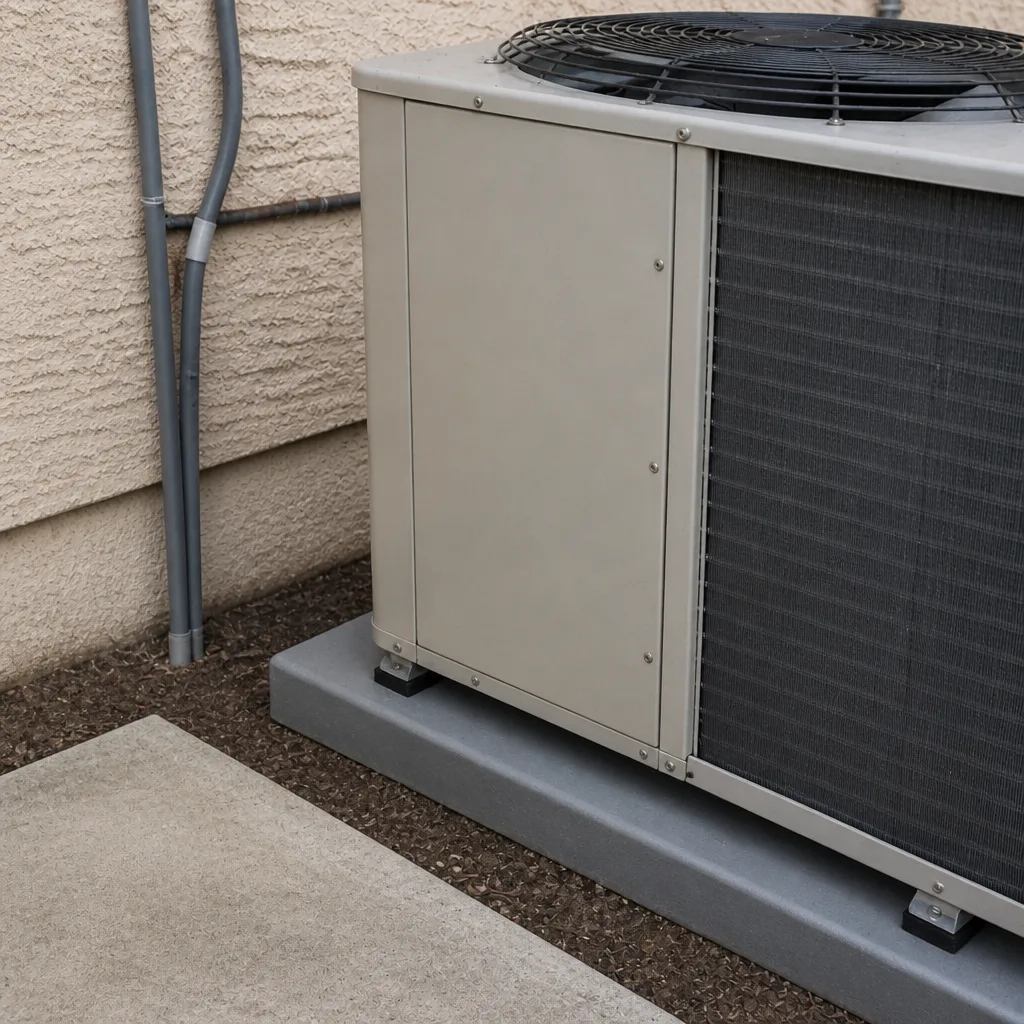 After
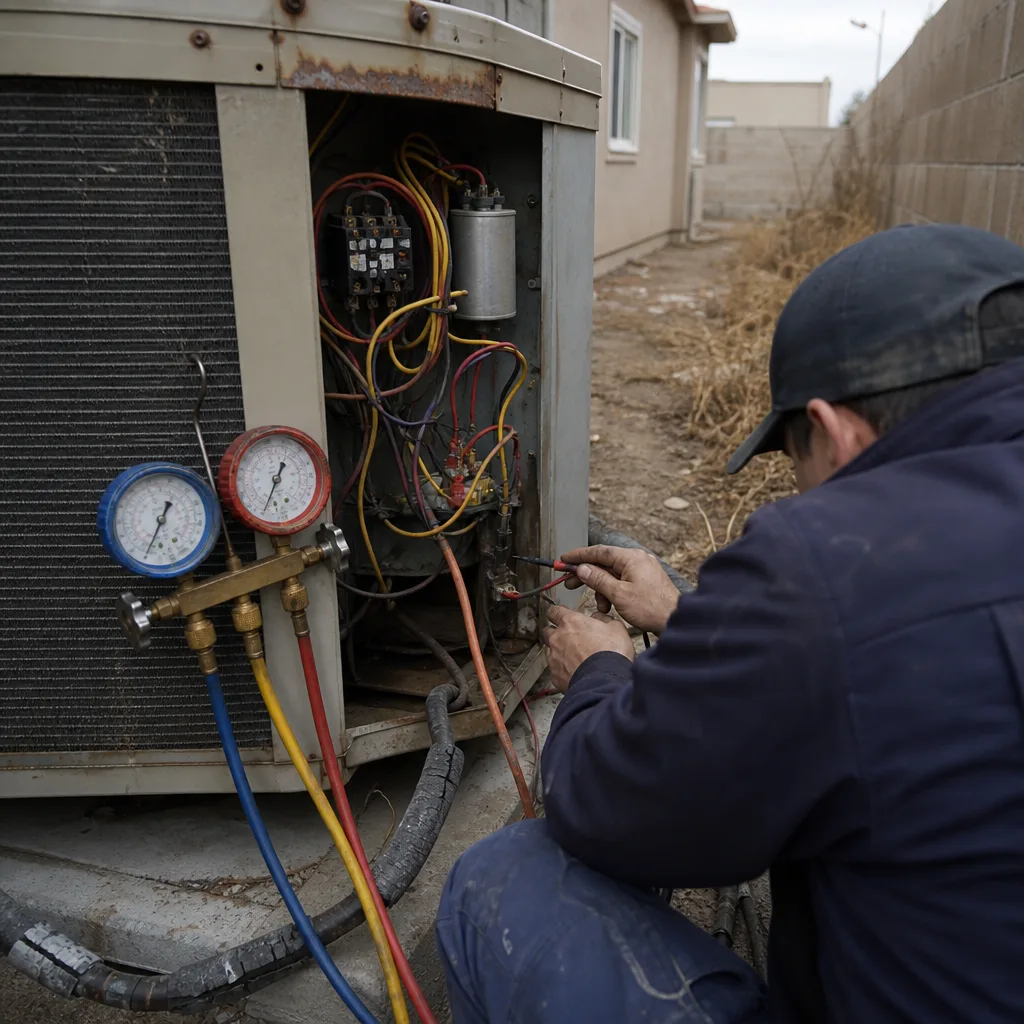 Before
 After
Why Is My AC Blowing Warm Air in Spring Valley, NV?
If your upstairs vents are blowing air that feels warm but your downstairs vents are cold, your AC unit is probably fine. What’s failing is the duct system passing through an attic that gets hotter than a car interior on a Las Vegas summer afternoon. In Spring Valley’s two-story stucco tract homes, “warm air upstairs” is most often a duct and attic heat problem, not a refrigerant or mechanical failure, and diagnosing it as a refrigerant issue first wastes money without fixing the actual cause. If you want it looked at by someone who will tell you which one you’re dealing with, call Dalton Heating & Air Spring Valley at (888) 268-6106.
Start With the Ducts Before You Blame the Unit
A supply duct carries air at roughly 55°F out of the air handler. When that duct runs 40 feet through an attic sitting at 150°F, it picks up heat through every foot of the run. Aged insulation, gaps at the boots, or a disconnected joint in a 1990s subdivision build lets the whole run cook. By the time the air reaches a second-floor register, it can arrive at 80°F even though the equipment is working exactly as designed.
That’s why the two-story plans on Spring Valley’s west side keep showing up on our schedule with the same complaint: downstairs is cold, upstairs never catches up. Stucco walls bake through the day, so attic and garage-mounted air handlers and the ductwork near them routinely hit 140-160°F. The unit reads fine on gauges. The air at the register does not.
You can check this yourself without touching anything dangerous. Put a thermometer in an upstairs supply register while the system runs. Compare it to a downstairs register. A 15-20°F gap between floors, with the unit running normally, points hard at duct heat gain. That’s a conversation about insulation, sealing, and run design, not a refrigerant recharge.
If the Ducts Check Out, Walk the List in Order
Once duct gain is ruled out, work down this list. It’s ordered by how often we actually find each cause in Spring Valley homes, not by how the textbook lists them.
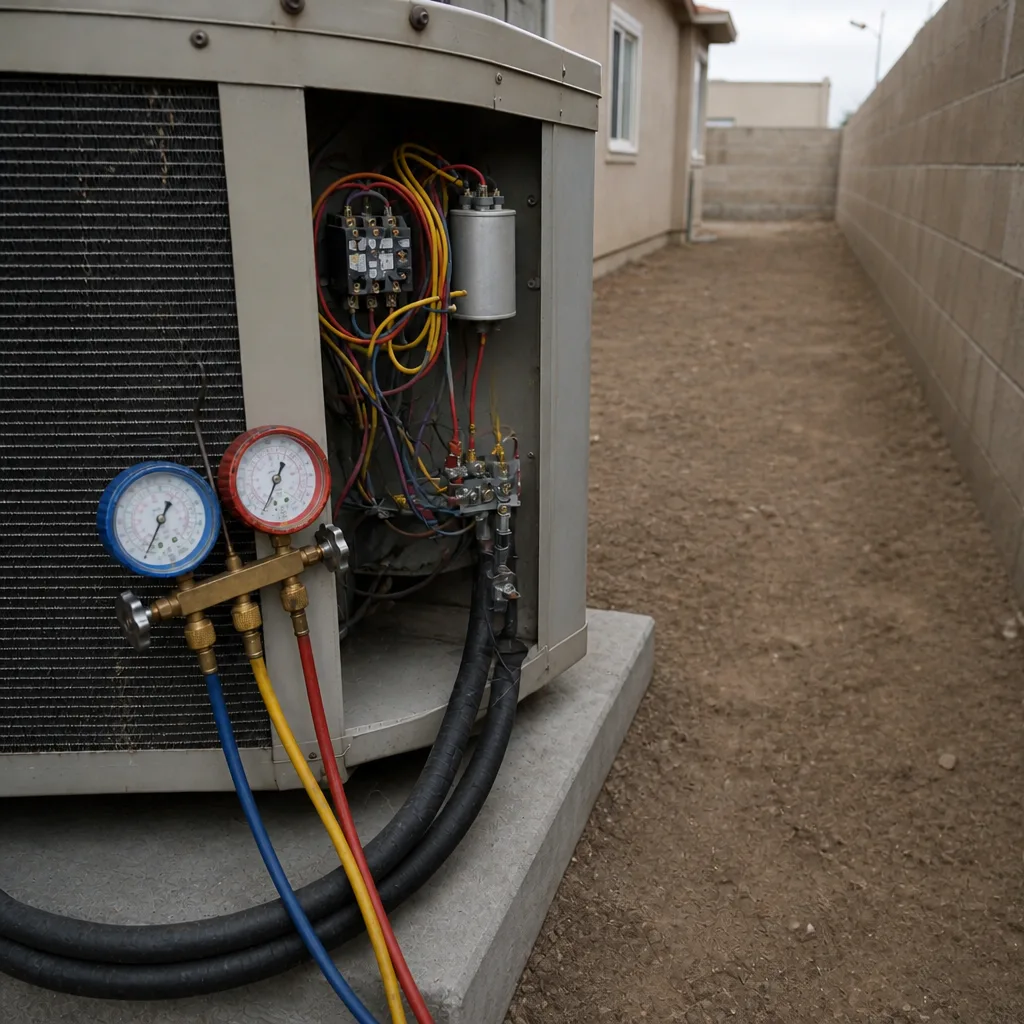
- Low refrigerant charge. A slow leak means the system can’t move enough heat. Gauges and a superheat/subcool check confirm it. A recharge runs $180-$450 depending on how much refrigerant and whether a leak needs sealing. Topping off the cooling fluid your system needs to reach set temperature is a temporary fix if the leak isn’t found.
- Dirty condenser coil. Summer monsoon dust and wind-driven grit load the outdoor fins and the system runs at high head pressure. Air feels warm because the refrigerant cycle can’t reject heat efficiently, not because charge is low. A coil cleaning is usually $150-$300 and solves it outright.
- Failed capacitor or contactor. The compressor won’t start, or starts and drops out. You’ll often hear the fan run with no cooling. These parts are cheap: $150-$350 installed, and it’s a common failure on 20-year-old original units.
- Frozen evaporator coil. Restricted airflow from a clogged filter freezes the coil, and when the ice melts you get warm, humid air at the vents. If you see ice on the indoor coil or the refrigerant line, shut the system off at the thermostat and let it thaw. Change the filter, then restart.
That last one is worth sticky-noting. Homes with concrete-tile floors and stucco walls don’t buffer humidity the way carpeted rooms do, so a filter that’s been ignored for a season hits airflow faster and harder here than most homeowners expect.
What a Proper Diagnosis Actually Looks Like
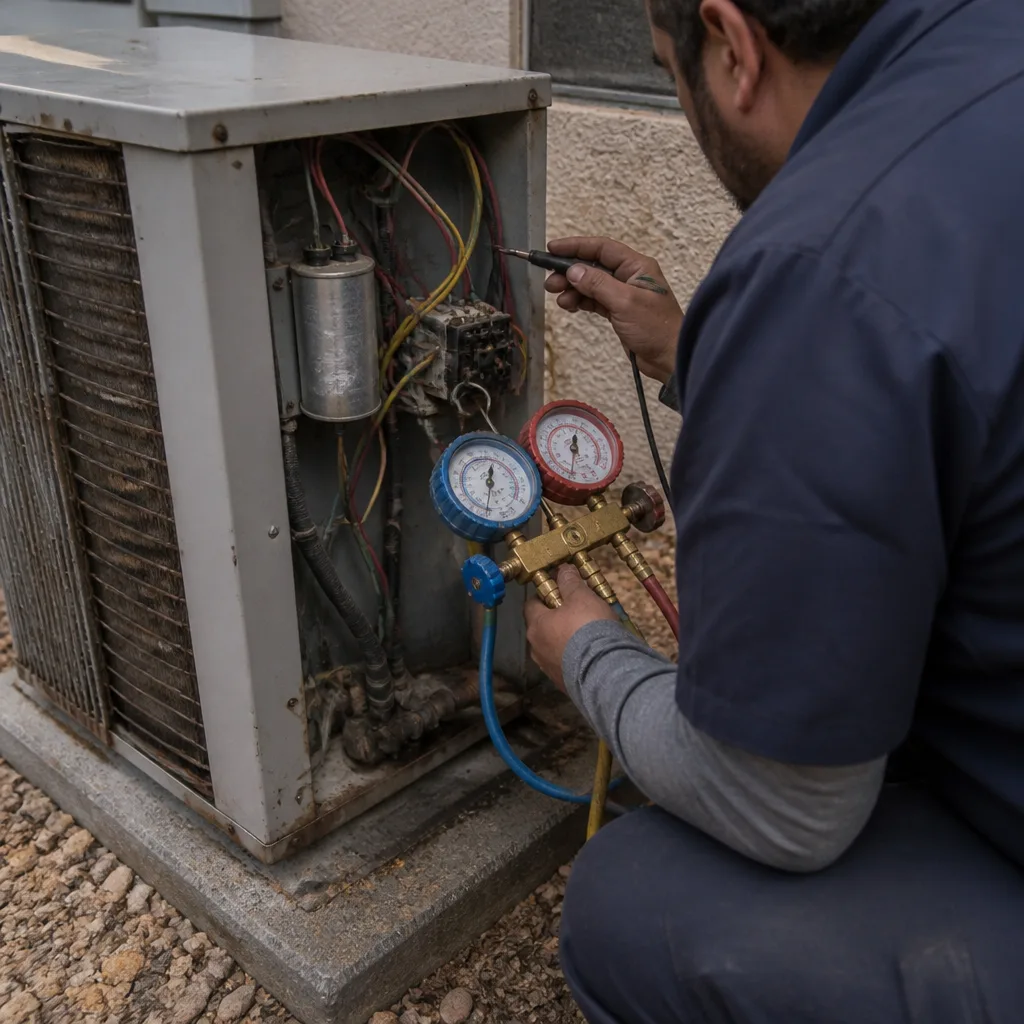
A technician who skips straight to “you need refrigerant” is guessing. A real diagnostic starts with static pressure and airflow, checks temperature split across the coil, inspects accessible duct runs and attic conditions, then moves to the electrical and refrigerant side only after airflow is ruled out. That order matters, and it’s the order that keeps you from paying for a recharge that doesn’t fix anything.
Dalton Heating & Air Spring Valley is a Garrison Partners company operating under The Garrison Standard since 2003. That means the tech explains what they found and why before quoting anything, and the price is in writing before any work starts. The 365-Day Done Right Promise backs every repair for a full year. If the diagnosis was wrong and the problem comes back, we return at no charge and make it right. You can also read more about how we handle repairs on our AC Repair & Installation in Spring Valley page.
Typical Repair Costs in Spring Valley
Ranges here reflect what these jobs actually bill at in the Spring Valley market. Exact price depends on the part and the access.
| Repair | Typical Range |
|---|---|
| Diagnostic visit (applied to repair) | $80-$150 |
| Refrigerant recharge | $180-$450 |
| Condenser coil cleaning | $150-$300 |
| Capacitor or contactor replacement | $150-$350 |
| Duct sealing / insulation repair | $250-$650 |
| Full AC repair (parts + labor) | $150-$650 |
Most AC repair jobs in Spring Valley land inside that $150-$650 lead range. A tune-up, if you want to stay ahead of the failures, runs $80-$200. Call (888) 268-6106 for an exact quote: estimates are free and the price is written before we start.
Why Spring Valley’s Housing Stock Makes This Worse
Most of Spring Valley is 1980s through mid-2000s stucco tract homes with tile roofs, and a lot of the original equipment is now 20-plus years old. Spring Valley is unincorporated Clark County, not a city, so HVAC work runs on county building permits and a patchwork of HOA CCRs rather than one municipal code office. That matters when you’re replacing a condenser or re-routing a duct run. The permit path and the HOA sign-off can both trip a job, and a tech who doesn’t know the difference will promise a timeline that doesn’t hold.
The good news: whether your system is a Goodman, Rheem, York, or Daikin, our technicians are factory-trained on all nine major brands and have up to 23 years of experience. Older original units are their own headache, but they’re not a mystery. They fail in predictable ways, and the parts are findable. If you’re weighing a repair against replacement, the honest answer comes down to the age of the equipment and the size of the repair. A $350 capacitor on a 12-year-old unit is a clear fix. A $450 recharge on a 22-year-old original condenser with a slow leak deserves a conversation about what’s next.
When to Stop Diagnosing and Call Someone
If you’ve changed the filter, checked the thermostat, and confirmed the upstairs/downstairs temperature gap, and the unit still blows warm, it’s a professional call. Refrigerant work and electrical testing on a live condenser aren’t homeowner tasks. The refrigerant lines and compressor circuitry carry real risk of injury and refrigerant burns, and a DIY gauge set on an R-410A system is more likely to add cost than save it. Our technicians are background-checked, and every call is answered by a live person, 24/7.
FAQs
Your ductwork is losing cold air to a hot attic as it runs to the second floor. The unit is likely working, but a long second-floor duct run with aged or missing insulation can’t deliver 55°F air through a 150°F attic without picking up heat. A duct inspection confirms it. Call (888) 268-6106 for a free estimate on sealing or re-insulating the run.
Yes. A clogged filter restricts airflow, the evaporator coil freezes, and when the ice melts the system blows warm, humid air. Change the filter, shut the system off at the thermostat, and let it thaw for a few hours before restarting. If it refreezes, call us at (888) 268-6106: something else is restricting airflow.
Most AC repairs in Spring Valley run $150-$650 depending on the part and the access. A refrigerant recharge is $180-$450, a condenser coil cleaning is $150-$300, and a capacitor or contactor replacement is $150-$350. You get the price in writing before any work starts, and the repair is guaranteed in writing for a full year. Call (888) 268-6106 for an exact quote.
Repair usually wins if the system is under 12 years old and the fix is a single part. On a 20-year-old original unit with a refrigerant leak, replacement often costs less over the next five years. We’ll run both numbers with you and let you decide. Call (888) 268-6106 for a free estimate and a straight comparison.
If you’d rather have it looked at, Dalton Heating & Air Spring Valley offers a no-pressure assessment in Spring Valley: call (888) 268-6106 and we’ll tell you what’s actually going on before anything gets quoted. You can also start from our home page.
Written by the team at Dalton Heating & Air Spring Valley, serving Spring Valley, NV.