
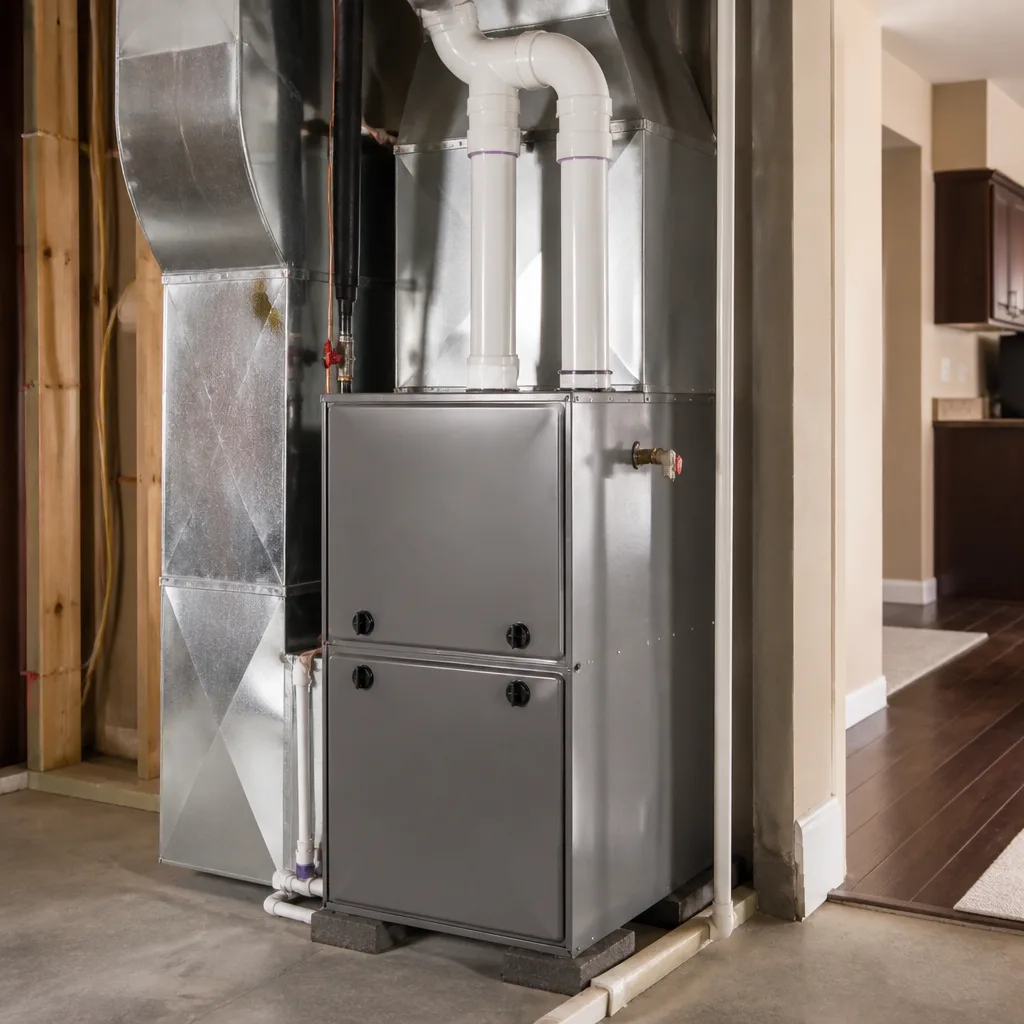
 Furnace & heating
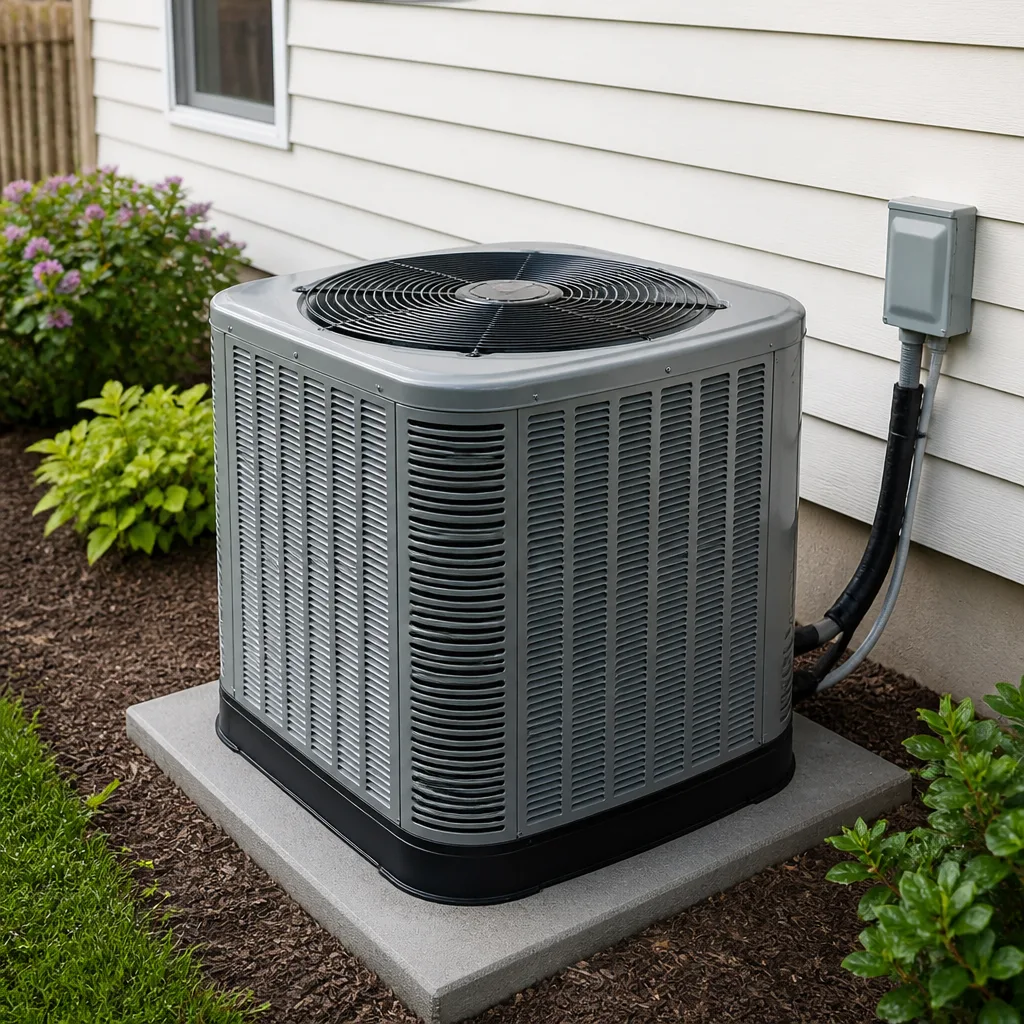 AC repair
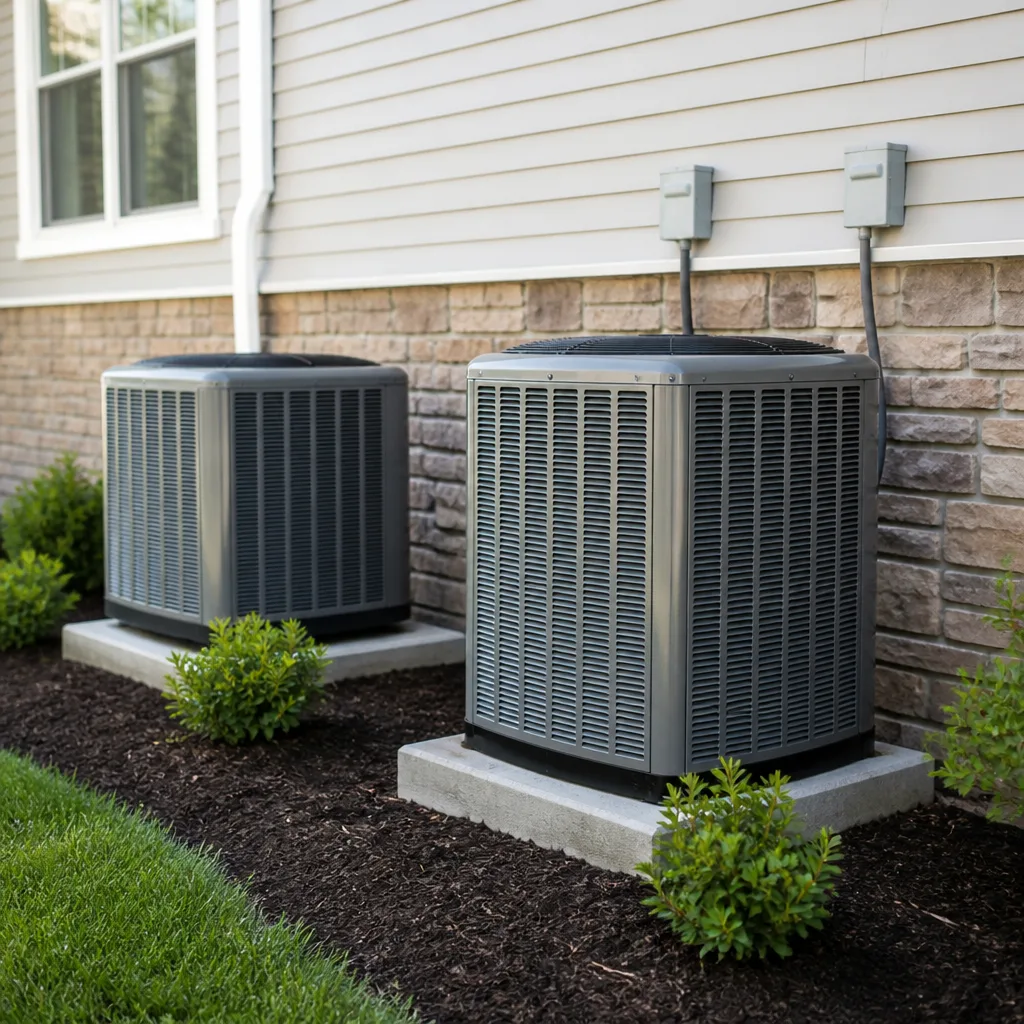 Heat pumps
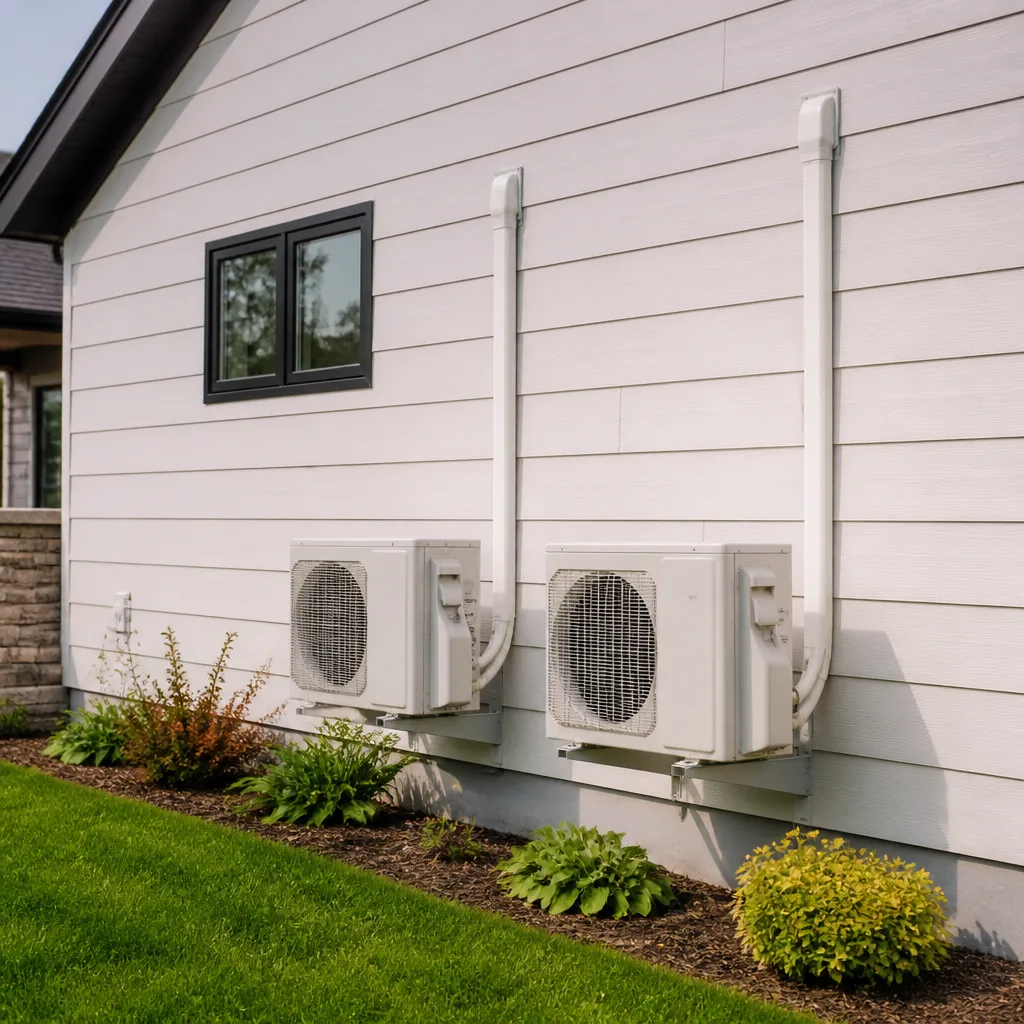 Ductless mini splits
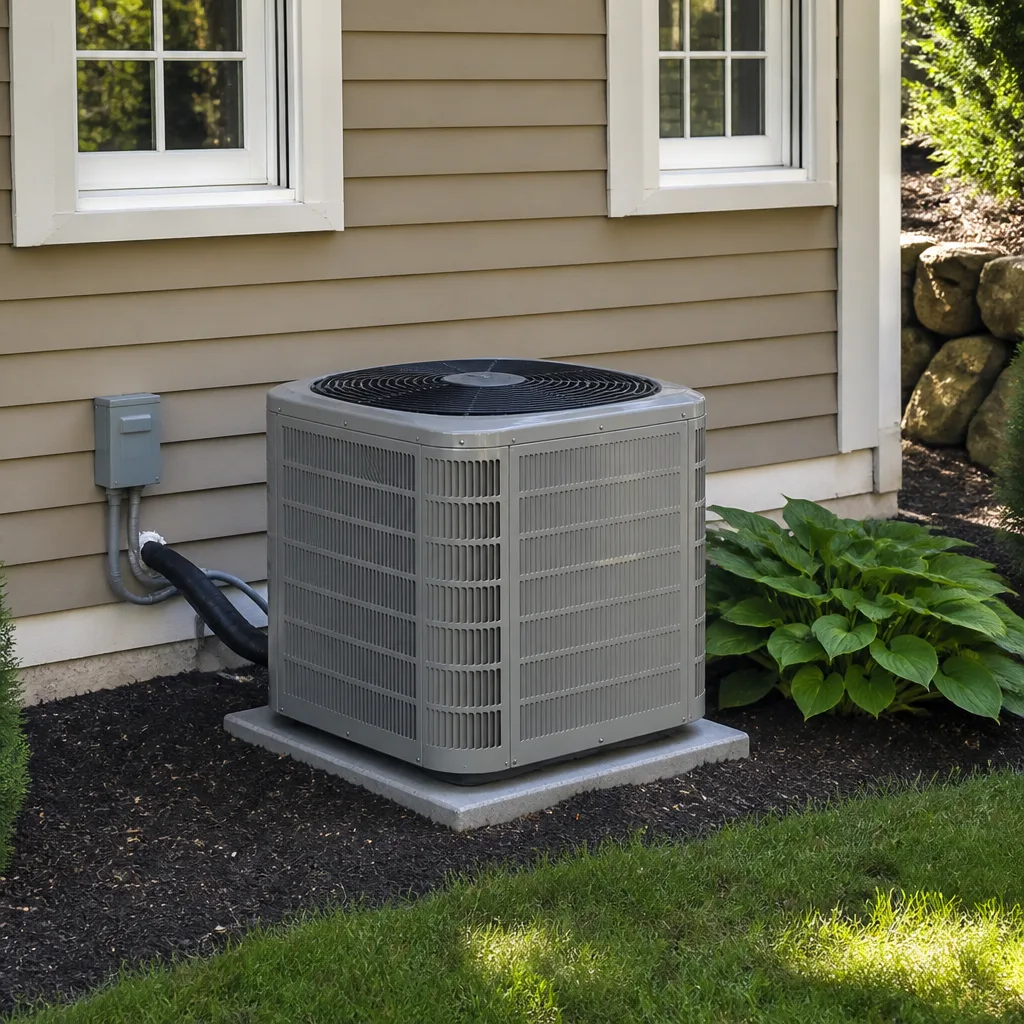 Carrier
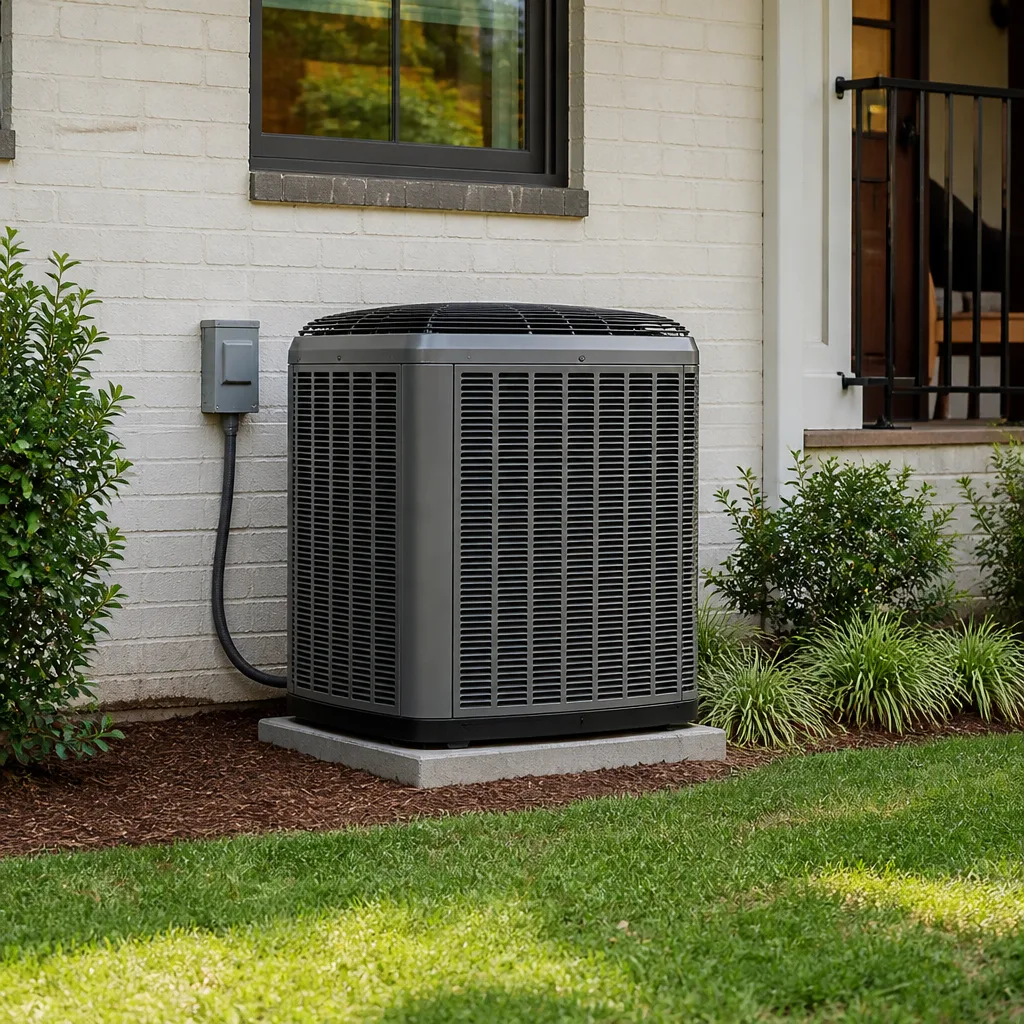 Trane
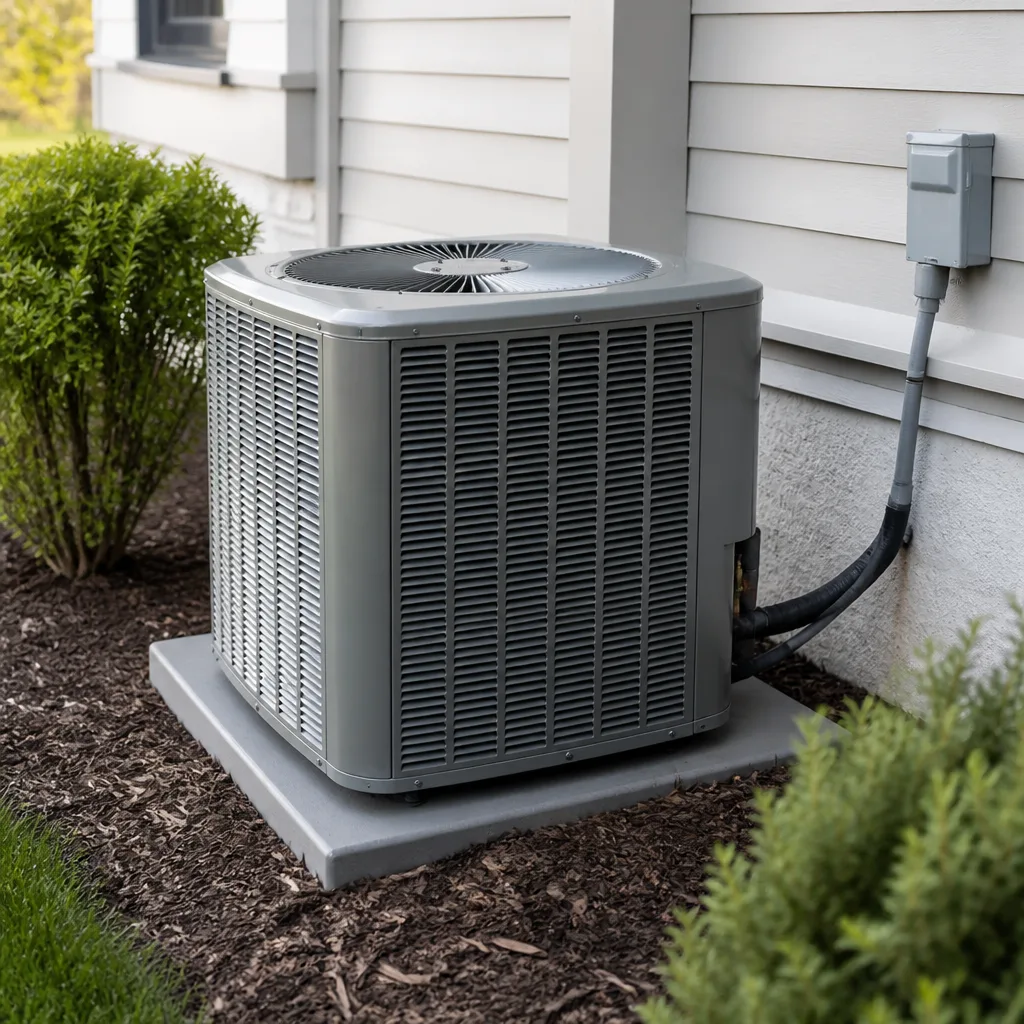 Goodman
Seasonal tune-up and full diagnostic on your Carrier, Trane, or Goodman system - readings shown to you before any repair is proposed
Diagnosis first, numbers second - you approve the repair price before a single part goes in.
Get your free estimateStyles & brands we work with
- AC repair
- Furnace & heating
- Heat pumps
- Ductless mini splits
- Carrier
- Trane
- Goodman
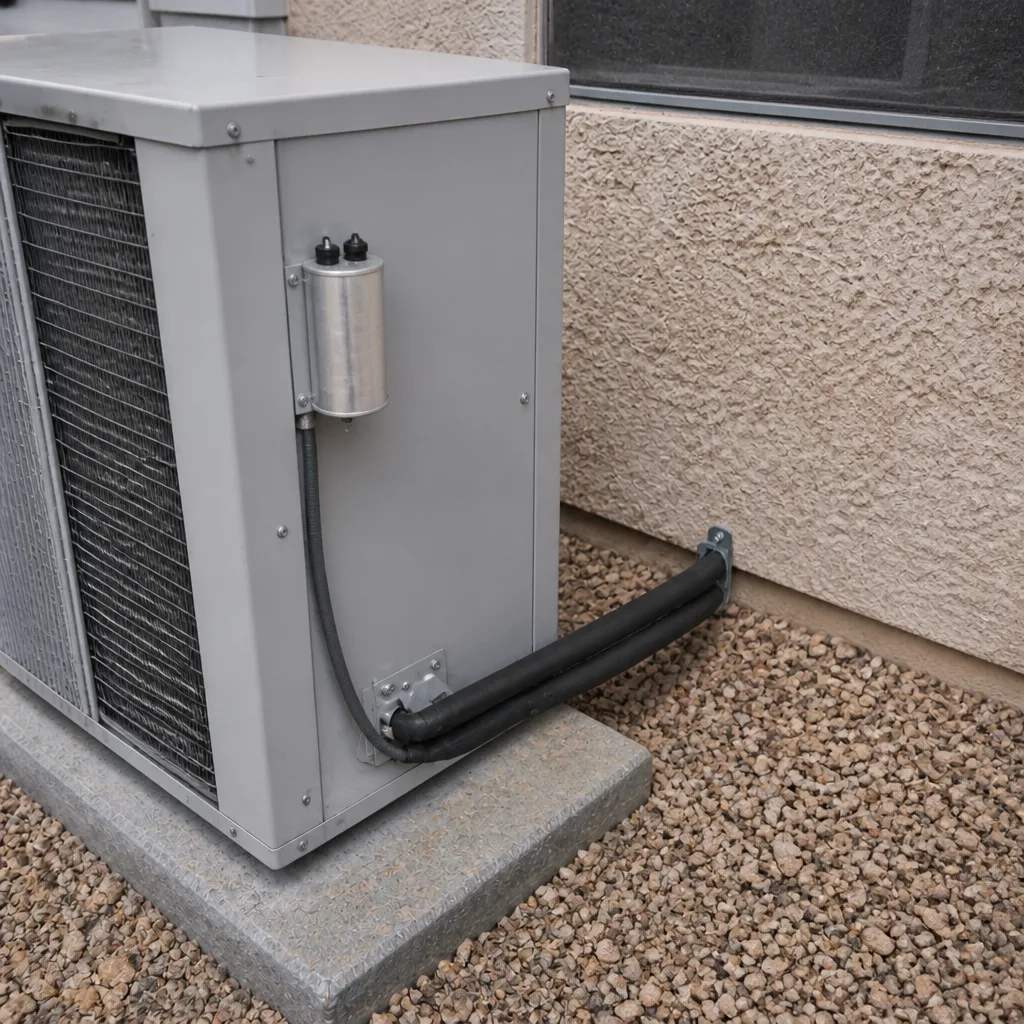
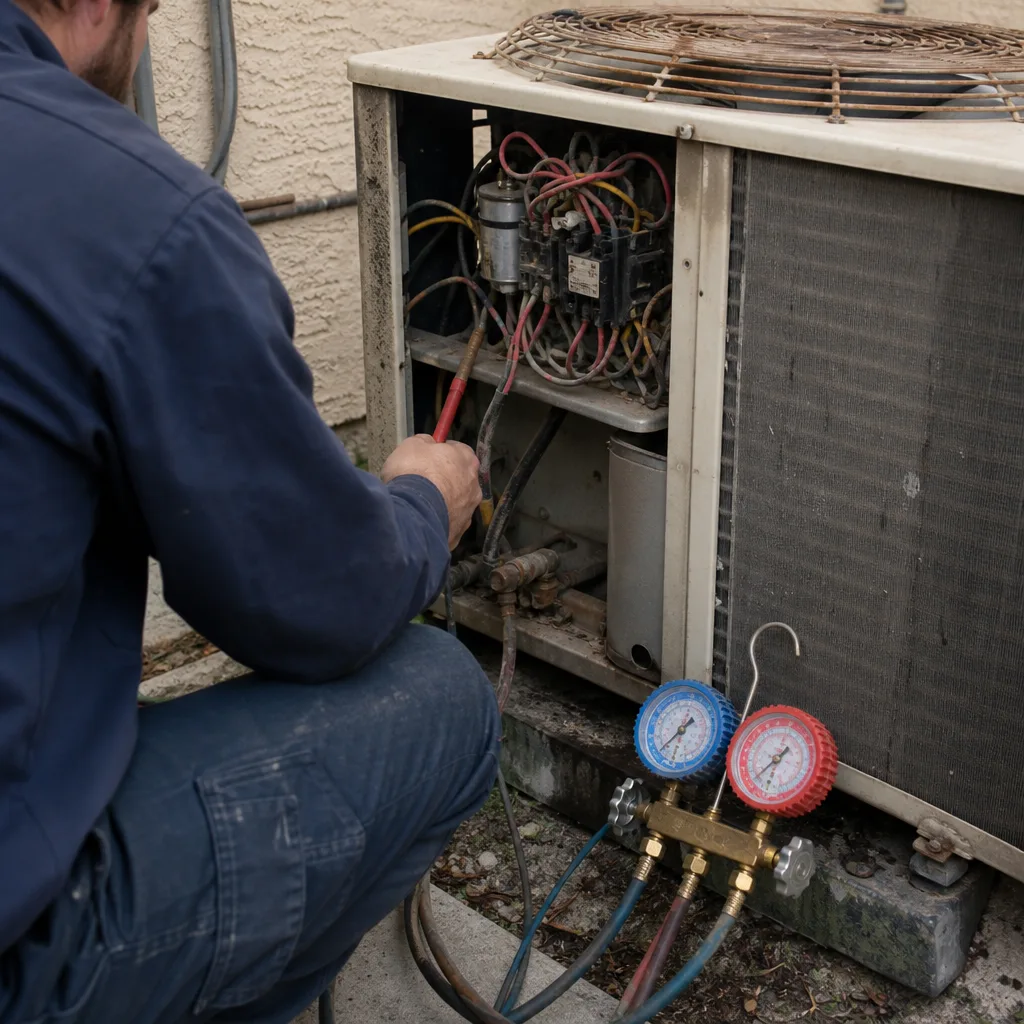
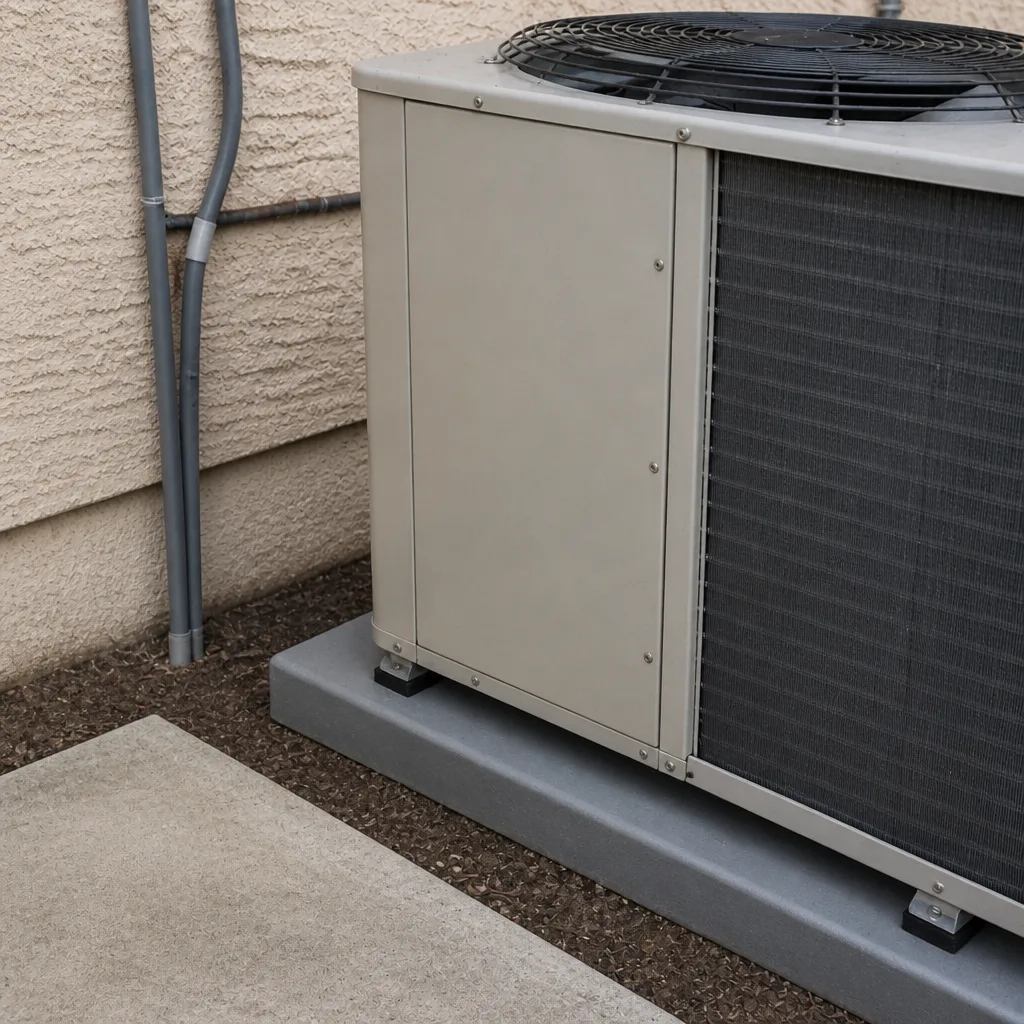
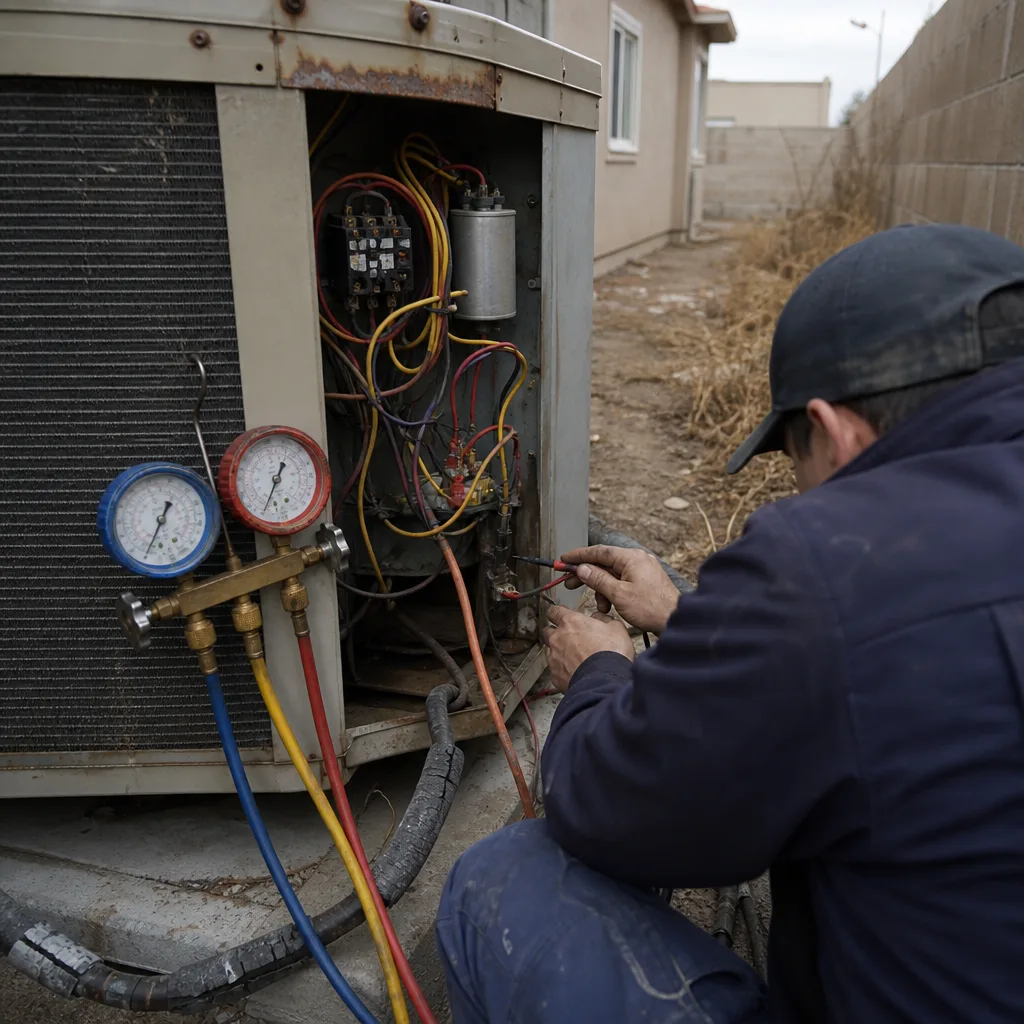
See the difference
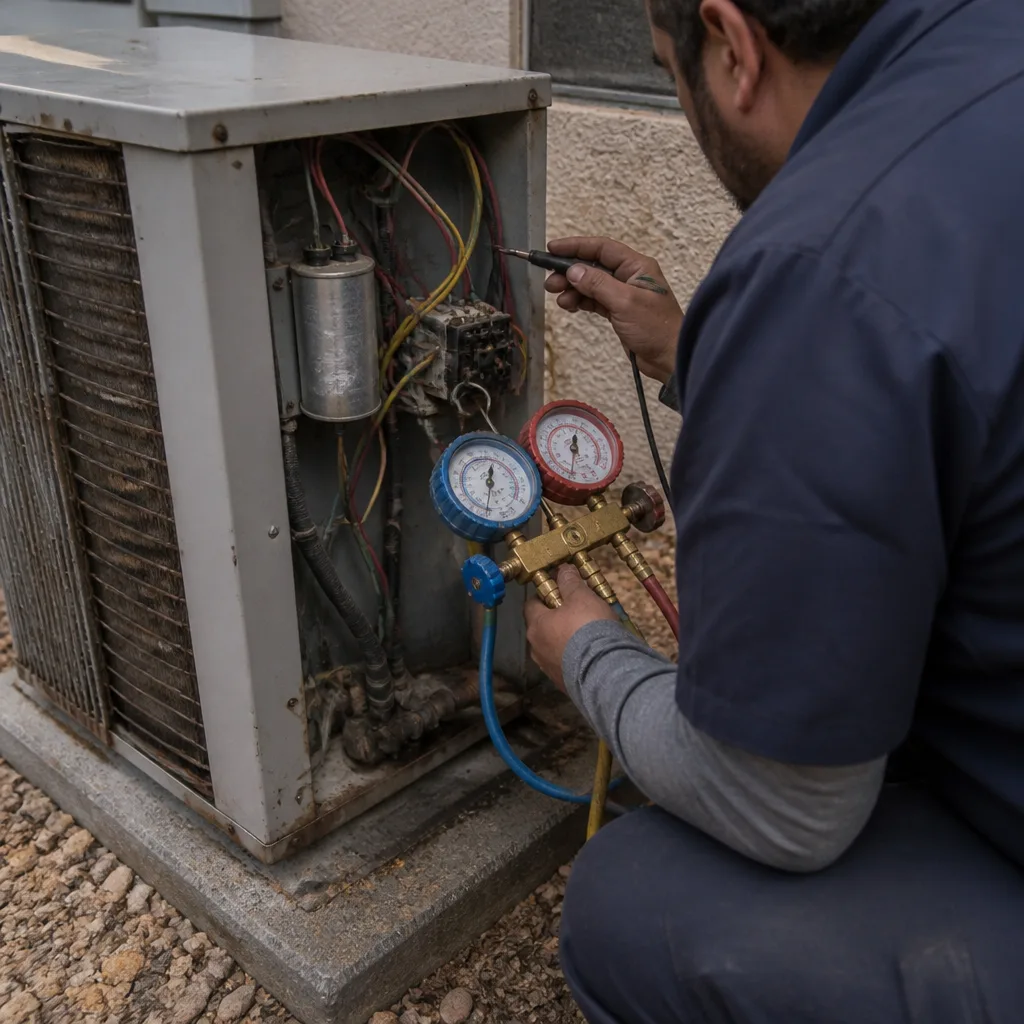 Before
 After
 Before
 After
 Before
 After
Mini Split vs Central Air in Spring Valley, NV: Which One Actually Fits Your House?
Choose central air for a normal Spring Valley tract home that already has ducts and a working air handler, and choose a mini split only when you’re cooling a space the ductwork can’t reasonably reach. That’s the short answer. The longer answer depends on why you’re asking, because in Spring Valley the mini-split-versus-central-air question almost always comes from one of three very specific situations: a garage conversion, a room addition, or an upstairs bedroom that never cools. Each one has a different right answer, and the wrong one costs you money every summer. Call (888) 268-6106 if you’d rather have it sorted out in person.
Here’s the thing worth saying up front: a single-zone mini split installed to fix an upstairs bedroom that won’t cool will solve the symptom in that room and quietly mask a duct problem that keeps taxing your central system and inflating your NV Energy bill every June through September. It feels like a fix. It’s a workaround. We’ll show you the difference below.
Key takeaways
- Permitted garage conversion in Spring Valley? A mini split is usually correct.
- Room addition? It depends on whether your existing air handler has capacity left to spare.
- “Upstairs never cools”? Diagnose the ducts first. A mini split is a workaround, not a fix.
- HOAs in unincorporated Clark County often restrict condenser placement and line-set routing on stucco walls, so a “simple” mini split can need a variance.
- Written pricing comes before any work starts, on both the mini-split path and the duct-remediation path.
Why Spring Valley Is Built for This Question
Spring Valley is unincorporated Clark County, so HVAC work here runs on county building permits and a patchwork of HOA CCRs rather than a city code department. The housing is overwhelmingly 1980s through mid-2000s stucco-and-tile tract subdivisions built during the unincorporated boom, and that matters more than most comparisons admit. These homes weren’t built with future add-ons in mind. When you close in a garage or add a room, you’re retrofitting against stucco walls and a duct system that was sized for the original floor plan.
The stucco itself is a factor. Those walls bake through the day, so attic and garage-mounted air handlers and ductwork routinely hit 140-160°F. In two-story plans, long second-floor duct runs through a hot attic are a chronic cause of “upstairs never cools” calls that aren’t really a failing unit at all. Step back and the three use cases that generate the mini-split-versus-central-air question become obvious. Let’s walk them one at a time.
The Three Spring Valley Cases, Mapped Separately
1. A permitted garage conversion
This is the situation where a mini split is usually the right call. A converted garage becomes conditioned living space, but it sits outside the original duct envelope. Extending central ductwork through a stucco exterior wall is expensive and disruptive, and it steals capacity from the rest of the house. A single-zone Daikin or Bryant mini split gives that converted space its own inverter-driven cooling without touching the central system. The county permit still has to be pulled, but the install itself is cleaner, faster, and easier to live through.
2. A room addition
Here, the answer depends on one number: does your existing air handler have remaining capacity? If the addition is small and the central system was slightly oversized to begin with, tying it in can work. If the air handler is already working hard to cool the original floor plan, extending the ducts will just spread the shortfall. A mini split adds dedicated capacity without rebuilding the central system. That’s why we measure before we recommend. Guessing here is how homeowners end up with an addition that cools beautifully and a main house that doesn’t.
3. The “upstairs never cools” complaint
This is the most misdiagnosed of the three, and the one we see most in Spring Valley’s two-story subdivisions. Long second-floor duct runs through a 140-160°F attic lose a lot of cooling before the air reaches a register. Leaky duct joints, pinched flex runs, and undersized returns make it worse. A mini split will make that upstairs bedroom comfortable, but the duct problem keeps taxing the central system and your NV Energy bill. Fix the ducts and the central system often handles the upstairs fine. Our Heat Pump & Mini Split in Spring Valley page covers the equipment side if you go that route. Call (888) 268-6106 for a duct assessment before you commit to either path.
Side-by-Side: Mini Split vs Central Air in Spring Valley
| Factor | Mini Split | Central Air |
|---|---|---|
| Best fit | Garage conversion, room addition, isolated space | Whole-home cooling with existing ducts |
| Upfront cost (typical) | Single-zone install: roughly $3,000-$6,000 | Full system: $3,500-$7,500 |
| Duct work | None needed | Required, and must be verified |
| HOA approval | Often needed for condenser placement and line-set routing on stucco | Usually already approved |
| Filter maintenance | Monthly in summer (dust loads fast) | Quarterly or as needed |
| Part-load efficiency | Strong (inverter compressor) | Strong with modern variable-speed |
That last row deserves a straight answer. A mini split’s inverter compressor genuinely delivers better part-load efficiency, and in mild weather the gap is real. But Spring Valley summers aren’t mild. When ambient temps hold above 100°F for 90 or more consecutive days, the efficiency advantage versus a modern variable-speed central system narrows significantly. Both systems run near-continuously. Both work hard. The efficiency argument that sells mini splits in San Diego doesn’t fully translate to the valley floor.
The Desert Maintenance Reality Most Comparisons Skip
“Ductless” sounds low-maintenance. It isn’t, especially here. Mini-split cassette filters load with Mojave dust faster than central return filters because they sit in the room, pulling air right where people live and where wind-driven grit settles. Plan on cleaning those filters monthly through summer, not quarterly. Skip it and you’ll lose airflow and efficiency fast. Central systems grit through a return filter, which is easy to reach and slower to clog. Neither system is set-and-forget, but the maintenance rhythm is different, and nobody mentions it at the sales table.
What About the HOA? The Constraint Competitors Miss
Unincorporated Clark County means a patchwork of HOA CCRs, and many Spring Valley HOAs restrict exterior condenser placement and line-set routing on stucco walls. A mini split that looks simple on paper can require an HOA variance application before install. Budget for the approval timeline. Ask your HOA for the CCR language on exterior mechanical equipment before you buy, not after the box is on your patio.
How We Help You Compare Honestly
- We assess the space and measure the existing system’s capacity.
- We check the ducts first on any “upstairs never cools” call.
- We put written pricing on both the mini-split path and the duct-remediation path.
- We flag any HOA approval your install will need.
- You compare the two real numbers and choose. No pressure either way.
Dalton Heating & Air Spring Valley is factory-trained on Daikin and Carrier mini-split lines and services nine major brands. Every job comes with a written price before any work begins and a written guarantee on every repair for a full year. If the repair fails in that time, we return at no charge. For full sizing or a system swap, see our main Dalton Heating & Air page. Call (888) 268-6106 and a live person answers, day or night.
FAQs
For a single space, yes: one mini-split zone typically runs $3,000-$6,000, while a full central system runs $3,500-$7,500. But if you’re cooling an entire Spring Valley house that already has ducts, central air is usually the smarter spend. Call (888) 268-6106 for an exact quote, and estimates are free.
It can cool that room, but it won’t fix the underlying problem: long second-floor duct runs through a 140-160°F attic are usually the real cause. Diagnose the ducts first. Call (888) 268-6106 for a no-pressure assessment.
Often, yes. Many Spring Valley HOAs restrict condenser placement and line-set routing on stucco walls, so check your CCRs before you buy. Call (888) 268-6106 and we’ll flag what your install will need.
Largely, yes. Above 100°F for 90 or more consecutive days, the efficiency gap versus a modern variable-speed central system narrows significantly. Call (888) 268-6106 to compare the real numbers for your home.
If you’d rather have it looked at, Dalton Heating & Air Spring Valley offers a no-pressure assessment in Spring Valley. Call (888) 268-6106 for a free estimate and written pricing on both paths.
Written by the team at Dalton Heating & Air Spring Valley, serving Spring Valley, NV.