
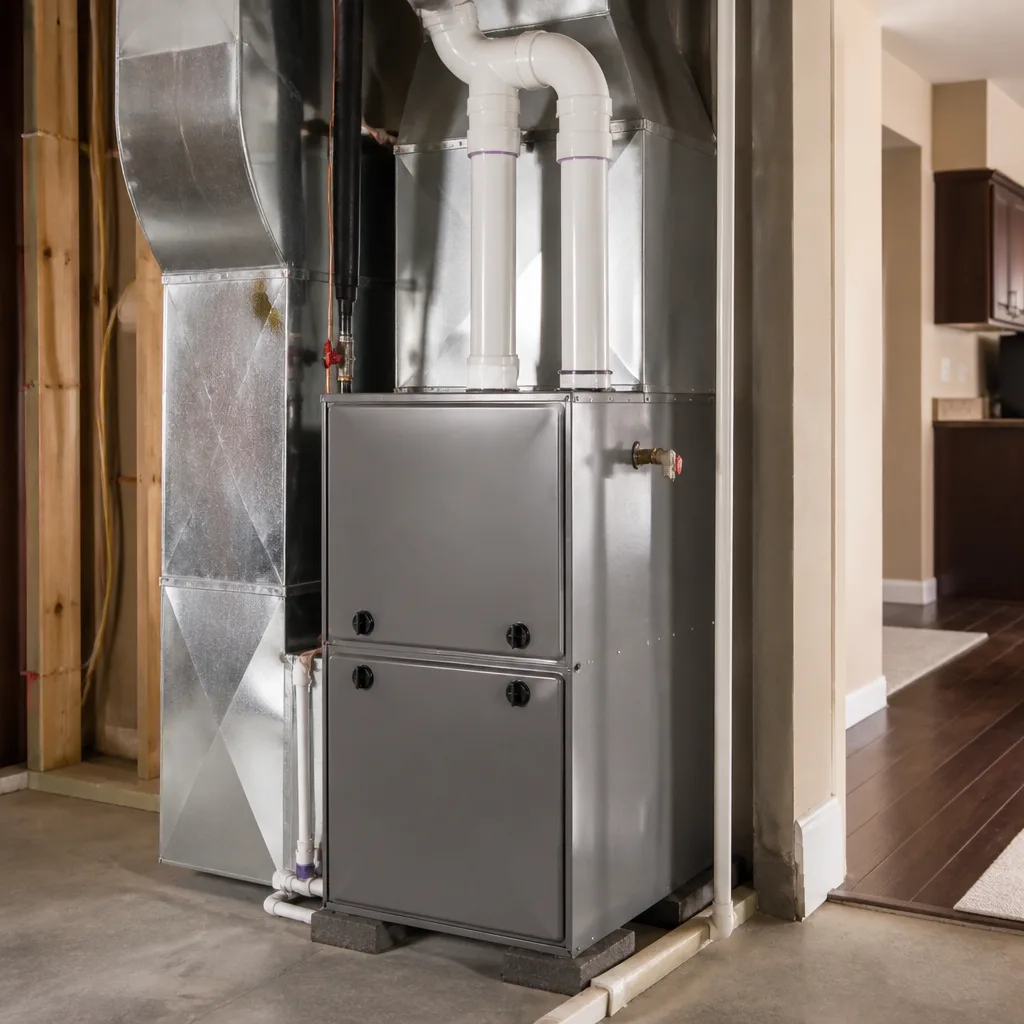
 Furnace & heating
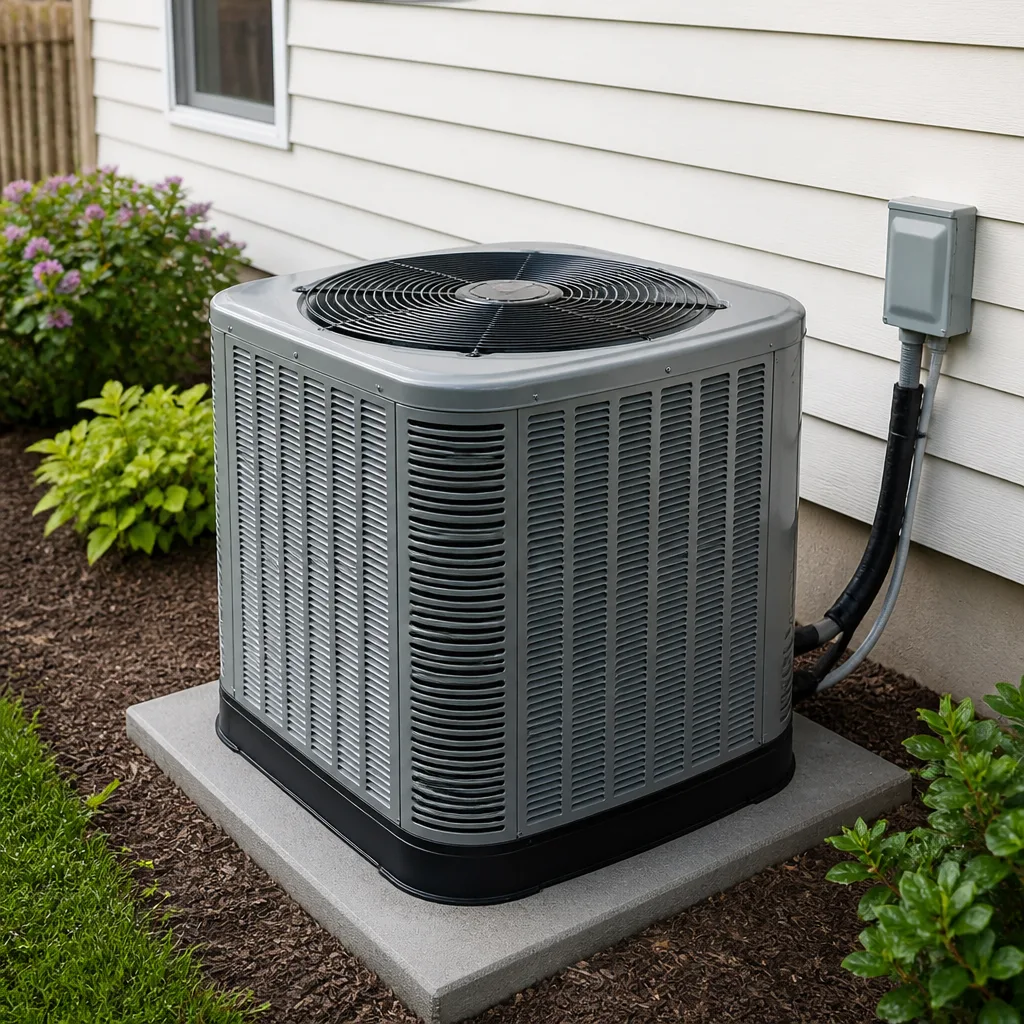 AC repair
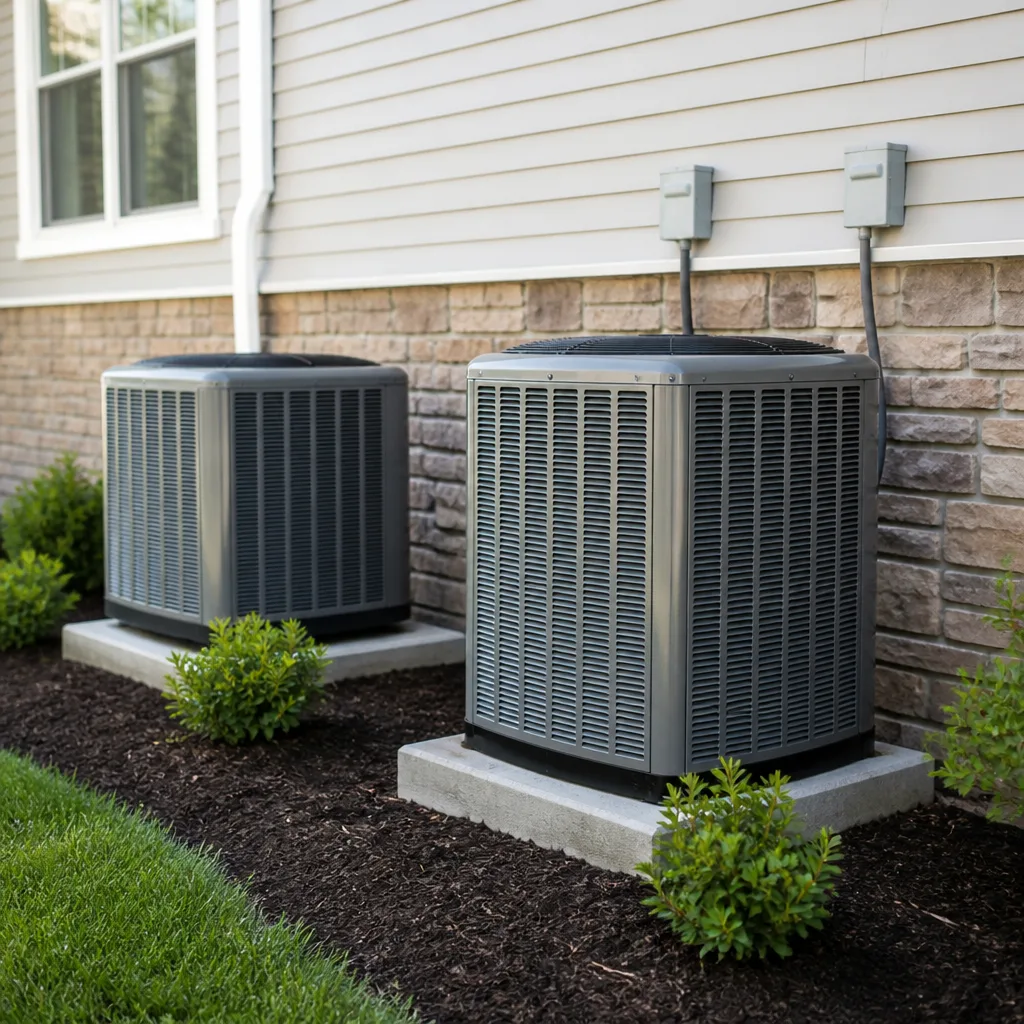 Heat pumps
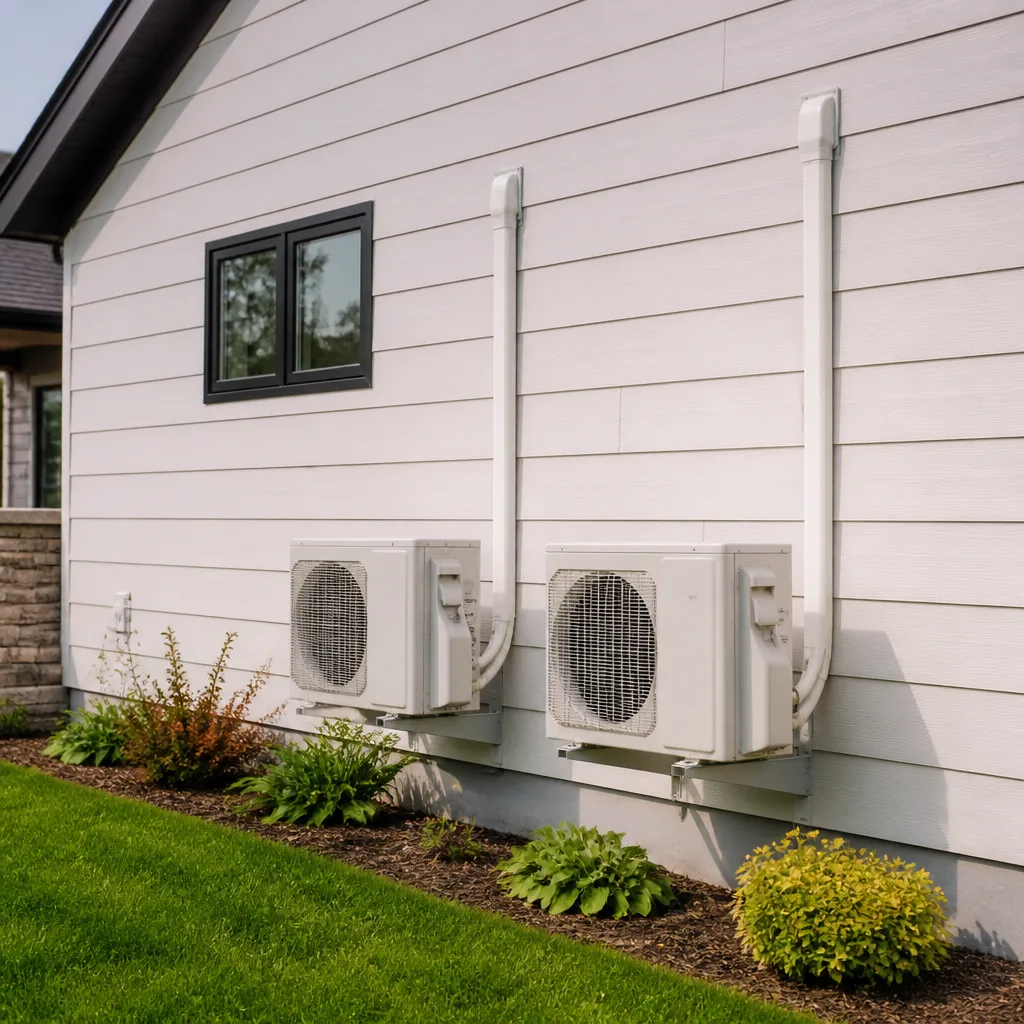 Ductless mini splits
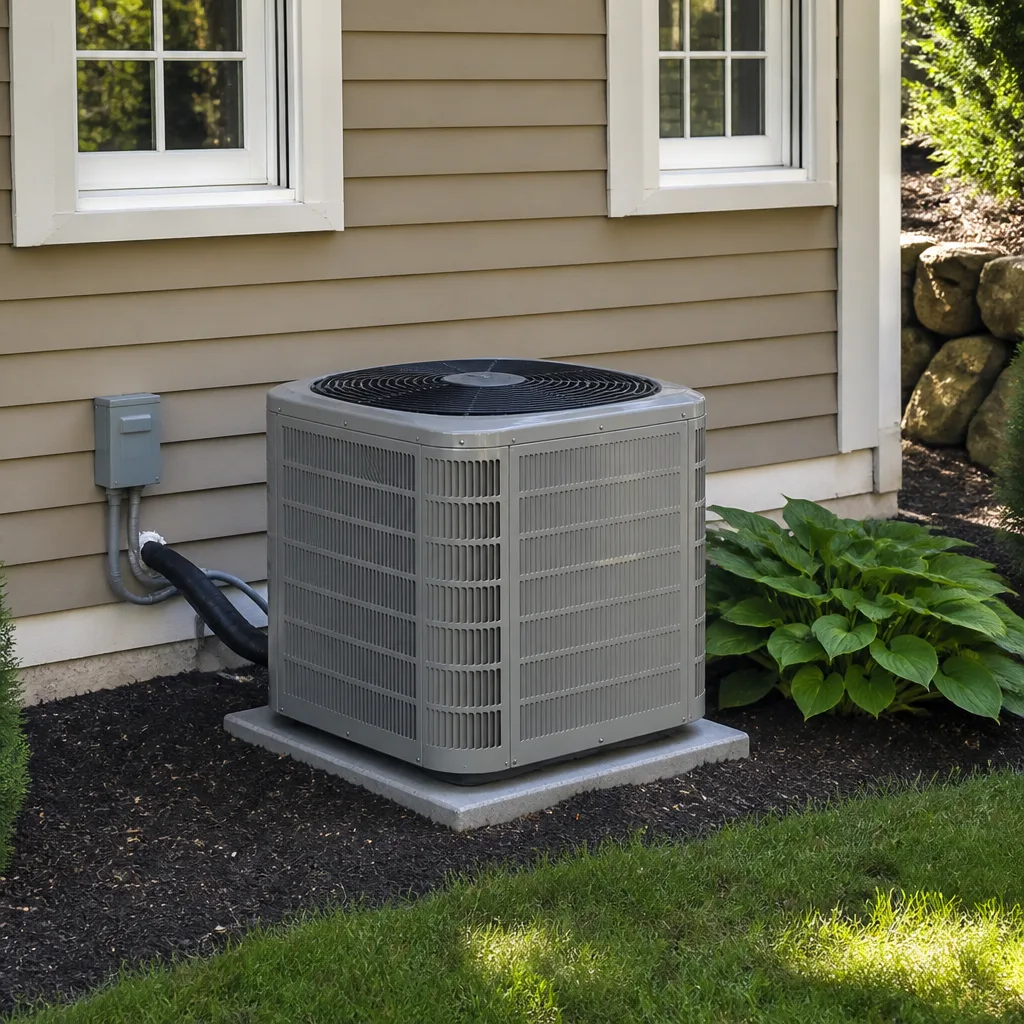 Carrier
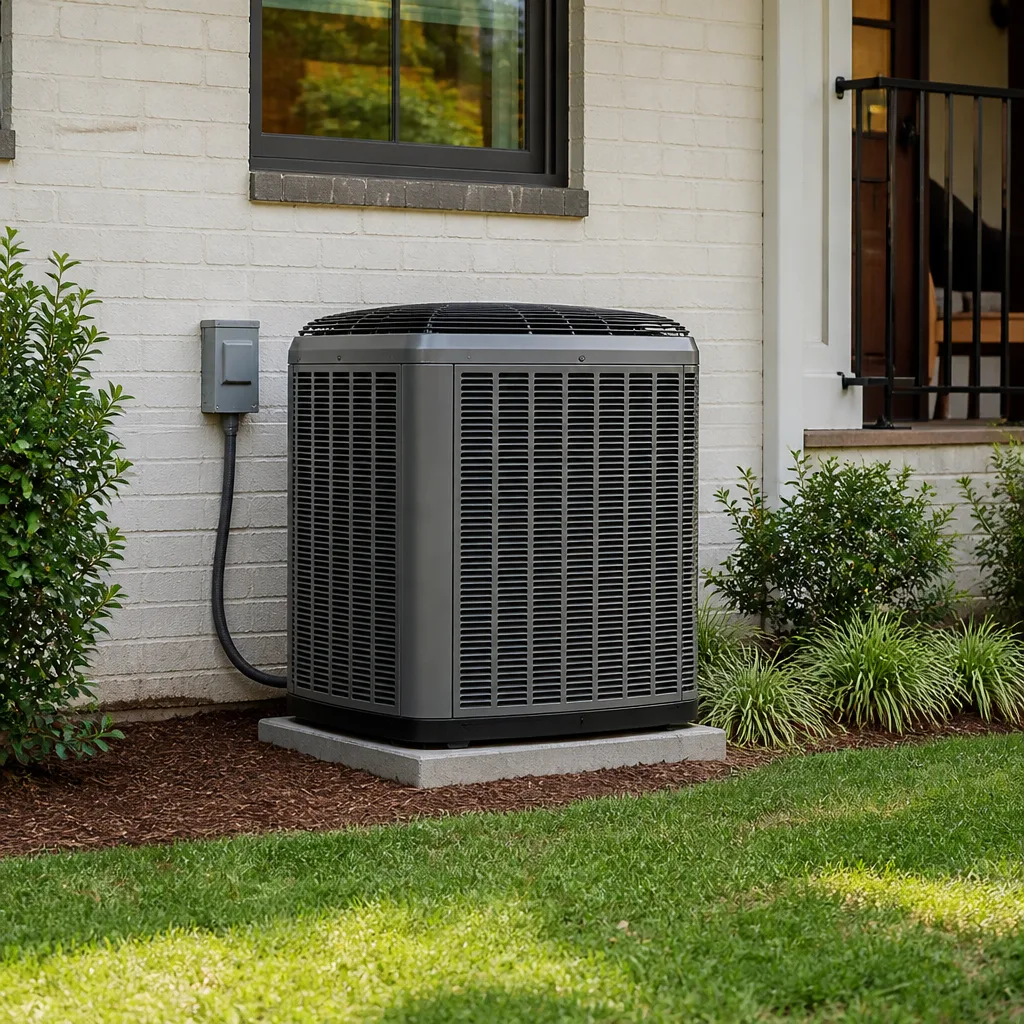 Trane
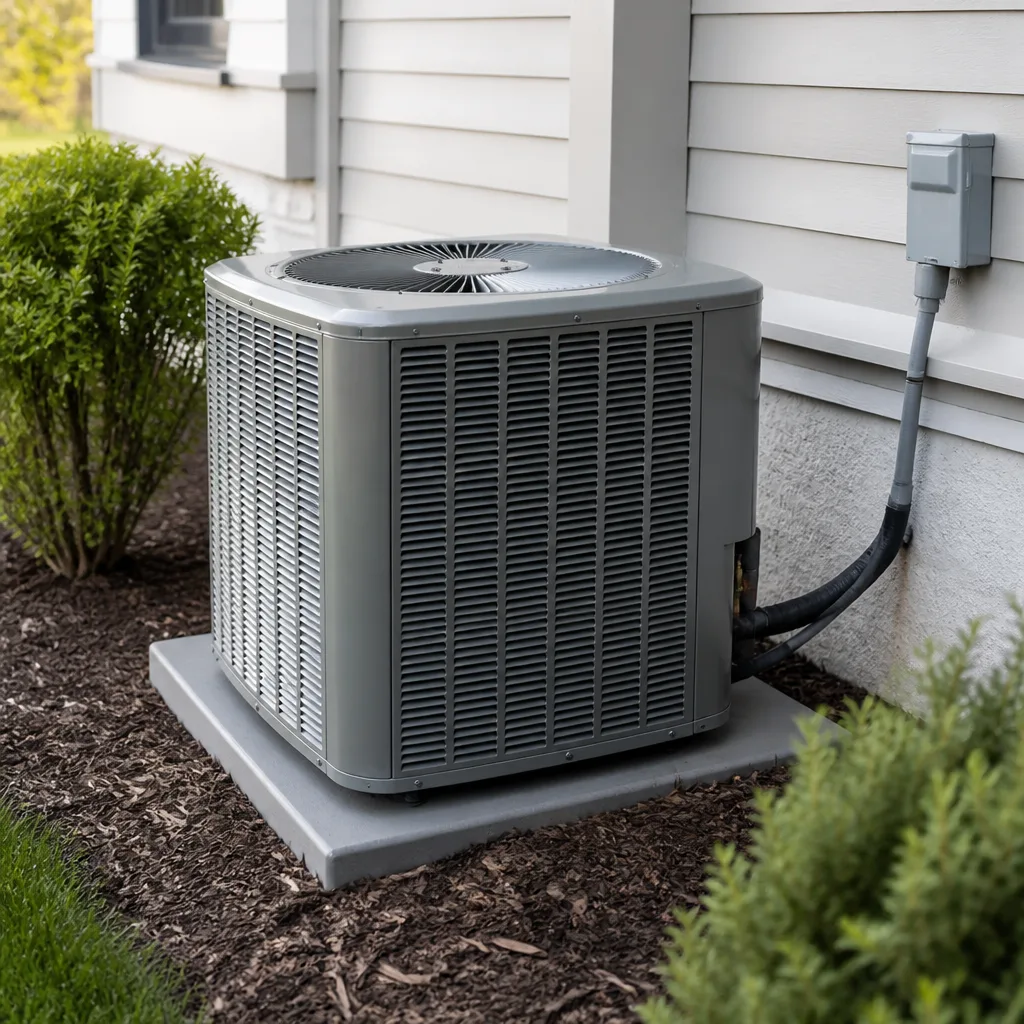 Goodman
Seasonal tune-up and full diagnostic on your Carrier, Trane, or Goodman system - readings shown to you before any repair is proposed
Diagnosis first, numbers second - you approve the repair price before a single part goes in.
Get your free estimateStyles & brands we work with
- AC repair
- Furnace & heating
- Heat pumps
- Ductless mini splits
- Carrier
- Trane
- Goodman
See the difference
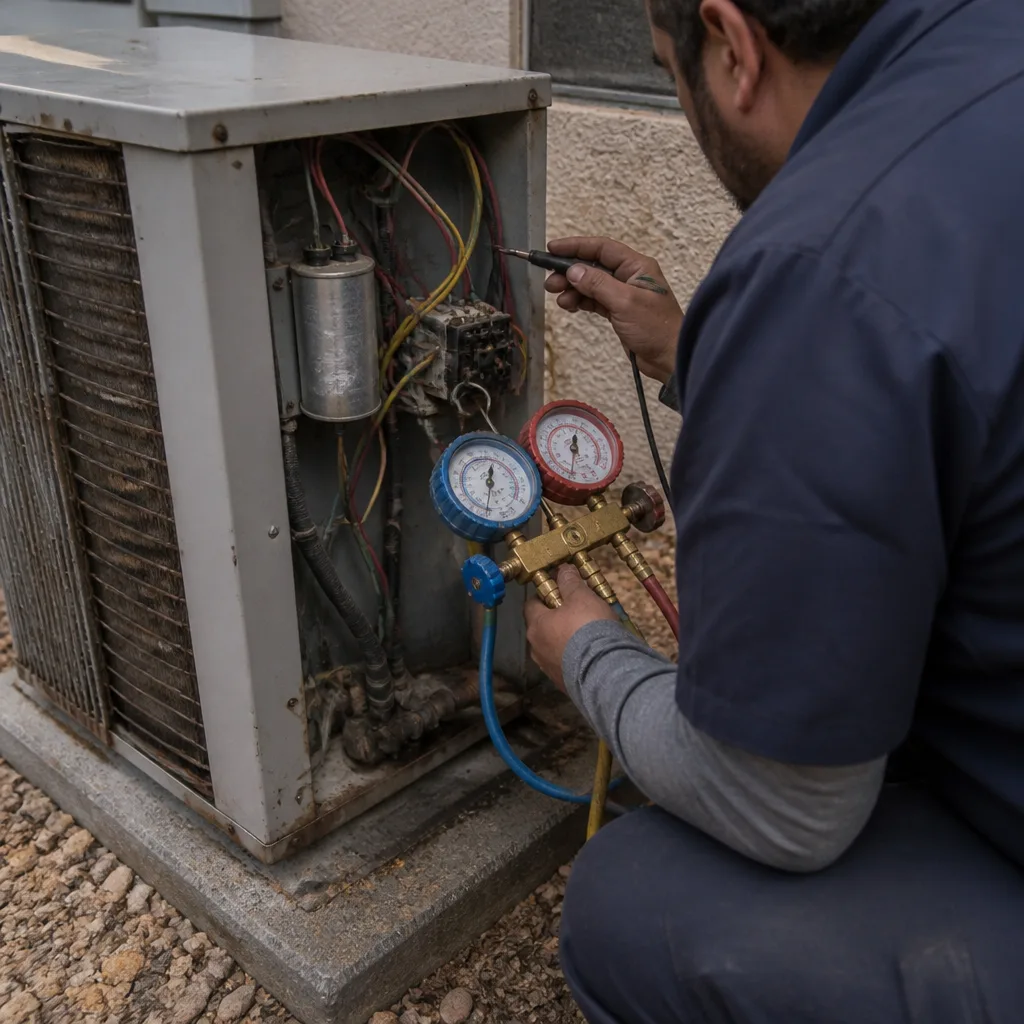 Before
 After
 Before
 After
 Before
 After
How Often to Replace an HVAC Air Filter in Spring Valley, NV
Replace your HVAC air filter every 30 days from June through September in Spring Valley, and every 45 to 60 days from October through May. The national “every 90 days” advice was calibrated for a mild four-season climate that doesn’t exist here. During the peak cooling months, your system runs almost nonstop, pulling desert air through the filter around the clock while monsoon dust and wind-blown grit are in the air. A MERV 11 filter in a Spring Valley home in July will look as loaded in 30 days as a 90-day filter in a Minneapolis house. If you want a technician to check what you have installed and set a real replacement schedule, call (888) 268-6106.
Key Takeaways
- June through September: change every 30 days. Runtime plus dust from the summer monsoon season loads filters fast.
- October through May: change every 45 to 60 days. Go to 30 days if you have pets, allergy sufferers, or nearby construction.
- A clogged filter is the leading cause of avoidable cooling calls in Spring Valley, not a rare one.
- MERV 8 to 11 is the right range for most tract-home systems here. A MERV 13 can rob airflow you can’t spare.
- 1-inch flat filters load faster than 4-inch media filters and need more frequent changes.
Why the 90-Day Rule Falls Apart in Spring Valley
Spring Valley is valley-floor desert, and that changes the math on filtration. Little shade, very low humidity, and July thermometers that push past 108°F mean your AC runs near-continuously from June through September. Every one of those hours is air moving through a filter. When the summer monsoon rolls dust and grit through the valley, your filter catches that too.
The housing stock makes it worse. Most of Spring Valley is 1980s through mid-2000s stucco-and-tile tract subdivisions, with one or two packaged or split systems per house. Many original units are now past 20 years old, and older blowers move less air than they did new. A dirty filter on a tired system stacks one restriction on top of another. Replacements, like a Carrier or Trane air handler, breathe easier with a clean filter, and so does an aging one.
One thing worth knowing: Spring Valley is unincorporated Clark County, not its own city. Permits and HOA rules vary lot to lot rather than following one municipal code. It doesn’t change your filter schedule, but it does mean “the county requires it” or “the HOA requires it” answers are worth checking rather than assuming.
What a Clogged Filter Actually Does to Your System
A restricted filter cuts airflow. Cut airflow long enough and the evaporator coil, the cold indoor coil your system cools air with, drops below 32°F and freezes into a block of ice. Once that coil ices over, every bit of airflow stops. On a 108°F Spring Valley afternoon, that shows up as “the AC isn’t cooling,” and the homeowner calls us expecting a dead compressor. Half the time, the compressor is fine and the filter is the problem.
The furnace side gets its own wake-up call. In the first heating cycle of winter, a filter loaded through summer and fall can trigger the high-limit switch, a safety device that shuts the burner down when the system overheats. That’s a “furnace won’t stay on” call in November that traces back to a filter nobody changed.
Here’s where the trade-off hides. A MERV 13 filter captures finer particles than an MERV 8 or 11, but it also adds resistance. In a two-story Spring Valley tract home with long second-floor duct runs already fighting pressure loss, a restrictive filter pushes the “upstairs never cools” complaint from annoying to chronic. For most tract systems here, MERV 8 to 11 is the sensible range. If you have allergies, ask about filtration upgrades that don’t choke the system. Our page on Air Quality & Ventilation in Spring Valley covers how to pair better filtration with the airflow your house can actually handle.
Your Spring Valley Filter Schedule, by Season
| Season | Change interval | Why |
|---|---|---|
| June - September | Every 30 days | Peak runtime plus monsoon dust |
| October - May | Every 45-60 days | Milder weather, reduced runtime |
| Any season, pets or allergies in the home | Every 30 days | Higher particulate load |
| Nearby construction or recent remodel | Every 30 days, check monthly | Drywall and framing dust |
Flat versus media matters here too. Most Spring Valley tract homes use standard 1-inch filter grilles, and those thin flat filters load quickly and need changing more often. If your return-air cabinet has room, a 4-inch media filter cabinet upgrade holds more surface area, catches more, and cuts your change frequency. It’s worth asking about.
How to Check and Change Your Filter
If you’re not sure what you have installed, our technicians check and report filter condition as a standard step on every service call. It’s not an upsell. Homeowners leave knowing exactly what’s in the cabinet and when it needs replacing. Here’s how to check it yourself in the meantime:
- Find the filter location. It’s usually at a return-air grille inside the house, or inside the air handler cabinet in the attic or garage.
- Pull the filter and hold it up to a light. If you can’t see light through it, it’s done, regardless of what the calendar says.
- Note the size printed on the frame (for example, 20x25x1) so you buy the right one.
- Match the airflow arrow to the direction of air moving toward the blower. Point it the wrong way and you’ve just added resistance.
- Seal it back in snug. Gaps around the frame let dust bypass the filter and collect on the coil.
- Write the install date on the frame edge. Set a calendar reminder for 30 days during summer.
One safety note: if you find ice on the coil or refrigerant lines, don’t just swap the filter and wait. Ice means the system is starving for airflow or low on charge, and refrigerant work is not a homeowner job. Shut the system down and get a technician out. Our AC repair in Spring Valley runs $150-$650 depending on the part, and it’s the kind of service call Dalton Heating & Air Spring Valley handles all summer, especially on aging Bryant and American Standard systems.
When Filter Neglect Turns Into a Service Call
Most of the “no cooling” calls we run in July could have been prevented with a $15 filter and 30 seconds. A tune-up before summer, in the $80-$200 range, includes a filter check and coil inspection, which catches the problem before the coil freezes.
If your system is already showing symptoms, these are the calls we see in Spring Valley every summer:
- No cooling on a 108°F afternoon (frozen evaporator coil, usually a clogged filter or low refrigerant)
- Upstairs rooms that never cool (restrictive filter on a long second-floor duct run)
- Furnace won’t stay on (high-limit switch trip from a dirty filter at the first winter cycle)
- Condensate drain overflowing (frozen coil thawing all at once, common in the desert heat)
Every Dalton repair includes a written price before any work starts, a written guarantee for a full year, and a free return visit if the repair fails in that window. Our technicians have up to 23 years of experience and are factory-trained on Carrier, Trane, and American Standard, among others. If you’d rather have it looked at, Dalton Heating & Air Spring Valley offers a no-pressure assessment in Spring Valley.
FAQs
Every 30 days from June through September and every 45 to 60 days the rest of the year. The peak-summer interval matters most because runtime and monsoon dust load the filter far faster than the national 90-day guideline assumes. Call (888) 268-6106 for a filter check on your next service call.
MERV 8 to 11 is right for most Spring Valley tract-home systems. A MERV 13 catches finer particles but adds resistance, and in a two-story home with long second-floor duct runs, that extra restriction can push the “upstairs doesn’t cool” problem from a nuisance to a recurring call. If you want better filtration without choking airflow, ask us about a media cabinet instead.
Yes. A clogged filter restricts airflow, the evaporator coil drops below freezing, and ice blocks all air movement. On a 108°F day that feels like a total failure, but it’s often a filter and airflow problem rather than a dead compressor. Call (888) 268-6106 before you burn out the compressor running it frozen.
Usually, yes, if the return-air cabinet has room for one. A 4-inch media filter holds more surface area, loads more slowly, and cuts your change frequency, though you still check it monthly in summer. We’ll tell you what your cabinet can take before you buy anything.
If you’d rather have it looked at, Dalton Heating & Air Spring Valley offers a no-pressure assessment in Spring Valley. Call (888) 268-6106 for a free estimate, and we’ll confirm what filter you have installed, how often it needs changing, and whether an upgrade makes sense for your system.
Written by the team at Dalton Heating & Air Spring Valley, serving Spring Valley, NV.