
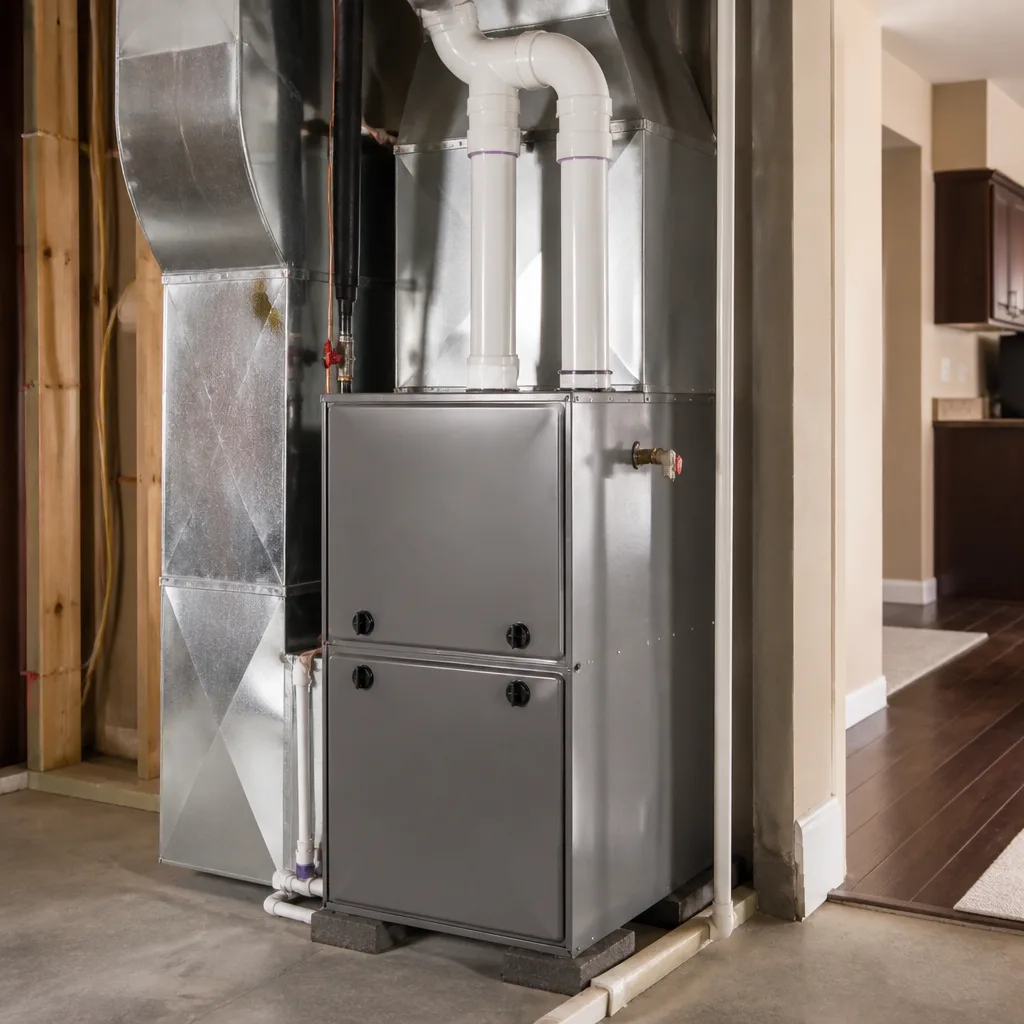
 Furnace & heating
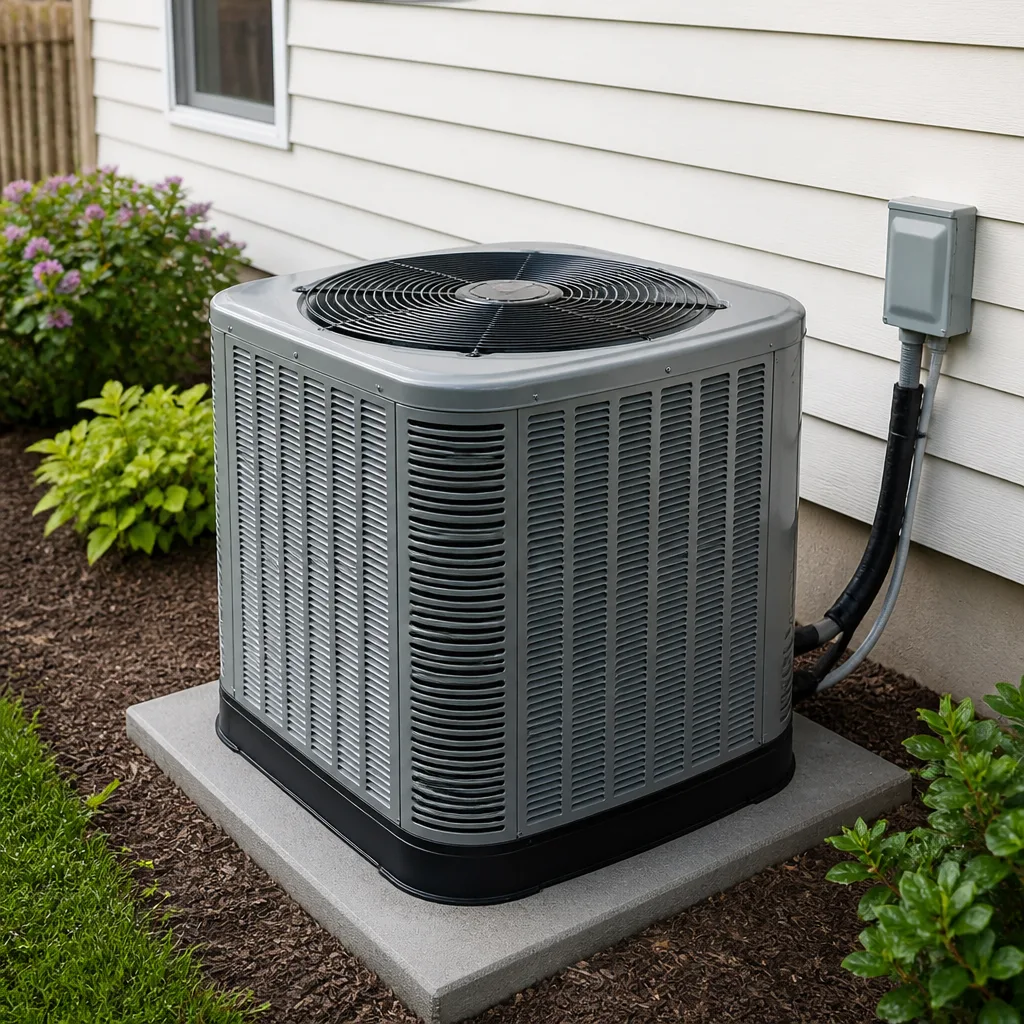 AC repair
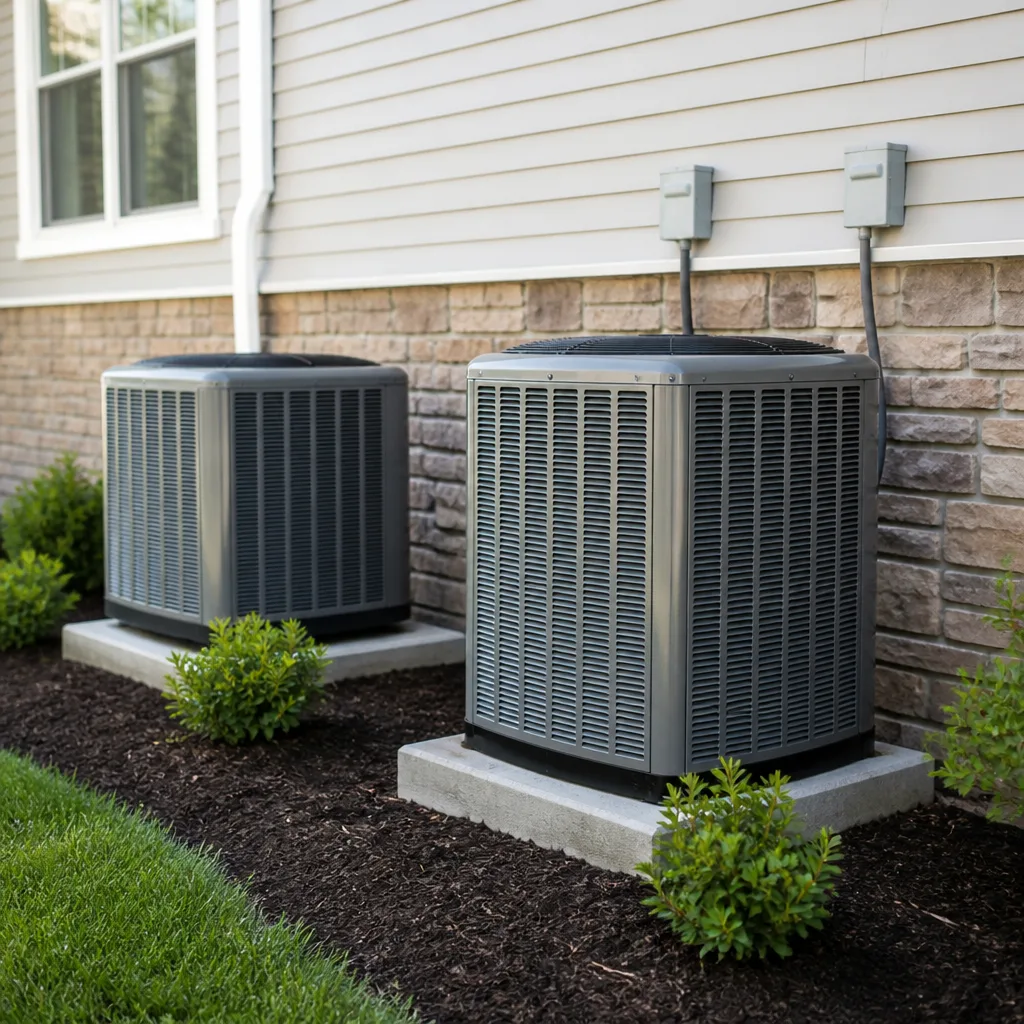 Heat pumps
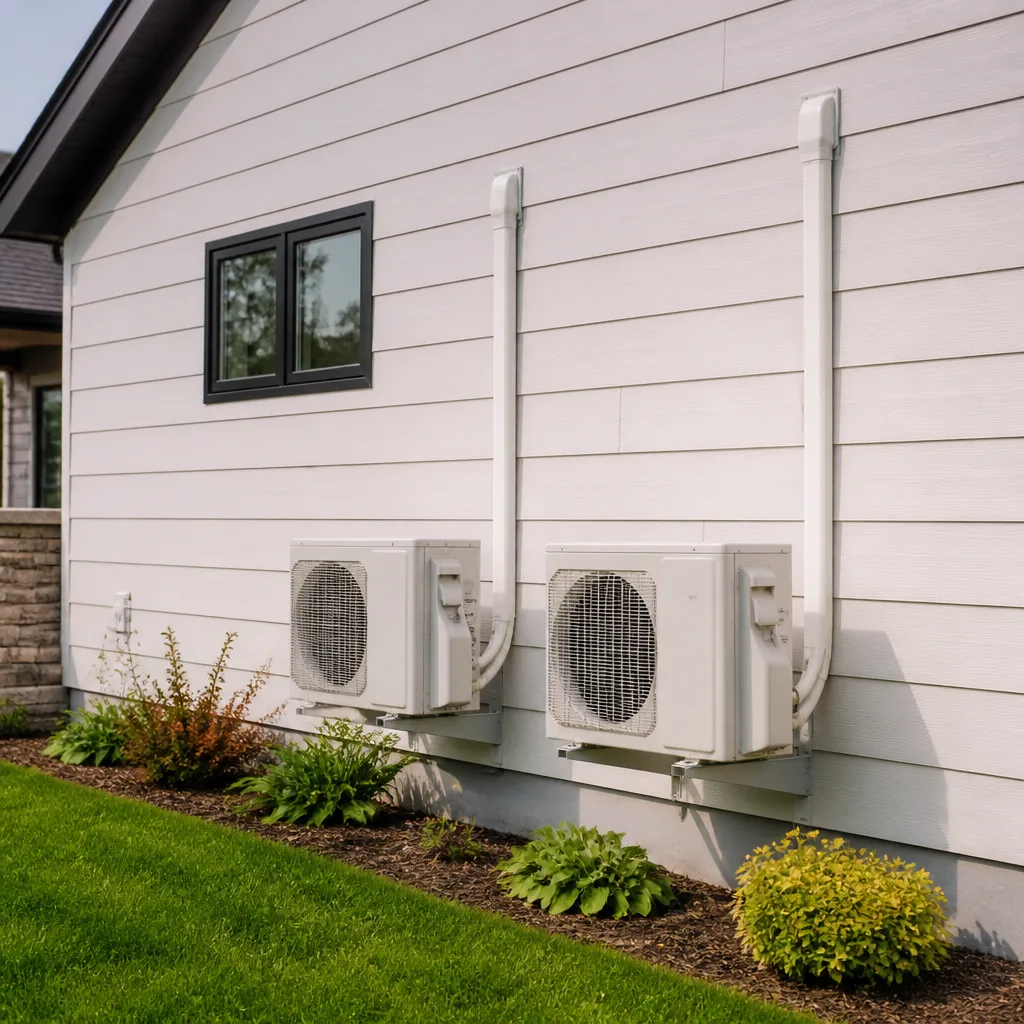 Ductless mini splits
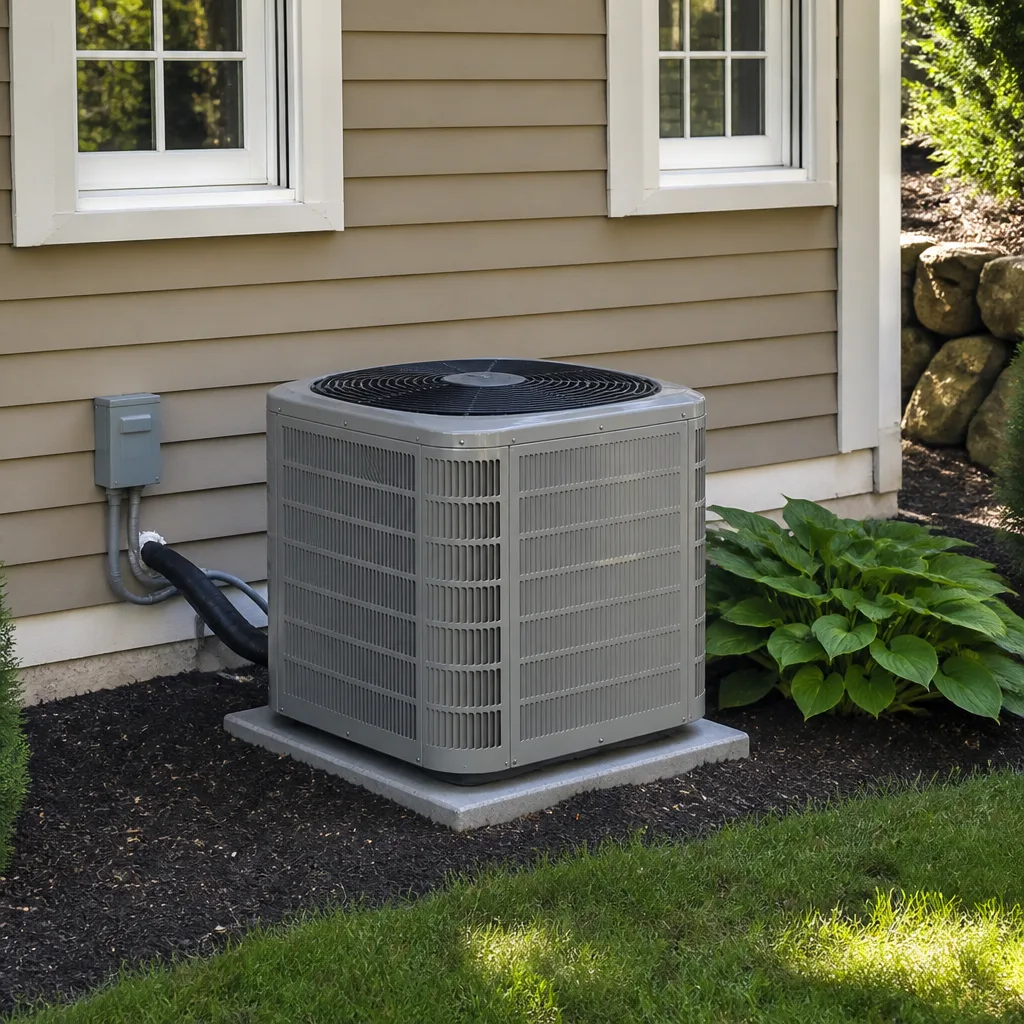 Carrier
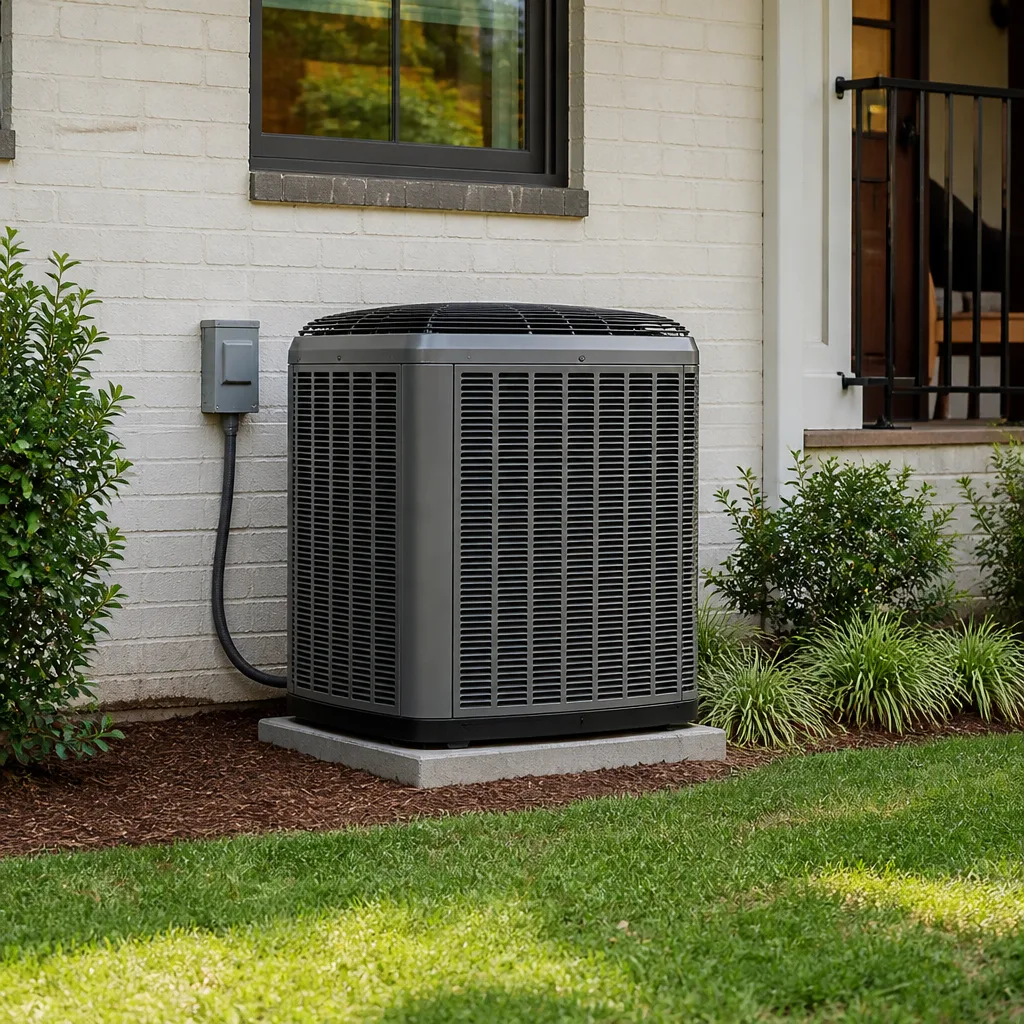 Trane
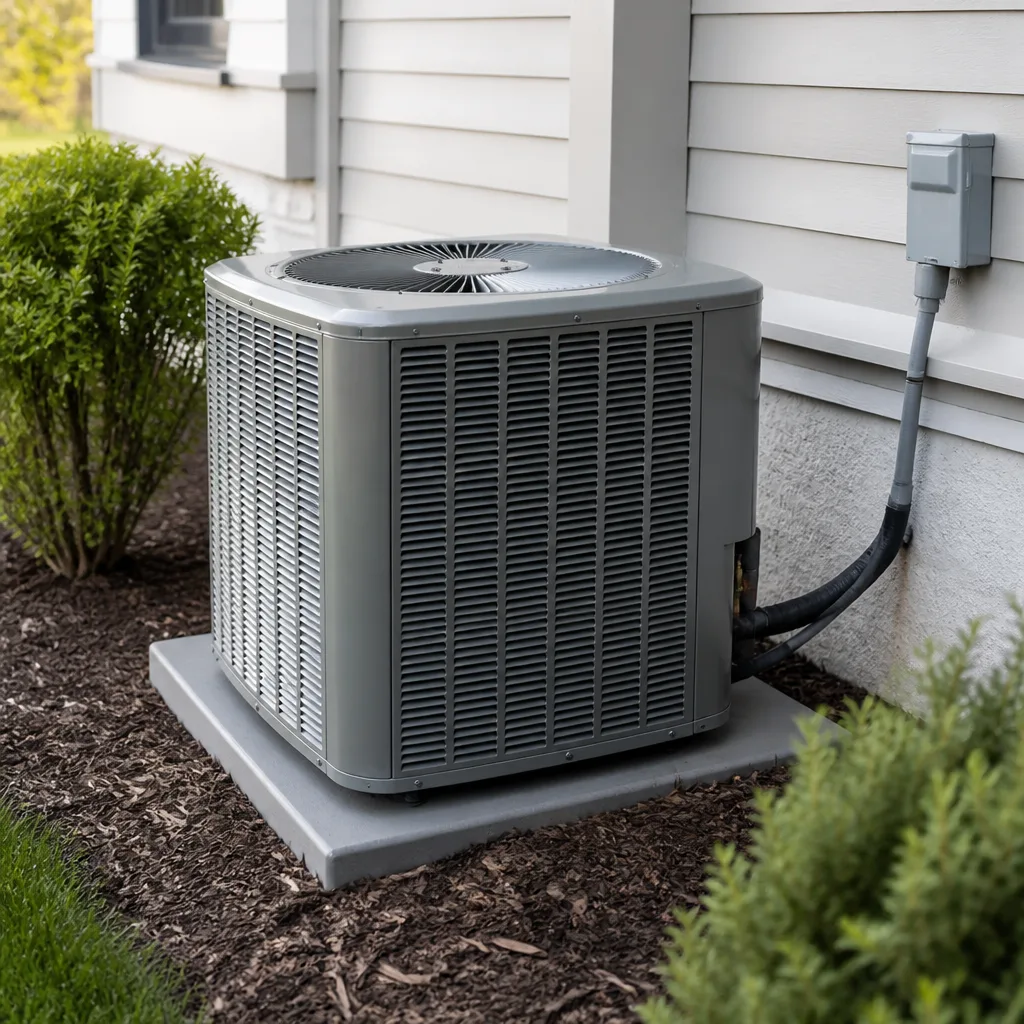 Goodman
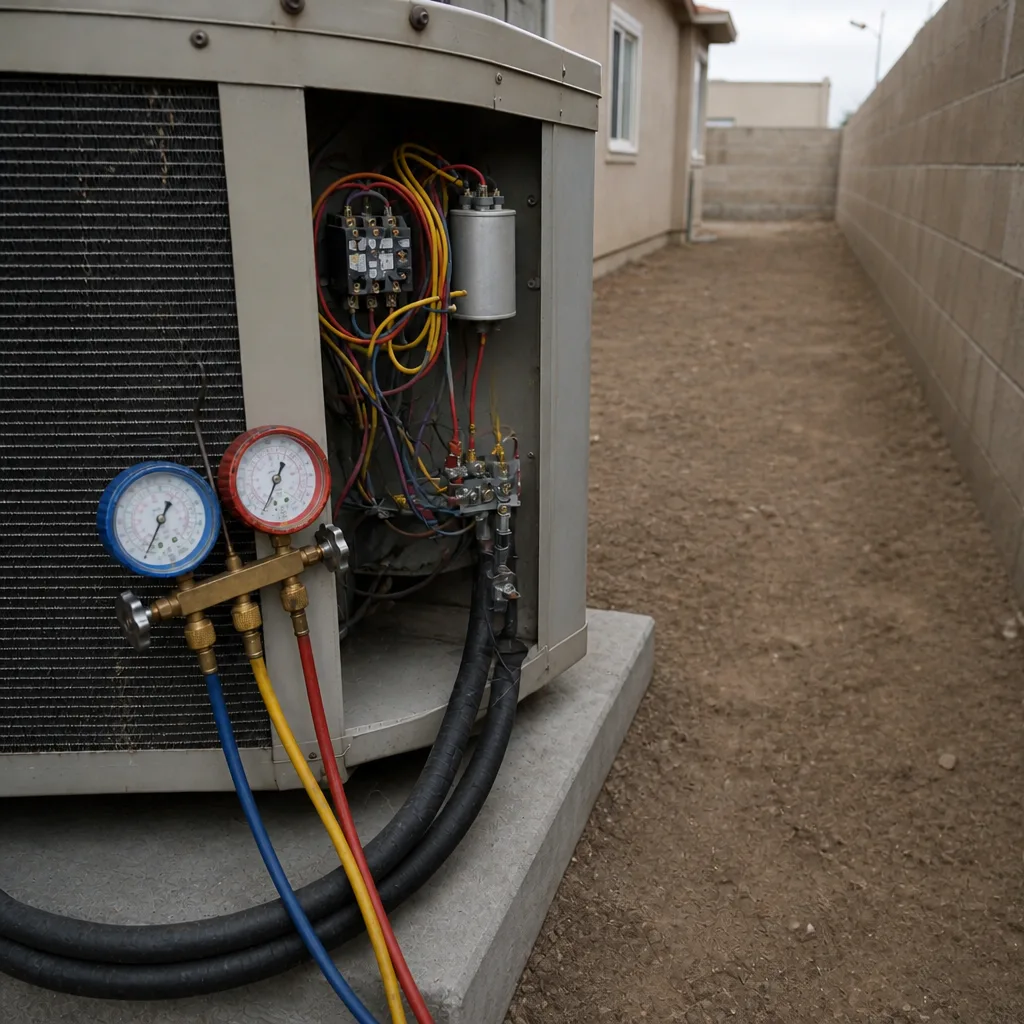
Seasonal tune-up and full diagnostic on your Carrier, Trane, or Goodman system - readings shown to you before any repair is proposed
Diagnosis first, numbers second - you approve the repair price before a single part goes in.
Get your free estimateStyles & brands we work with
- AC repair
- Furnace & heating
- Heat pumps
- Ductless mini splits
- Carrier
- Trane
- Goodman
See the difference
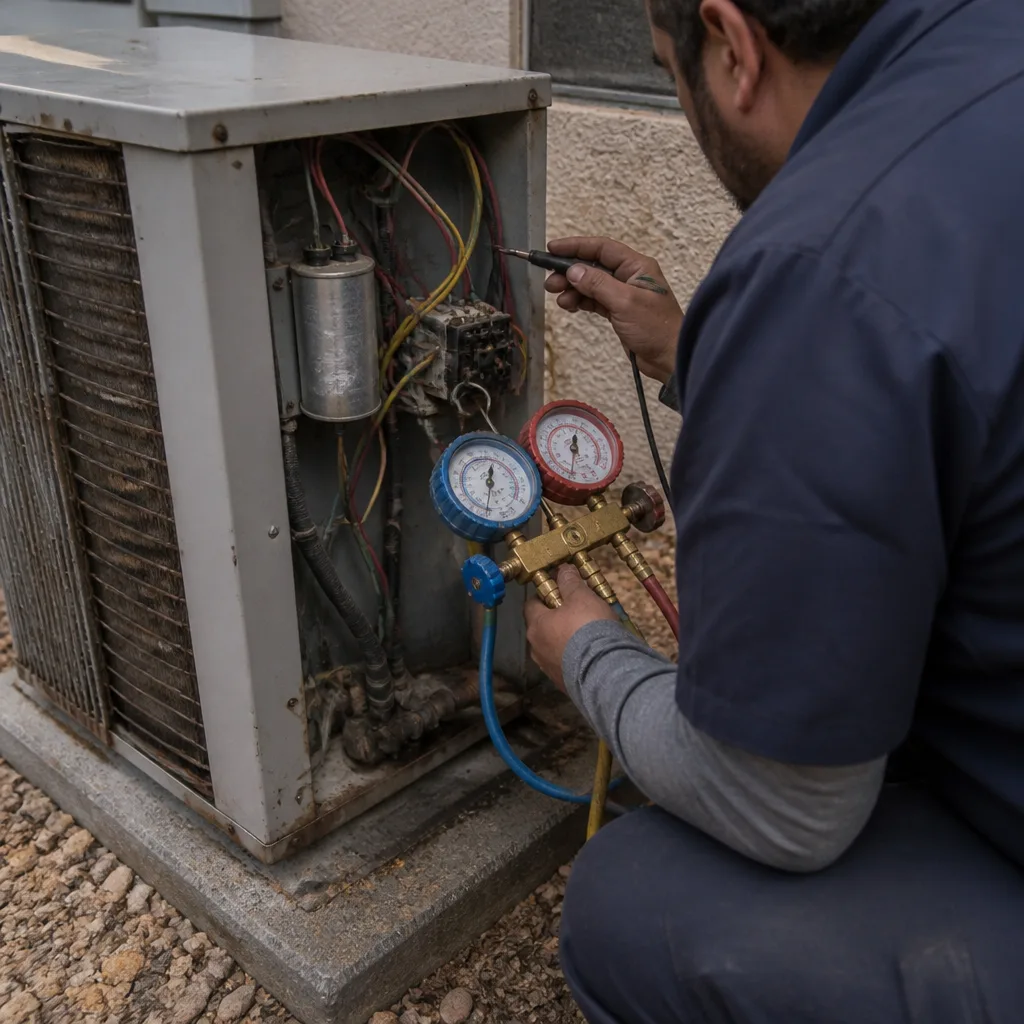 Before
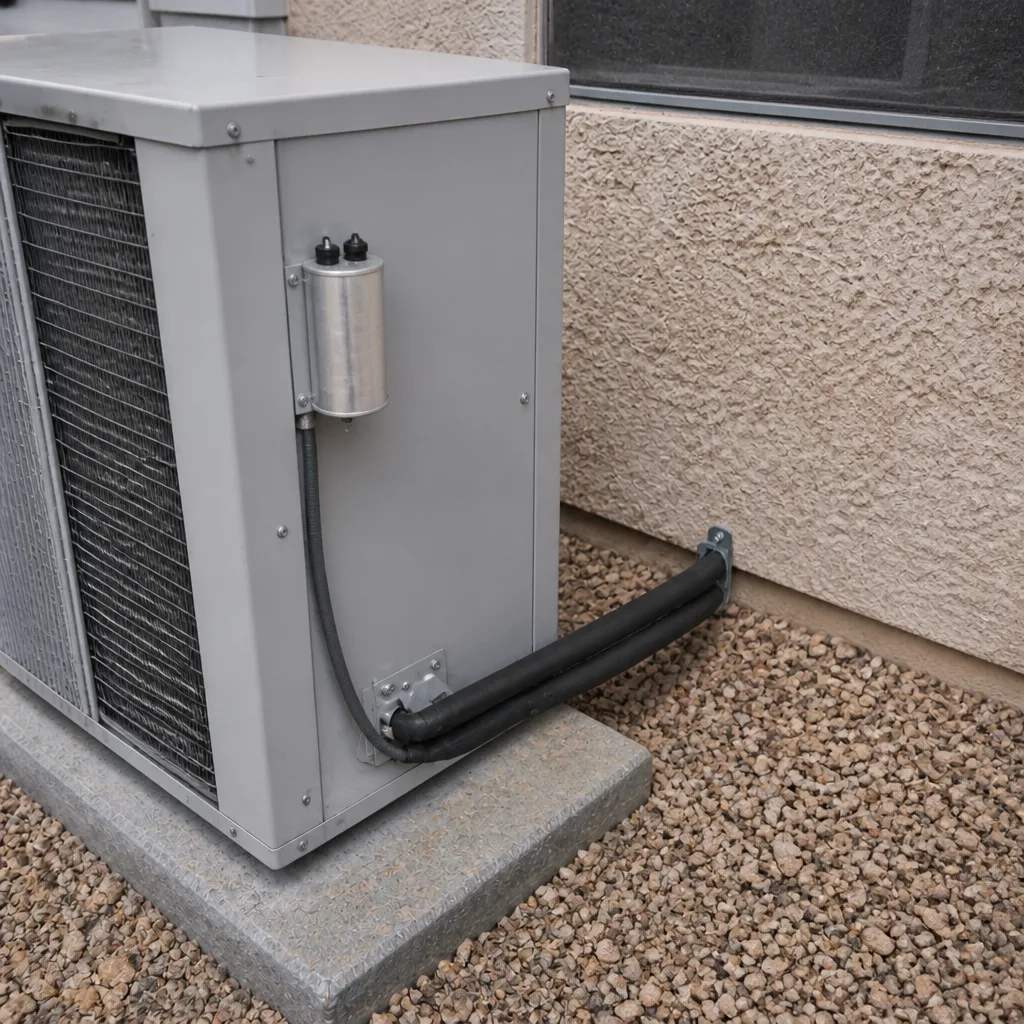 After
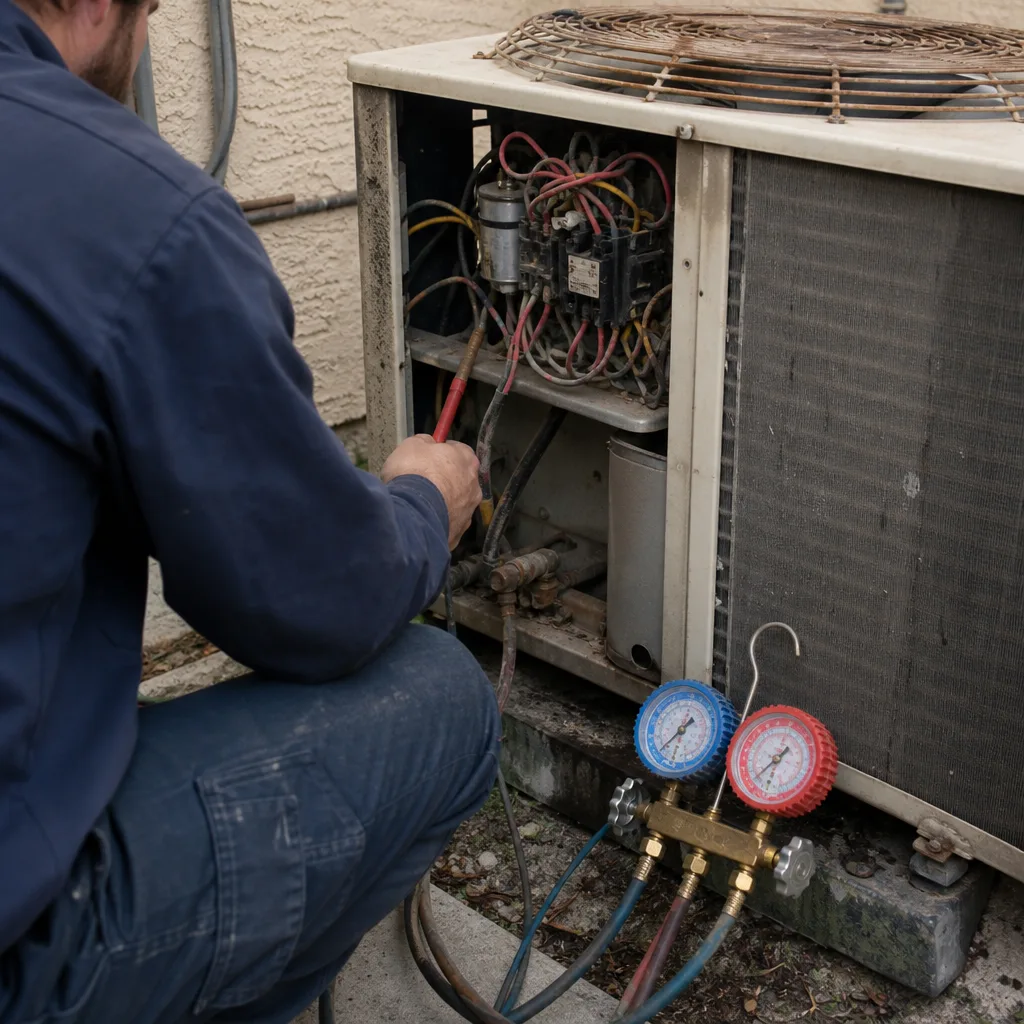 Before
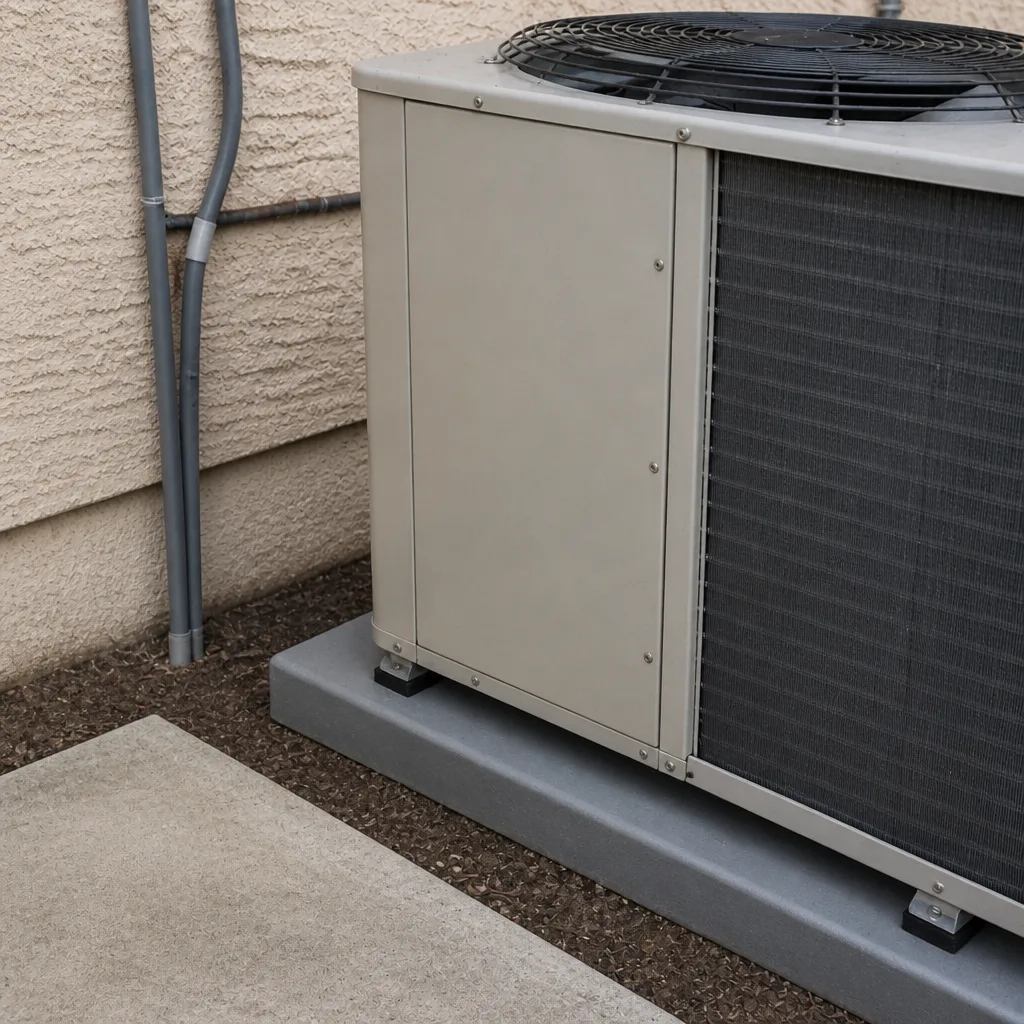 After
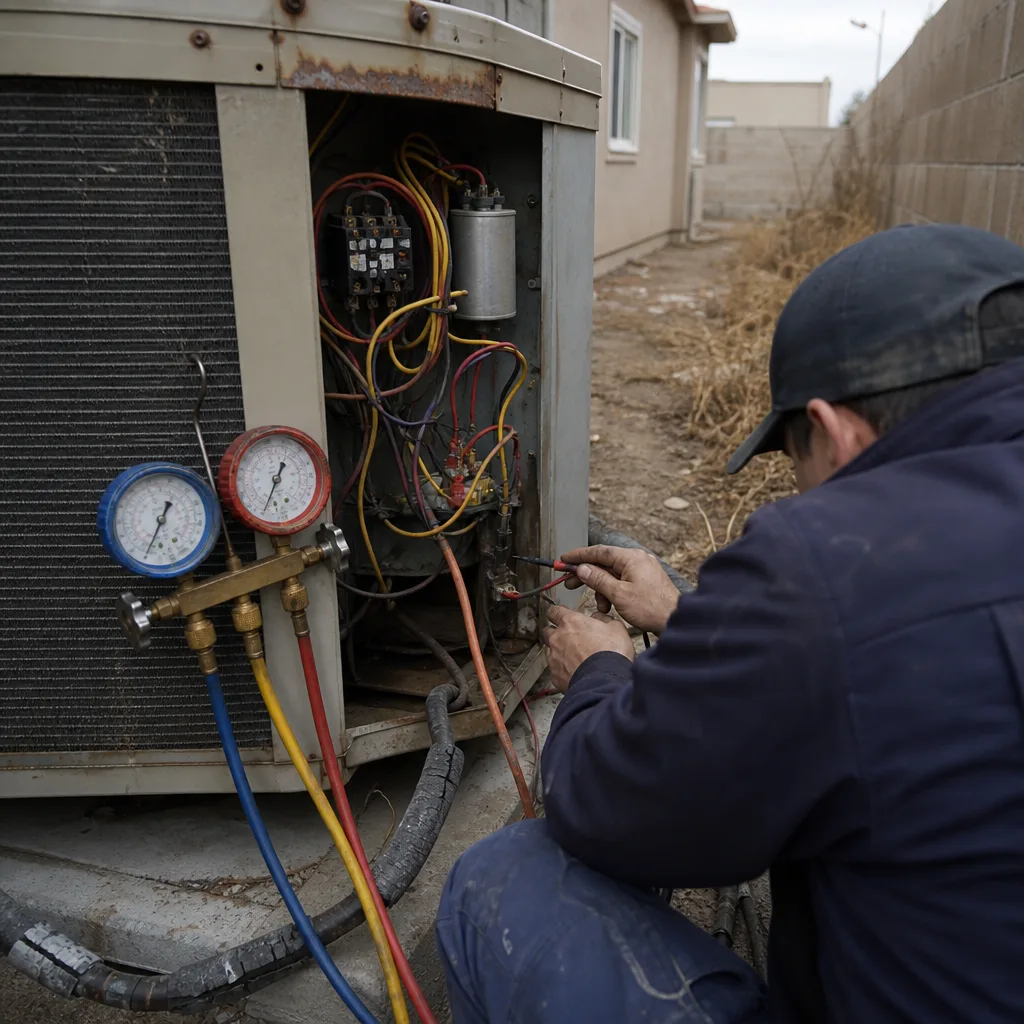 Before
 After
How Long Does a Furnace Last in Spring Valley, NV?
The short answer: a gas furnace is built to last 15-20 years of normal use, and most Spring Valley furnaces land in that window. But that national number assumes a cold-winter schedule where the burner runs thousands of hours a season. Spring Valley is a different test. A furnace here might run 400 hours in a mild winter, yet it spends the other nine months in a garage or attic that swings from 150°F in July to the mid-40s in December. Those thermal cycles crack heat exchangers and oxidize control boards in ways burner-hours never explain, so the calendar age on the data plate tells you less than the environment around it. Call (888) 268-6106 if you want a straight read on yours.
Why a Spring Valley Furnace Ages Differently
Here’s the part most lifespan charts miss. A 15-year-old furnace in Spring Valley may have logged fewer actual heating hours than a 10-year-old unit in Chicago. That doesn’t make it healthier. Heat exchangers fail from thermal fatigue, not from how many times the burner lit. Every summer, the metal in a garage-mounted unit expands through a 100°F-plus swing during the day and contracts back overnight. Do that a few thousand times and stress cracks start at the bends.
Spring Valley is unincorporated Clark County, and the housing tells the story of it. Most of the stock is 1980s through mid-2000s stucco tract homes with tile roofs and concrete-tile floors, usually one or two split systems per house. Plenty of those original furnaces and air handlers are now past 20 years old. Many were tucked into garages or attics where the stucco bakes all day, so the equipment lives in an oven eight months out of the year.
The duct and dust side matters too. Wind-driven grit from summer monsoon cells loads the filter and the blower wheel, and the low desert humidity still swings enough through the shoulder seasons to oxidize electrical connections. None of that shows up in a burner-hours count.
What Actually Fails First in This Climate
- Cracked heat exchangers. This is the number-one reason to replace rather than repair. Thermal fatigue, not runtime, drives it in a garage or attic install.
- Failed hot surface igniters. Typically a 7-10 year part under normal conditions; the extreme temperature swings here can shorten that.
- Corroded or oxidized control boards. The humidity swing in a garage install works on circuit boards and connectors over the years.
- Limit-switch trips. If your furnace cuts out and restarts on its own, an overheating limit switch is often behind it.
We’re factory-trained across nine major residential brands, including Trane, Lennox, and Rheem, so a technician can tell you what a specific model tends to do in this climate rather than reciting a generic failure list.
The Warning Signs That Matter More Than Age
Stop asking how old it is for a second. A furnace that’s 12 years old and healthy can run for years more. A 19-year-old unit showing the right warning signs is done, no matter what the plate says. Watch for these:
- Frequent limit-switch trips. The furnace runs, overheats, and shuts down before the house is warm.
- Visible rust or scale on the burners or heat exchanger.
- A yellow or flickering burner flame. A healthy flame is steady and blue. Yellow or dancing usually points to a heat-exchanger issue.
- Rising gas bills for the same thermostat settings. That’s lost efficiency, not the utility company.
If you’re seeing more than one of these, the question shifts from “how long does it last” to “is it worth putting money into.” Most furnace repairs run $150-$700 depending on the part, and a tune-up runs $80-$200. When a repair approaches the high end on a 20-year-old unit with a cracked exchanger, we’ll tell you plainly that the money is better spent on a replacement.
The Carbon Monoxide Point, No Sugarcoating
A cracked heat exchanger on a garage- or attic-mounted furnace can let combustion gases into the living space. In a newer stucco tract home with tight modern insulation and closed windows, that’s a serious risk because there’s less fresh air moving through the house. This is exactly why a 20-year-old furnace in this environment deserves a real annual inspection, not just a new filter. It’s also why we won’t hand you a vague “you should replace it.” During an inspection, the technician names the specific finding, like “the heat exchanger shows stress cracking at the secondary bend,” and shows you. If it’s a safety issue, you’ll know why.
Repair or Replace: Running the Numbers
The general rule of thumb holds: past about 15 years, a repair that costs a third or more of a new system’s price usually argues for replacement. Here’s how that lands in Spring Valley dollars, with the written-price approach we use on every job. You get the figure in writing before any work starts, so the number doesn’t move at the door.
| Item | Typical Spring Valley Range |
|---|---|
| Furnace repair | $150-$700 |
| Heating tune-up | $80-$200 |
| Heat pump / full system install | $3,500-$7,500 |
Every repair we do carries a written guarantee for a full year. If it fails in that window, we come back at no charge. That’s the 365-Day Done Right Promise, and it’s included, not an upgrade.
Common Local Scenarios We Walk Into
After enough calls in the same housing stock, the patterns get clear:
- “It heats, but the rooms never get warm.” Often a limit switch cutting out early, or a two-story home where the upstairs system is starved by a long duct run in a 150°F attic. The unit isn’t always the culprit.
- “It was fine last winter, now it won’t fire.” Frequently an igniter or a control board that finally gave out after a summer in the heat.
- “I just want it checked before I sell.” A 20-year-old garage unit with visible exchanger stress is worth knowing about before a buyer’s inspector finds it.
- “My gas bill jumped and nothing changed.” Usually lost efficiency or a failing component, not the weather.
On every call, you know who’s coming before they arrive: background-checked, uniformed technicians, and a live person answers the phone any hour of the day or night. If you want the fuller picture of how we handle the heating side, see our Heating & Furnace in Spring Valley page or start at our home page.
How a Furnace Inspection Works
If you want to know how much life is really left, here’s what a proper visit covers, step by step:
- We check the heat exchanger for cracks and stress, including at the bends, and show you what we find.
- We test the igniter, limit switch, and flame sensor for wear or failure.
- We inspect the burners for rust, scale, and flame color.
- We look at the control board and connections for oxidation and corrosion.
- We check the flue and venting for a tight seal, since a loose connection lets gases escape.
- We give you the finding in plain terms and a written price for anything that needs work, before we touch it.
FAQs
Yes, but it depends more on the installation location and maintenance than on the brand. A furnace in a conditioned space with annual tune-ups regularly reaches 20 years; one baking in a garage or attic often doesn’t, because the summer heat cycles wear the heat exchanger faster than runtime does.
Once a year, ideally in early fall before the first cold snap, and more often once it passes 15 years. The annual visit is how a small exchanger crack gets caught before it becomes a carbon monoxide problem in a tight, closed-up house.
Treat a yellow or flickering flame as a reason to have it checked right away and keep the unit off until then. A healthy flame is steady and blue; yellow usually signals a heat-exchanger or combustion issue, and it isn’t something to ride out through the winter.
Usually replace, once it’s past 20 years and facing a big repair like a heat exchanger or control board. A repair in the $150-$700 range is worth it on a younger unit; on an old one with a cracked exchanger, the money is better put toward a new system. Call (888) 268-6106 for a no-pressure look either way, with the price in writing first.
If you’d rather have it looked at than guess, Dalton Heating & Air Spring Valley offers a no-pressure furnace assessment across Spring Valley, and we’ll put the price in writing before any work starts. Call (888) 268-6106 for a free estimate. Our technicians have up to 23 years of experience, and every repair carries the 365-Day Done Right Promise.
Written by the team at Dalton Heating & Air Spring Valley, serving Spring Valley, NV.