
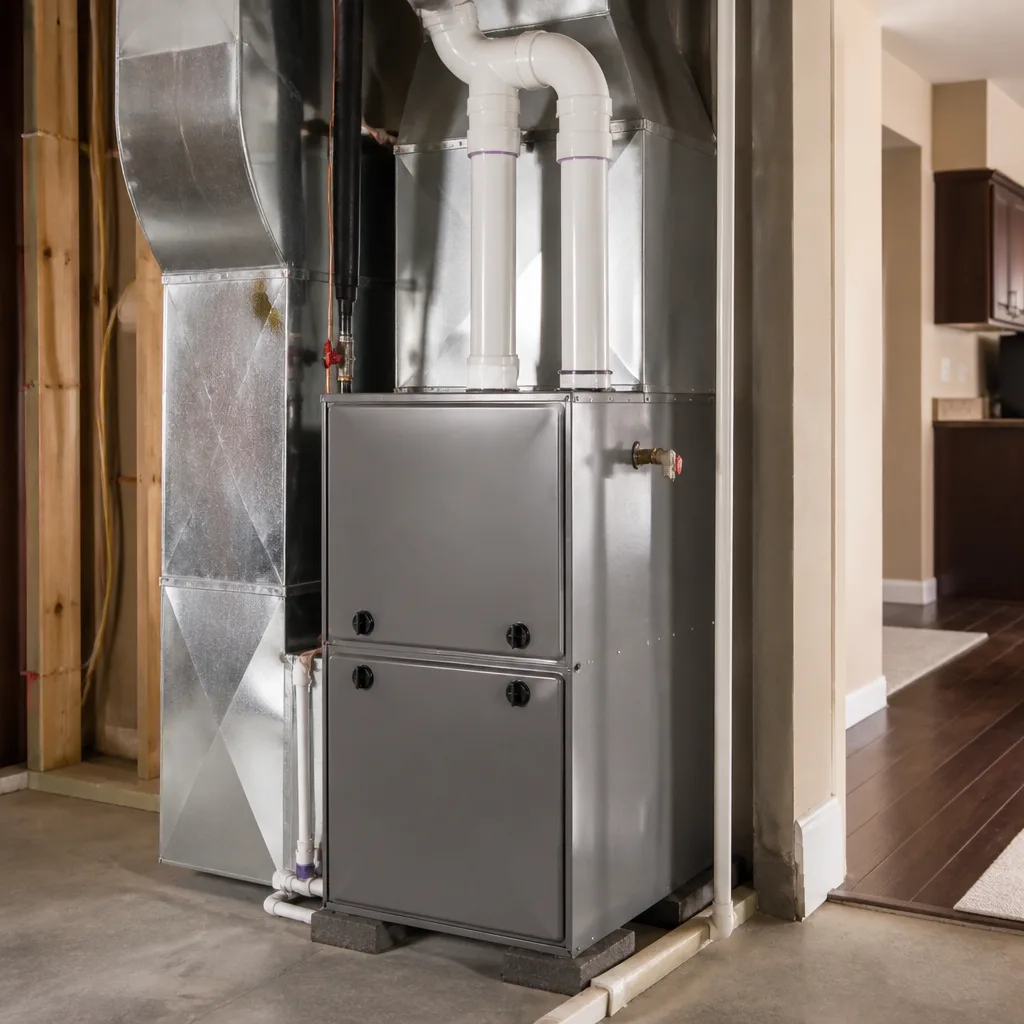
 Furnace & heating
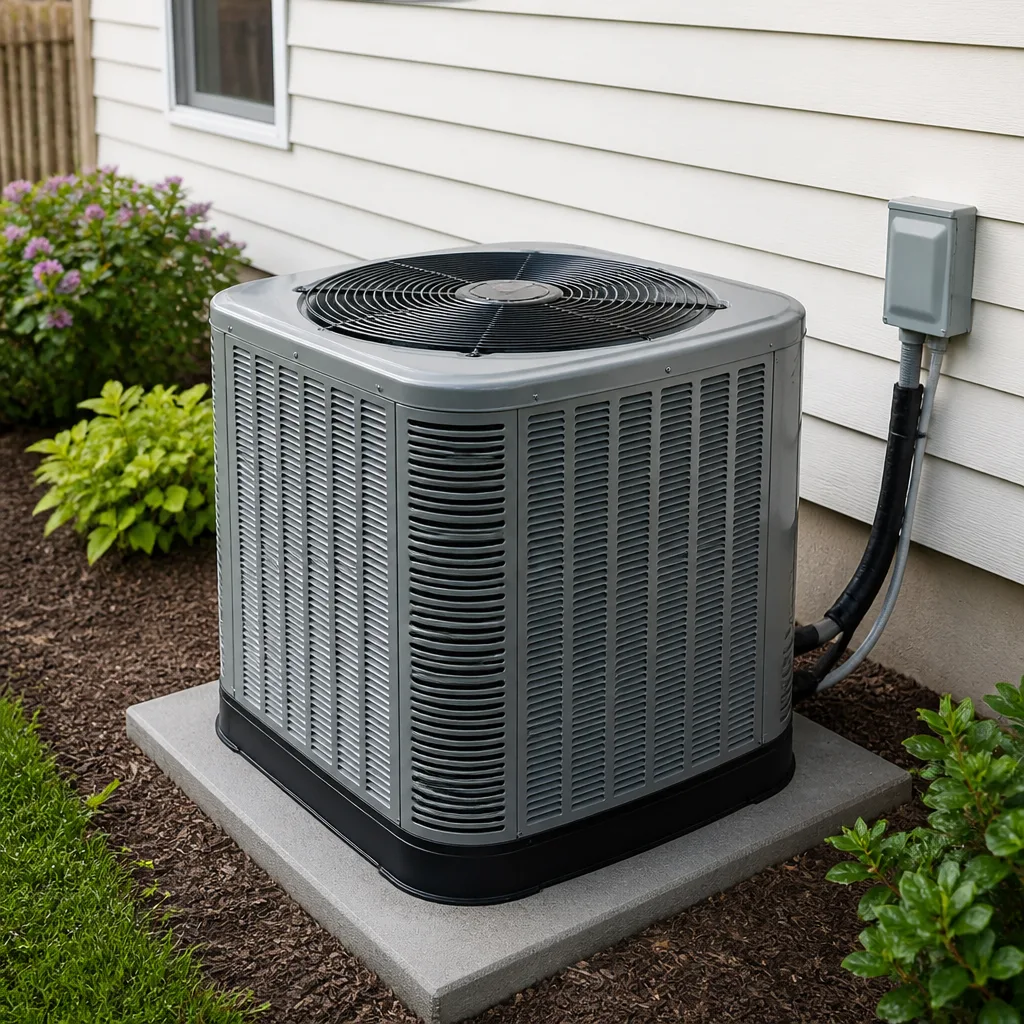 AC repair
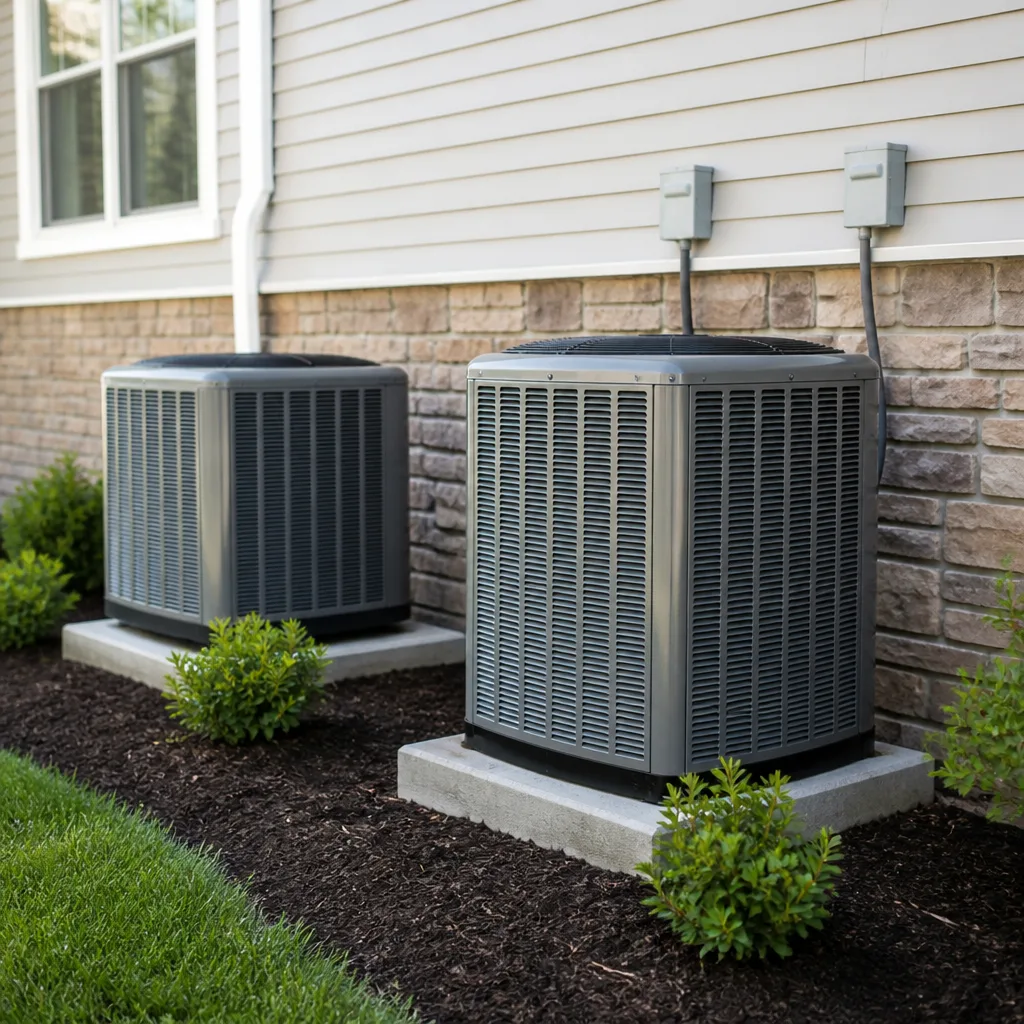 Heat pumps
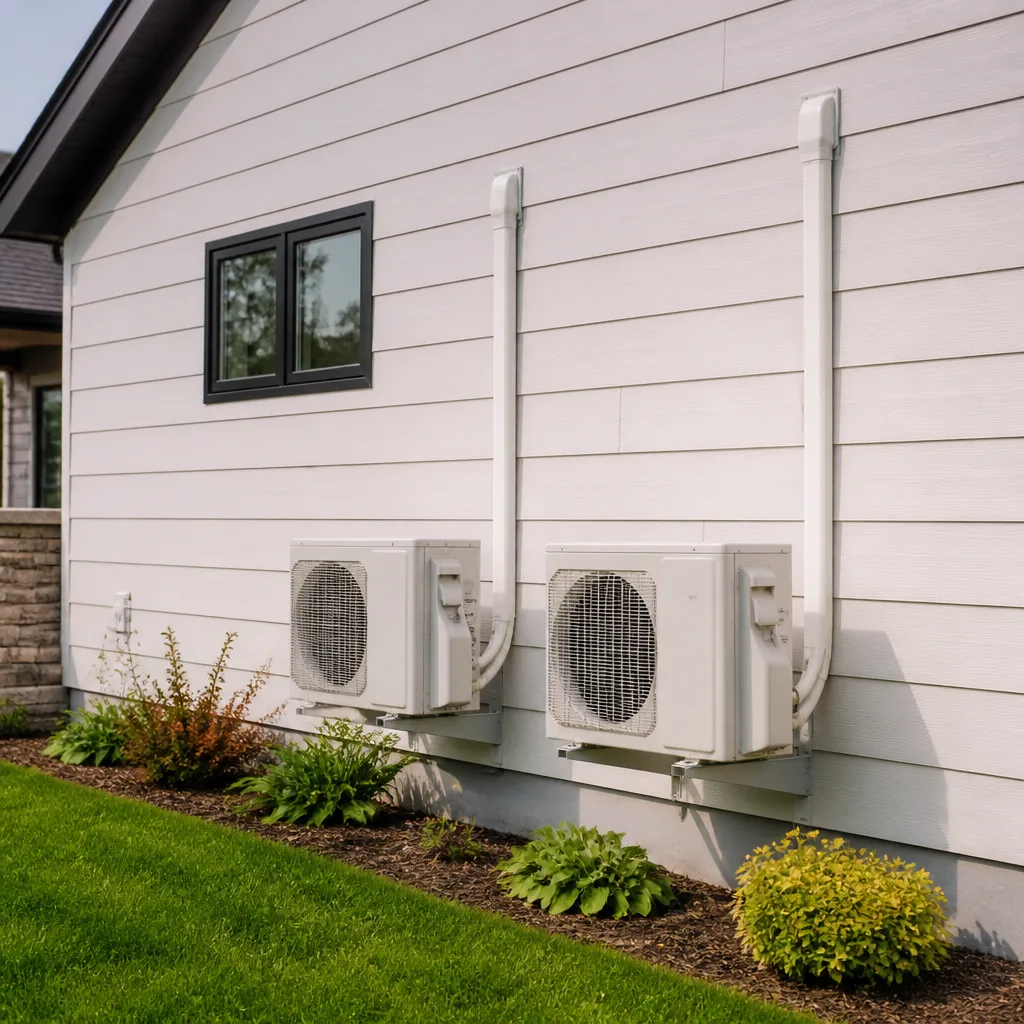 Ductless mini splits
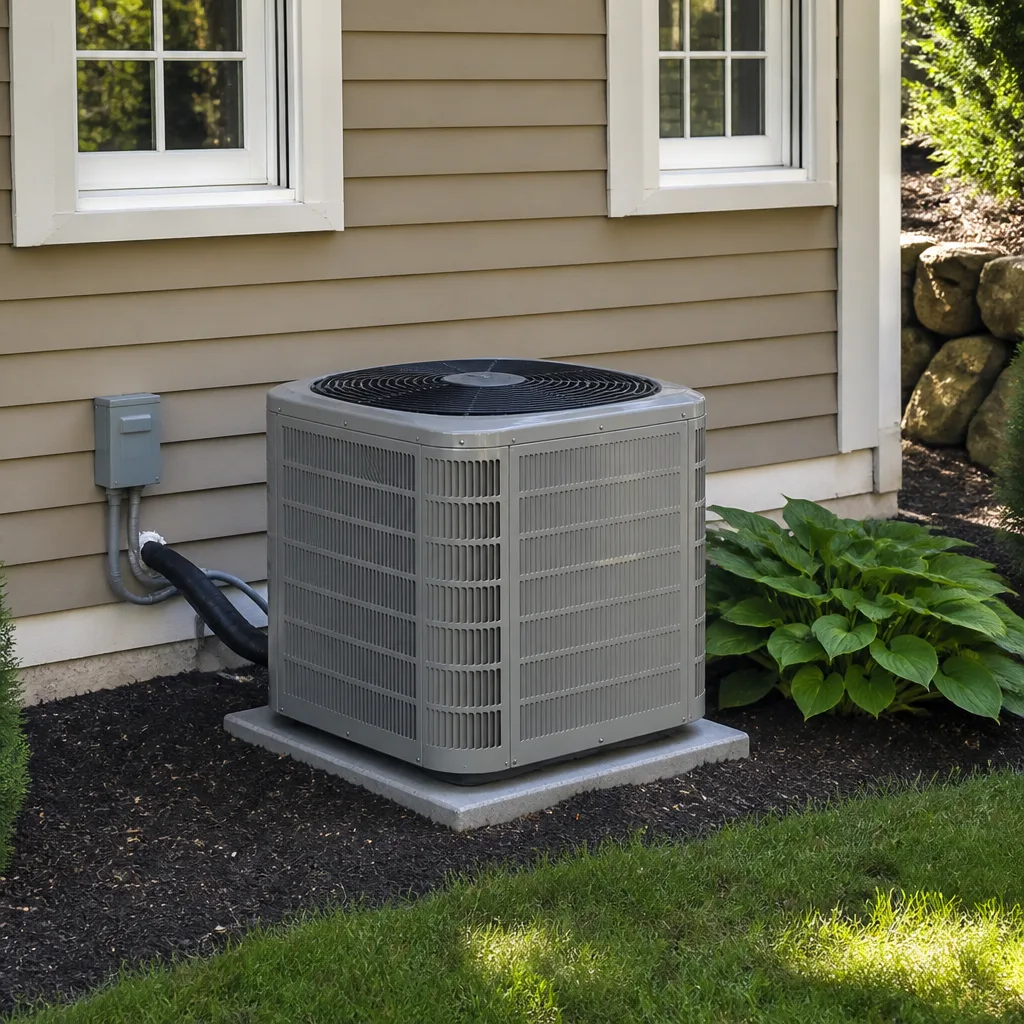 Carrier
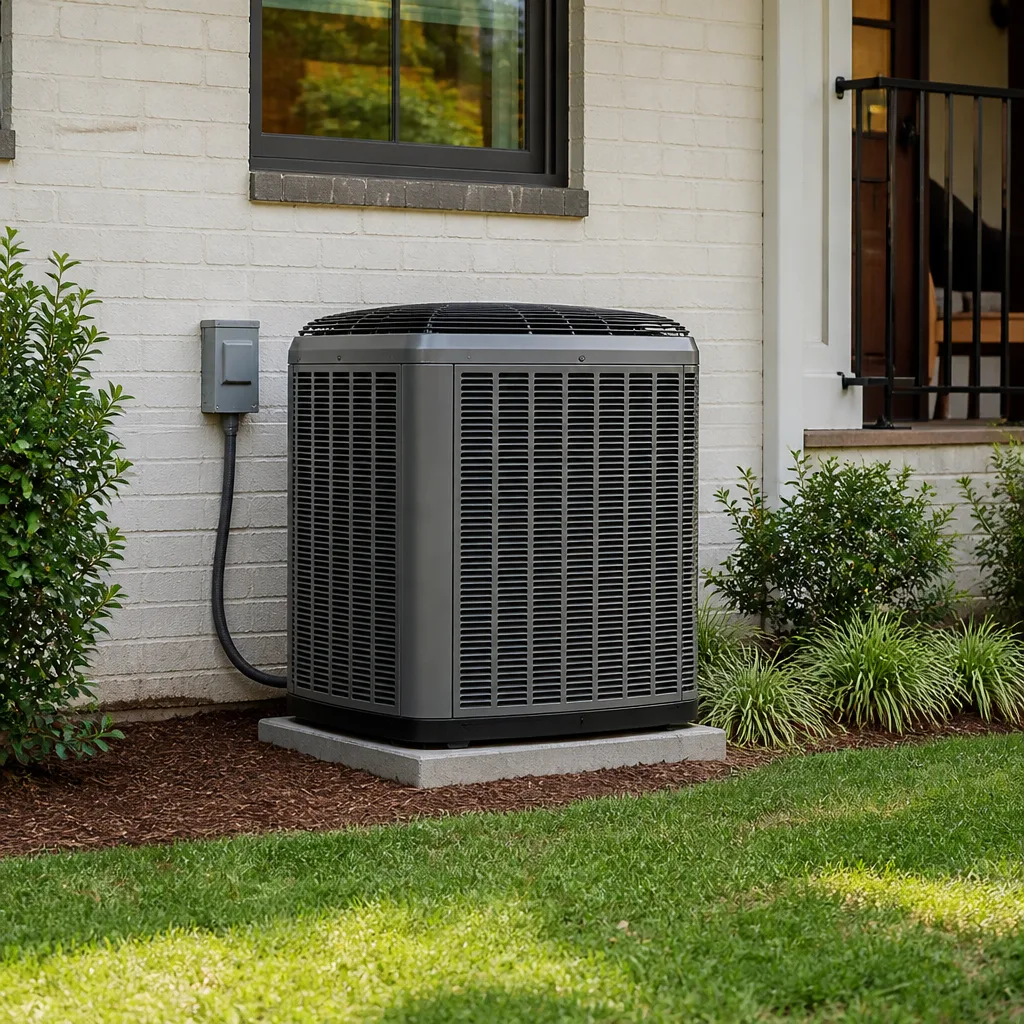 Trane
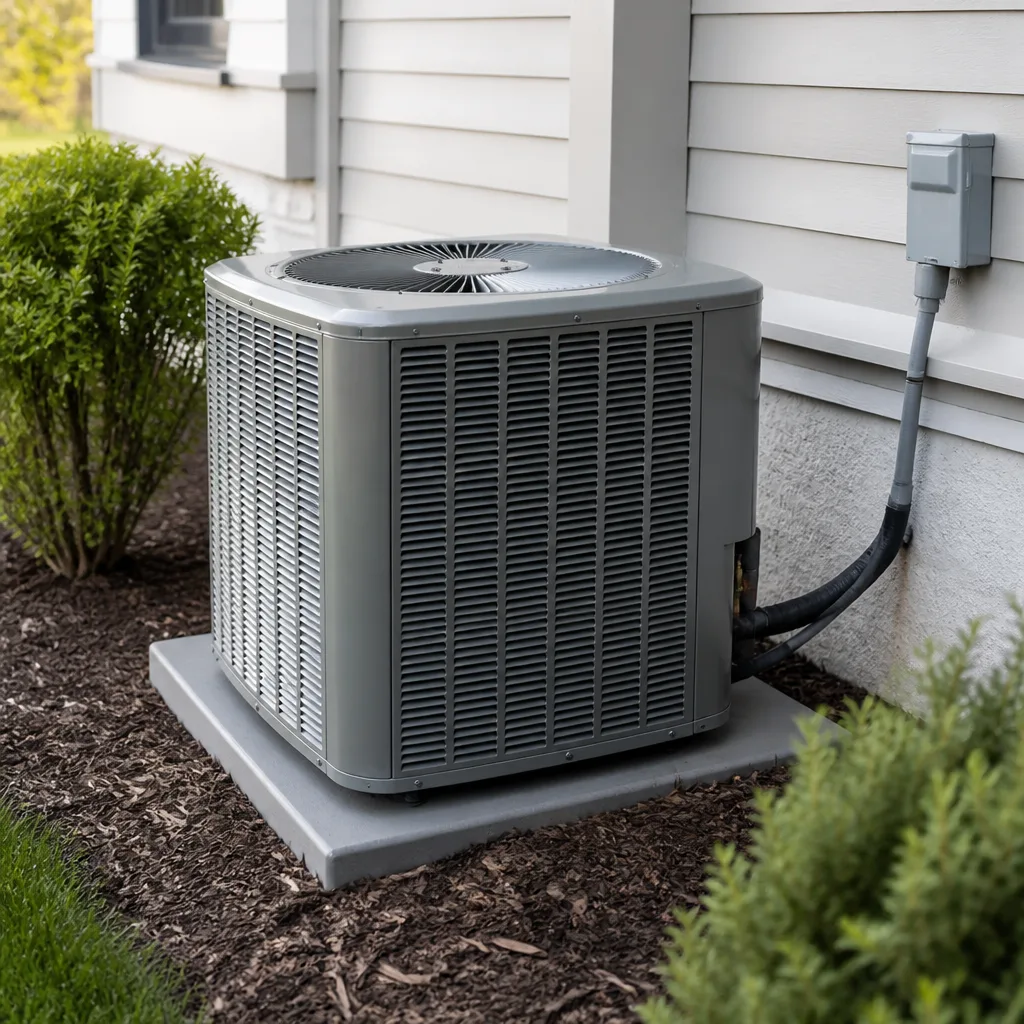 Goodman
Seasonal tune-up and full diagnostic on your Carrier, Trane, or Goodman system - readings shown to you before any repair is proposed
Diagnosis first, numbers second - you approve the repair price before a single part goes in.
Get your free estimateStyles & brands we work with
- AC repair
- Furnace & heating
- Heat pumps
- Ductless mini splits
- Carrier
- Trane
- Goodman
See the difference
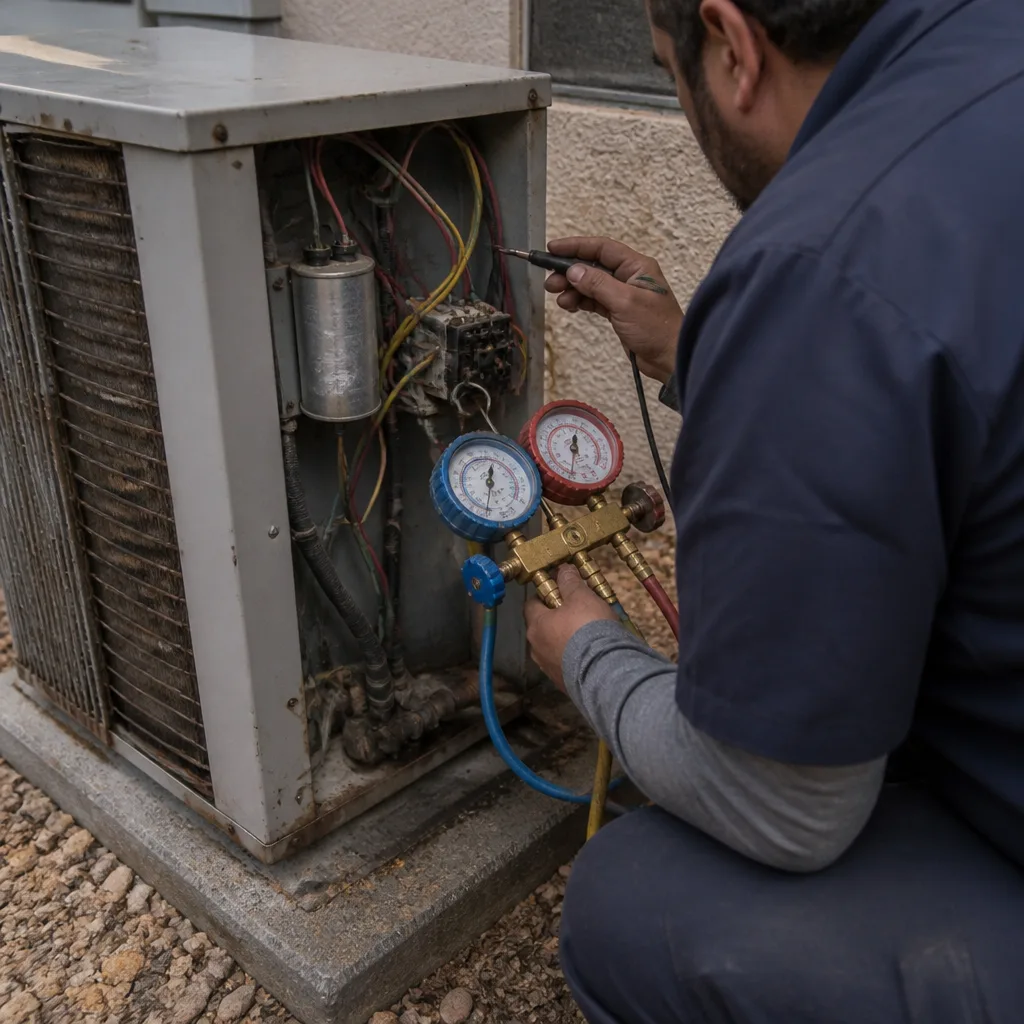 Before
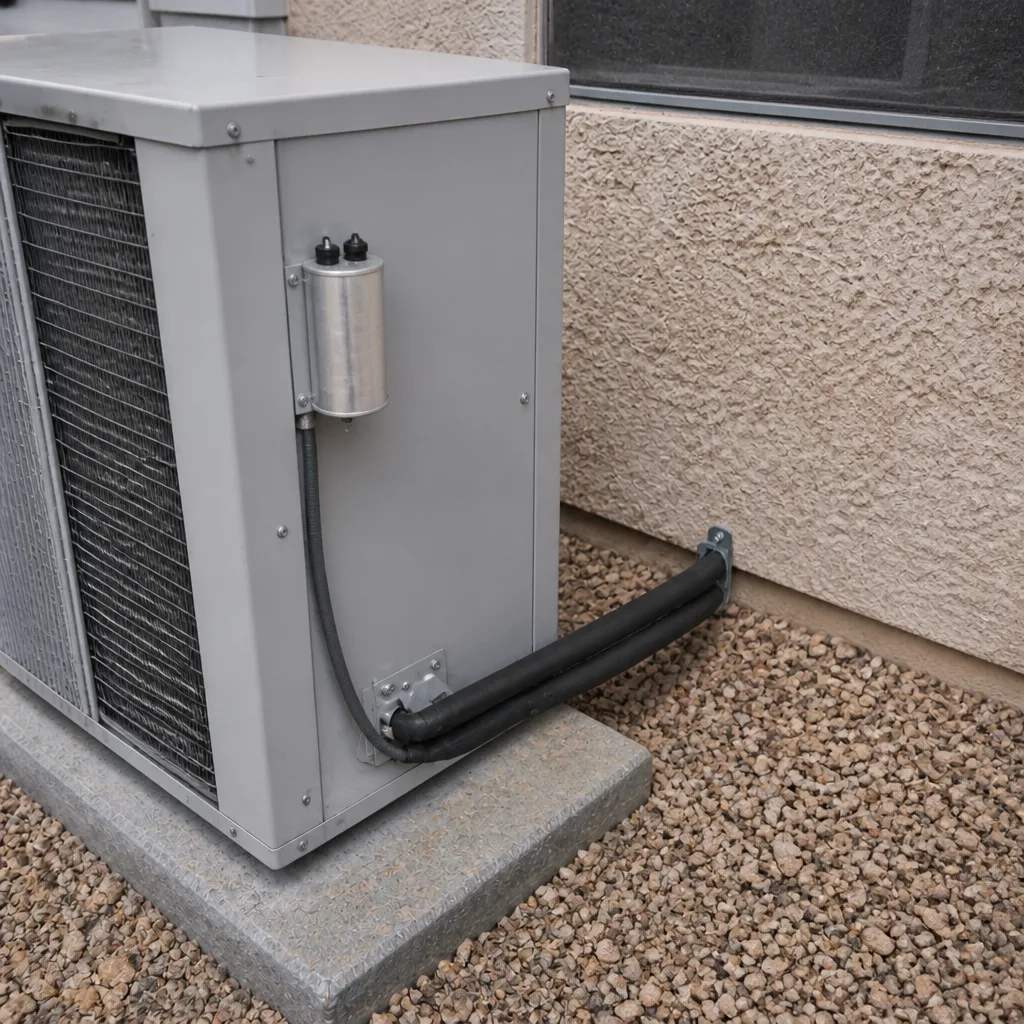 After
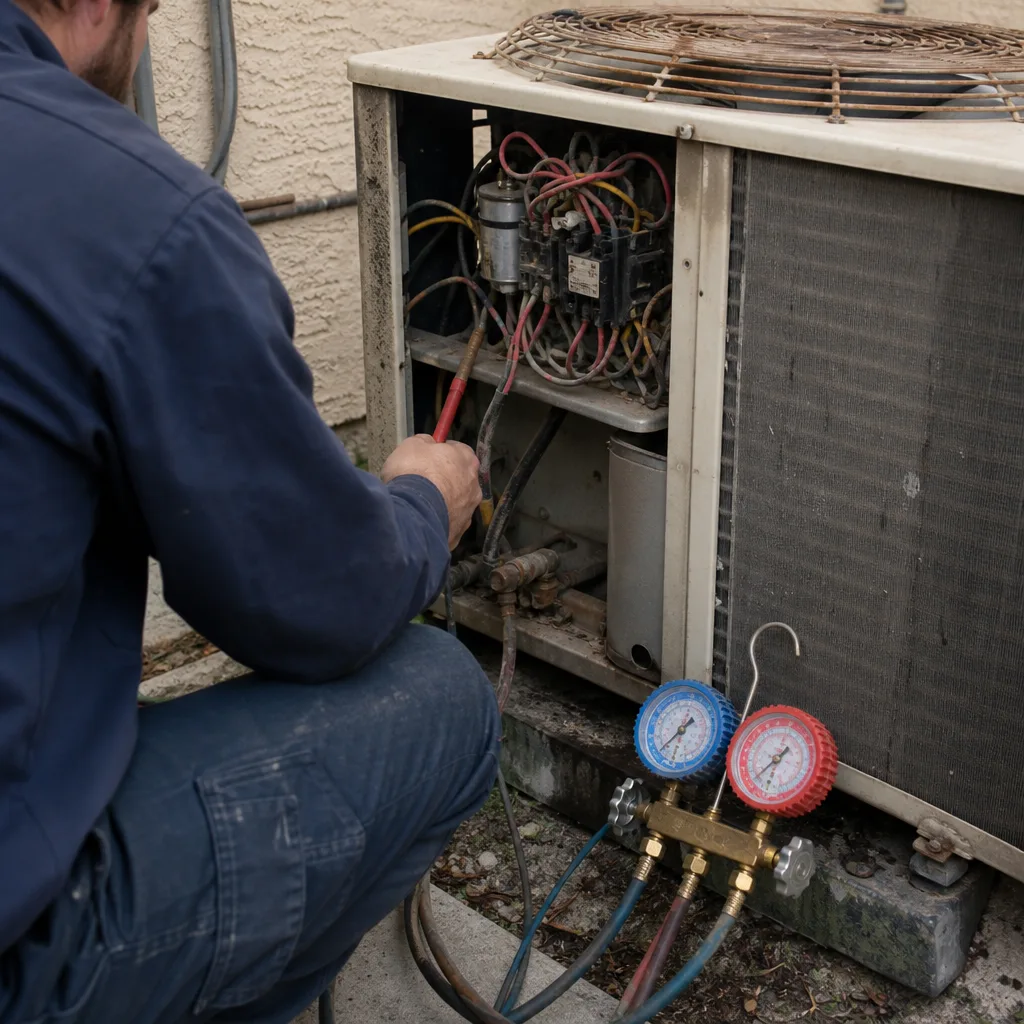 Before
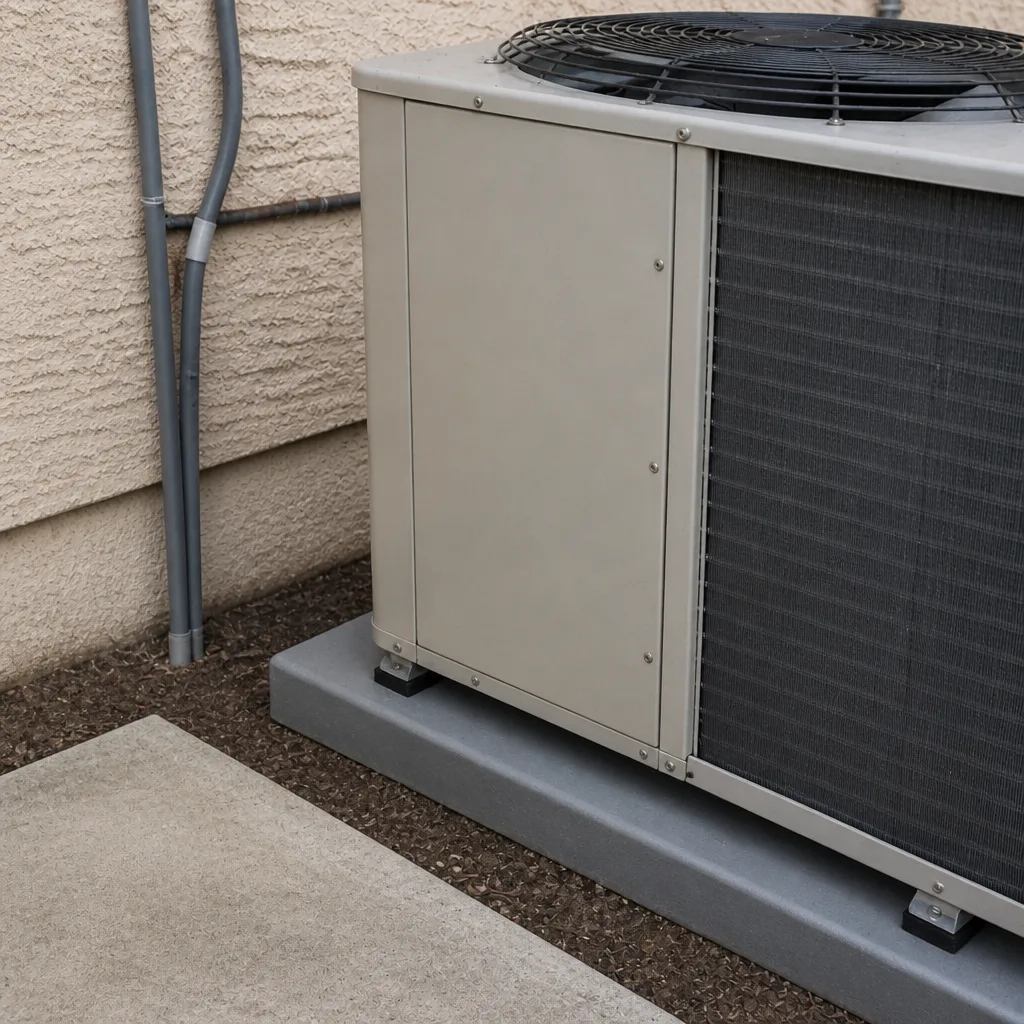 After
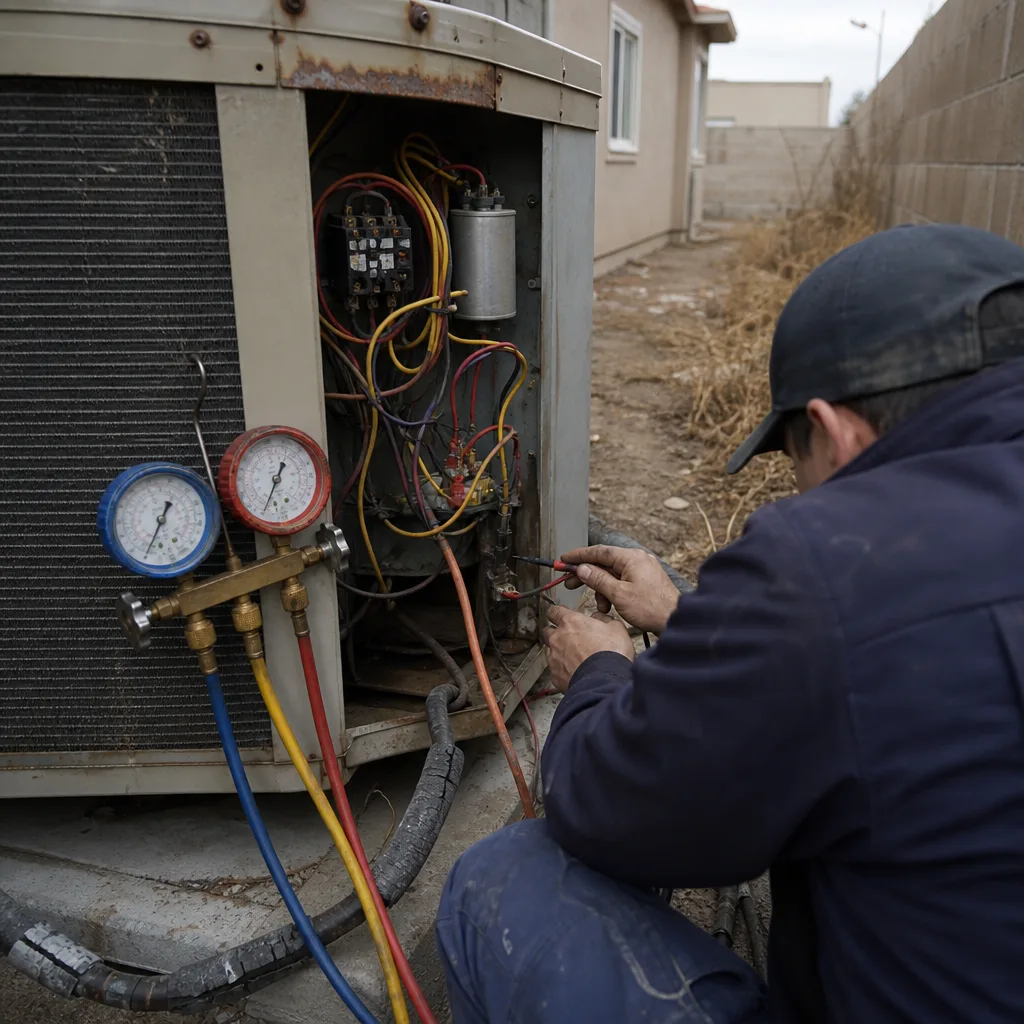 Before
 After
Heat Pump vs Furnace in Spring Valley, NV: Choose a Heat Pump Unless You Have a Specific Reason Not To
Choose a heat pump for almost every Spring Valley home. The only real exceptions are homes with no viable outdoor unit space, homes already sitting on a working gas furnace with years of life left, or a homeowner who simply wants gas. Here’s why the usual national debate doesn’t apply here: Spring Valley averages roughly 2,100 cooling degree days and fewer than 1,500 heating degree days a year, so your system works about 40% harder cooling than heating. Any equipment decision that optimizes for heating first is optimizing for the minority use case. Call Dalton Heating & Air Spring Valley at (888) 268-6106 for a no-pressure comparison of your actual options.
Why the Heating-Degree-Day Math Changes the Answer
Heating degree days and cooling degree days measure how much work your system does. A heating degree day is counted for each degree the average daily temperature falls below 65°F. A cooling degree day is the same idea above 65°F. Nationally, the balance is far more even in most metros. In Spring Valley, cooling dominates by a wide margin.
That matters because of coefficient of performance, or COP – the ratio of heat output to electricity input. A heat pump’s COP stays above 2.5 for nearly all Spring Valley winter days. Translated: for every unit of electricity you pay for, you get more than 2.5 units of heat. A gas furnace tops out around 0.95 efficiency (95 AFUE), and that’s before you count the gas itself. In a climate where the heat pump is running at COP 2.5 or better almost every winter night, the efficiency advantage is concrete and calculable, not theoretical.
Clark County’s 20 to 30 freeze-free winter nights per year and mild shoulder-season lows make the point sharper. A gas furnace’s main selling point is reliable heat in hard freezes. That scenario almost never gets exercised here.
Heat Pump vs Furnace: The Side-by-Side for Spring Valley
| Factor | Heat Pump | Gas Furnace |
|---|---|---|
| Heating efficiency | COP 2.5+ on most winter days (roughly 250%+ efficient) | Up to 95 AFUE (roughly 95% efficient) |
| Cooling | Built in – one system handles both | None – you still need a separate AC |
| Best fit in Spring Valley | Year-round workhorse for cooling-dominant climates | Occasional heat, backup only |
| Typical install (full system) | $3,500-$7,500 depending on size and electrical | Furnace repair runs $150-$700; replacement priced separately |
| Maintenance contracts | One system, one tune-up | Furnace plus separate AC = two contracts |
| Auxiliary heat | Electric strips kick in below roughly 35°F | N/A |
One system that cools and heats versus two systems that each do half the job. That’s the honest summary for most Spring Valley homes.
The One Real Local Exception: Stucco Tract Homes and Cold January Nights
Spring Valley is unincorporated Clark County, not a city, so HVAC work here runs on county building permits and a patchwork of HOA CCRs rather than a municipal code department. The housing is overwhelmingly 1980s through mid-2000s stucco-and-tile tract subdivisions built during the unincorporated boom. That housing stock has a specific winter quirk.
Stucco walls bake through the day and release heat slowly. West-facing garages that house the air handler see ambient temperatures drop fast after sunset in January. That’s the one scenario where a heat pump’s auxiliary heat strips – the electric resistance backup – actually earn their keep. Typically below 35°F outdoor temperature, the strips kick in to supplement the compressor.
What does that cost on a Nevada Energy bill? The strips draw more electricity per unit of heat than the compressor does, but they’re running for a handful of hours on a handful of nights. In practice, the auxiliary heat penalty in Spring Valley is small and occasional, not a budget line item. If you want the exact number for your home, that’s a conversation worth having with a technician who can look at your panel and load calculation.
Why Retrofit Cost Is Lower Here Than You Might Expect
Many 1980s to 2000s Spring Valley homes already have the electrical panel ampacity for a heat pump. That’s because they were originally built with electric-resistance heat as the backup. The electrical infrastructure is already there. This reduces retrofit cost compared to a first-time heat pump install in an older gas-only home, where a panel upgrade could add thousands.
That’s a detail most comparison articles skip. The question isn’t just “heat pump or furnace” in the abstract – it’s “what does the changeover cost in this specific house?” In Spring Valley, it’s often less than the national average suggests.
The Dual-Fuel Upsell: When It’s Not Worth It
Some contractors will push a dual-fuel system – a heat pump paired with a gas furnace as backup. It sounds like the best of both worlds. In Spring Valley’s climate, it’s rarely cost-justified, and it adds two maintenance contracts instead of one.
Here’s the math in plain terms. The gas furnace in a dual-fuel setup only runs when the heat pump can’t keep up, which in Spring Valley is a few nights a year at most. You’re paying for a second piece of equipment, a second tune-up each year, and a second set of parts to fail – to cover a scenario that barely happens. If your goal is efficiency and low total cost of ownership, a well-sized heat pump alone is the better call for most homes.
If you’d like to keep a furnace as backup because you value redundancy, that’s a legitimate choice. We just want you to make it with the numbers in front of you, not a sales pitch.
What to Ask Before You Sign a Heat Pump Proposal
Dalton is factory-trained to service nine major residential HVAC brands: Carrier, Trane, Lennox, Goodman, Rheem, York, Daikin, Bryant, and American Standard. When you’re comparing heat pump lines, ask for the efficiency ratings in writing – specifically HSPF2 and SEER2 numbers – before any proposal is signed.
- Get HSPF2 in writing. Heating Seasonal Performance Factor (HSPF2) tells you how efficient the heat pump heats. Higher is better.
- Get SEER2 in writing. Seasonal Energy Efficiency Ratio (SEER2) tells you how efficient it cools. Higher is better.
- Ask for a Manual J load calculation. That’s a room-by-room heat-load calc that sizes the system to your house, not a rule-of-thumb guess.
- Confirm the electrical plan. Who handles the panel work, and is it included in the written price?
- Get the written price before any work starts. Every job, without exception.
Every Dalton job comes with a written price before any work begins, a written guarantee on every repair, and a free return visit if the repair fails. The 365-Day Done Right Promise covers a full year, not a 30-day window. Calls are answered by a live person, 24 hours a day. For full system details, see our Heat Pump & Mini Split in Spring Valley page.
FAQs
Yes, for most Spring Valley homes. With the area’s cooling-dominant degree-day profile, a heat pump runs at COP 2.5 or better on nearly every winter day, which means you’re getting more heat per dollar than a gas furnace delivers. Call (888) 268-6106 for an exact comparison based on your house and current utility rates – estimates are free.
A full heat pump installation typically runs $3,500-$7,500 depending on system size, efficiency tier, and any electrical work needed. AC repair in Spring Valley runs $150-$650, and furnace repair runs $150-$700. Call (888) 268-6106 for a written, no-hassle price before any work starts.
Typically below 35°F, though the exact setpoint depends on the model and how your system is sized. Those strips are electric resistance heat that supplements the compressor. In Spring Valley’s climate they run for a small number of hours each winter, so the impact on your Nevada Energy bill is modest. Call (888) 268-6106 if you want to know how your specific system is set up.
Rarely. A dual-fuel system pairs a heat pump with a gas furnace as backup, which adds a second piece of equipment and a second maintenance contract to cover a scenario that almost never happens in this climate. A well-sized heat pump alone is usually the better call. Call (888) 268-6106 to talk through your specific home.
If you’d rather have it looked at, Dalton Heating & Air Spring Valley offers a no-pressure assessment in Spring Valley – call (888) 268-6106. We’ll put the comparison in writing, and you decide on your timeline. No upsell, no pressure. Our technicians have up to 23 years of experience and are background-checked, so you know who’s coming before they arrive. Start from our home page to see the full range of what we handle.
Written by the team at Dalton Heating & Air Spring Valley, serving Spring Valley, NV.