
Lennox AC Repair in Spring Valley: A Homeowner’s Guide
Most Lennox systems in Spring Valley are quietly logging fault codes right now, and most homeowners have no idea. If your home has an iComfort or S30 communicating thermostat, the equipment already knows why it’s running rough, short-cycling, or blowing warm. The codes are sitting in the app or the thermostat menu, waiting for someone to read them. Pulling those codes before you call for AC Repair in Spring Valley can save you a diagnostic fee and get the right part on the first visit. If you’d rather not dig through menus, call (888) 268-6106 and we’ll walk you through it.
Where Lennox Stores Fault Codes (and Which Three Matter Most in Spring Valley)
Lennox’s communicating thermostats – the iComfort line and the newer S30 – talk to the air handler and condenser over a low-voltage data bus, the same way a modern car reports to a dashboard. When something trips, the thermostat logs a two- or three-digit code instead of just flashing a light. On most iComfort units you’ll find them under Settings > Advanced > Diagnostics or in the iComfort app under System Status > Alerts. The S30 puts them under Service > Fault History, and it keeps the last several, not just the active one.
In Spring Valley’s dry heat, three codes come up again and again:
- E228 – low refrigerant charge or a pressure switch fault. In our experience this is the single most common code from April through September in Spring Valley. It usually means a slow leak, not a one-time loss, so topping off without finding the leak buys you a season at best.
- E125 – high-pressure lockout. Often a dirty condenser coil or a fan that isn’t pulling enough air across it. Spring Valley’s dust loads a coil faster than most homeowners expect, and a restricted coil drives head pressure up until the system shuts itself off.
- E301 – communication fault on the data bus. Could be a loose wire at a terminal, a failed control board, or a thermostat that lost its address. This one is worth a technician’s meter, because guessing at boards gets expensive.
Read the codes, write them down, and hand them to the tech when they arrive. That alone shaves time off the diagnostic and usually points straight at the likely part.
Two-Stage, Variable-Speed, and Why Lennox Repairs Cost More
Lennox earns its reputation on efficiency, and the efficiency comes from engineering that’s less forgiving than a basic single-stage unit. A two-stage compressor runs at a lower capacity most of the time and steps up only when the house needs it. A variable-speed compressor – found on the higher-end Lennox lines – ramps continuously between something like 40% and 100% output. In Spring Valley, where the afternoon high can sit near 110°F for weeks, that continuous low-speed running is genuinely better: it holds temperature steadier, pulls more humidity, and uses less power.
Here’s the trade-off nobody puts on the brochure. Variable-speed and inverter-driven systems carry a control board or inverter drive that a standard single-stage unit doesn’t have, and those parts are where the money goes when something fails. A run capacitor is a small repair on any brand. An inverter drive on a Lennox variable-speed condenser is a serious line item, and it’s the repair that pushes a lot of homeowners into the repair-or-replace conversation.
How we size up that math for a Spring Valley homeowner:
- A single failed component – a capacitor, contactor, fan motor, pressure switch – is almost always worth repairing, regardless of brand.
- A failed inverter drive or control board on a unit past the halfway point of its service life is where you want the numbers in front of you before you decide. Get the repair price in writing and weigh it against a replacement quote, not against a feeling.
- On a compressor failure in a high-efficiency Lennox, replacement often wins, especially once you factor the years of higher efficiency you’d gain back.
The Lennox Warranty: 5-Year vs. 10-Year, and What “Registered” Actually Requires
Lennox’s base limited warranty on parts typically runs five years. Register the equipment and you can extend the covered parts term to ten years on many models. That word “registered” is doing a lot of work. In most cases it means the system was installed by a qualifying dealer and the registration was filed within 60 days of installation. Miss the window and you’re back to the five-year term, or worse, an unregistered status that leaves you holding the part cost.
Before you authorize any parts purchase on a Lennox system in Spring Valley, do this first:
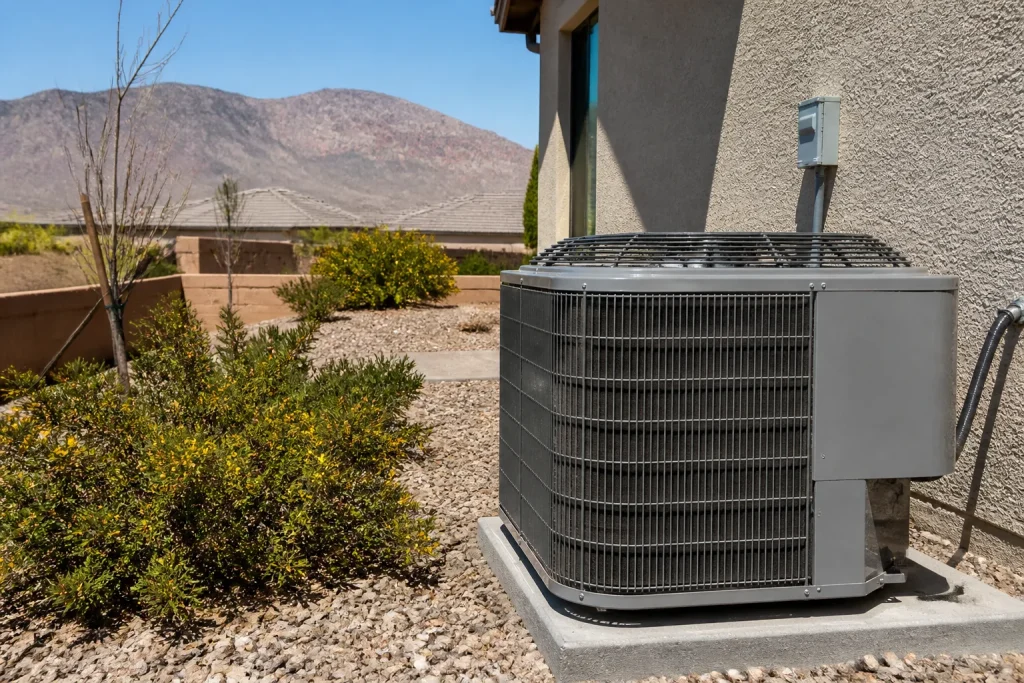
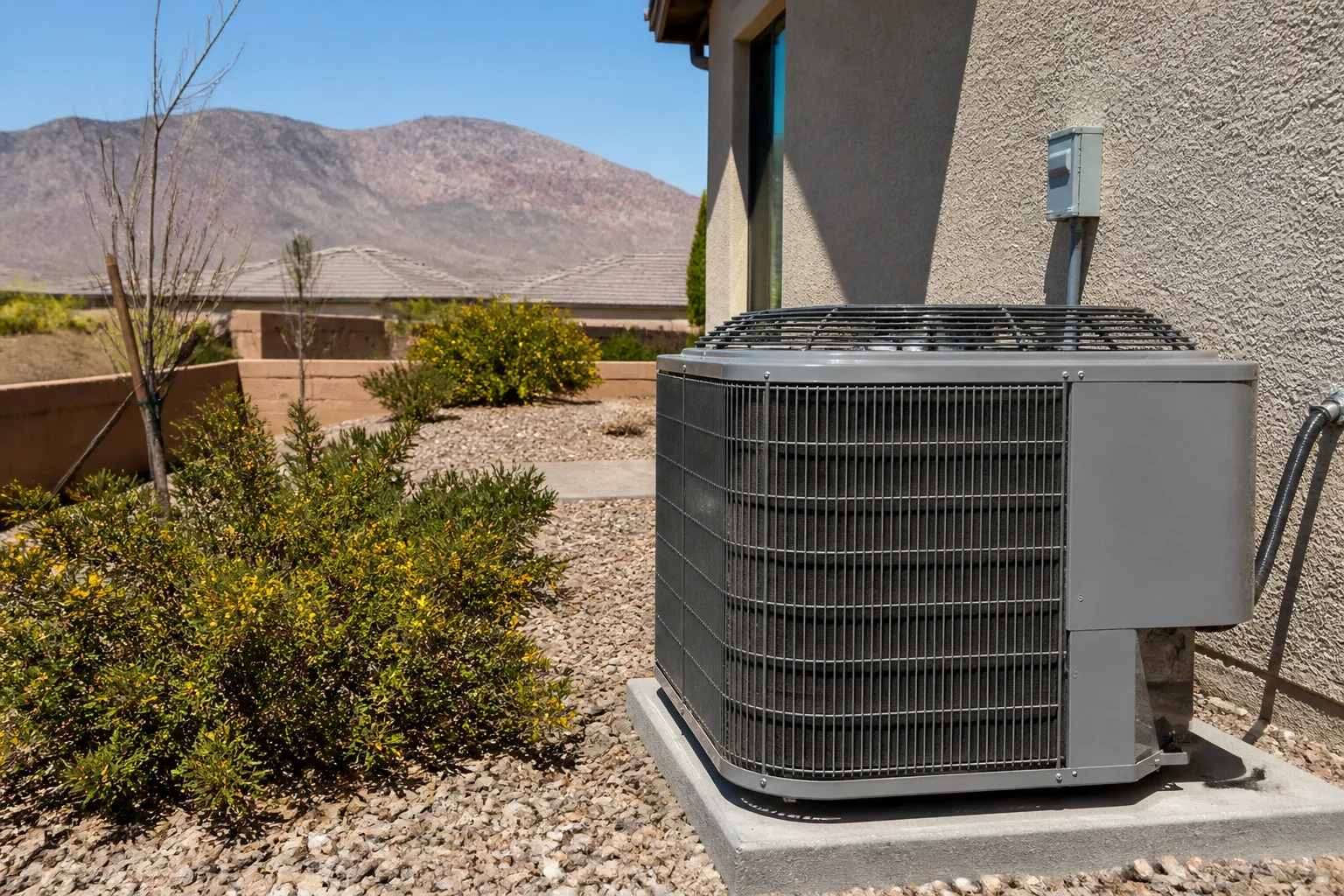
- Find your model and serial number on the data plate on the outdoor condenser (usually a sticker on the side panel).
- Check the registration through Lennox’s online warranty lookup. It takes five minutes and it’s free.
- Confirm the install date the manufacturer has on file matches reality. A mismatch is the most common reason a valid warranty claim gets denied.
If the unit shows unregistered and the parts warranty is the difference between a $180 repair and a $1,100 one, that’s worth a phone call before anyone touches the machine. It’s also one of the reasons we ask for the serial number before we quote a Lennox repair – the price can change based on coverage, and you should know which number applies.
Why High-SEER Lennox Units Are Picky About Refrigerant Charge
This is the part of Lennox ownership that catches people. High-SEER equipment runs tighter refrigerant tolerances than a builder-grade unit, which means the charge has to be set precisely, not approximated. A tech who “adds a little till it feels cold” will get a Lennox system close enough to run but not close enough to run correctly. The result is a unit that cools okay on a mild day and struggles at 108°F, wears its compressor harder than it should, and throws the occasional E228 that never quite gets resolved.
The right method is superheat and subcooling – measured against the manufacturer’s chart, not by feel. It requires gauges, a thermometer, and the willingness to sit with the system until it’s dialed in. On a charged-by-feel Lennox, we’ve seen subcooling drift several degrees off spec, which is enough to erode efficiency and stress the compressor over a Spring Valley summer. When a technician quotes you a refrigerant recharge, ask whether they’ll set the charge by superheat/subcooling and log the actual weight of refrigerant added. If the answer is vague, that tells you something.
What a Lennox Repair Invoice in Spring Valley Should Include
A good Lennox repair leaves a paper trail. Not because paperwork is fun, but because the documentation is proof the system was set up correctly rather than just patched to get the thermostat to stop blinking. If a technician walks away without these numbers, the repair is a guess you paid for. Here’s what should be on the invoice:
- Refrigerant weight logged – how many ounces or pounds were added, and the superheat/subcooling readings before and after.
- Static pressure reading – a measure of how hard the blower is working against duct restriction. High static pressure explains a lot of “it runs but doesn’t cool” complaints in Spring Valley’s older ductwork.
- Fault codes found and cleared – the codes the system was throwing, and confirmation they were cleared after the fix.
- Parts and labor itemized – a line for the part, a line for the labor, and a clear note on whether the part is under warranty.
- The written guarantee – on every repair we do, the work is guaranteed in writing for a full year. If it fails in that time, we come back at no charge. That belongs on the invoice in writing, not in a verbal promise.
We pulled a Lennox unit out of a garage over in Rhodes Ranch last summer where the last tech had “topped off” the charge twice in two seasons without ever finding the leak. The invoice showed two recharges and zero pressure readings. That’s the pattern worth avoiding, and it’s why the paperwork matters as much as the wrench work.
When to Call a Pro
If you’ve got active fault codes on an iComfort or S30, a compressor that’s short-cycling, or refrigerant that’s low twice in one season, that’s professional territory. Lennox’s communicating controls and inverter drives need brand-specific diagnostics and the right meters, and guessing at a control board is an expensive way to learn. The same holds for anything involving the refrigerant circuit – that work requires a licensed technician, gauges, and a recovery machine, and it isn’t a homeowner job. If your system has been throwing codes and you’re not sure where to start, our team services Lennox along with Carrier, Trane, and American Standard, and our technicians have up to 23 years of experience.
Related services in Spring Valley: if your Lennox is past the point where repairs make sense, our Heat Pump Installation in Spring Valley and Furnace Repair in Spring Valley pages cover the next step, and you can always start at the Dalton Heating & Air Spring Valley home page.
The Bottom Line
Lennox builds great equipment, and that equipment rewards owners who pay attention to the details: pull the fault codes before you call, check your warranty registration before you buy parts, and insist on a technician who sets charge by superheat/subcooling rather than by feel. In Spring Valley’s desert heat, those three habits separate a Lennox system that runs for 15 years from one that starts eating control boards at year seven. Price matters less than getting the diagnosis and the documentation right the first time.
If you’re in Spring Valley and need help, Dalton Heating & Air Spring Valley offers free estimates – call (888) 268-6106. Every job comes with a written price before any work starts, a written guarantee on the repair, and a free return visit if the repair fails within the guarantee period.
Frequently Asked Questions
How do I find the fault codes on my Lennox iComfort thermostat? Open the iComfort app and go to System Status > Alerts, or on the thermostat itself go to Settings > Advanced > Diagnostics. The S30 stores the last several codes under Service > Fault History. Write them down before you call a technician.
Is a Lennox repair more expensive than other brands? Sometimes, on the parts side. A capacitor or fan motor on a Lennox runs about what it would on a Carrier or Trane. An inverter drive or control board on a variable-speed Lennox is a bigger ticket, because the part is more specialized. Call (888) 268-6106 for a written price before any work starts.
What does “registered” mean on a Lennox warranty? It means the equipment was installed by a qualifying dealer and the registration was filed with Lennox, typically within 60 days of install. Registered units often get a ten-year parts term instead of the base five. You can check your status through Lennox’s online warranty lookup using the model and serial number on the condenser.
Can you come out today for a Lennox AC repair in Spring Valley? Often, yes – we answer the phone with a live person 24/7 and we can usually get a technician out same-day for no-cooling calls. Call (888) 268-6106 for a free estimate and an arrival window.
Written by the team at Dalton Heating & Air Spring Valley.
Need HVAC Help?
Call Dalton Heating & Air Spring Valley - licensed & insured, here with fast after-hours help in Spring Valley.
(888) 268-6106