
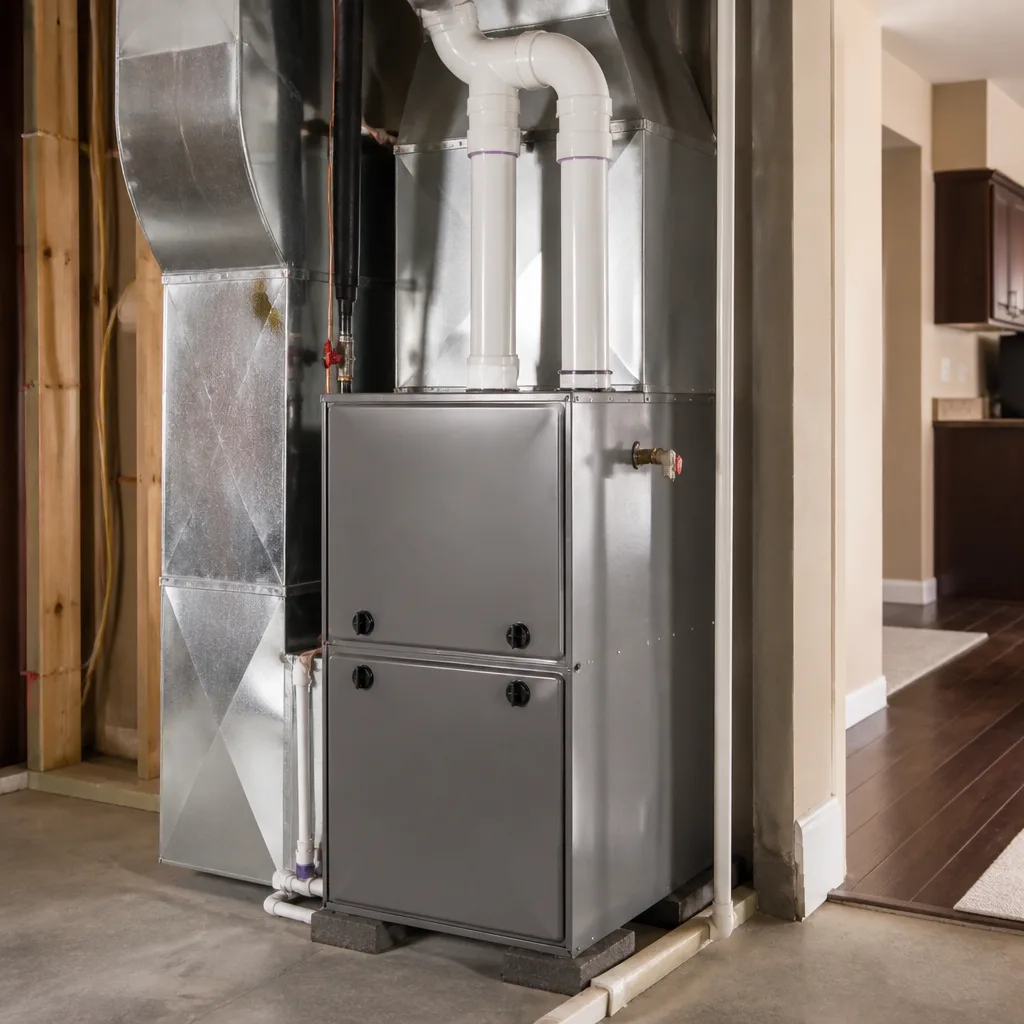
 Furnace & heating
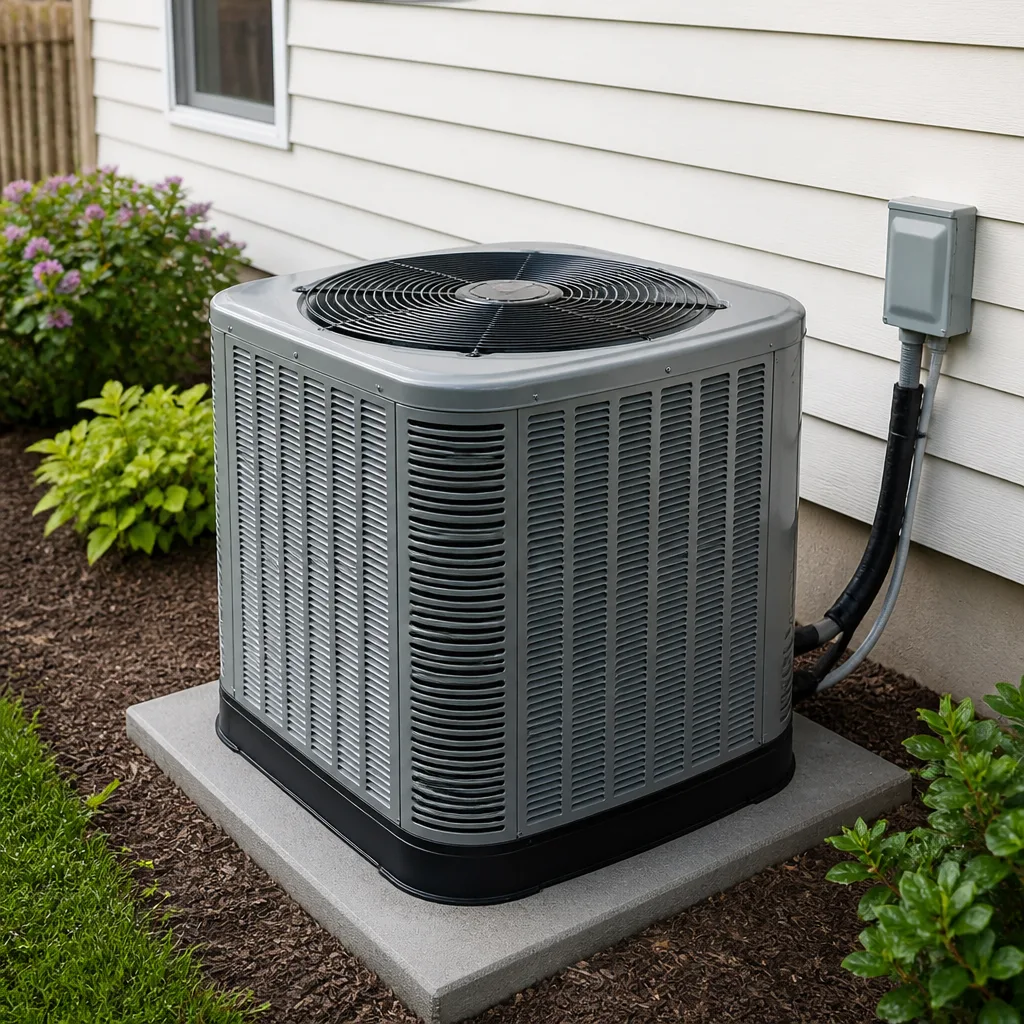 AC repair
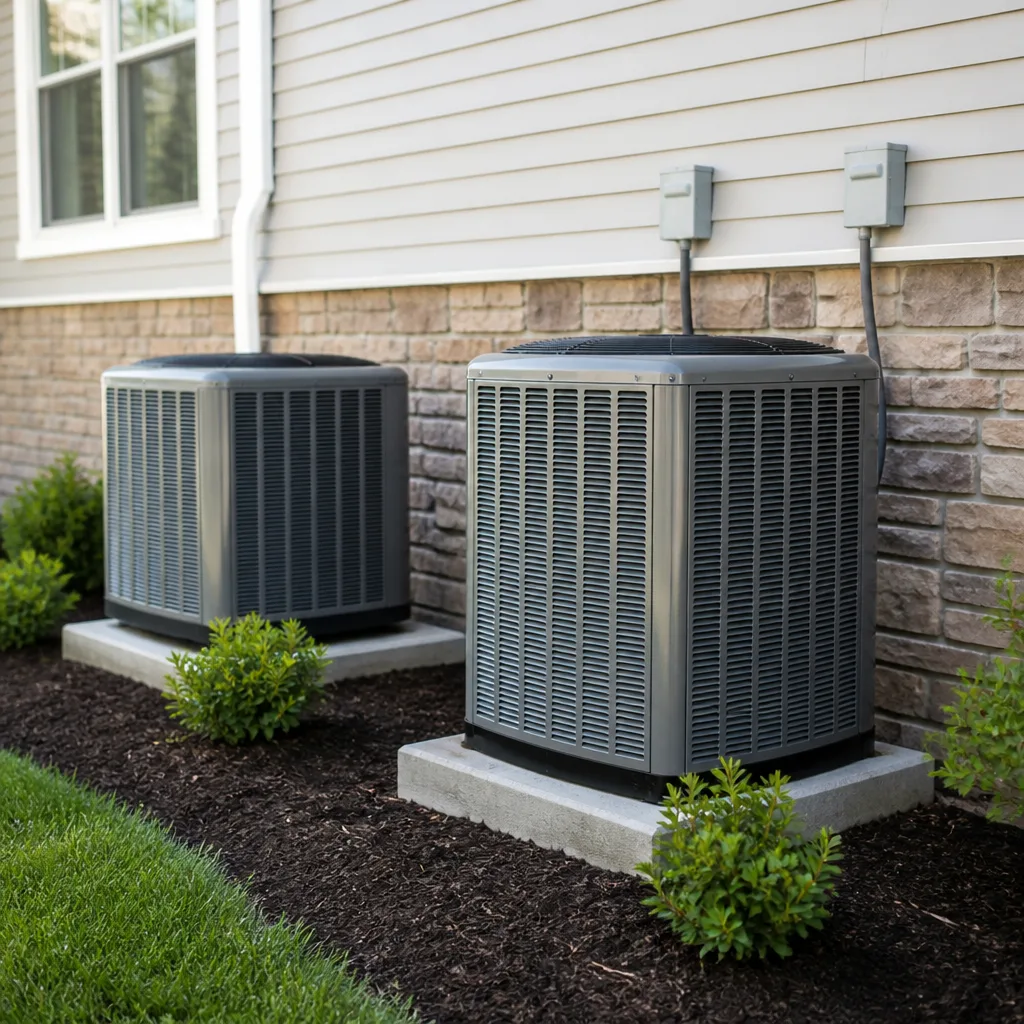 Heat pumps
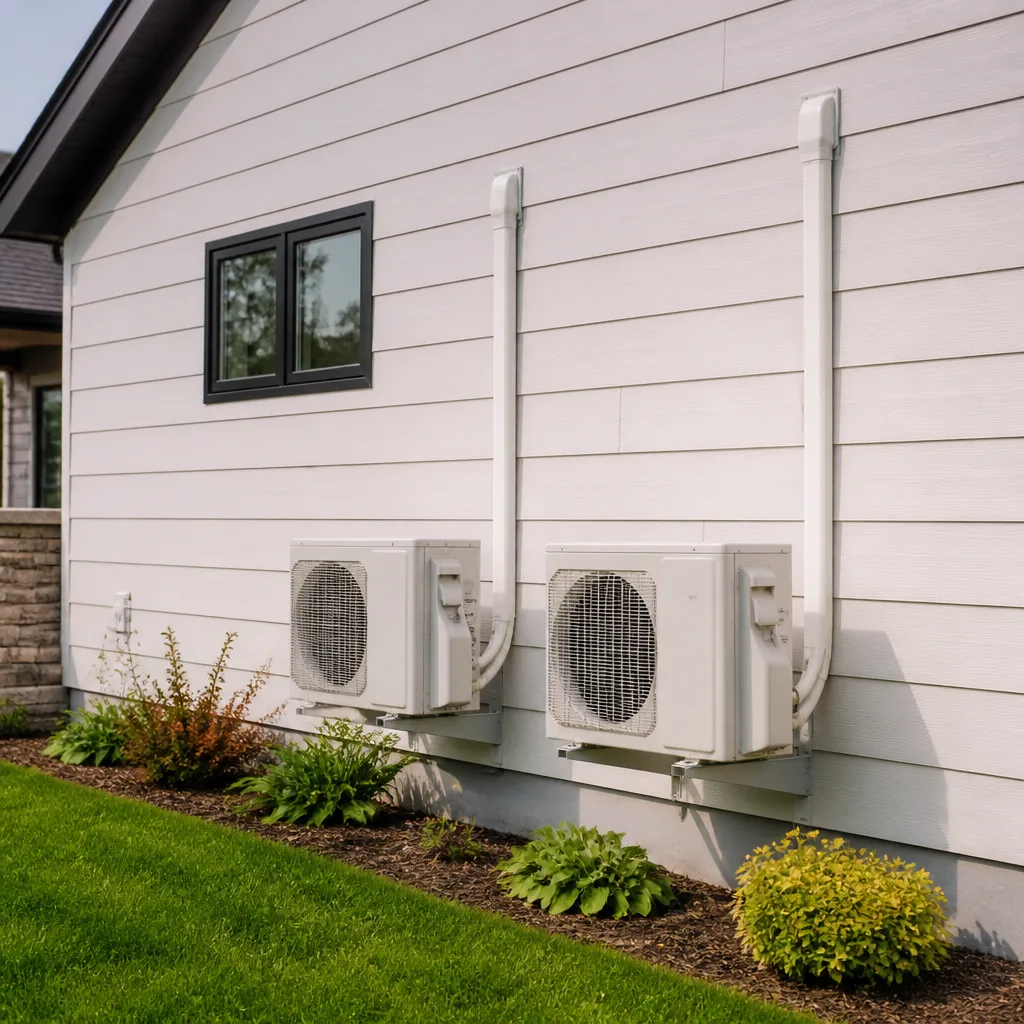 Ductless mini splits
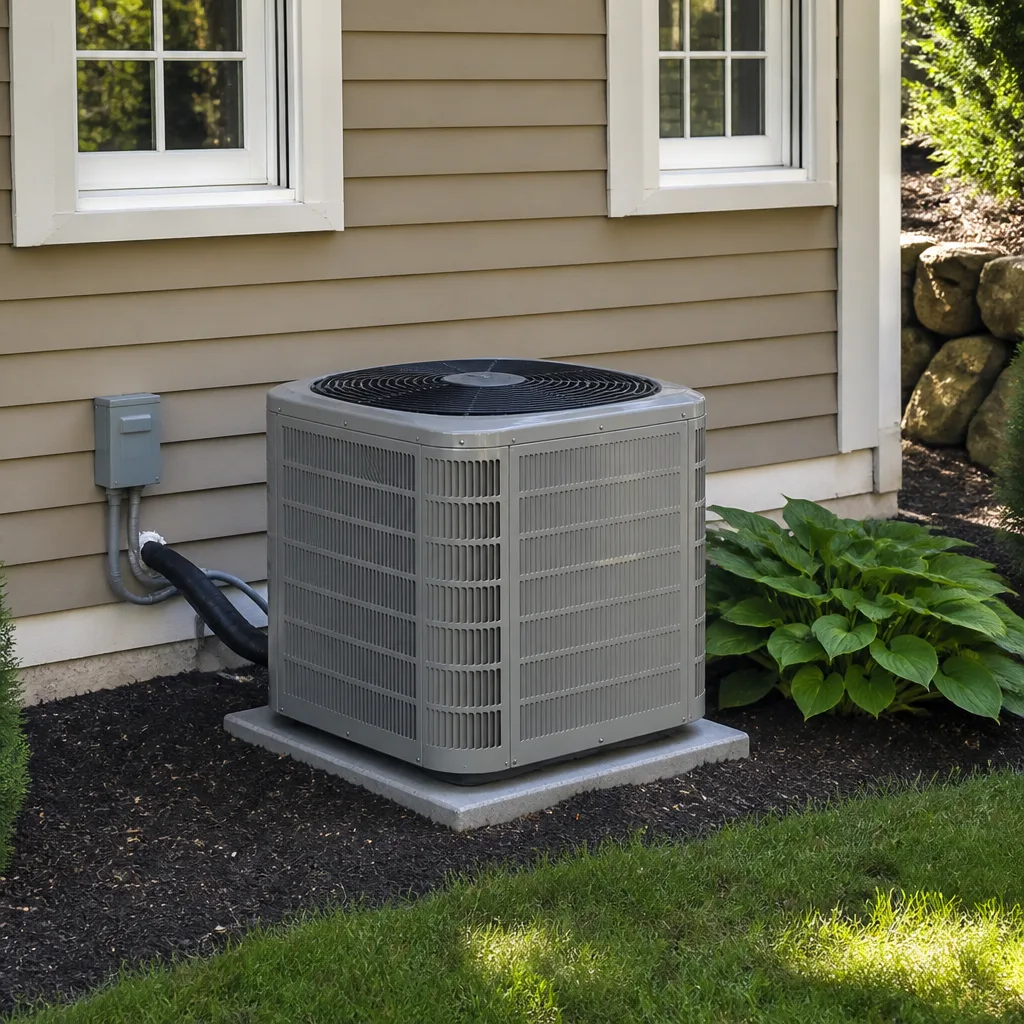 Carrier
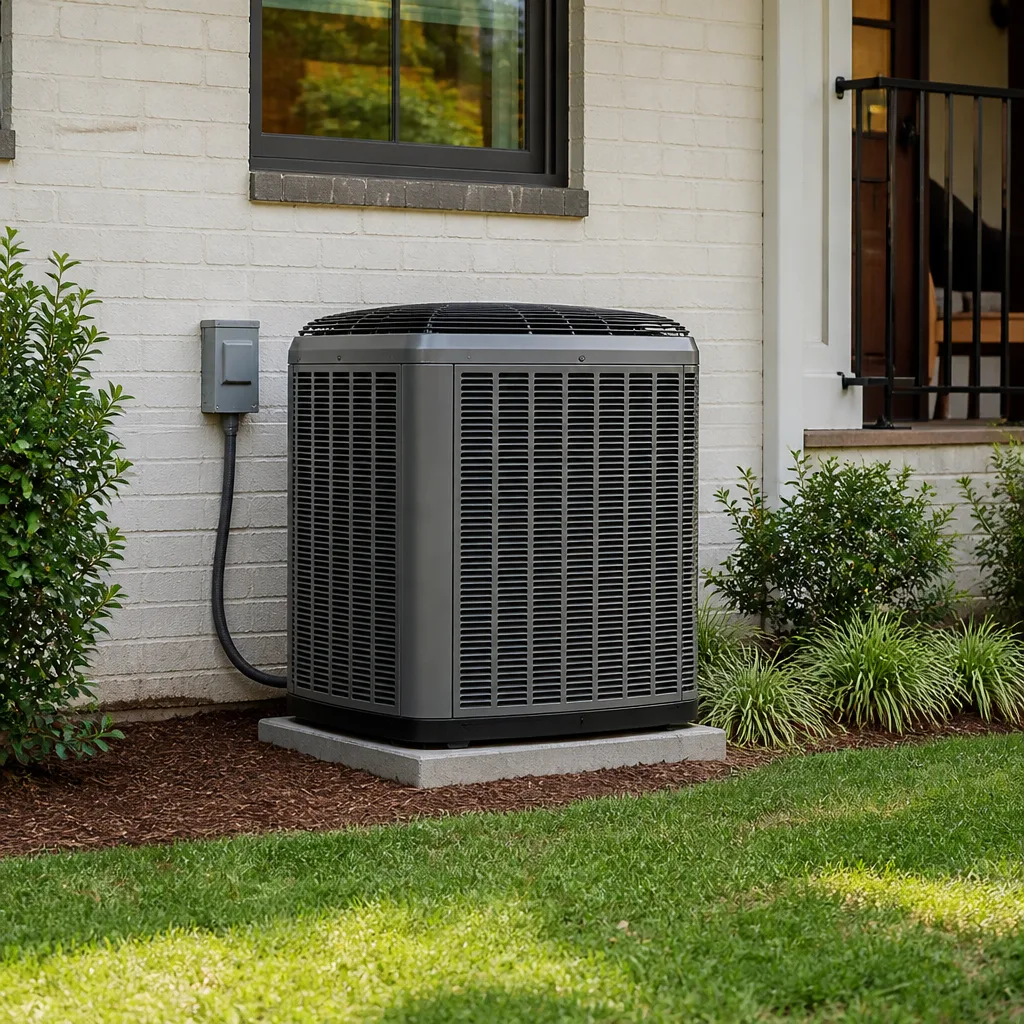 Trane
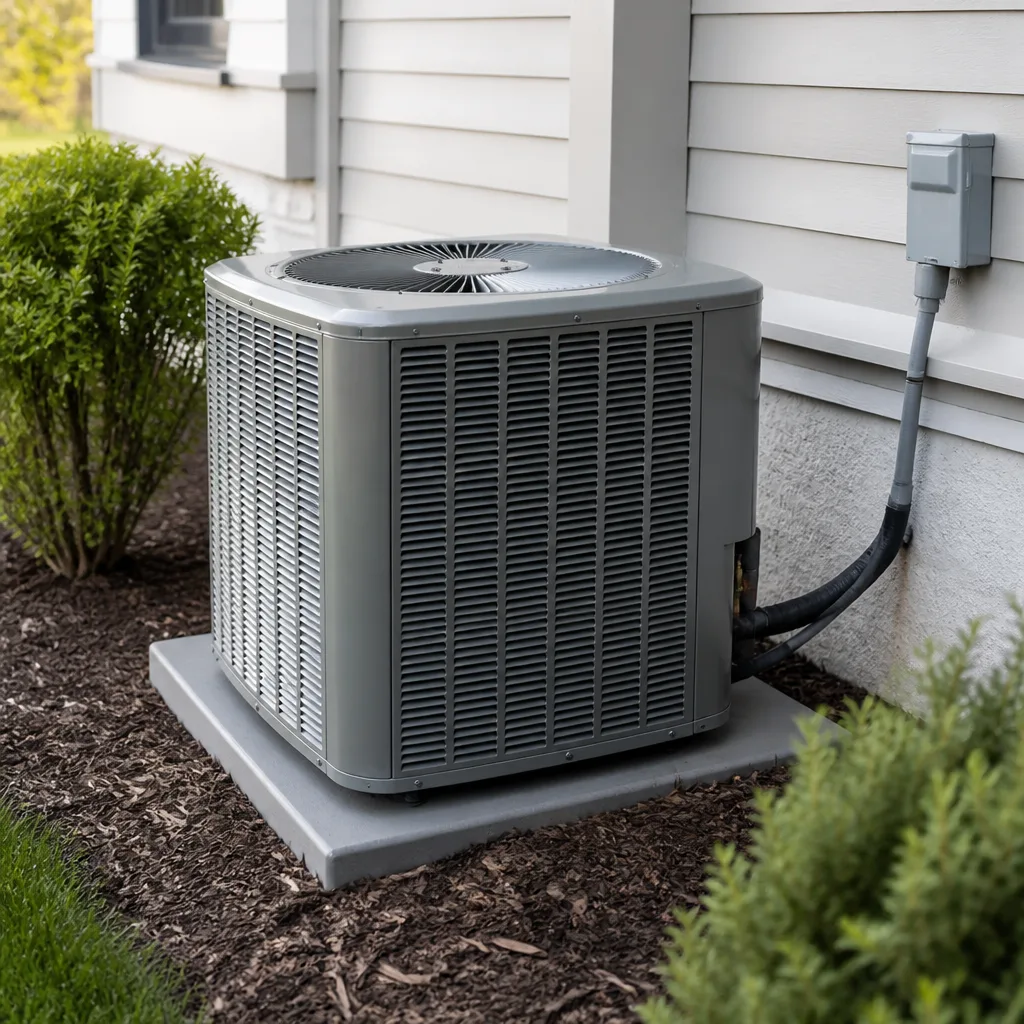 Goodman
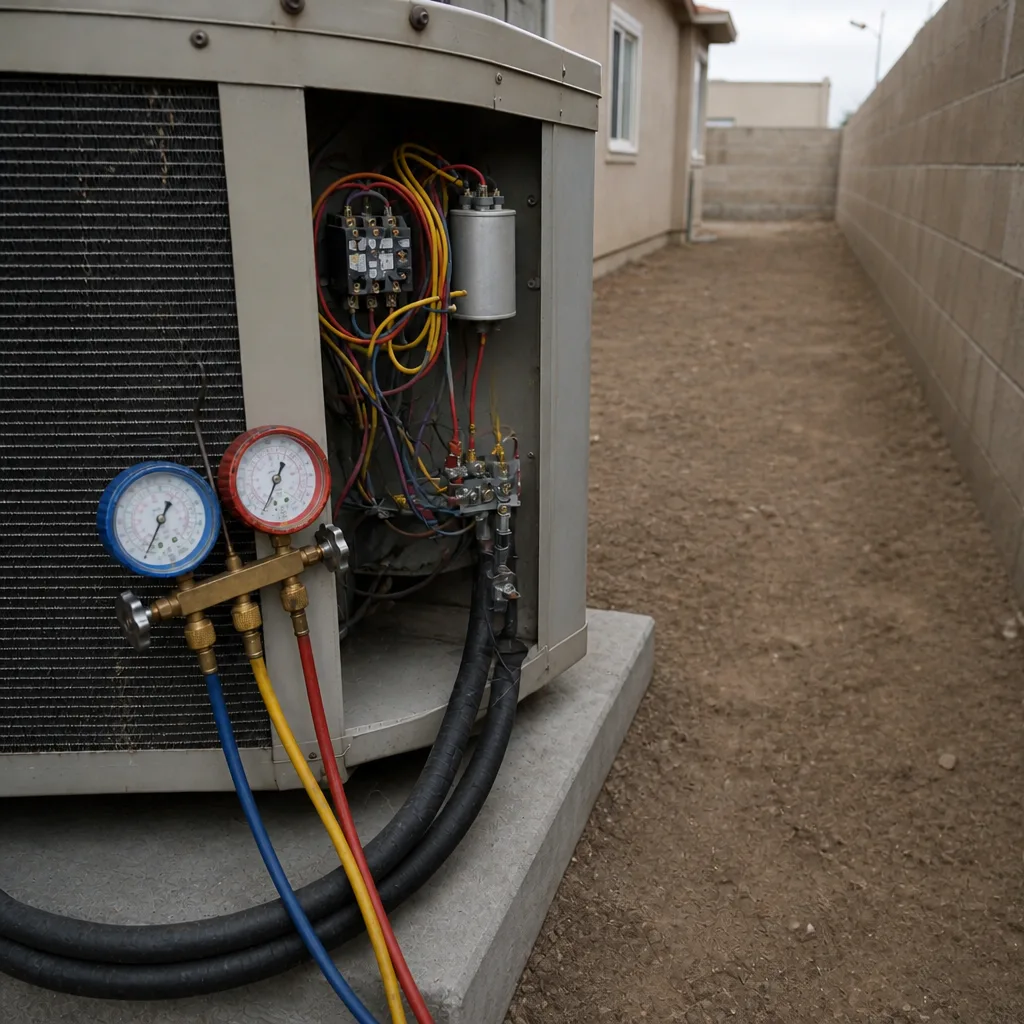
Seasonal tune-up and full diagnostic on your Carrier, Trane, or Goodman system - readings shown to you before any repair is proposed
Diagnosis first, numbers second - you approve the repair price before a single part goes in.
Get your free estimateStyles & brands we work with
- AC repair
- Furnace & heating
- Heat pumps
- Ductless mini splits
- Carrier
- Trane
- Goodman
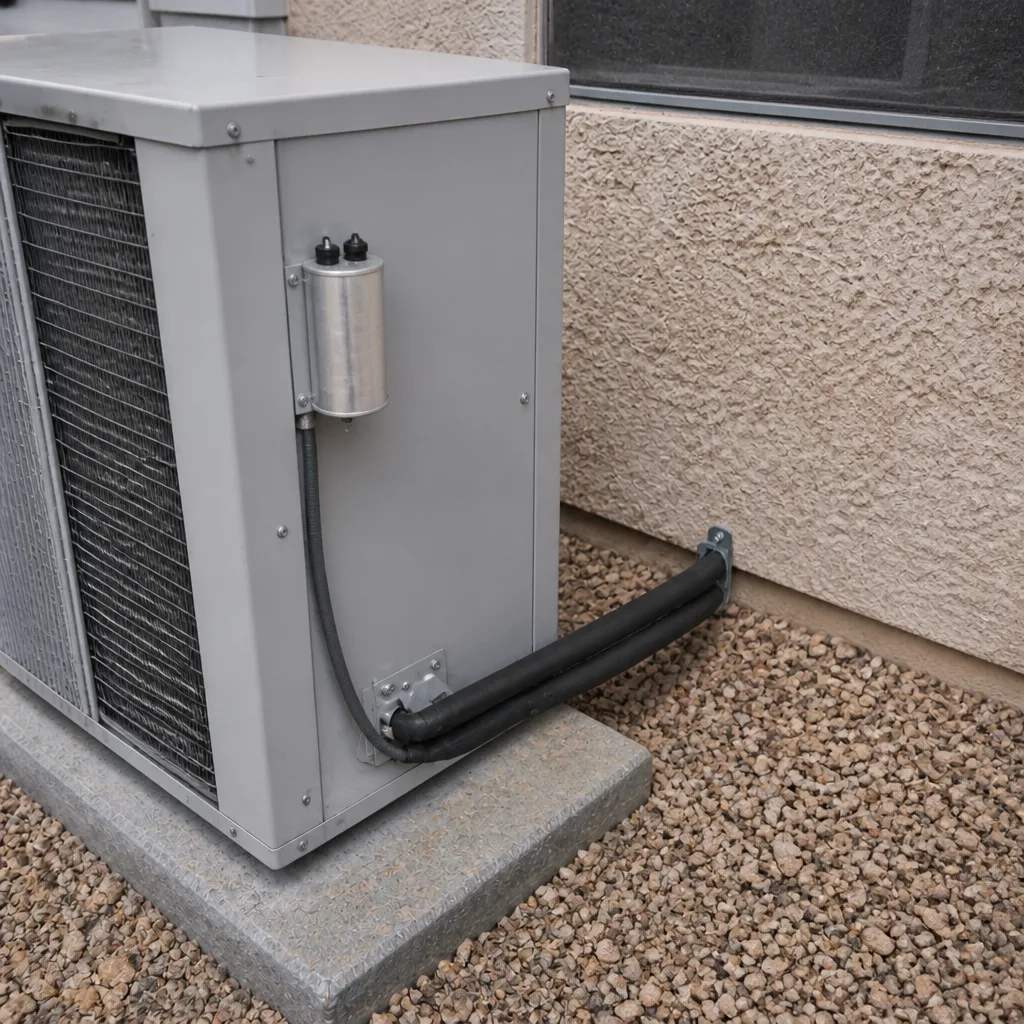
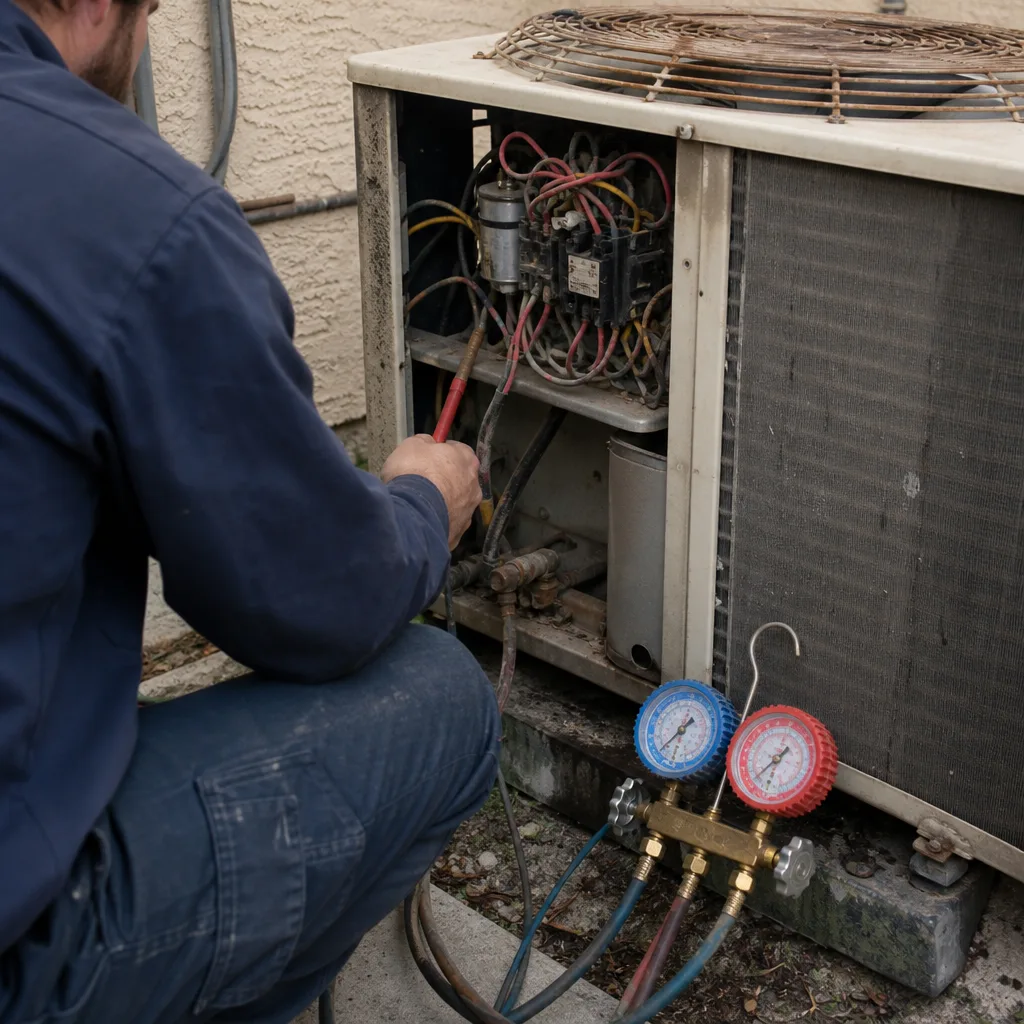
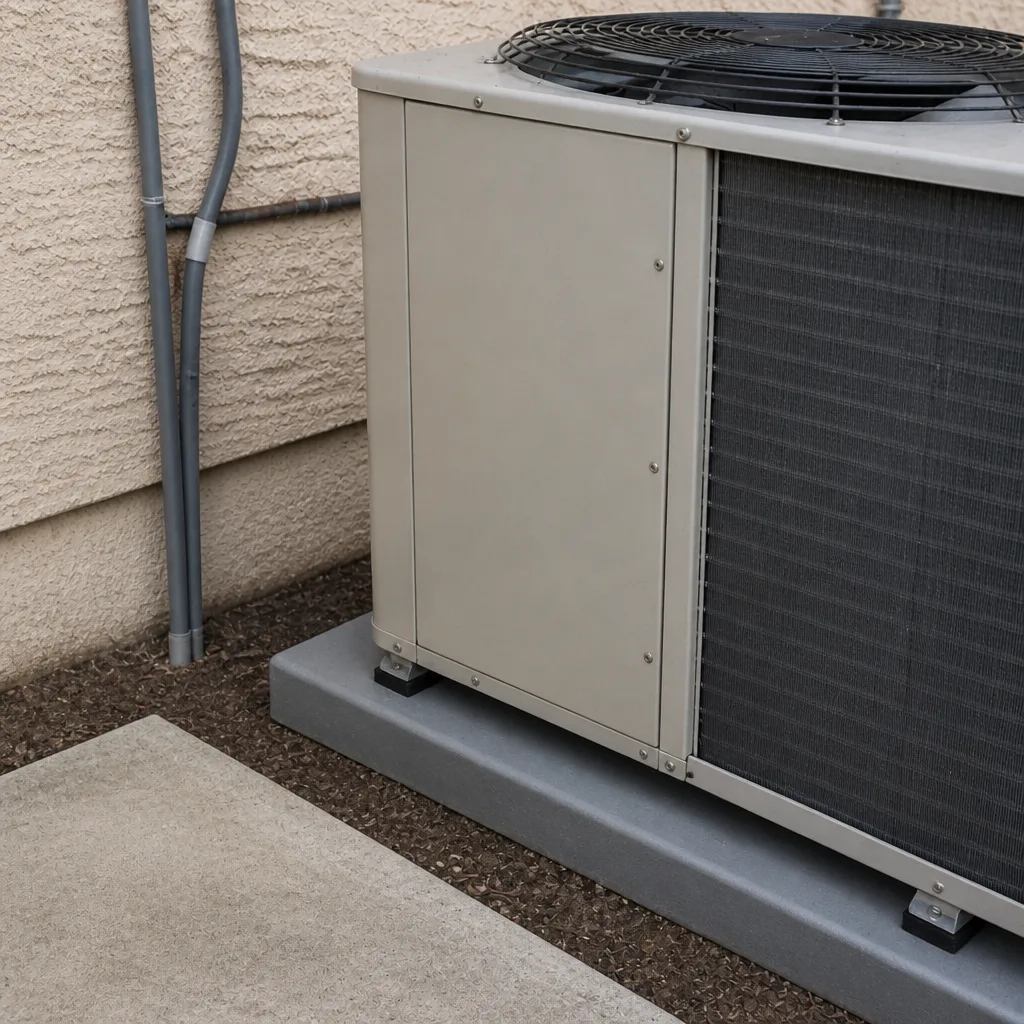
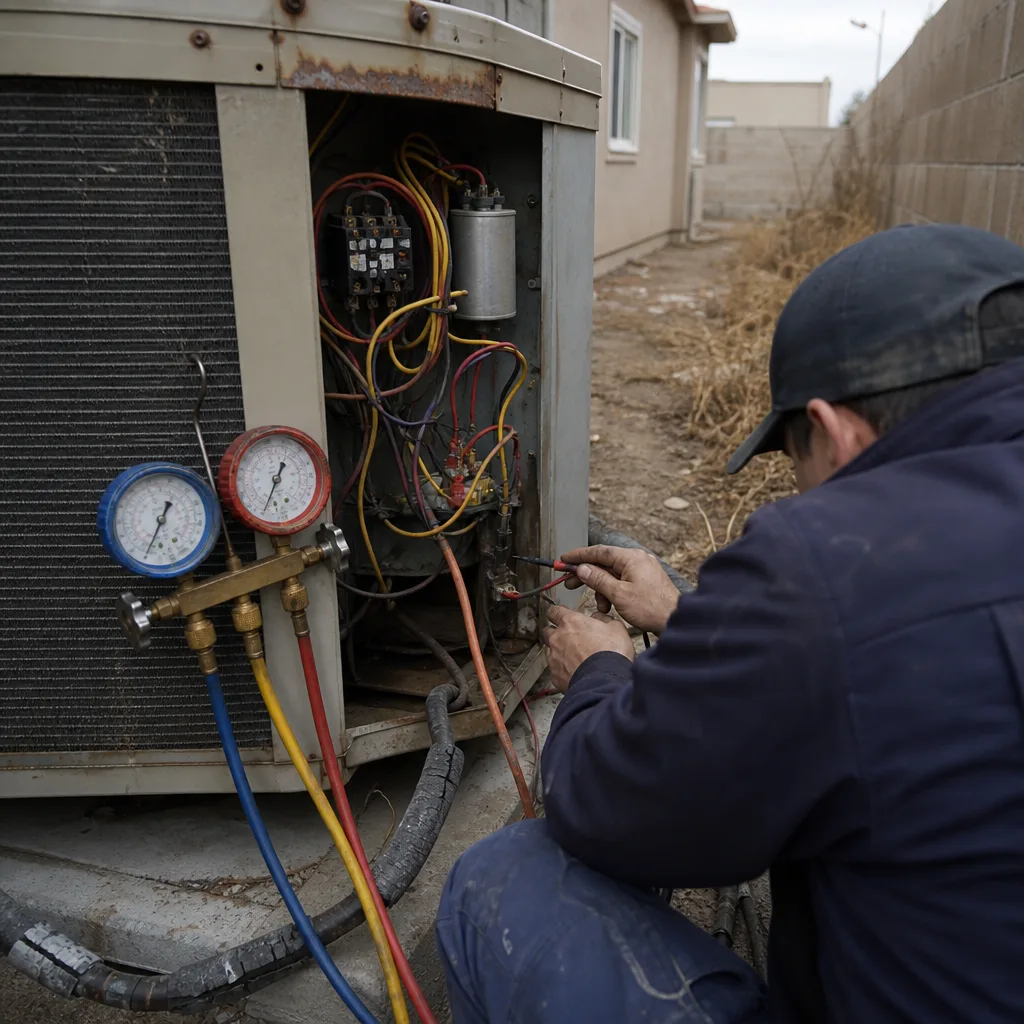
See the difference
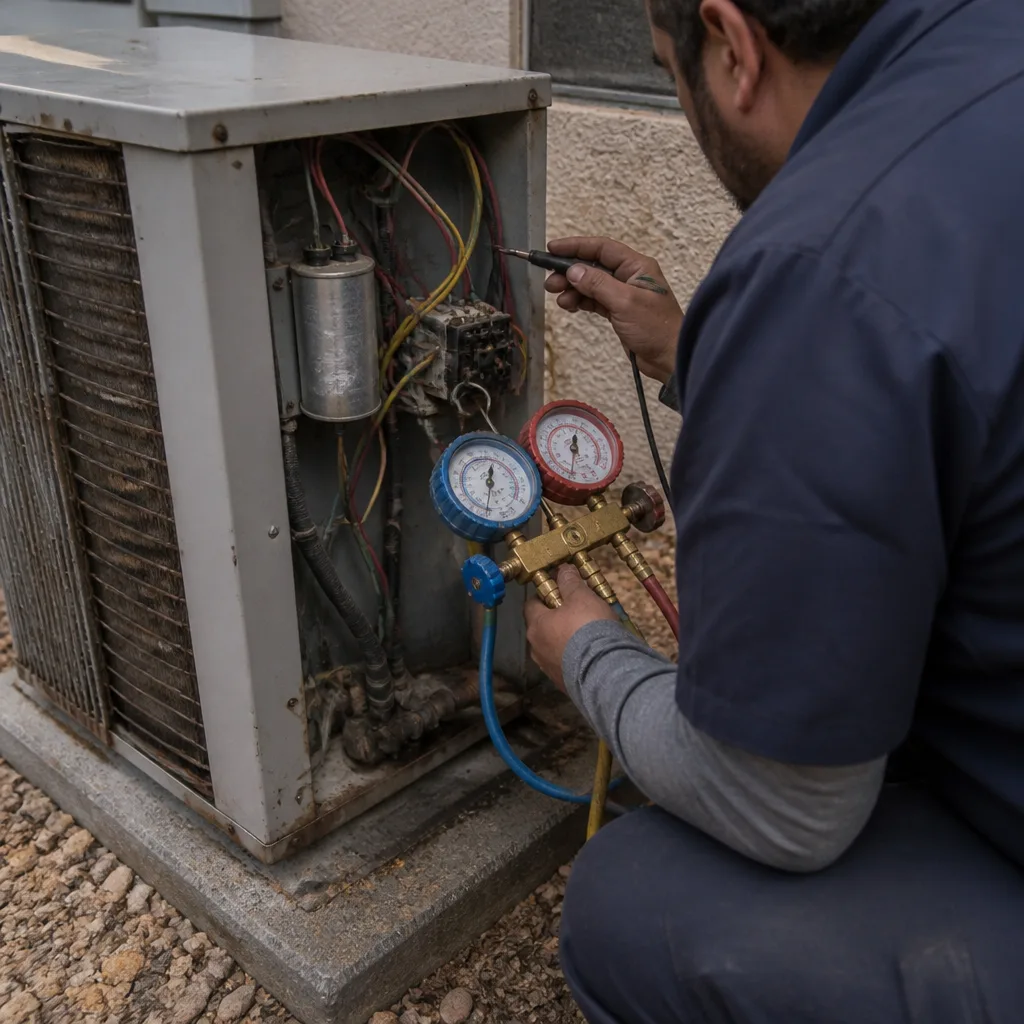 Before
 After
 Before
 After
 Before
 After
Best HVAC System for a Cold Climate in Spring Valley, NV: What Actually Fits Here
Here’s the honest answer: choose a high-SEER2 heat pump with a variable-speed air handler (Carrier, Trane, Lennox, or Daikin all build one that fits Spring Valley), and skip the cold-climate package unless you’ve got a specific reason. If you’re in Spring Valley searching for the best system for a cold climate, the most useful thing we can tell you is that you don’t live in one. Clark County’s design heating temperature is 28°F, a threshold most winters here never reach. Equipment sized and specified for Minnesota or Colorado winters will be oversized, inefficient, and mismatched to the vast majority of your annual runtime. Call (888) 268-6106 and we’ll walk through what your house actually needs.
Spring Valley is valley-floor desert with 100°F+ summers and very little shade, so your system runs near-continuously June through September. That’s the season worth optimizing for. The heating season is short and mild, and sizing decisions should follow that reality instead of a national guide written for a place with real winter.
Key takeaways
- Cooling, not heating, drives the right equipment choice in Spring Valley. Prioritize SEER2 over HSPF2.
- A cold-climate heat pump or an oversized gas furnace is usually the wrong call for this climate.
- The real cold-weather edge case here is a two-story home with attic ducts, not sub-zero temperatures.
- Ask any contractor for a written load calculation and an AHRI-matched efficiency certificate.
What Does a Load Calculation Actually Say for a Spring Valley Home?
A proper ACCA Manual J load calculation for a Spring Valley house typically shows a design cooling load two to three times the design heating load. In Denver or Minneapolis, those numbers run close to even, sometimes with heating on top. That single ratio is the whole argument.
Manual J is the industry-standard method for calculating how much heating and cooling a house actually needs, based on square footage, window area, insulation, and local design temperatures. When the cooling number dominates, your equipment decision should follow the cooling number. That means SEER2 (cooling efficiency) matters more to your bill and comfort than HSPF2 (heating efficiency). A unit built to win on heating efficiency often costs more upfront and delivers savings you’ll rarely collect in Spring Valley.
| Climate signal | Denver / Minneapolis | Spring Valley |
|---|---|---|
| Design heating temp | Well below freezing | 28°F |
| Cooling vs. heating load | Roughly even | Cooling runs 2-3x heating |
| Primary efficiency metric | HSPF2 | SEER2 |
| Dominant annual runtime | Heating | Cooling |
| Right equipment emphasis | Cold-climate heat pump or high-AFUE furnace | High-SEER2 heat pump, variable-speed air handler |
Why Cold-Climate Gas Furnaces Get Oversized in Spring Valley Tract Homes
Most of Spring Valley is 1980s through mid-2000s stucco-and-tile tract housing built during the unincorporated boom, and a lot of it still runs the original furnace. When those units get replaced, they’re often swapped for the same BTU rating as the old one, or upsized “just in case.” In this climate that’s a mistake.
An oversized furnace short-cycles: it fires, hits setpoint in a few minutes, and shuts off before reaching steady-state efficiency. The blower never settles into its efficient operating range, the heat exchanger cycles through more expansion and contraction than it should, and you burn fuel for a fraction of the useful output. A furnace correctly sized to Spring Valley’s actual heating load runs longer, steadier cycles and delivers closer to its rated efficiency.
The other thing national cold-climate content gets wrong here: Prescott and other well-known references aside, Spring Valley is unincorporated Clark County, not a city. HVAC work here runs on county building permits and a patchwork of HOA CCRs rather than a municipal code department. If you’re in a master-planned subdivision, check your HOA rules before an outdoor unit swap – some CCRs govern equipment placement and screening.
The One Real Cold-Weather Problem in Spring Valley Homes
There’s a genuine cold-weather issue here, but it isn’t the outdoor temperature. It’s the attic.
In a two-story tract home with the air handler in an unconditioned attic, the ductwork sits at near-outdoor temperature overnight in January. When the heat kicks on in the morning, part of that first cycle is spent warming the duct system before conditioned air ever reaches the living space. You feel it as a slow, lukewarm start to the morning warm-up.
The fix isn’t more heating capacity. It’s duct sealing and insulation on the runs feeding the second floor. Long second-floor duct runs in these subdivision plans are a chronic cause of “upstairs never cools” calls in summer, and the same runs cause the sluggish morning warm-up in winter. Stucco walls bake through the day, so attic and garage-mounted air handlers and ductwork routinely hit 140-160°F; that heat load is why duct work matters more here than furnace size. If your upstairs runs hot in July, start with the ducts, not the equipment.
What System Should You Actually Buy? A Numbered Walk-Through
Here’s the sequence we’d recommend for a Spring Valley replacement, in order:
- Get a written Manual J load calculation. This gives you the real cooling and heating loads for your specific house. A verbal “you need a 4-ton” is not a load calculation.
- Spec a high-SEER2 heat pump with a variable-speed air handler. Variable-speed lets the system run at lower capacity for longer, which matches the long cooling season and handles the mild winter without short-cycling.
- Size auxiliary electric heat strips only for the rare sub-35°F night. You don’t need heat strips sized for a cold climate. They’re a backup, not the primary heat source.
- Ask for the AHRI certificate. AHRI is the Air-Conditioning, Heating, and Refrigeration Institute. Its certificate confirms the matched-system efficiency rating – the number that actually counts when you compare quotes, because a high-efficiency outdoor unit paired with a mismatched indoor coil won’t deliver the rated SEER2.
- Have the ductwork evaluated at the same time. In a 1980s-2000s two-story, sealing and insulating the attic runs often does more for comfort than the equipment swap.
Dalton Heating & Air Spring Valley provides the AHRI-certified matched-system efficiency sheet and a written load calculation as part of any replacement proposal, not a verbal estimate. Our technicians have up to 23 years of experience, and we service nine major residential brands including Carrier, Trane, Lennox, and Daikin. Every job comes with a written price before any work starts and a written guarantee on every repair – the repair is guaranteed in writing for a full year, and if it fails in that time, we return at no charge.
If you’re comparing this against your existing furnace, our Heating & Furnace in Spring Valley page covers repair and replacement costs in detail. You can also start from our home page to see how we work.
What Do These Systems Cost in Spring Valley?
Installation in Spring Valley runs $3,500-$7,500 for a full system, depending on tonnage, SEER2 rating, and whether duct work is included. Repair work is separate and depends on the part.
| Service | Typical Spring Valley range |
|---|---|
| AC installation (full system) | $3,500-$7,500 |
| AC repair | $150-$650 |
| Furnace repair | $150-$700 |
| Tune-up | $80-$200 |
Given the 100°F+ summers and monsoon dust that loads condensers and filters, a tune-up twice a year is cheap insurance against a mid-July failure. Refrigerant charge and condensate drain issues show up fast in this climate, and a $80-$200 tune-up catches them before they turn into a $650 repair.
FAQs
No, not for most Spring Valley homes. A cold-climate heat pump is built to hold capacity well below freezing, and Clark County’s design heating temperature is 28°F, a mark most winters here never reach. You’d pay a premium for low-temperature performance you won’t use. A standard high-SEER2 heat pump with a variable-speed air handler and modest auxiliary heat strips is the better fit. Call (888) 268-6106 for an exact quote – assessments are free.
Prioritize SEER2. SEER2 measures cooling efficiency and HSPF2 measures heating efficiency, and in this climate your system spends the overwhelming majority of its runtime cooling. A higher SEER2 rating pays back over the long June-through-September season; a higher HSPF2 rating rarely does here. Call (888) 268-6106 and we’ll compare the matched-system ratings side by side.
Short-cycling usually means the furnace is oversized for the actual heating load. It fires, hits setpoint in minutes, and shuts off before reaching steady-state efficiency, which raises wear and fuel cost. In a lot of Spring Valley tract homes the replacement unit was sized off the old one instead of a fresh load calculation. Call (888) 268-6106 for a no-pressure assessment.
Same-day installation isn’t typical for a full system replacement, since a proper job includes a load calculation, matched-system verification, and often duct work. We’ll give you a written price before any work starts and arrive inside the stated window. For urgent no-heat or no-cool calls, call (888) 268-6106 and a live person answers 24/7.
If you’d rather have it looked at, Dalton Heating & Air Spring Valley offers a no-pressure assessment in Spring Valley – call (888) 268-6106. You’ll get the price in writing before any work begins, and the repair is guaranteed for a full year. Give us a call and we’ll tell you straight whether your current system is the problem or whether it’s the ducts.
Written by the team at Dalton Heating & Air Spring Valley, serving Spring Valley, NV.