
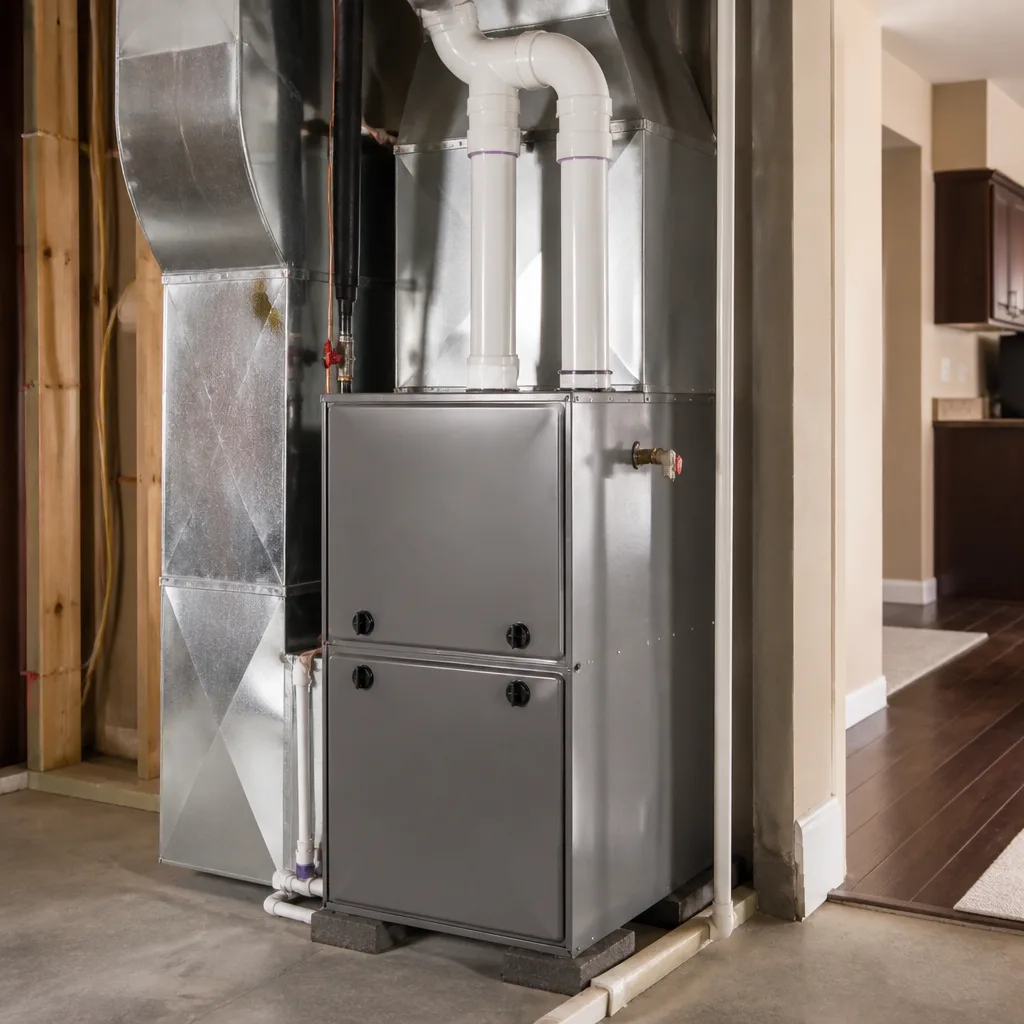
 Furnace & heating
 AC repair
 Heat pumps
 Ductless mini splits
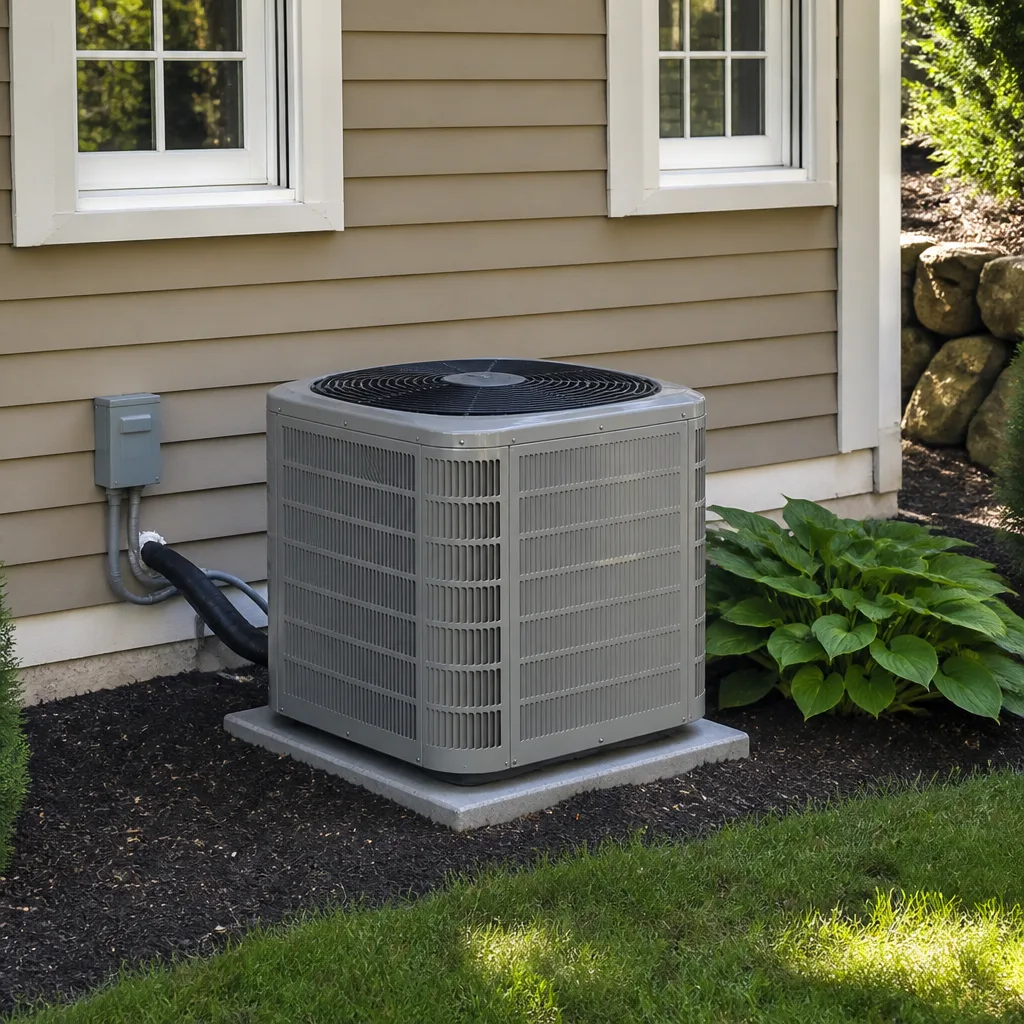 Carrier
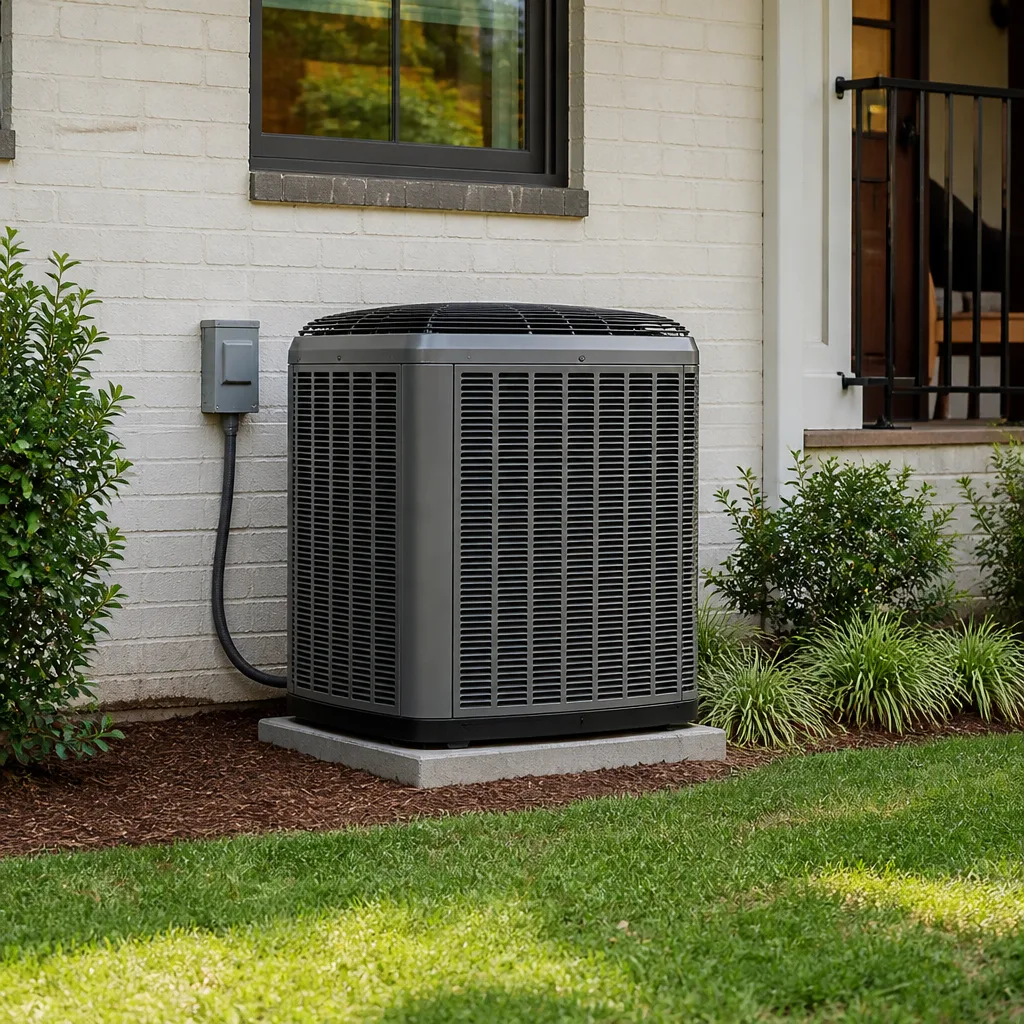 Trane
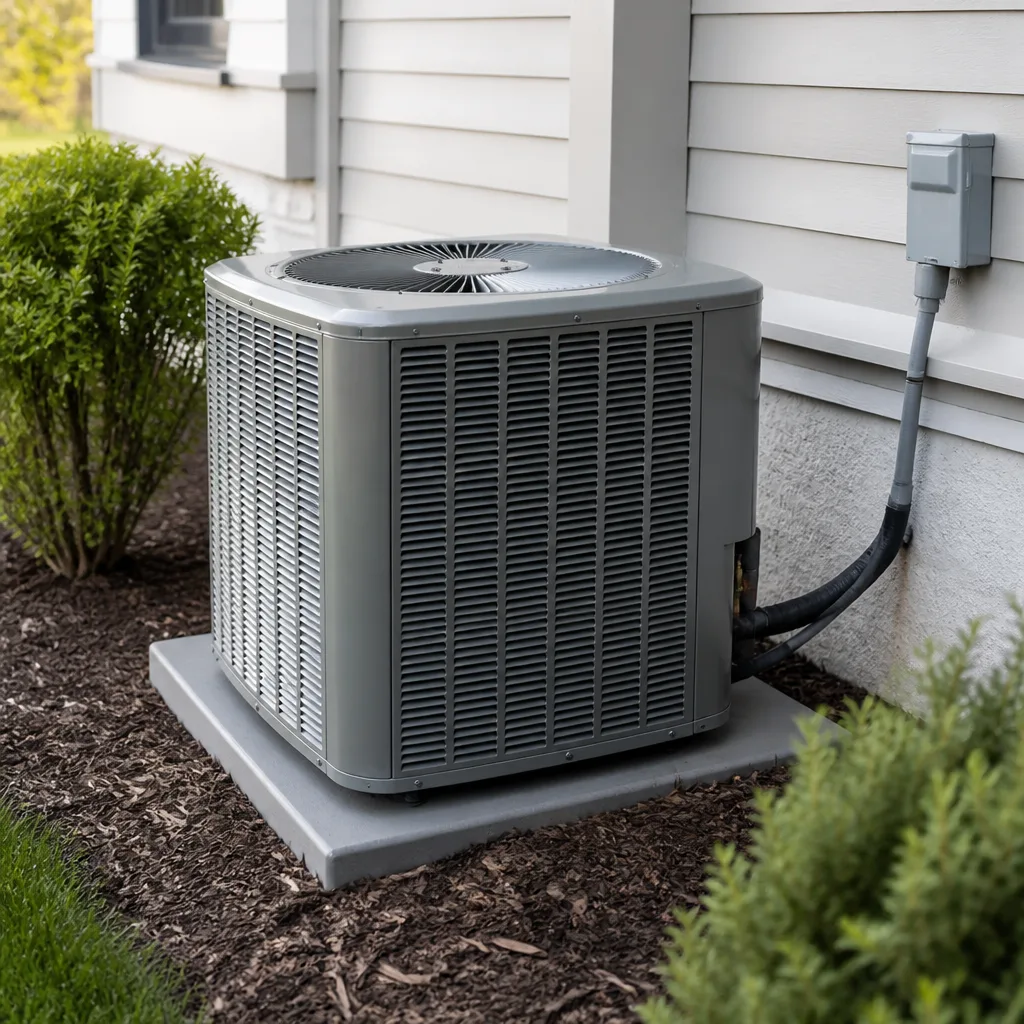 Goodman
Seasonal tune-up and full diagnostic on your Carrier, Trane, or Goodman system - readings shown to you before any repair is proposed
Diagnosis first, numbers second - you approve the repair price before a single part goes in.
Get your free estimateStyles & brands we work with
- AC repair
- Furnace & heating
- Heat pumps
- Ductless mini splits
- Carrier
- Trane
- Goodman
See the difference
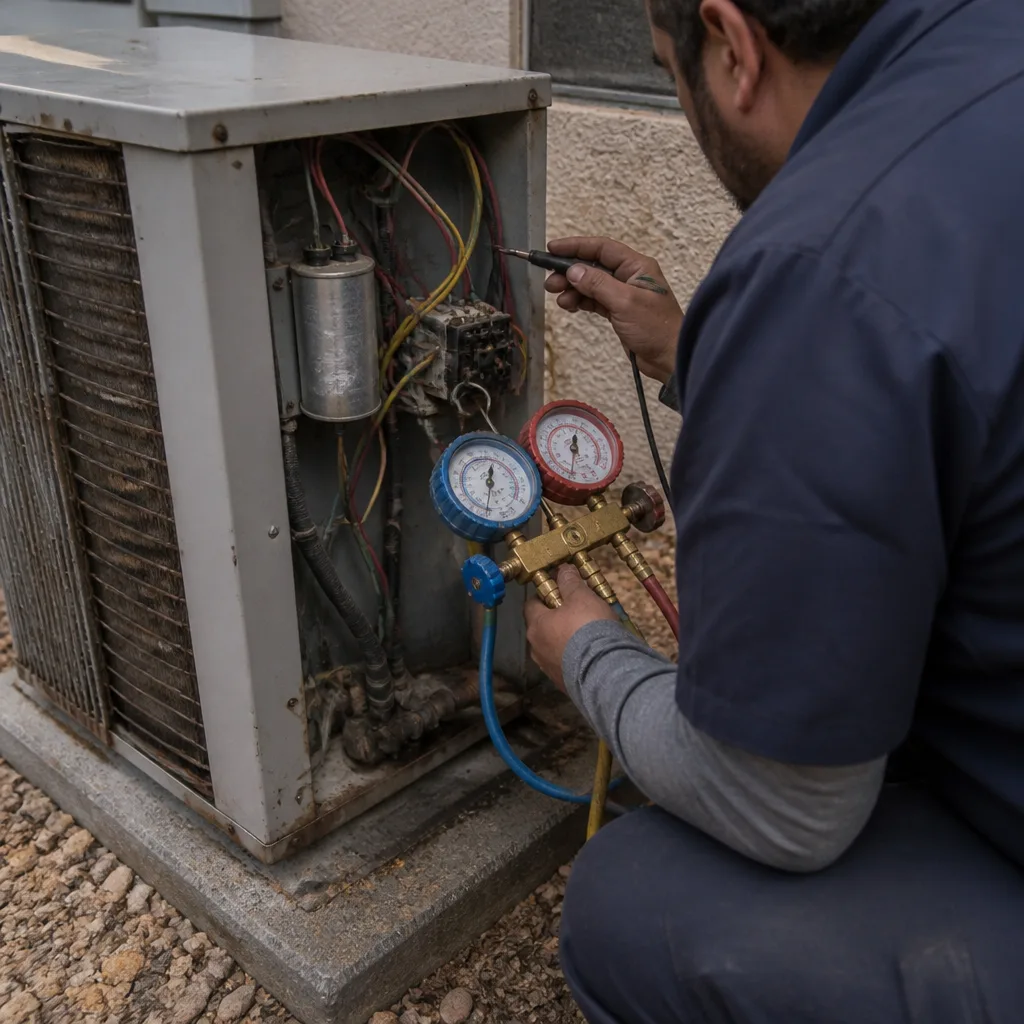 Before
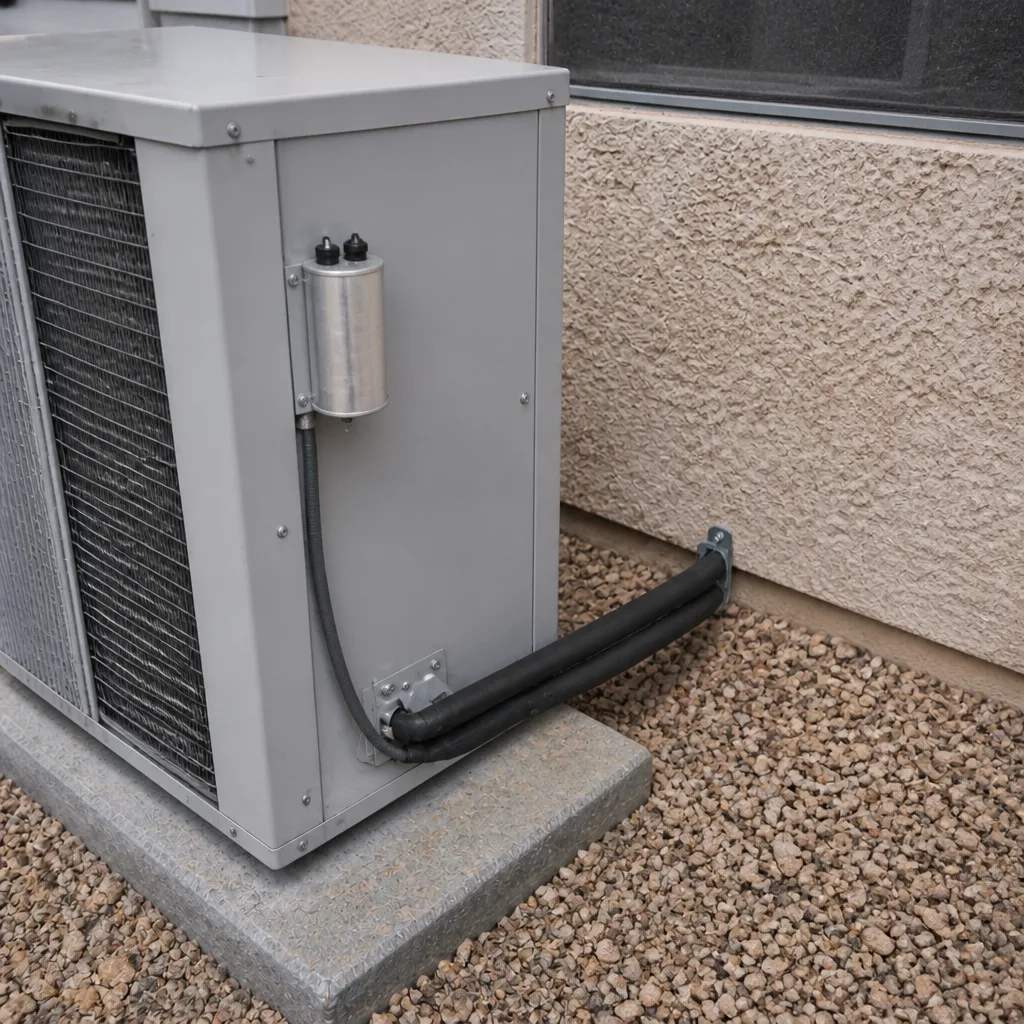 After
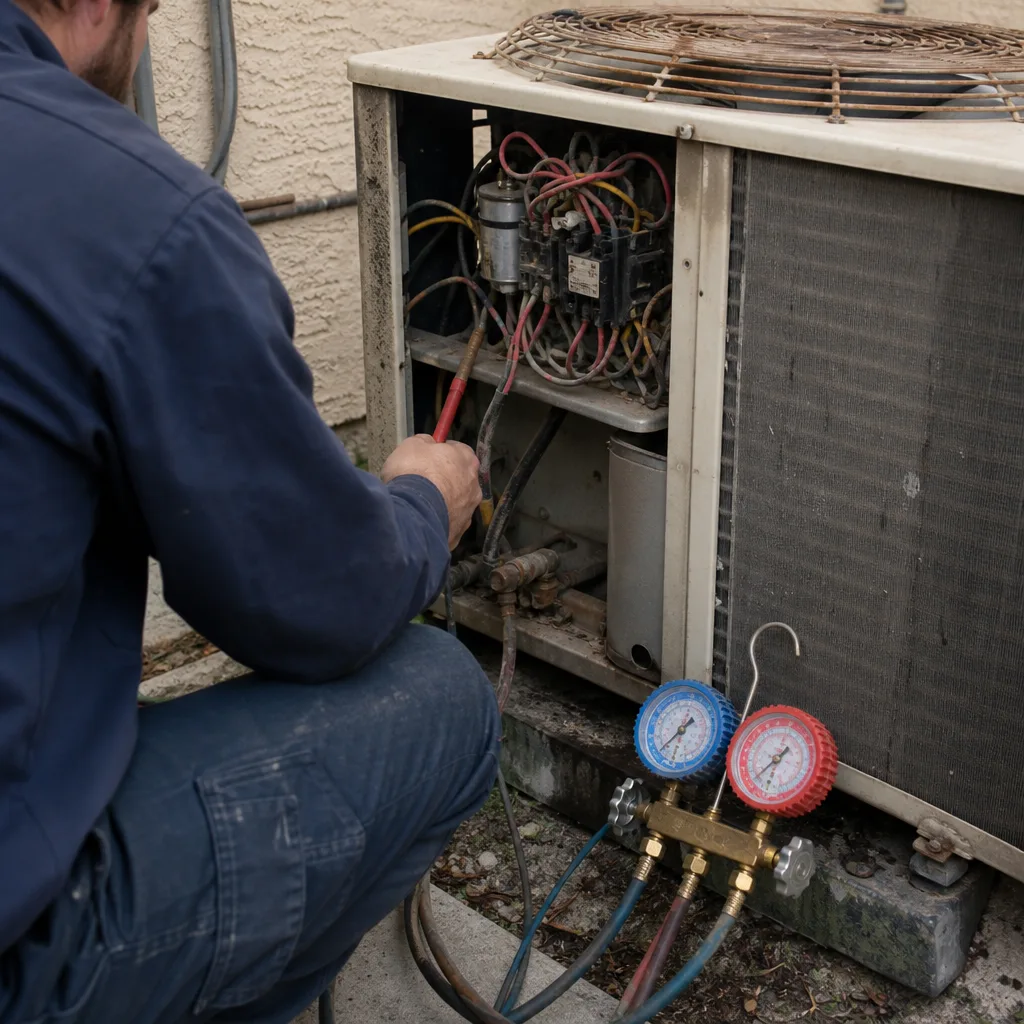 Before
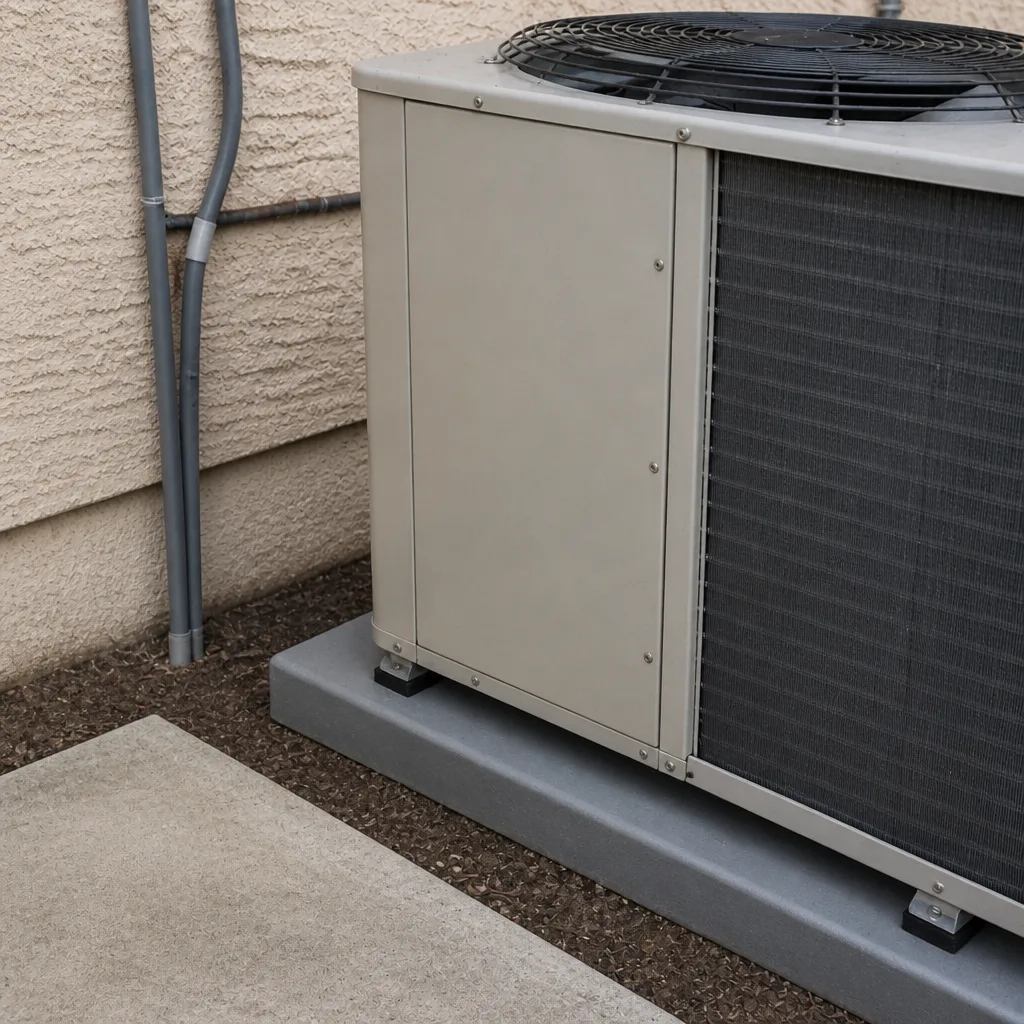 After
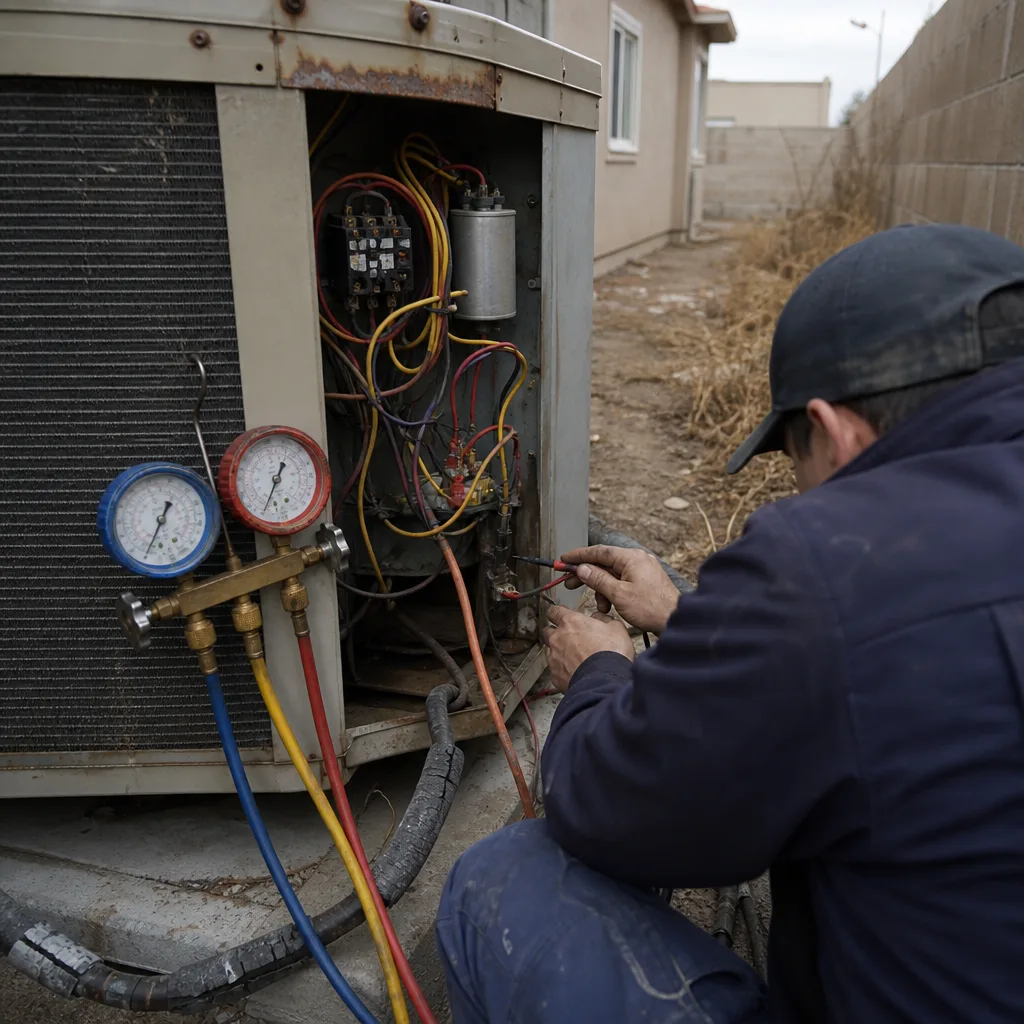 Before
 After
Furnace Blowing Cold Air in Spring Valley, NV? Here’s the Most Likely Cause
The short answer: in Spring Valley, a furnace blowing cold air is usually a tripped high-limit switch caused by restricted airflow, and a clogged return-air filter is the most common trigger. The furnace lights, runs warm for about a minute, then the safety switch cuts the burners to protect the heat exchanger, and the blower keeps pushing air through the ducts. That air feels cold because nothing is heating it anymore. If you’ve been through one cold snap with cold registers, call (888) 268-6106 and we’ll tell you what’s going on.
Dalton Heating & Air Spring Valley is a Garrison Partners company, and we’ve worked on enough valley-floor homes to know this pattern well. Here’s why it happens here more than most places, and what actually fixes it.
Why Spring Valley Furnaces Trip in December After a Dusty Summer
Our monsoon season runs July through September, and it loads return-air filters with fine grit and wind-driven dust long before you think about turning on the heat. A filter installed in June can be heavily packed by September. If it doesn’t get changed in October, the furnace trips its high-limit switch on the first genuinely cold night in December. We see this every winter across the tract subdivisions off Spring Valley Parkway and Desert Inn, and it’s almost always predictable.
Here’s the plain version of what the high-limit switch is: a thermal safety device mounted near the heat exchanger. When airflow is restricted, the heat exchanger gets too hot, and the switch shuts the burners off before anything warps or cracks. The blower motor keeps running on purpose, moving air across the hot metal to cool it down. So you get a furnace that lights, runs warm for 60 seconds, then blows cold. The furnace is doing its job. The airflow is the problem.
The 90-Day Filter Trap
Most homeowners follow a 90-day filter schedule, which is fine for a lot of climates but not for ours. Between monsoon grit and the way these homes run continuously June through September, that interval falls short. A post-summer filter change is the single cheapest habit that prevents a December cold-air call. It’s worth doing before the first heating call, not after.
The Other Causes, In the Order We Find Them in Spring Valley
Once we rule out airflow, we work through the ignition and gas side. The causes below cover most of what we see in Spring Valley homes. A quick word on safety first: the components here handle gas and high voltage, and the heat exchanger carries combustion byproducts. This isn’t a DIY checklist. Use it to understand what a technician is telling you, and let a trained professional open the unit.
1. Pilot Light or Igniter Failure
Older tract-era furnaces here use a standing pilot light, and garage drafts can blow it out. Newer units use a hot surface igniter, a small ceramic element that glows to light the gas; these tend to fail after 7 to 10 years of service. A failed igniter means the burners never light, so the blower just moves cold air.
2. Gas Valve Problems
If the igniter glows but the burners don’t fire, the gas valve may not be opening. Sometimes it’s a valve, sometimes it’s the control board not sending the signal. Either way it needs a meter and a trained eye, not guesswork.
3. A Fouled Flame Sensor
The flame sensor is a small rod that confirms the burners lit. Oxidation builds up on it, especially in garage-mounted units exposed to dust and the humidity swings we get between summer and winter. A dirty sensor reads “no flame” and shuts the gas off a few seconds after ignition. That’s another furnace that lights and then goes cold.
What a Repair Typically Runs in Spring Valley
Most furnace repairs here land somewhere in the $150 to $700 range depending on the part and the labor. Here’s how it usually breaks down:
| Service | Typical Spring Valley Range |
|---|---|
| Furnace repair (diagnosis + common part) | $150-$700 |
| Filter change (part of a tune-up) | Included in tune-up |
| Annual tune-up / safety check | $80-$200 |
| AC repair (for reference, same visit often) | $150-$650 |
Every job gets a written price before any work starts. No surprise at the door. And every repair carries a written guarantee for a full year; if it fails in that time, we come back at no charge under our 365-Day Done Right Promise. That’s The Garrison Standard, and it applies to every call.
When the Furnace Lives in the Attic: The Two-Story Problem
A lot of Spring Valley two-story homes on the west side have their air handler in the attic. Stucco walls bake through the day, so that attic swings from roughly 150°F in summer down to about 50°F in winter. That temperature range is hard on electrical components, and it’s a common reason a furnace acts up intermittently. A control board can lock out the heating cycle in a way that looks exactly like a cold-air problem but is really a fault the board is holding in memory.
This is where a proper diagnosis matters. Replacing the wrong part is how a cheap repair turns into an expensive one. We read the fault codes, test the components in order, and explain what we found in plain terms before we quote anything. You’ll know what failed and why before you approve the work.
If you want the broader picture on system performance across these homes, our page on Heating & Furnace in Spring Valley covers tune-ups and seasonal checks, and you can always start from our home page to find the service that fits.
How to Tell What’s Wrong Before You Call
- Check the filter. Pull the return-air filter and hold it to a light. If you can’t see through it, that’s your likely culprit. Replace it and try again.
- Watch the first 90 seconds. Does the furnace light, run warm briefly, then go cold? That points to the high-limit switch. Does it never light at all? That points to ignition, gas valve, or flame sensor.
- Listen for the blower. If the blower keeps running after the burners stop, airflow or the limit switch is the lead suspect.
- Check the thermostat. Confirm it’s set to HEAT and the fan isn’t stuck on ON rather than AUTO.
- Look for fault codes. Many modern units show a blinking LED sequence through a small window. Note the pattern; it saves diagnostic time.
If steps 1 and 2 don’t clear it, the next step is a technician. That’s the safe call. Burners and heat exchangers are not a place to experiment.
Why Spring Valley Keeps Calling Dalton Heating & Air Spring Valley
Spring Valley is unincorporated Clark County, not a city, so HVAC work here runs on county building permits and a patchwork of HOA rules rather than a municipal code department. That’s part of why the housing stock looks the way it does: mostly 1980s through mid-2000s single- and two-story stucco tract homes with tile roofs. Many original units are now 20+ years old. We work on those systems every week, and we service the nine major brands, including Carrier, Trane, Lennox, and Goodman.
- Written price before any work starts. Always. Never an upgrade, never a surprise.
- Live phone support, 24/7. A real person answers, not a voicemail queue.
- Background-checked, uniformed technicians on every call. You know who’s coming before they arrive.
- Free second visit if the repair fails. If it doesn’t hold, we come back at no charge.
- Our technicians have up to 23 years of experience. That matters most when a fault is intermittent and obvious answers don’t apply.
The Garrison Code is simple: arrive inside the stated window, price in writing before starting, do the job by the book, leave the site clean, and stand behind the work for a full year. Nothing special, just the things most homeowners tell us they wish every contractor did.
FAQs
In Spring Valley, most furnace repairs run $150 to $700 depending on the part and the diagnosis. A filter and a reset may cost you nothing beyond a filter; a failed igniter or flame sensor typically sits in the lower-middle of that range, and a control board repair toward the higher end. Call (888) 268-6106 for an exact written quote before any work starts.
That’s the classic high-limit switch signature. The burners light and warm the heat exchanger, then a restricted airflow (usually a clogged filter) causes overheating, and the safety switch cuts the gas while the blower keeps running to cool the unit. Replace the filter first. If it still does it, call us – the switch itself or the heat exchanger may need a look.
We book same-day visits across Spring Valley whenever the schedule allows, and our phones are answered by a live person 24 hours a day. Call (888) 268-6106 and we’ll give you an arrival window and a written price before any work begins.
Usually repair, if the unit is under 15 years old and the fix is a filter, igniter, flame sensor, or switch. Replacement starts to make sense when the heat exchanger is cracked or when the same fault keeps returning after a proper repair. A written diagnosis tells you which side of that line you’re on. Reach us at (888) 268-6106 for an assessment.
If you’d rather have it looked at, Dalton Heating & Air Spring Valley offers a no-pressure assessment across Spring Valley – call (888) 268-6106. The price is in writing before we start, and the repair is guaranteed for a full year.
Written by the team at Dalton Heating & Air Spring Valley, serving Spring Valley, NV.