
Last updated November 17, 2026
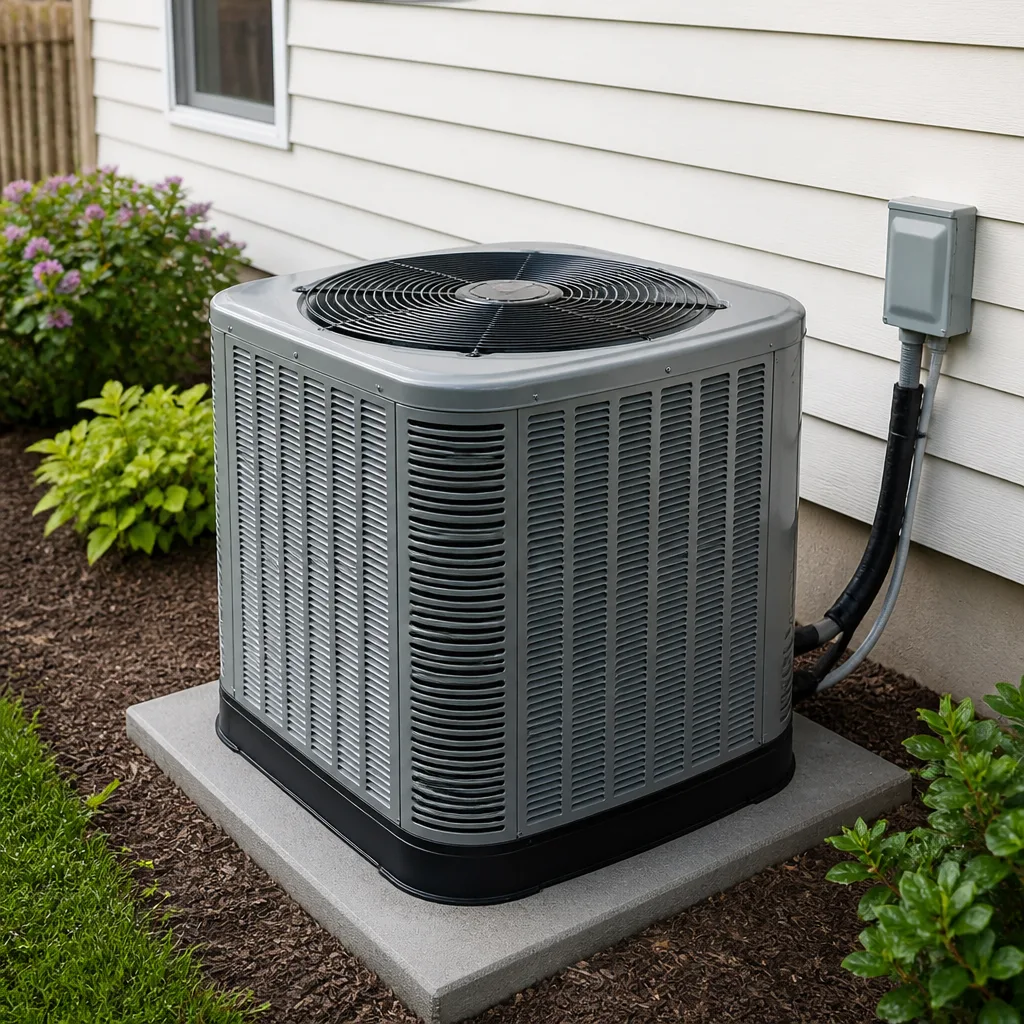 AC repair
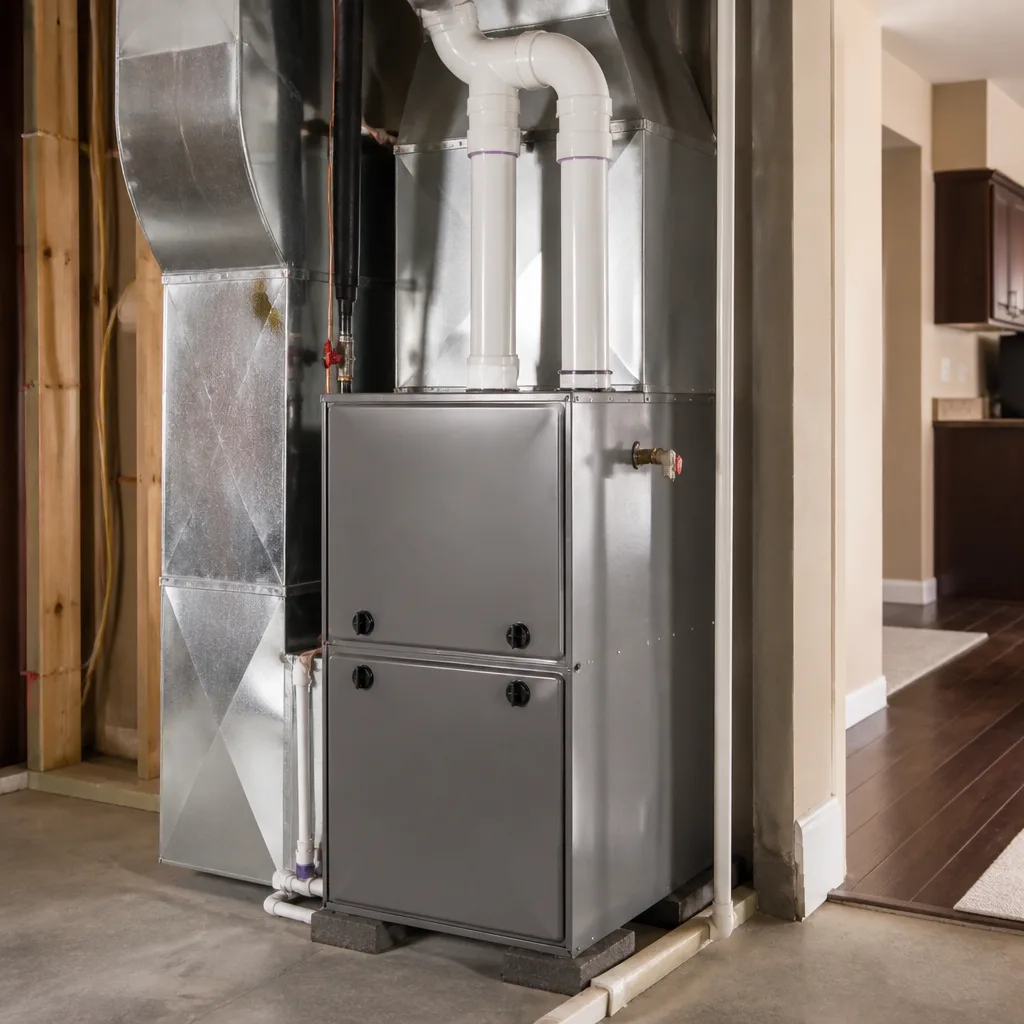 Furnace & heating
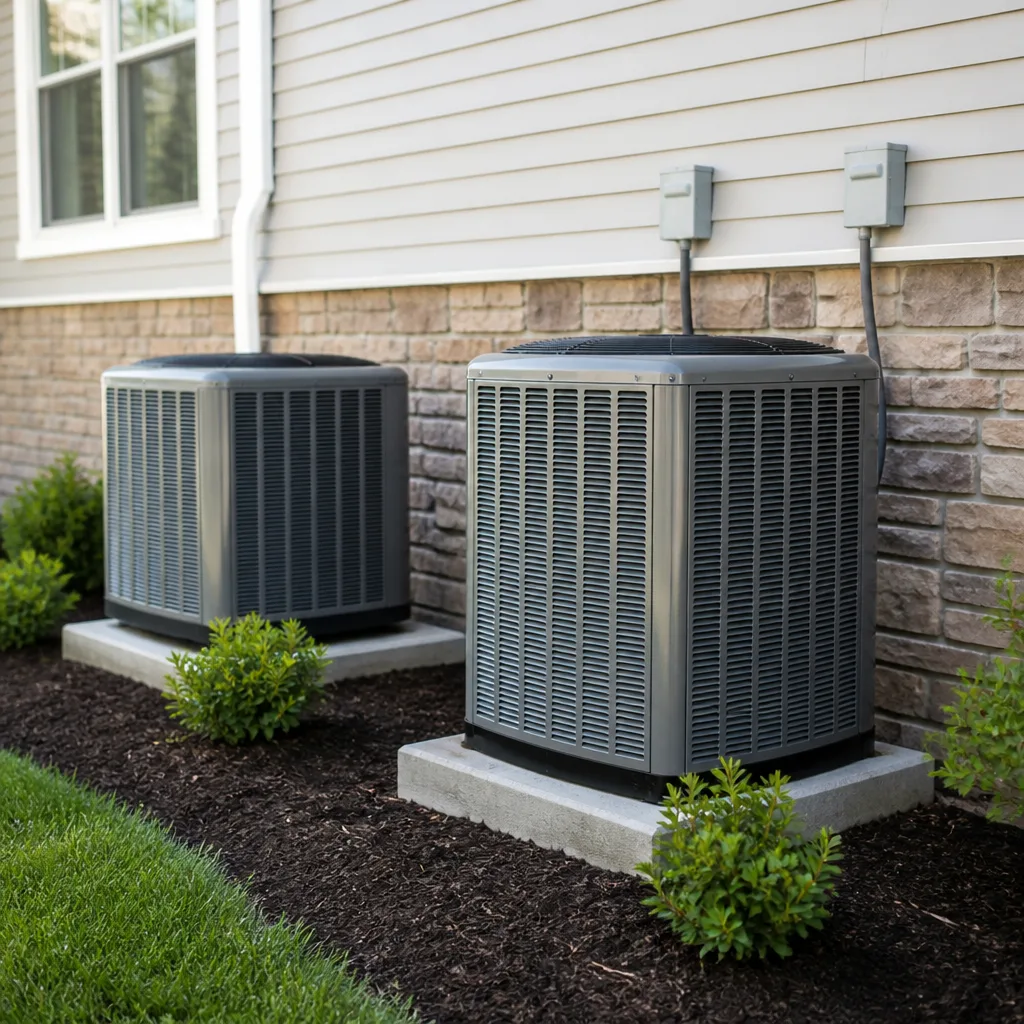 Heat pumps
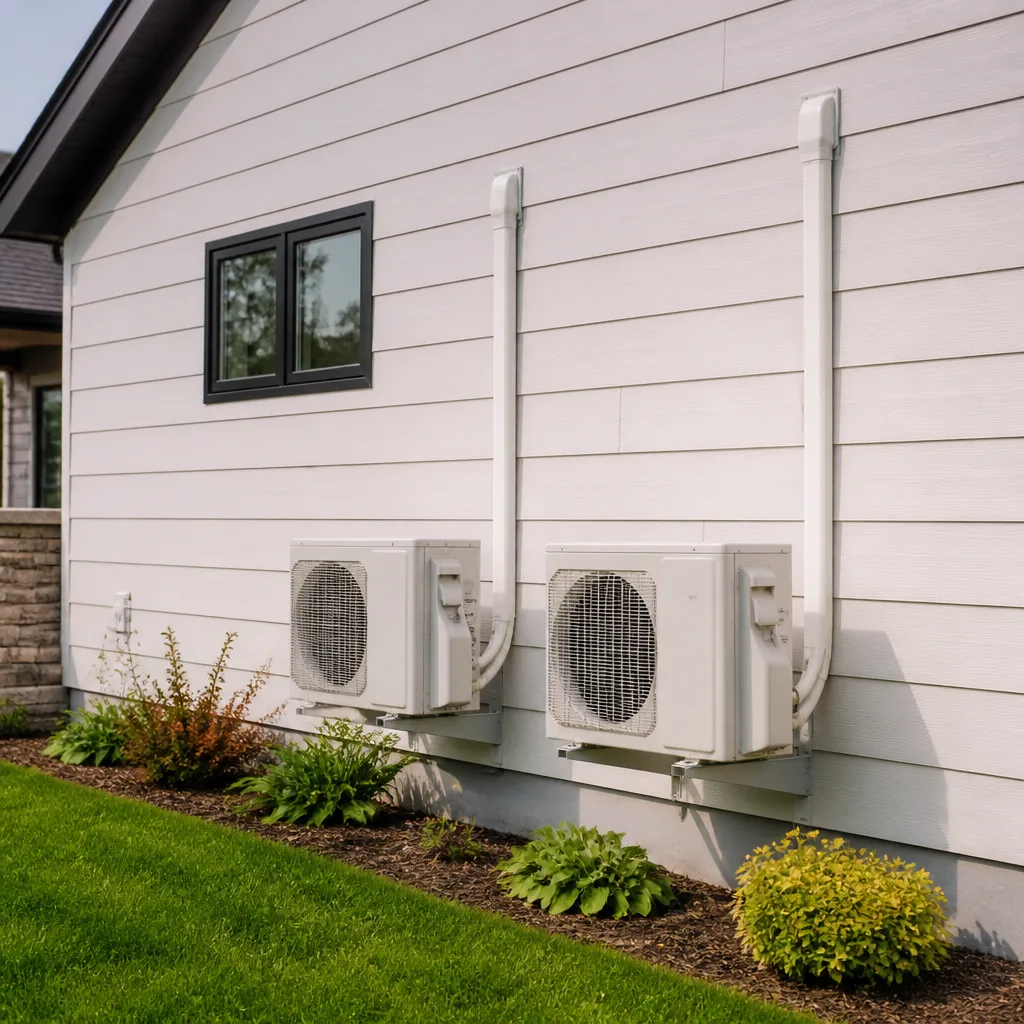 Ductless mini splits
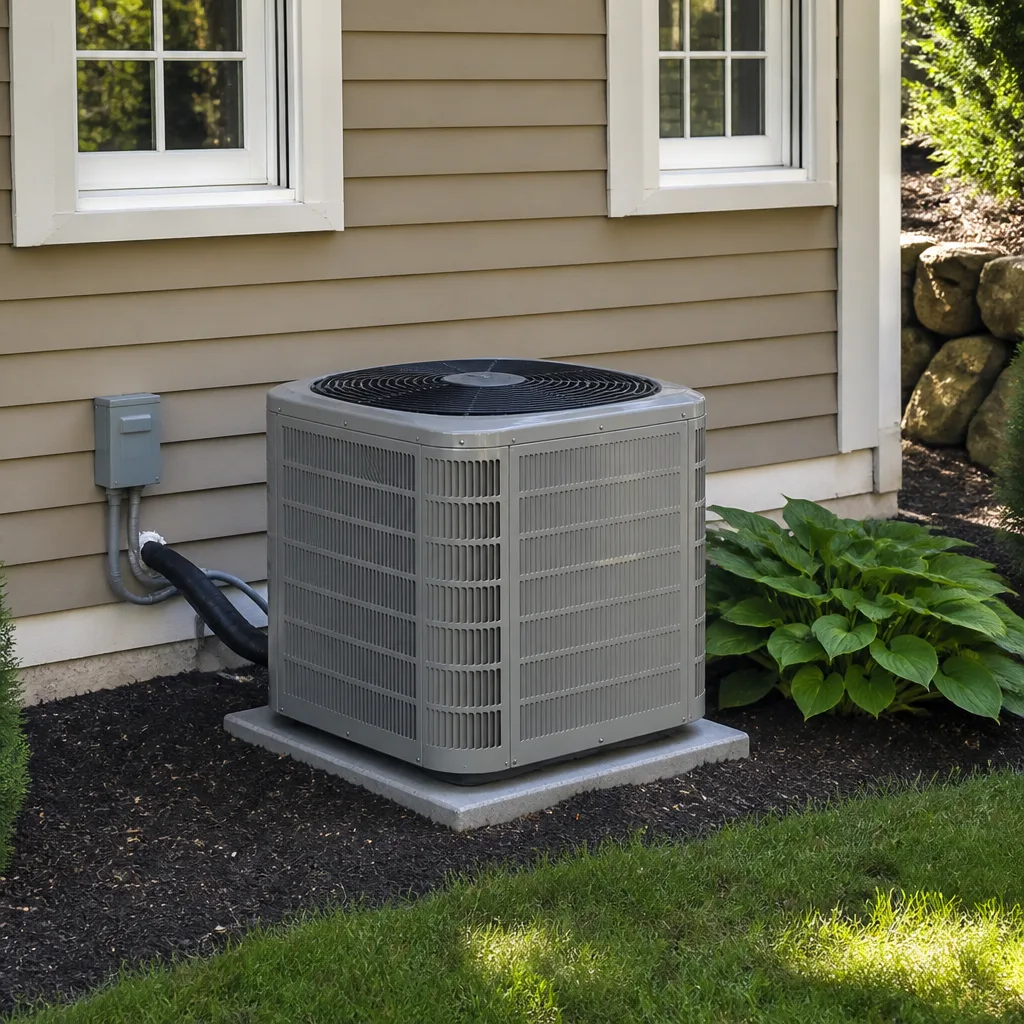 Carrier
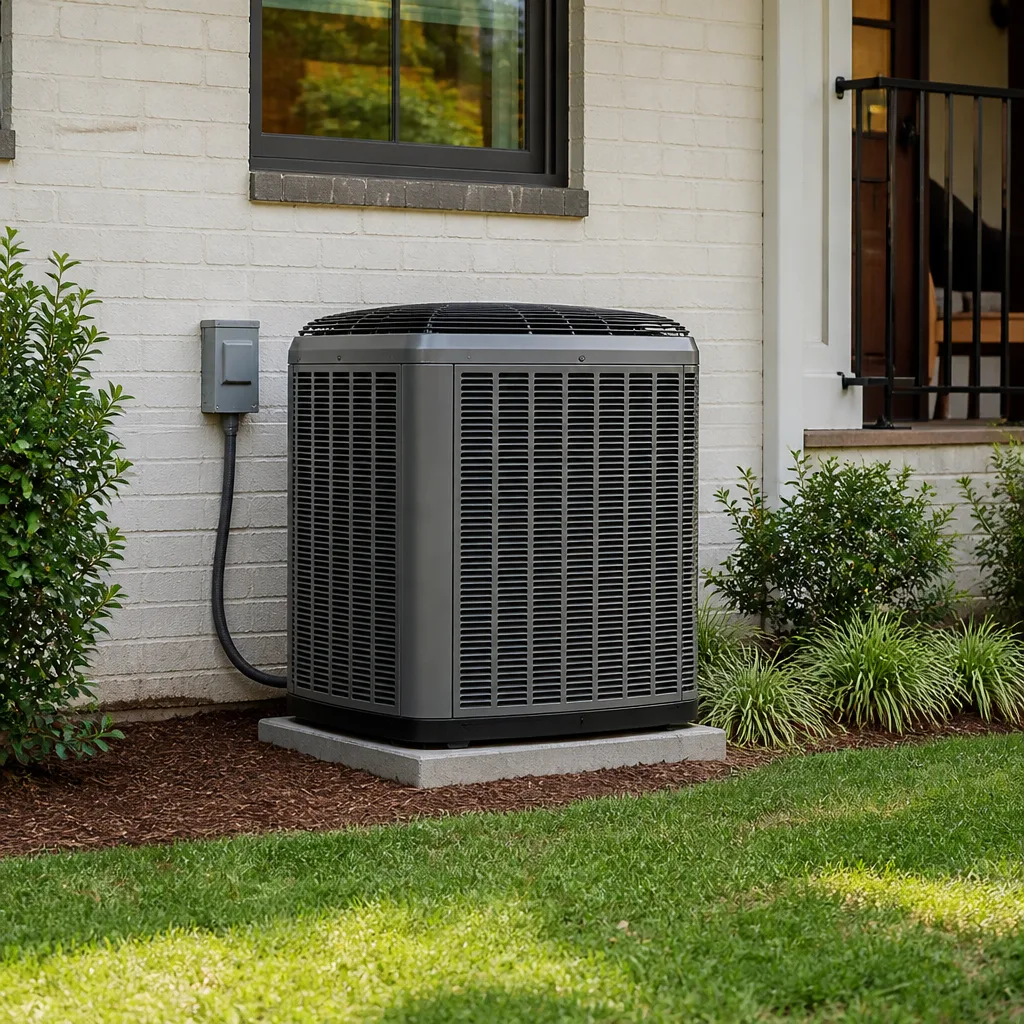 Trane
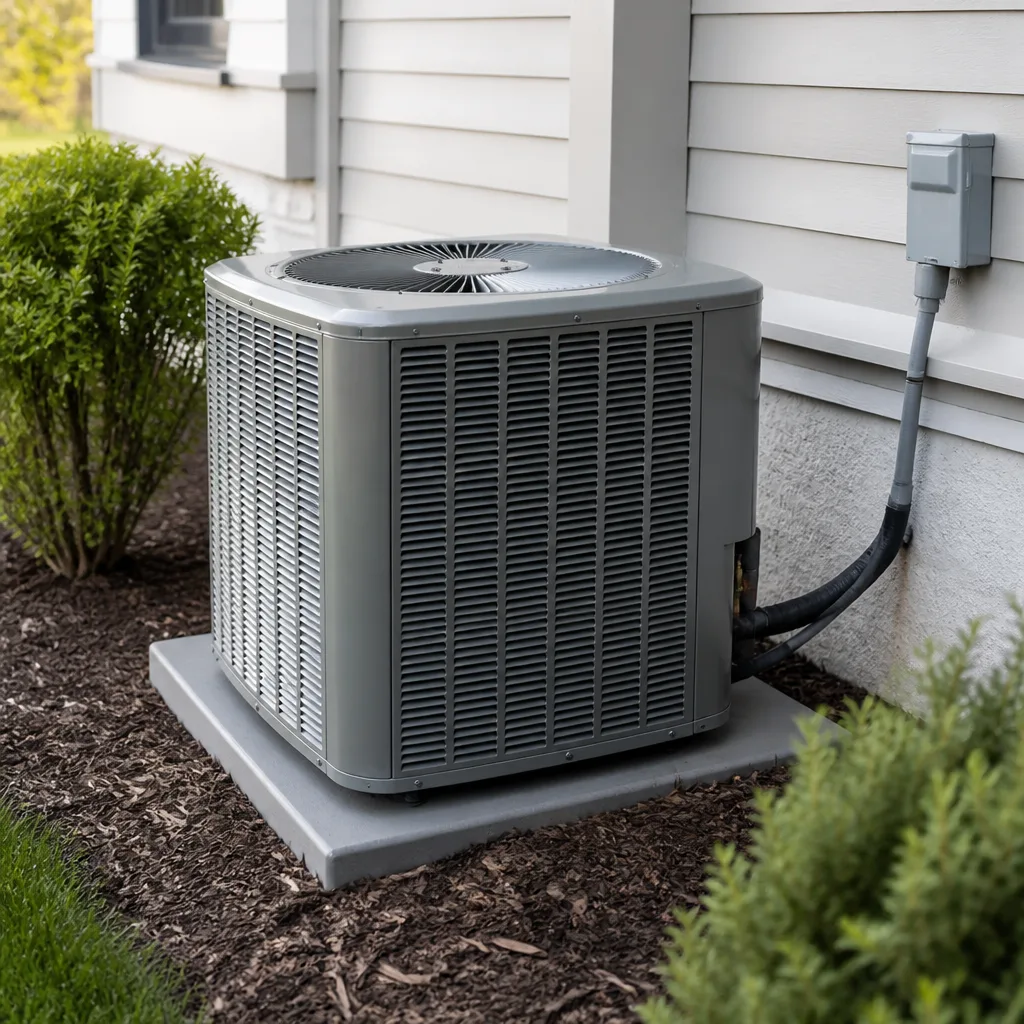 Goodman
Seasonal tune-up and full diagnostic on your Carrier, Trane, or Goodman system - readings shown to you before any repair is proposed
Diagnosis first, numbers second - you approve the repair price before a single part goes in.
Get your free estimateSeasonal HVAC Care for Spring Valley: Year-Round Homeowner’s Guide
Most HVAC maintenance advice is written for a climate with four gentle seasons. Spring Valley doesn’t have that. We get a cooling season that runs April through October and a heating season that hits hard in December and January, with two short transition windows in between. That calendar changes what your system needs and when. The homeowners who prep their AC in March, not May, catch refrigerant loss, a failing capacitor, or a caked evaporator coil before the first 100°F day. The ones who wait until it’s hot are the same ones booking ten-day wait times for repairs in June. This guide maps the actual Spring Valley year: what to check, when to check it, and how to build a maintenance log that saves you real money later.
Quick Answer
Spring Valley homeowners should do AC prep in March before the first cooling demand, heating prep in October before the furnace wakes up, and schedule non-emergency work during the shoulder months of April and November when availability is wide and pricing is better. Add monsoon-specific checks in July through September for drain pans and outdoor units. A simple written maintenance log ties it all together and backs up future warranty claims.
Styles & brands we work with
- AC repair
- Furnace & heating
- Heat pumps
- Ductless mini splits
- Carrier
- Trane
- Goodman
Table of Contents
- Why Spring Valley’s HVAC Calendar Is Different
- March: The Pre-Season AC Checklist
- April: The Spring Shoulder Month
- July – September: Monsoon Season Tasks
- October: Heating Prep in the Desert
- November: The Second Shoulder Month
- December and January: Peak Heating Season
- Building a Maintenance Log That Actually Helps
Why Spring Valley’s HVAC Calendar Is Different
A house in the Midwest runs its furnace and its air conditioner in the same week sometimes. Here they split nearly cleanly. The AC carries the load from April into October, and then the furnace sits dormant for roughly six months before December and January demand it back. That long dormancy is the part most maintenance guides ignore, and it’s where a lot of our Spring Valley repair calls originate.
Two things happen to a furnace that sits idle through a desert summer. Dust accumulates in the burners and the blower compartment, and the heat exchanger goes through its own slow cycle as outdoor temperatures swing from 110°F down to 40°F. Neither is dramatic. Both cause trouble the first cold snap.
The cooling side has the opposite problem: it never rests. Our techs have up to 23 years of experience, and the pattern is consistent. By August, a system that started the season clean is working against dust that blew in on a July haboob, a condensate line that has carried a full summer of water, and a capacitor that has run near its limit for four months straight.
Think of Spring Valley as having four practical windows rather than four seasons:
- March – the last quiet month before cooling season, the best time to catch problems.
- April – shoulder month, first real cooling, wide availability for non-emergency work.
- May – October – cooling season with the monsoon churn in the middle.
- November – shoulder month, the calm before the heating season starts.
March: The Pre-Season AC Checklist
March is the highest-value month on the Spring Valley HVAC calendar. The system hasn’t been pushed yet, so a technician has time to test instead of triage. A March visit is a routine appointment. A June visit is often an emergency with a wait list behind it. Walk through these checks before the first 100°F day:
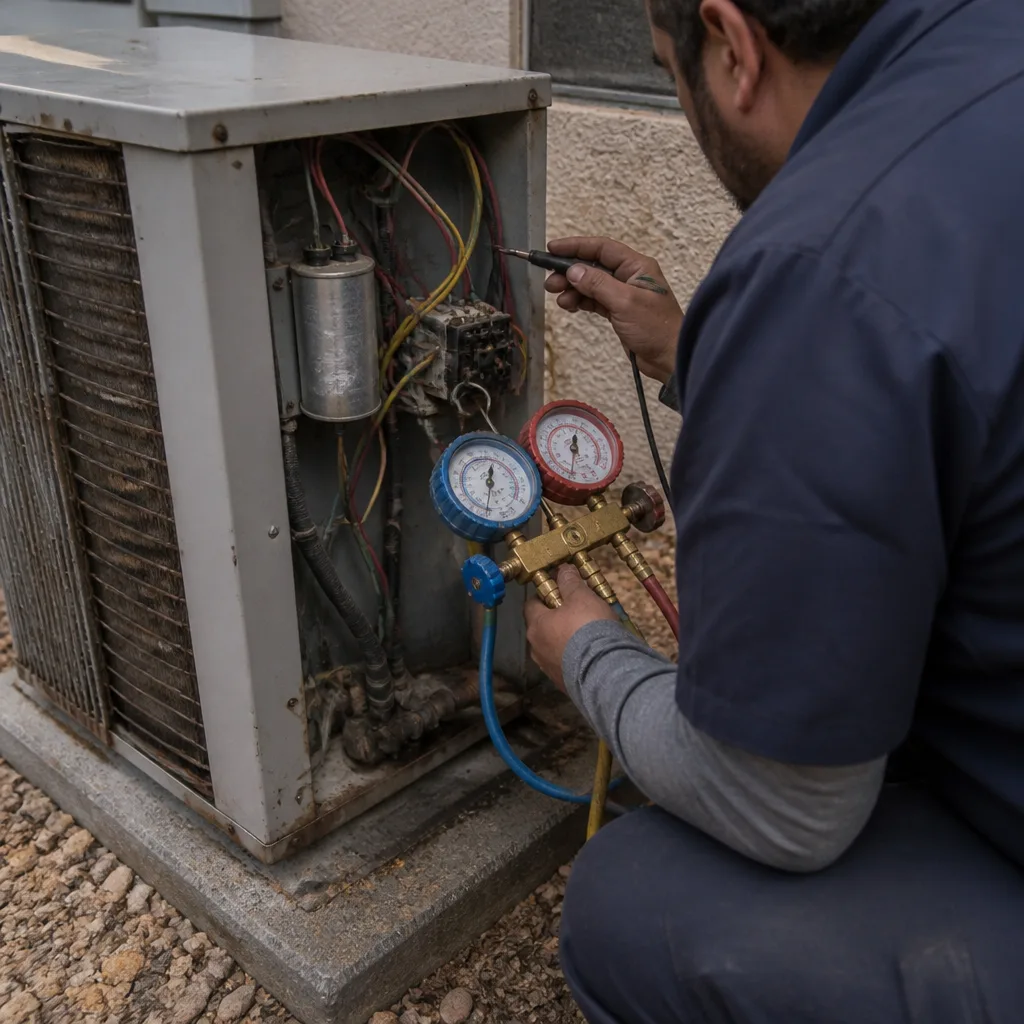
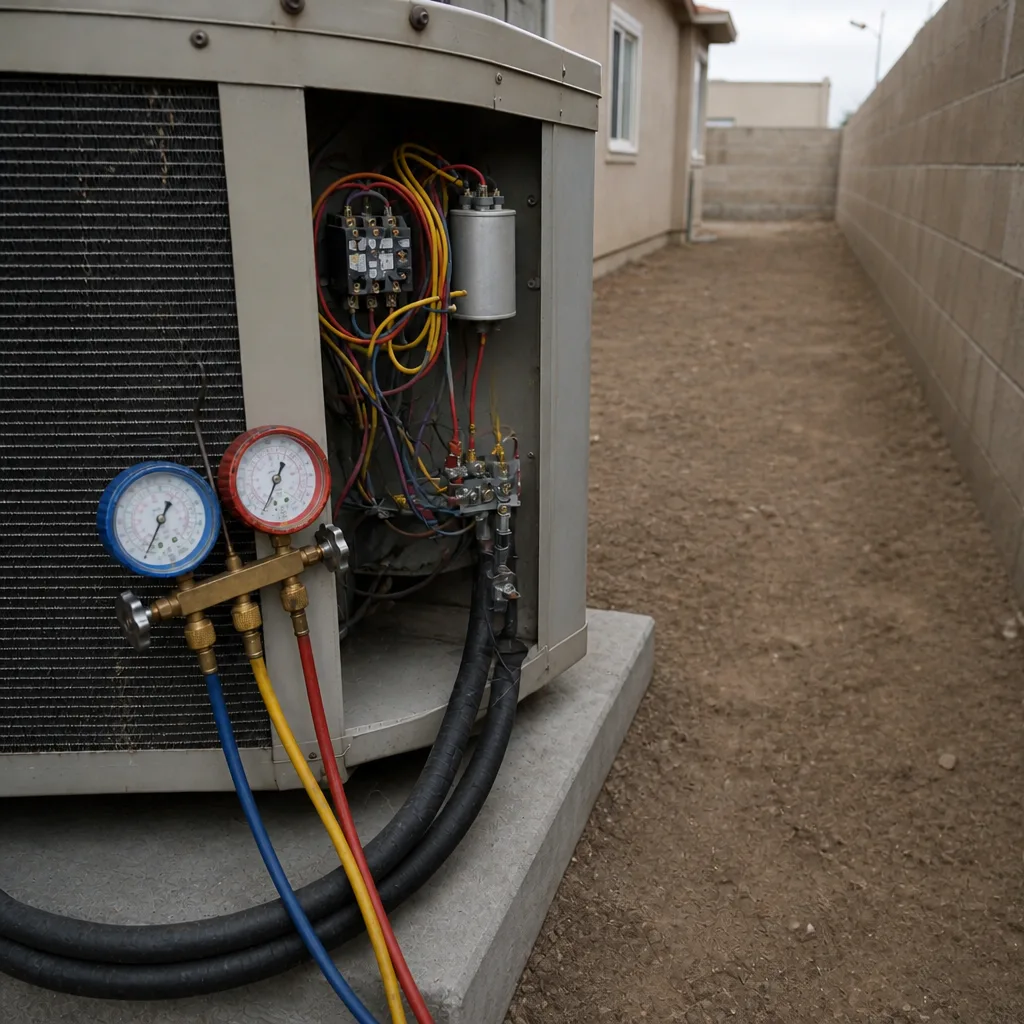
- Test the refrigerant charge. A slow leak won’t show up as a comfort problem until the system is already struggling. Testing pressure in March catches the loss before it costs you a compressor.
- Test the capacitors. These are the small components that start the compressor and the fan motor. They degrade with heat, and a weak start capacitor is the single most common reason a system won’t come on in July.
- Inspect and clean the condenser coil. The outdoor coil picks up everything in the air. A clogged coil forces the system to work harder for less cooling.
- Change the filter and note the size. Write it down for your maintenance log. Buying the wrong size filter is an easy mistake made twice.
- Check the condensate drain line. Pour water through it and confirm it drains freely. A clogged line is a common summer call.
- Verify thermostat operation. Cycle it between modes and confirm the system responds. A thermostat that lags or misreads costs you on every cycle.
- Inspect the outdoor disconnect and wiring. Age and sun exposure cause wear on the wiring and the disconnect box.
If you can’t test refrigerant or capacitors yourself, that’s normal. Those are trained-professional jobs. What you can do in March is book the appointment and get the checklist handled before the demand spike. We handle pre-season AC work across the valley ahead of cooling season, and getting it on the calendar in March instead of May is the difference between same-week and two-week-out. If a repair turns up that you’d rather handle now, our AC Repair in Spring Valley service runs on top of the same written price and written guarantee as everything else.
April: The Spring Shoulder Month
April is one of two shoulders on the calendar, and it’s the best time to book non-emergency work. The cooling season hasn’t taken hold of the schedule yet, so availability is wider and pricing on planned jobs is better. This is when you schedule things that can wait but shouldn’t wait forever:
- Ductwork sealing or repair. Leaky ducts in a Spring Valley home waste a lot of cooling capacity. Sealing before peak summer pays for itself.
- Thermostat upgrades. A programmable or smart thermostat takes an afternoon and gives you a full season of data.
- System replacement quotes. If your system is on its last legs, April is a far better month to plan a replacement than July. A Heat Pump Installation in Spring Valley planned in the shoulder season gets a full load calculation and an install date instead of a rush job.
- Attic insulation checks. A hot April attic tells you a lot about how hard your system will work in July.
The same logic applies to the fall shoulder. Non-emergency work done in a quiet month costs less and gets more attention. In our experience, the jobs scheduled in April and November are the ones with the fewest surprises because nobody is racing the weather.
July – September: Monsoon Season Tasks
Spring Valley’s monsoon season runs roughly July through September, and it changes the maintenance picture. The dust storms that roll through ahead of the rain push fine dirt into every outdoor unit in the valley. Then the rain comes down, and if your equipment isn’t ready for it, you find out the hard way.
- Check the drain pan. The pan under your indoor coil collects condensation all summer. Confirm it’s not cracked or pooling where it shouldn’t.
- Flush the condensate line. Dust and algae build up in the line. A slow drain becomes a backed-up line, and a backed-up line becomes water on your ceiling or a float switch that shuts the system down.
- Inspect the outdoor unit after a dust storm. The condenser coil is a magnet for dust. A light rinse and a look at the coil fins take ten minutes and prevent a lot of heat-related failure.
- Clear debris from the pad. Monsoon rain plus the debris that blew in can pool water around the unit. Make sure the pad drains.
- Check the float switch. If the system has one, confirm it’s working. It’s the safety device that turns the unit off before water damage happens.
These are the checks most homeowners skip because the system is running fine. That’s exactly when a clogged line is quietly filling a pan. If you’d rather not climb around the condenser yourself, this is the kind of work a Spring Valley HVAC technician handles as part of a summer tune-up. Furnace and AC service across the valley follows the same standard: price in writing before any work starts, and a full-year written guarantee on the repair.
October: Heating Prep in the Desert
Here’s the counterintuitive part. In most of the country, heating prep is optional because the furnace runs all winter. In Spring Valley, the furnace has sat unused since roughly March. October is when you wake it up and find out what happened during the six months it was off. Two things degrade in that time:
- Dust and debris in the burners, the blower compartment, and the flue. Clogged burners mean incomplete combustion and a weaker flame.
- The heat exchanger. This is the metal component that separates the combustion gases from the air you breathe. It sits through a summer of 110°F days and cool nights, expanding and contracting. A crack in a heat exchanger can let carbon monoxide into your supply air.
That’s why we recommend a heat exchanger crack check in October even in the desert. It’s not a sales line. It’s a safety check. The word “cracked heat exchanger” is one every homeowner should understand, and it’s cheap to test in October. In January, when the furnace is failing and it’s 35°F outside, you’re not doing a measured inspection. You’re calling whoever can get there. Get it tested now and you have options.
Our Furnace Repair in Spring Valley service covers the full range, including the heat exchanger inspections that come up in older desert equipment. If your furnace is a Goodman, Rheem, or York, our technicians are factory-trained to service those brands. In our experience, a furnace that’s cleaned and tested in October has a much quieter winter than one that isn’t.
November: The Second Shoulder Month
November is the fall equivalent of April. Heating season hasn’t started yet, so scheduled work gets wider availability, and planned installations and tune-ups get a better price window. It’s the best month of the year to book the work you’ve been putting off. If a replacement is on the horizon, this is the month to plan it rather than the week the first freeze hits. The work we quote in November is the work that gets done well, because nobody is improvising around a broken system in a cold house.
Use November for the jobs that need a technician’s eyes but not an emergency call:
- Furnace tune-up and safety inspection.
- Heat pump fall check, if you run a heat pump.
- Duct sealing before the heating season pulls conditioned air through every gap.
- Planning a replacement or adding a heat pump quote to the calendar.
If your system runs a Daikin heat pump or you’re considering switching to one, November is the month to ask questions. The quotes, load calculations, and install scheduling get handled now, not on a cold Sunday in January.
December and January: Peak Heating Season
December and January are when the heating system earns its keep, and they’re the months we get the most furnace calls. If you did the October and November prep, this season should be quiet. If you didn’t, watch for these signs and call before they turn into a cold night:
- A yellow or orange flame instead of a clean blue one.
- A burner that struggles to light or lights and shuts off repeatedly.
- Cool or lukewarm air from the vents.
- A rattle or squeal from the blower.
- Any smell of gas. If you smell gas, leave the house and call your gas utility first, then call us.
On any of those, the system isn’t a project for a weekend. The furnace is the one piece of HVAC equipment where a safety failure has body-and-health consequences, not just comfort ones. A carbon monoxide concern or a suspected heat exchanger crack isn’t a DIY job. That’s a trained professional call, and it’s why our line is answered by a real person 24 hours a day. If something fails at 2 a.m. in January, you reach a person, not a voicemail queue.
Building a Maintenance Log That Actually Helps
A simple maintenance log saves you money in three ways: it makes the next service call faster, it gives you a paper trail for warranty claims, and it lets you spot a problem before it becomes a trend. You don’t need software. A notebook or a note on your phone is enough. Here’s what to record:
- The date and what was done. Filter change, tune-up, repair. Note who did the work and the price.
- Filter size and replacement date. Write the size once so you stop guessing at the hardware store.
- Repair details. Which part, which brand, and the warranty terms. If it was a compressor or a capacitor, write down the part and the guarantee period.
- Any readings. If a technician gave you refrigerant pressure or voltage readings, note them. A later technician can compare.
- Warranty dates. Every job that carries a written guarantee goes in the log with the date it expires.
The maintenance log matters most for warranty claims. Equipment brands like Carrier, Trane, and Lennox often ask for a service history when a warranty issue comes up. A dated log with parts and prices makes the process straightforward. It’s the same reason we put everything in writing. A paper trail protects you.
Common Mistakes to Avoid
- Waiting until May to book AC service. Spring Valley’s cooling demand spikes in May, and by then the schedule is crowded. The same repair that’s routine in March can be a ten-day wait in June.
- Skipping the October furnace check because it’s still hot out. The furnace refusing to light in December is the result of a test that didn’t happen in October. Check it before you need it.
- Assuming a monsoon dust storm is harmless. It pushes fine dirt into the condenser coil and the wiring. A quick look after a storm prevents most heat-related failures.
- Ignoring a slow condensate drain. A drain that barely moves in July can back up in September and put water on your ceiling. Flush the line.
- Buying the wrong filter size twice. Record it in the log the first time. The wrong size cuts airflow and costs efficiency.
- Treating a heat exchanger crack check as an upsell. It’s a safety test. In a climate where the furnace sits idle for six months, it’s worth doing in October.
- Not keeping a written record. When a warranty claim comes up, a dated log with part names and prices settles it. Without one, you’re relying on memory.
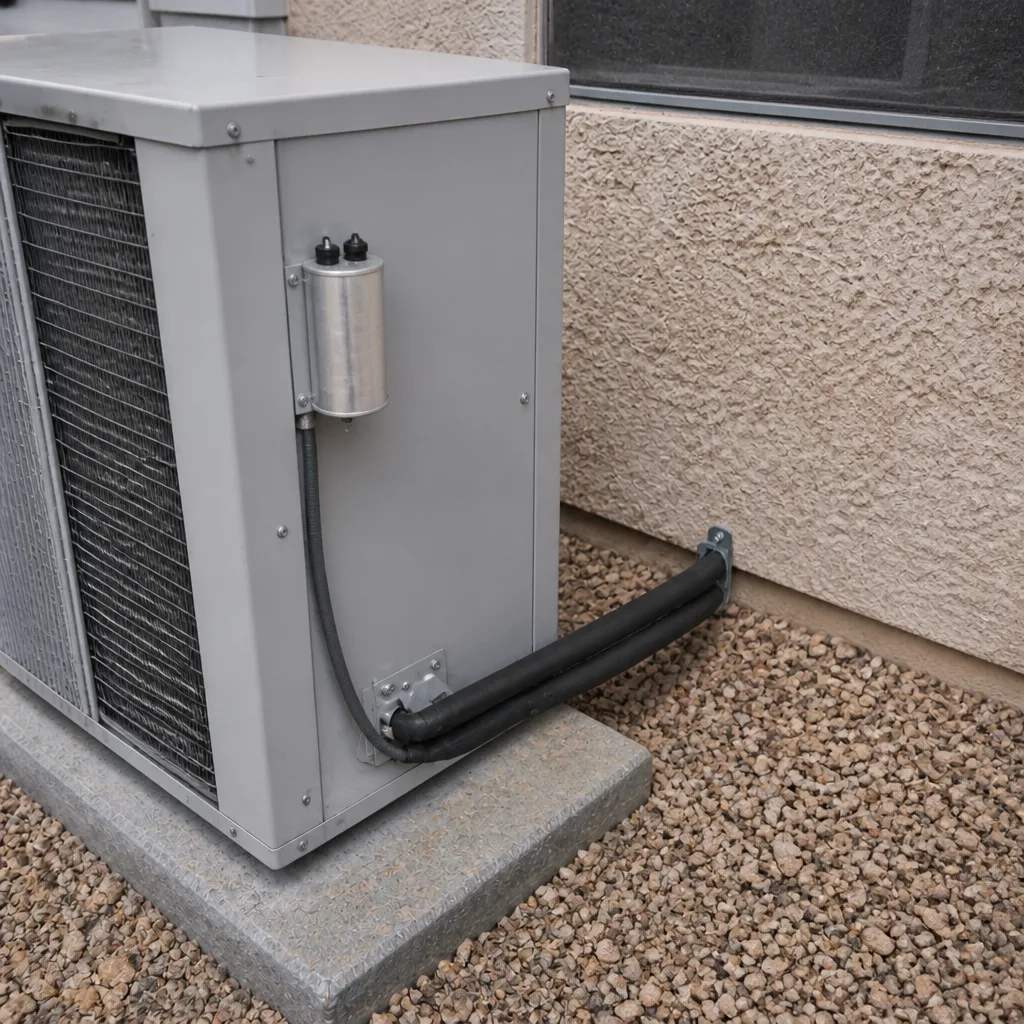
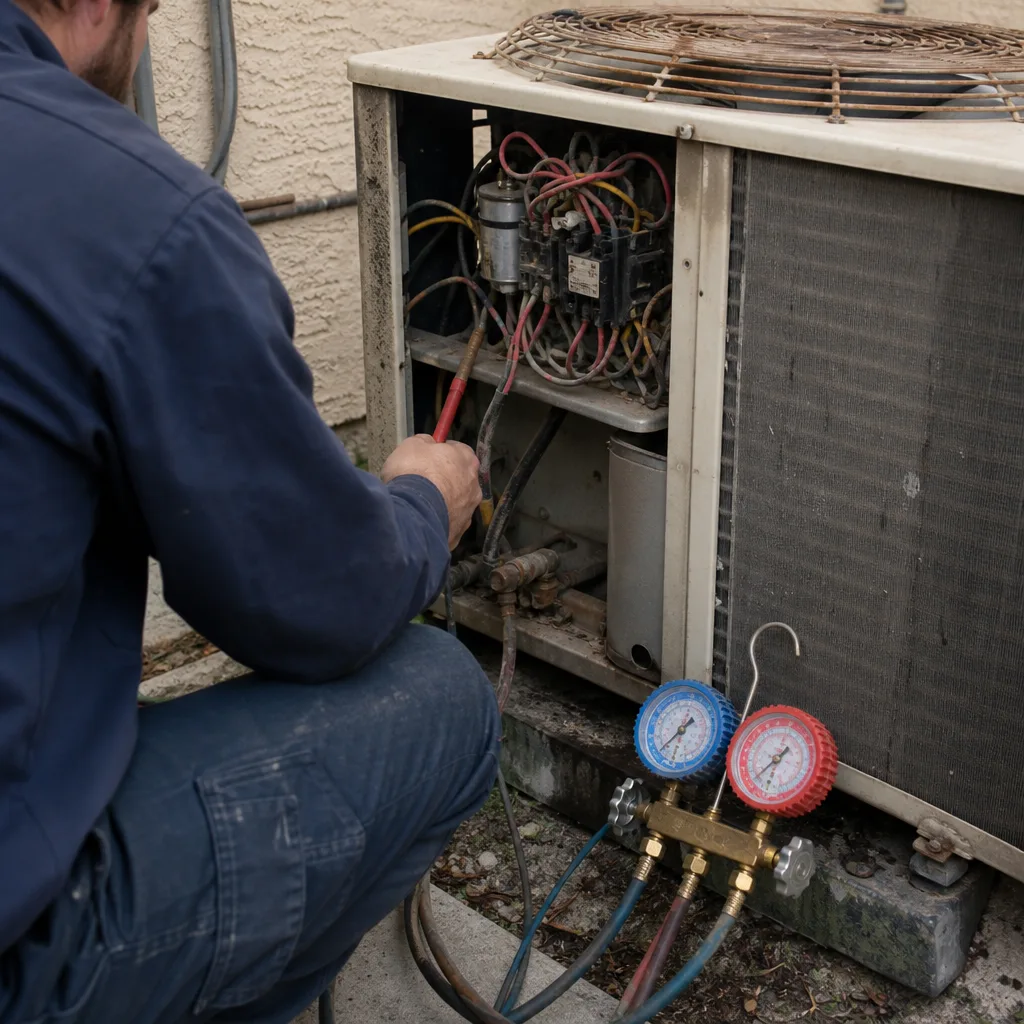
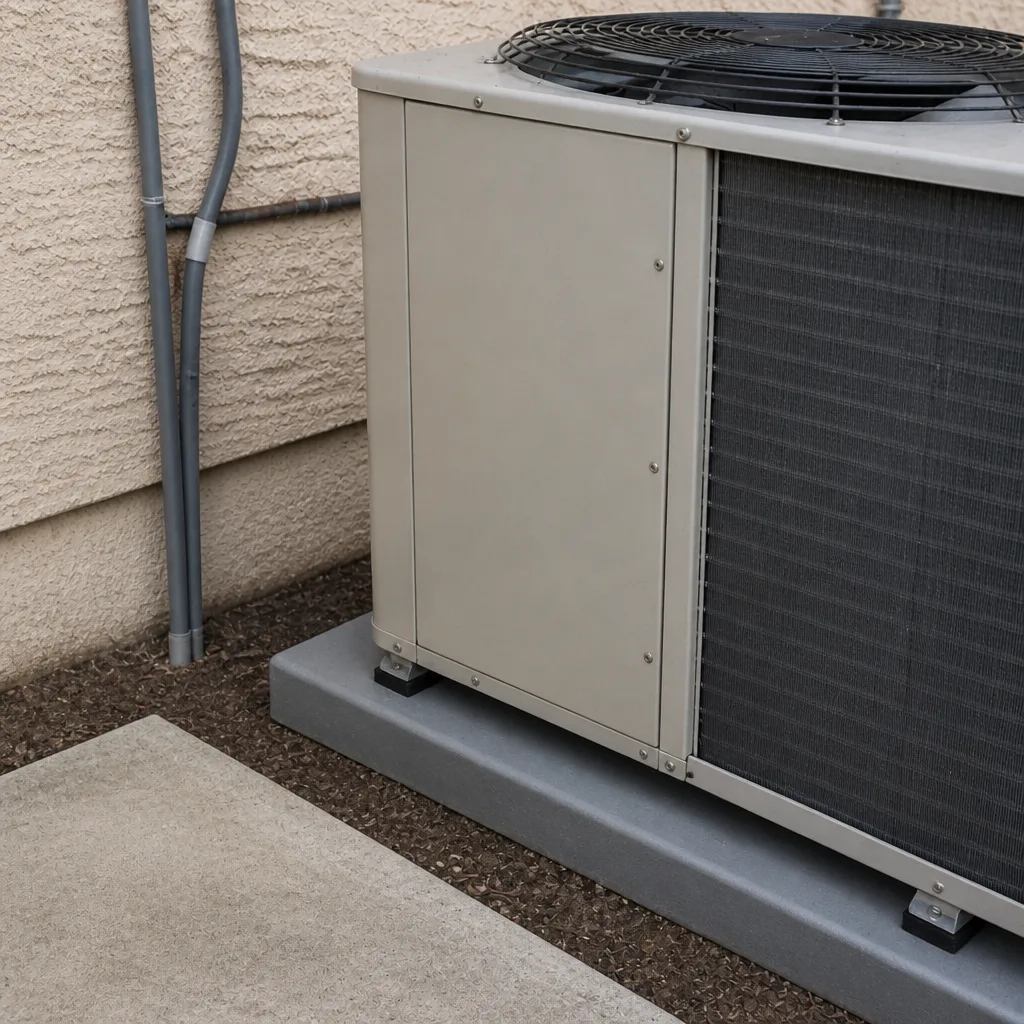
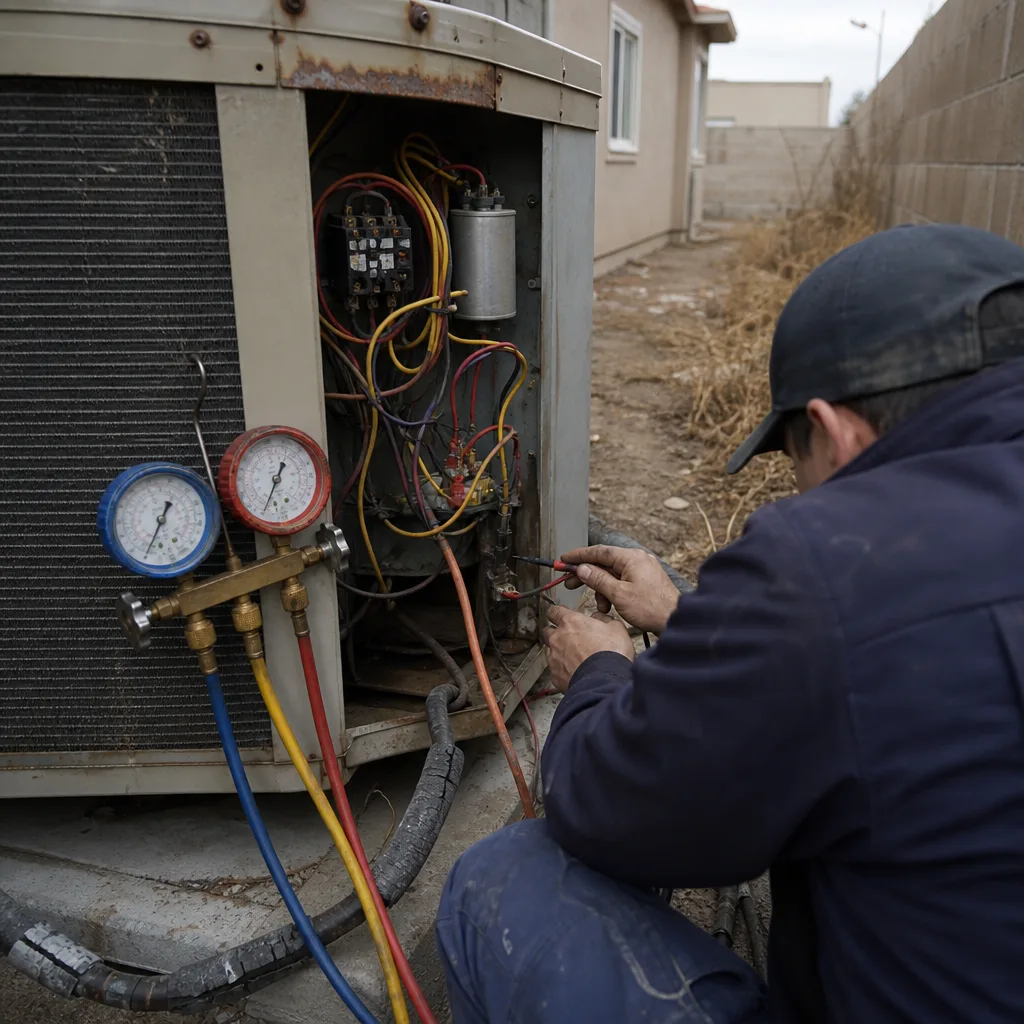
See the difference
 Before
 After
 Before
 After
 Before
 After
When to Call a Professional
Some tasks belong in a homeowner’s hands, and some don’t. Filter changes, drain pan checks, clearing debris after a dust storm, and logging what you find are all fine to handle yourself. The moment the work touches refrigerant, the compressor, capacitors, the burner assembly, the flue, or a suspected heat exchanger crack, it belongs to a trained technician. Refrigerant handling requires equipment and training, and a gas furnace with a cracked heat exchanger is a genuine safety hazard, not a checklist item. If your system won’t cool on a 108°F day, if you smell gas, or if you see a yellow burner flame, stop and call. Dalton Heating & Air Spring Valley offers free estimates in Spring Valley, and our line is answered by a real person around the clock. Call (888) 268-6106 for a free estimate, and we’ll put the price in writing before any work starts.
Frequently Asked Questions
Twice a year, timed to this climate: AC prep in March and furnace prep in October. The two-visit schedule catches refrigerant and capacitor problems before cooling season and heat exchanger problems before heating season. Homeowners who do both spend less in the long run because smaller issues get handled before they become repairs. Call us to get both visits on the calendar.
March is the last quiet month before cooling season, so technicians have time to test refrigerant charge, capacitors, and coils instead of triaging failures. The same repair that’s a routine appointment in March can be a ten-day wait in June. Booking in March is the single best thing you can do to avoid a July emergency. Call (888) 268-6106 to schedule yours.
Yes, and maybe more here than in a cold climate, because the furnace sits unused for roughly six months. Dust collects in the burners and the heat exchanger goes through a summer of temperature swings. An October crack check and cleaning is a safety test, not an upsell. Our furnace service covers it, and the price is in writing before we start.
Inspect the outdoor unit, rinse the condenser coil, clear debris from the pad, and check that the condensate line is draining. Dust storms push fine dirt into the coil and wiring, and rain can pool around the unit if the pad is blocked. Ten minutes of checking prevents most heat-related failures. If something looks off, call us for a tune-up.
Most tune-ups run in the $90 – $180 range depending on the system and what’s included, and repairs found during a tune-up run $150 – $450 depending on the part. You get the exact price in writing before any work starts, and the repair is guaranteed in writing for a full year. Call (888) 268-6106 for an exact quote. Estimates are free.
If the system is over 12 years old and facing a major repair like a compressor, replacement is usually the better call. A single major repair on aging equipment often costs more than it saves. A system that’s a few years old with a smaller repair is worth keeping. If you’re weighing it, get a written quote on both options before cooling season. Call (888) 268-6106 and we’ll lay out the numbers in writing, with no pressure and no surprise pricing at the door.
The Bottom Line
Spring Valley’s HVAC year has two intense seasons and two short shoulders between them. Do your AC prep in March, your furnace and heat exchanger checks in October, and book non-emergency work in April and November when availability is wider. Handle the monsoon tasks in July through September, especially the drain pan and condensate line, and write down what you find in a simple maintenance log. That log makes the next service call faster and backs up your warranty claims. The work you put in during the quiet months is what keeps the loud months quiet. It’s the difference between a season that runs smoothly and one spent waiting on a repair list.
If you want the full calendar handled by a crew that shows up inside the window, puts the price in writing first, and stands behind every repair in writing for a full year, that’s what we do. We service all nine major residential HVAC brands, and our technicians have up to 23 years of experience. Start at the Dalton Heating & Air Spring Valley home page or call (888) 268-6106 for a free estimate. We’ll get your seasonal maintenance on the calendar before the first 100°F day.
Written by the team at Dalton Heating & Air Spring Valley.